A shrinking runway for small gas cars
Europe’s auto industry may have dodged the most dramatic version of the European Union’s 2035 ban on new combustion-engine vehicles, but the pressure on automakers hasn’t let up. Even with regulators signaling flexibility, manufacturers still face aggressive targets: fleet emissions must fall 90% from 2021 levels, with stricter CO₂ limits kicking in well before the end of the decade. From 2030 onward, the rules get tougher still.
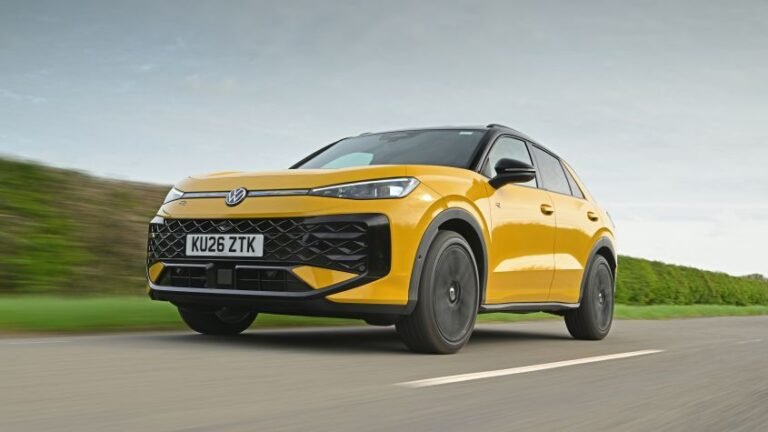
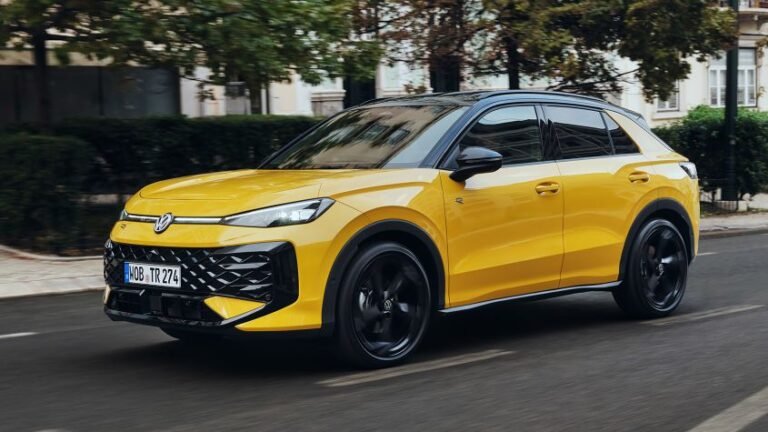
Against that backdrop, Volkswagen is drawing a hard line. According to VW brand CEO Thomas Schäfer, small gas-powered cars simply don’t pencil out anymore. Speaking with Auto Motor und Sport, Schäfer said models in the B-segment—think the Polo—are headed for an all-electric future. “The future in this segment is electric,” he said.
The problem isn’t consumer demand so much as math. Engineering a new internal-combustion car to meet upcoming emissions standards would be prohibitively expensive, Schäfer argued. Those costs would ultimately be passed on to buyers, pushing prices high enough that small cars would lose their main advantage: affordability.
The Polo’s electric successor
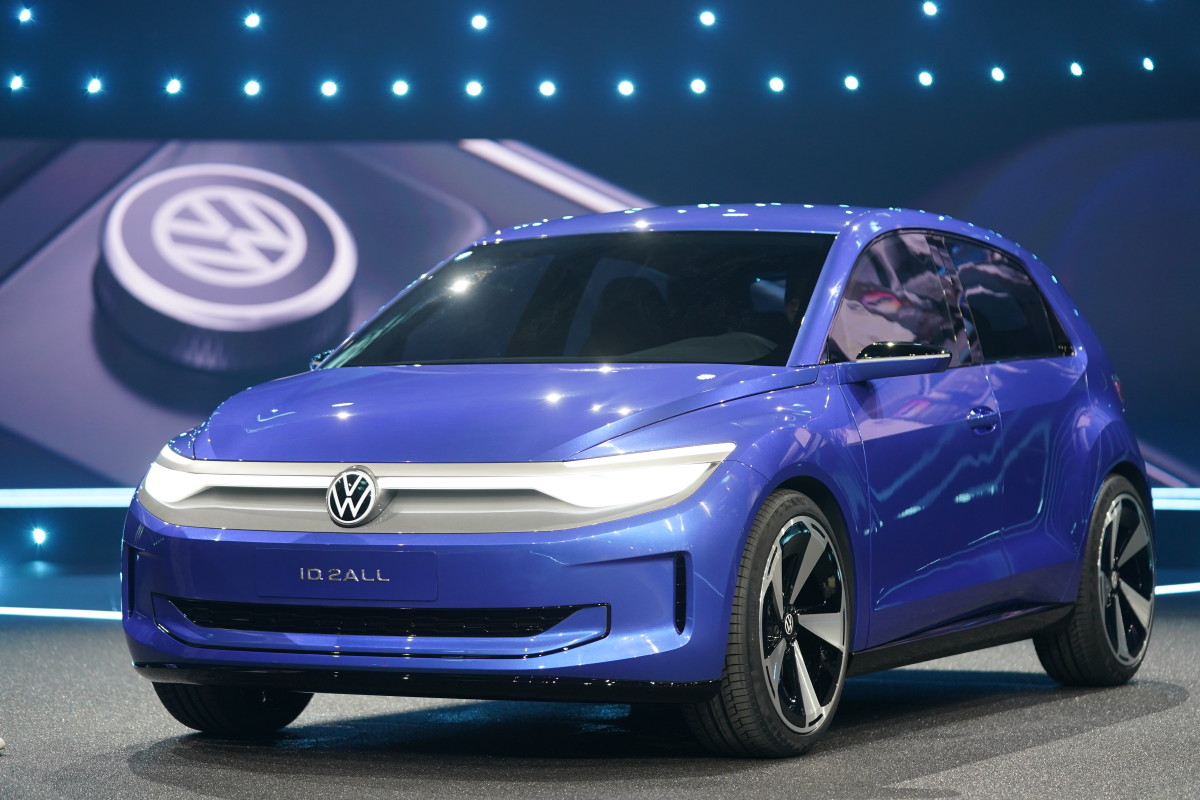
That reality means the clock is ticking on small ICE cars at VW. The Polo isn’t disappearing overnight, but its long-term successor will be electric. VW plans to introduce an “ID. Polo” as an indirect replacement, signaling the brand’s intention to keep the nameplate’s spirit alive—just without a gas engine.
A return to ultra-small, gas-powered city cars like the Up! or the Lupo is also off the table. VW sees little reason to revive the A-segment with combustion power when a wave of relatively affordable EVs is about to arrive.
The first of those will land soon. VW’s electric Polo-sized hatchback is expected next year with a starting price of about €25,000, including VAT. In 2027, the production version of the ID. Every1 concept aims to push the entry point down to €20,000. Incentives in some EU countries could lower those prices further.
VW isn’t stopping there. A Polo-sized electric crossover—previewed by the ID. Cross concept—has already been shown, and all three models will ride on the MEB+ platform, which is designed exclusively for EVs.
Gas and electric, side by side
Despite the clear direction, VW isn’t flipping a switch overnight. Existing gas-powered models like the Polo and T-Cross will continue for an unspecified period, running alongside their electric counterparts. The company hasn’t set firm end dates, but the long-term trajectory is clear: combustion engines in VW’s smallest cars are living on borrowed time.
Final thoughts
The shift comes as VW continues to dominate Europe’s sales charts. After the first ten months of 2025, the brand surpassed one million sales in the EU alone, according to the European Automobile Manufacturers’ Association. Including the UK and other nearby markets, that figure climbs past 1.2 million vehicles.
Despite claims that EV demand is cooling, European data suggests otherwise. Through October, electric vehicles accounted for 16.4% of EU sales, up from 13.2% a year earlier. Broader regional figures tell a similar story. If VW’s bet pays off, its new generation of affordable EVs could accelerate that trend—and make the demise of the small gas car in Europe feel less like an ending and more like a handoff.