Volvo’s 2030 EV Goal Suddenly Looks More Real
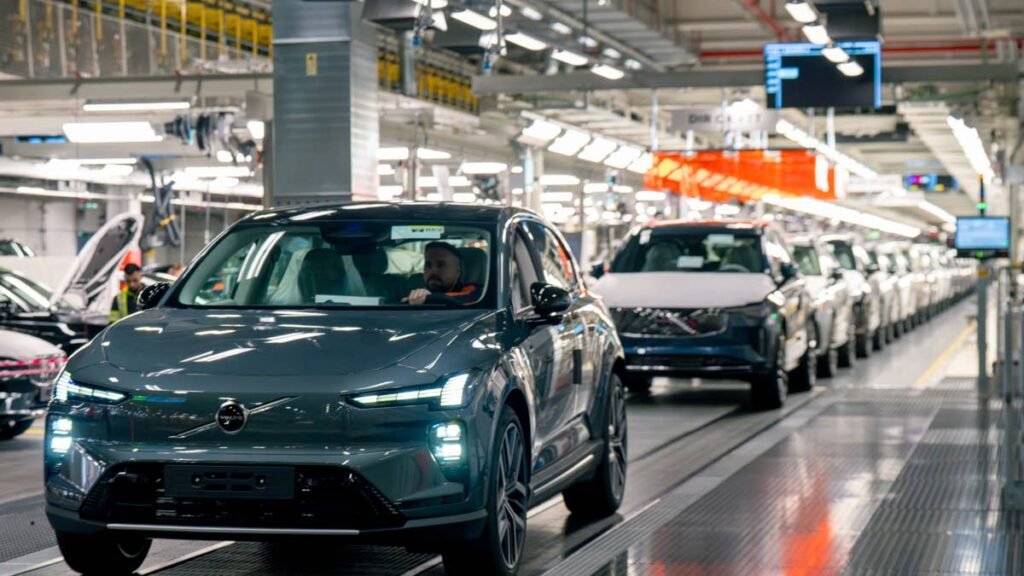
Volvo’s initial plan to become a fully electric automaker by 2030 once seemed overly ambitious, especially in markets like the United States, where gas-powered SUVs still dominate sales. But comments from Volvo’s chief engineering and technology officer, Anders Bell, suggest the company has already moved much further away from internal combustion than many expected.
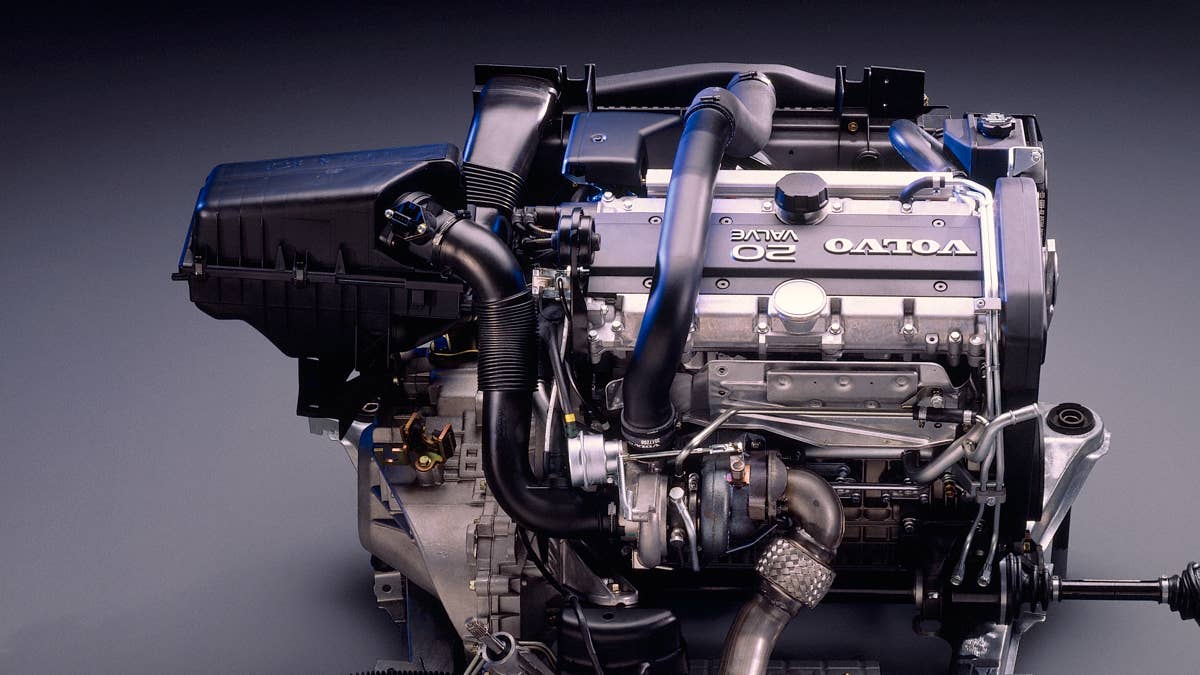
Speaking with CarBuzz, Bell revealed that Volvo no longer operates factories dedicated to producing combustion engines.
Bell said combustion engines are “not part of our core technology anymore,” adding that former engine plants have either been sold or converted to produce electric motors. The statement reinforces Volvo’s earlier decision to stop investing in new combustion engine development. Even though the automaker still sells hybrids and gasoline-powered models today, its manufacturing strategy now appears heavily centered around EVs.
Volvo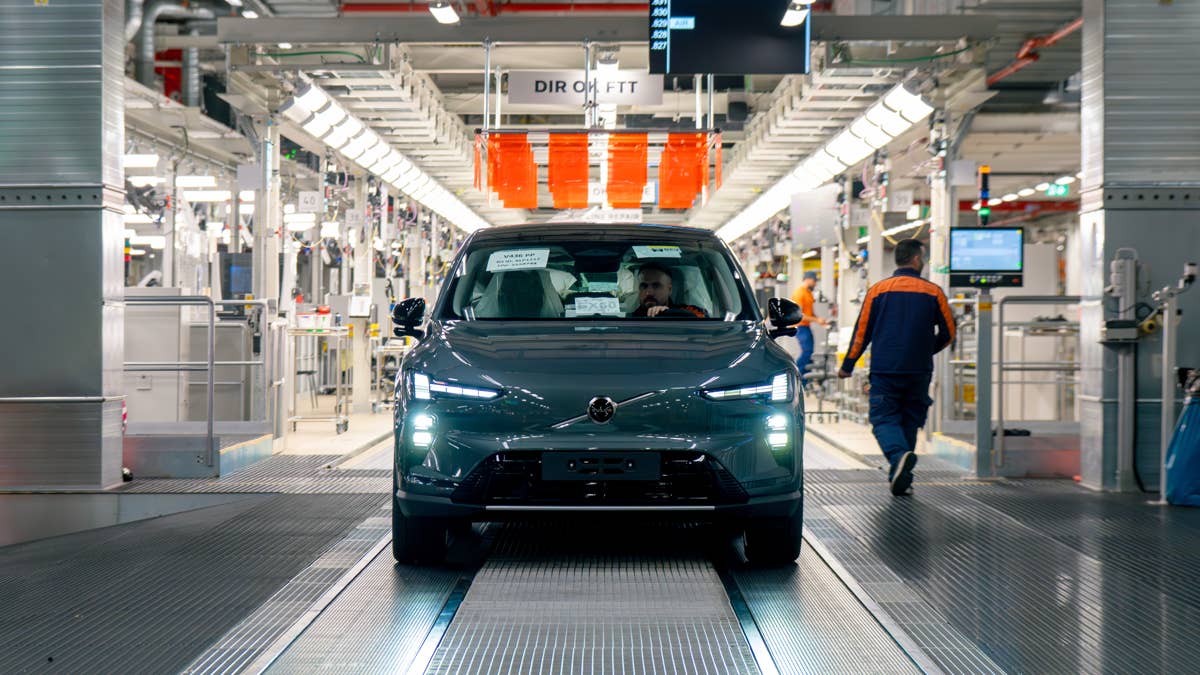
Volvo Stays Committed Despite Europe’s EV Uncertainty
Volvo’s comments come as several European automakers push for softer emissions rules and adjustments to the European Union’s planned 2035 combustion-engine ban. Slowing EV demand and concerns about charging infrastructure have caused some manufacturers to reconsider how quickly they can transition away from gasoline-powered vehicles.
Volvo, however, seems committed to staying the course. Bell acknowledged that combustion-powered vehicles will remain necessary in the U.S. for the near future, but he said future Volvo hybrids will deliver a more EV-like driving experience. He also confirmed Volvo is willing to rely on outside partners for combustion engine technology rather than restarting internal ICE development programs.
The Lowdown
European automakers have increasingly warned regulators that forcing a rapid EV transition could hurt competitiveness. Still, some countries already show how quickly the shift can happen. Norway recently reached roughly 96 percent EV adoption in new-vehicle sales, effectively making gasoline-powered cars a shrinking niche.
Volvo appears convinced that global markets will eventually follow that direction. The company is not only reducing investment in combustion engines but actively restructuring factories and engineering teams around electrification.
That confidence also explains why Volvo leadership has expressed openness to building lower-cost Chinese-developed EVs in the United States if market conditions make sense. While many automakers continue to balance gasoline, hybrid, and EV programs, Volvo increasingly looks like one of the few traditional brands fully committed to an electric future.
Mansory