Driving Into the Future
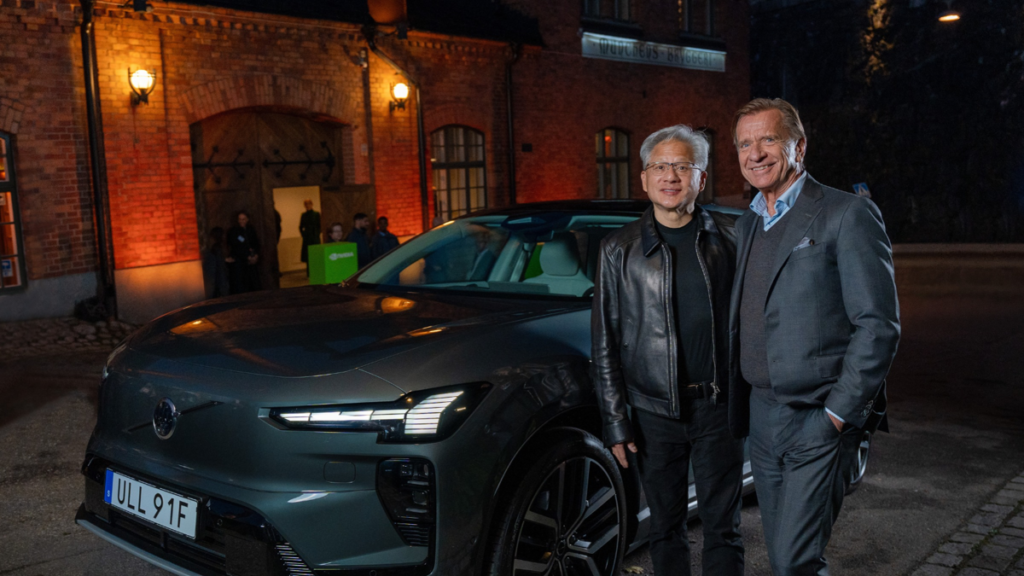
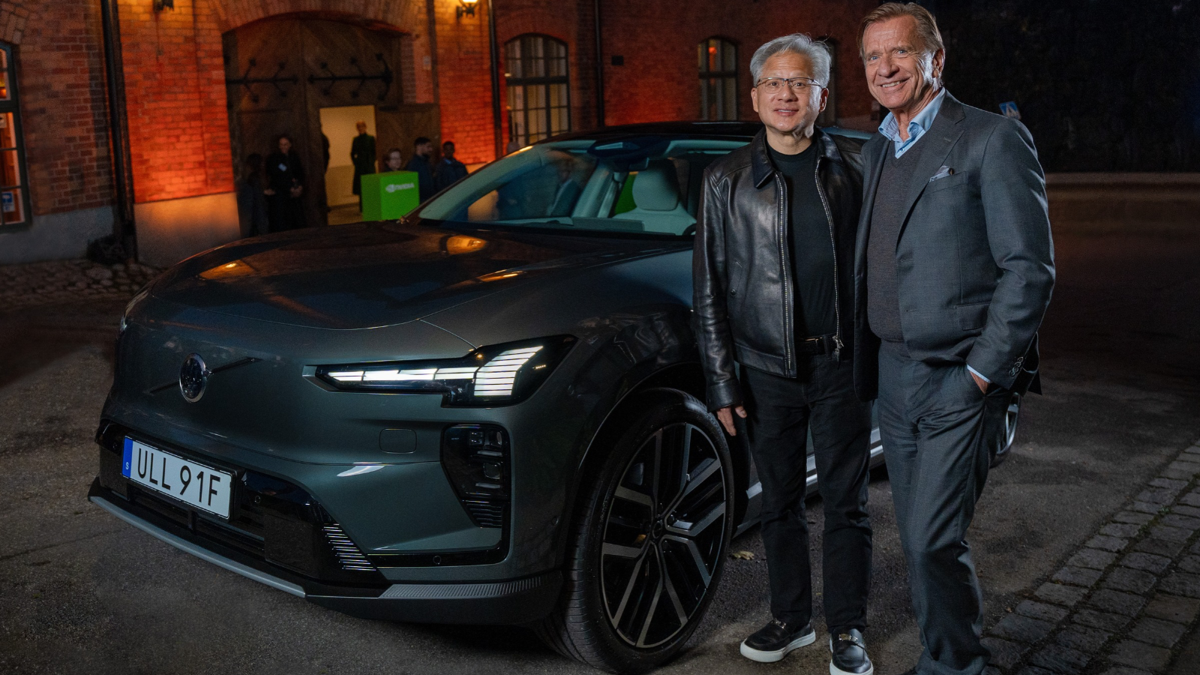
The race toward automated driving is on, and one name that keeps popping up is NVIDIA. That’s because NVIDIA has partnered with several legacy automakers to build their next-generation automated driving systems, including Volvo, which recently expanded its partnership with the tech giant following the announcement of its largest-ever product push.
Automation can provide several benefits, including greater convenience, reduced driver fatigue, and even improved road safety by reducing human factors like distraction, fatigue, and impaired driving. There is still skepticism about computers taking over the wheel, but perhaps Volvo’s reputation as an industry leader in safety could help strengthen this expanded partnership with NVIDIA.
Brains Behind the Automation
According to Volvo, the expanded partnership aims to deliver improved and safer automated driving functions in complex real-world environments, including highways, busy urban streets, and parking scenarios. The system, which will be developed with eyes-off and mind-off capabilities in mind for future releases, will use NVIDIA’s AI and accelerated computing technologies, including its Hyperion sensor and compute architecture, Halos OS, and Alpamayo Stack driving software.
These are the same technologies Mercedes-Benz recently announced it would use. They will also support the development of SAE Level 4 systems, which can operate without driver intervention under specific conditions, as seen with robotaxi operations. Meanwhile, General Motors, which also has a partnership with NVIDIA, is scheduled to launch its first eyes-off driving system in the Cadillac Escalade IQ in 2028.
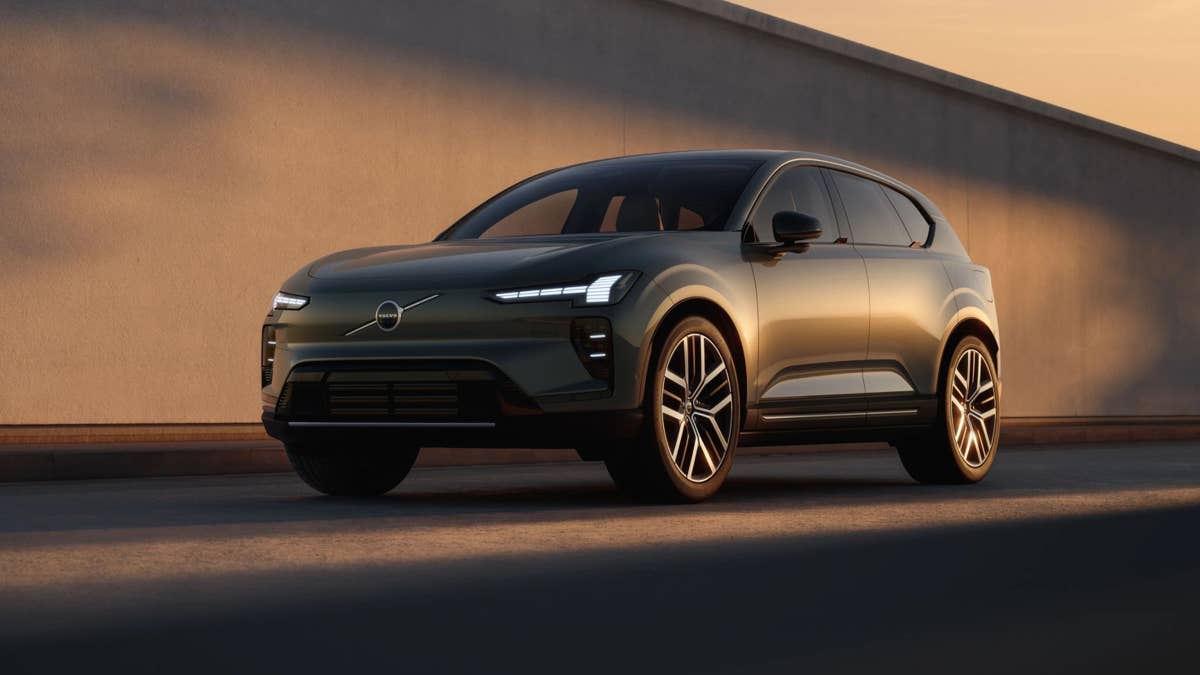
As for Volvo, the press release hasn’t given a timeline for its next-gen automated driving system, but according to a Reuters report, the Swedish marque expects to launch it before 2030. That would be in time for the brand’s push to deliver 13 all-new models by the end of the decade, seven of which will be developed for Western markets, including the U.S. and Europe, while the rest are for China.

Safety Gets Smarter
Volvo hasn’t specified which models will get the automated driving system first. But given its strong reputation for safety, the company believes the technology could set a new benchmark for automated driving that is “safe, convenient and worthy of customer trust.”
The expanded NVIDIA partnership comes amid growing U.S. scrutiny of Chinese-linked vehicle technology, which will prevent sister brand Polestar from selling new model-year 2027 vehicles in the American market. Volvo, however, secured U.S. government authorization in May 2026 to continue selling its vehicles despite its Chinese ownership. The use of American-developed NVIDIA technology could further help address security concerns surrounding its future automated driving systems.
Volvo