The Software Arms Race
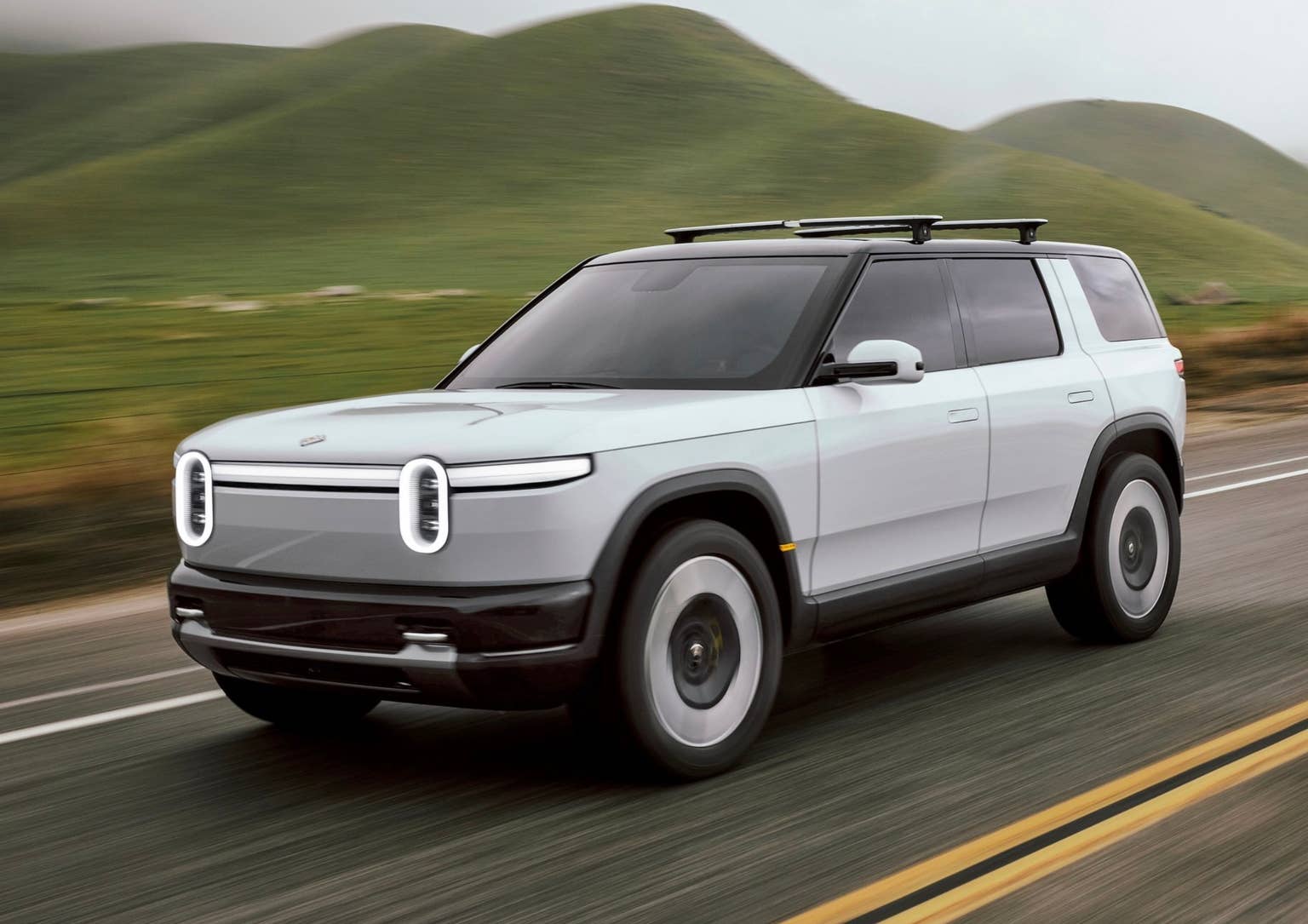
In 2024, Volkswagen announced plans to increase its investment in Rivian and their joint venture to up to $5.8 billion to jointly develop vehicle software and electronic architecture for next-generation vehicles. However, development has reportedly been slow, which could be a concern given that other automakers, including Toyota with its Arene software platform, are scrambling to make their cars smarter.
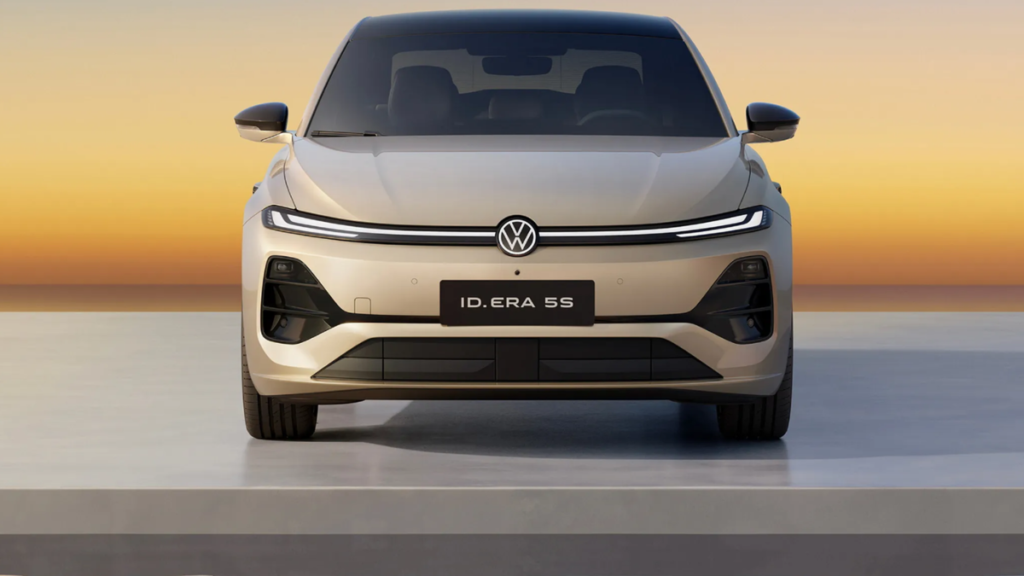
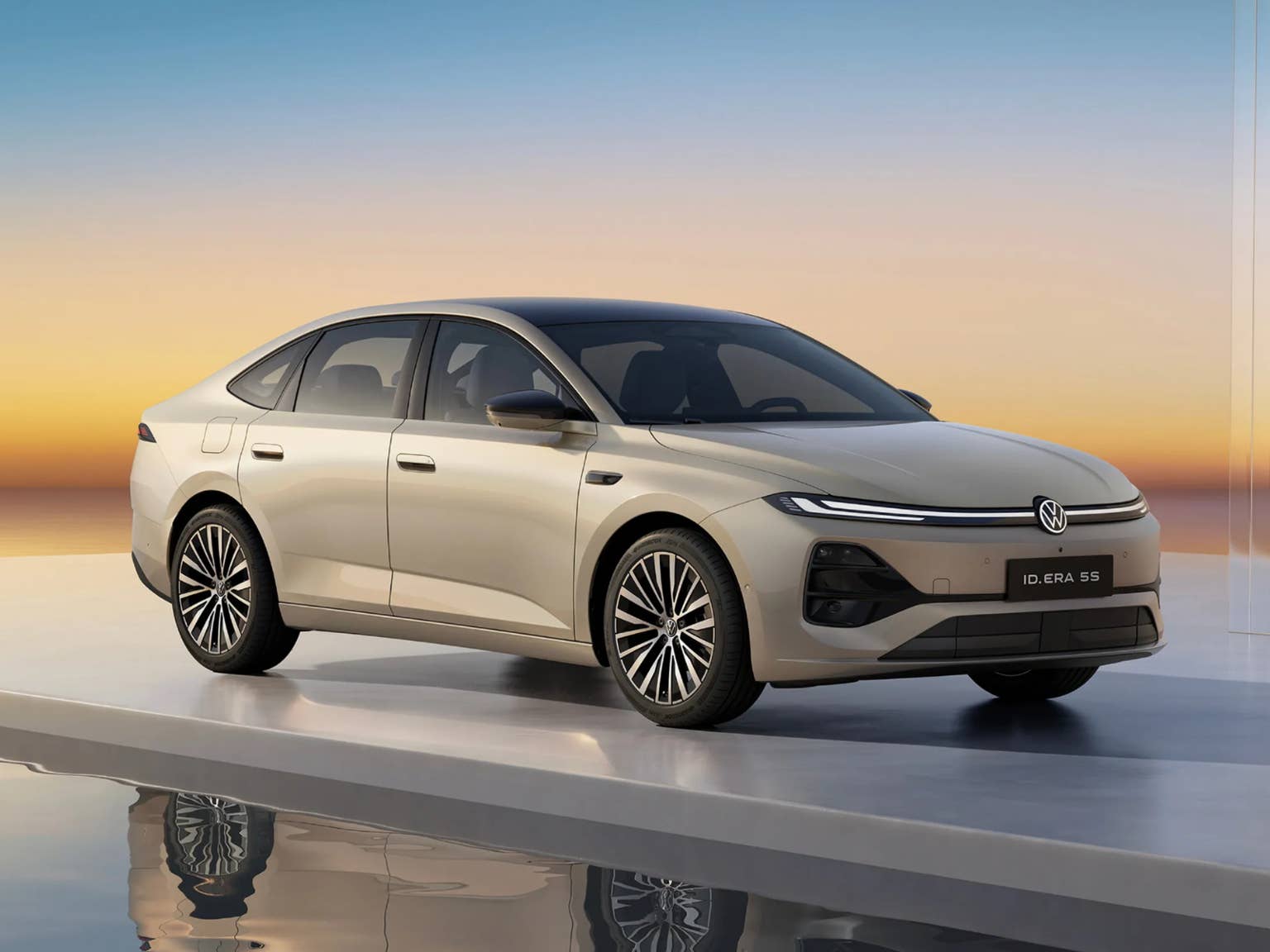
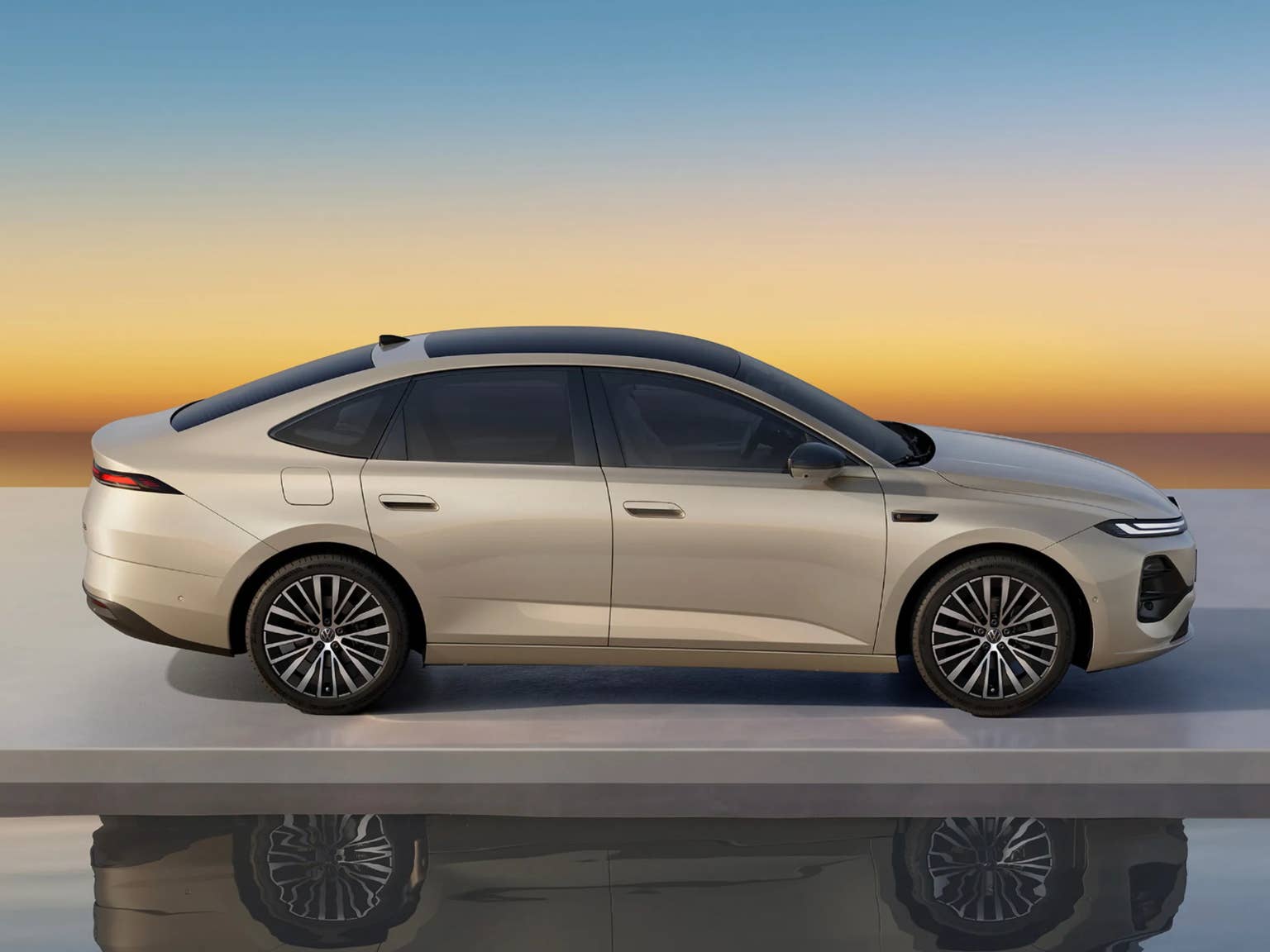
Now, Automotive News, citing Bloomberg, has reported on a new plug-in hybrid Volkswagen sedan in China called the ID. Era 5S, which boasts an advanced automated driving system. The sedan, described as “self-driving,” reportedly features a system that outperforms what VW offers elsewhere. But what makes this sedan more intriguing is its starting price of just 120,000 yuan, or about $18,000.
Volkswagen
A Strategic Crossroads
Given the capabilities of its advanced driver-assistance system, Volkswagen is reportedly considering bringing elements of its Chinese-developed software architecture to Europe. That could affect the German marque’s $5.8 billion partnership with Rivian. The technology developed in China with Horizon Robotics and Xpeng could offer comparable or more advanced capabilities at a faster pace and lower cost, potentially reducing VW’s reliance on the California-based EV maker.
However, abandoning the joint venture altogether seems unlikely, considering the U.S. will ban certain Chinese-linked connected-vehicle software beginning with the 2027 model year. Introduced to address national security concerns, the rule also prevents Polestar, which is backed by Chinese automotive giant Geely, from selling vehicles from the 2027 model year onward in the American market, even as sister company Volvo secured an exception.
In addition, the technology being developed with Rivian is expected to be used in cars from Audi and Scout Motors, the latter of which is primarily focused on the North American market.
Rivian
Learning From Old Mistakes
So far, Volkswagen hasn’t announced any scaling back of its partnership with Rivian. The first car to feature their jointly developed technology, the production version of the ID. Every1 concept, is expected to launch in Europe in 2027 with a target starting price of €20,000, or about $21,900.
But as history has shown, Volkswagen may not be able to afford another major software setback. Previous development delays at its Cariad software division had a ripple effect across the VW Group, pushing back the launches of key models such as the Audi Q6 e-tron and Porsche Macan Electric. Against this backdrop, it remains to be seen whether the capabilities and cost advantages of its Chinese-developed technology will prove compelling enough to prompt a shift in the company’s global software strategy.
Volkswagen