Every time the name Ferdinand Piëch is being mentioned, you know you’re in for a real treat as a car fan. The brilliant engineer and visionary executive has had an enormous influence on the automotive world, and the stories told about his impossible demands for engineers and despotic management style are always a great read.
This time makes no exception as we’re talking about a little-known experimental prototype built at the request of Dr. Piëch in 1999 as part of his quest to develop the king of the narrow angle VR engine family—which would eventually become the mighty 8.0-liter W16 quad-turbo monster from the Bugatti Veyron.
Experimental W10 Was Shoehorned into the Only Chassis That Could Contain It
Broad Arrow Auctions
Ferdinand Porsche’s grandson was always known to put engineering and manufacturing quality first, regardless of what that might cost, and this approach led to an array of exceptional cars, engines and technologies over the years.
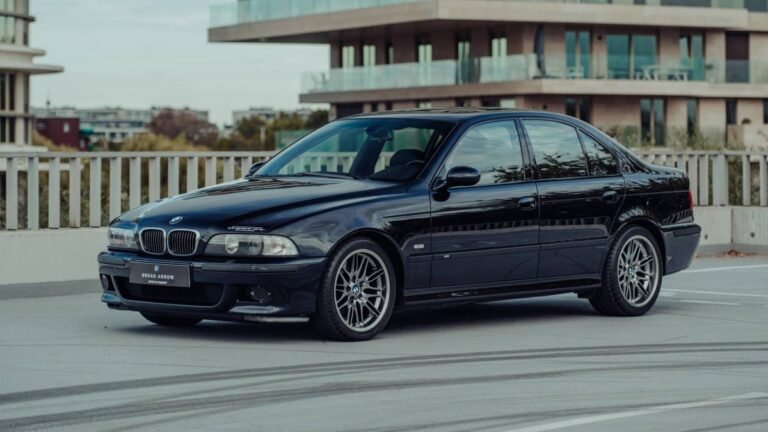
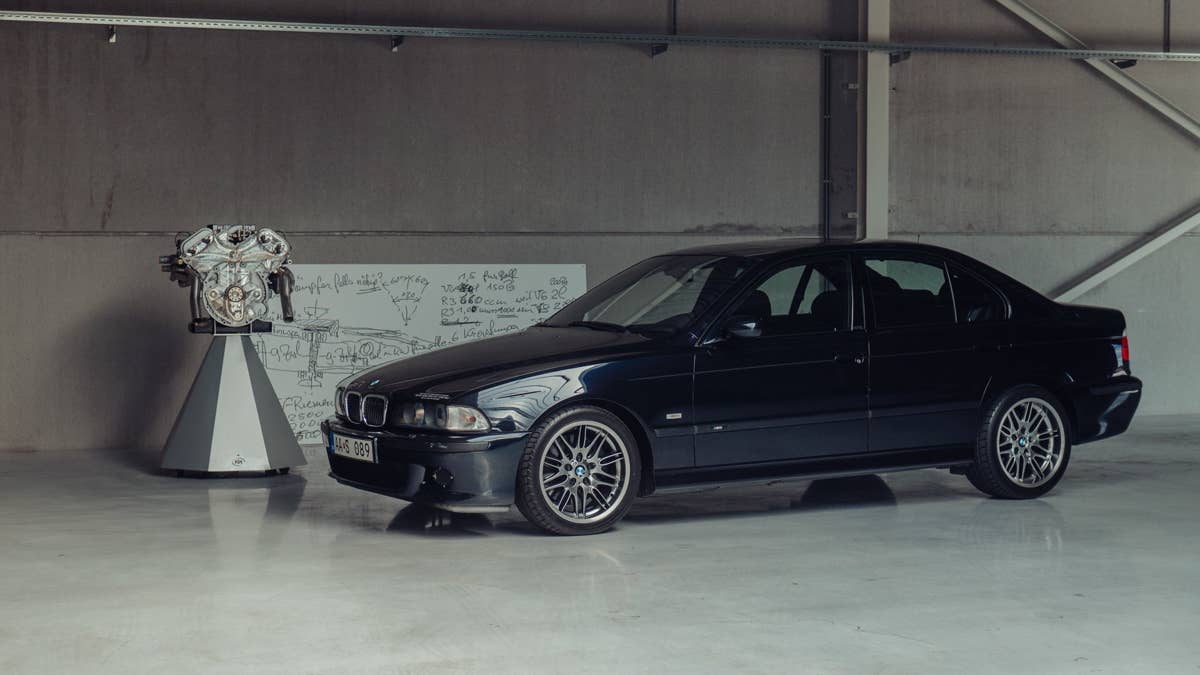
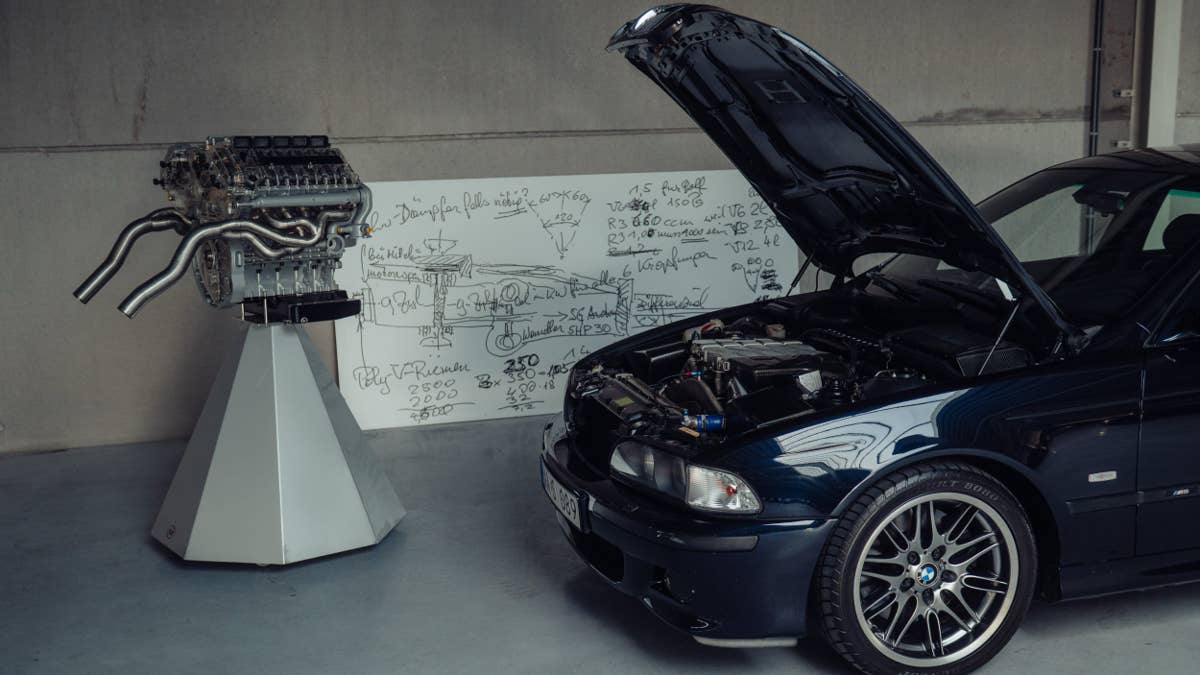
In 1999, he instructed his engineers to build a W10 engine for a high-performance sedan. At the time, neither Audi nor Volkswagen offered a direct rival to the BMW M5. So rather than building a bespoke test car, Piëch had the experimental 5.0-liter W10 engine fitted into an E39 BMW M5, which had been previously stripped of its original 4.9-liter naturally aspirated S62 V8.
Broad Arrow Auctions
After the engine transplant, the M5 emerged more powerful, with the all-aluminum, naturally aspirated W10 producing 473 horsepower and 437 pound-feet of torque—79 hp and 68 lb-ft more than BMW’s factory V8. The six-speed manual transmission soldiered on.
Built by fusing to VR5 engines together, the W10’s cylinders shared a common crankshaft, delivering the power with a smoothness few engines could match.
The Unofficial W10 Program Cost VW Group Almost €2 Million
Broad Arrow Auctions
The traction control, stability control and anti-lock brakes were all deactivated, with the engine being controlled by its own standalone ECU for unrestricted power delivery. This was said to give the car a more immediate, unfiltered character than any factory E39 M5, as the engine was smooth in its delivery yet significantly quicker in its response.
The experiment is said to have cost VW Group nearly €2 million, even though it was never an official program, the current owner told Broad Arrow Auctions, the house that will handle the vehicle’s sale on October 9. That’s why development was carried out outside the company’s R&D department as per Piëch’s specific instructions.
Broad Arrow Auctions
Sabine Willeke, who led the engineering team behind the project, told the auction house that only three W10 engines were ever built. One remains in Germany (presumably at Volkswagen), another is offered alongside the M5 experimental prototype as a display example, and the third is the actual unit powering the car.
Interestingly, no other W10 engine was ever installed in a road-going car and VW never returned to the W10 concept once the program concluded. That makes this W10-powered E39 M5 all the more unique.
Dr. Piëch Actually Test-Drove It and Used It for Personal Transportation
Broad Arrow Auctions
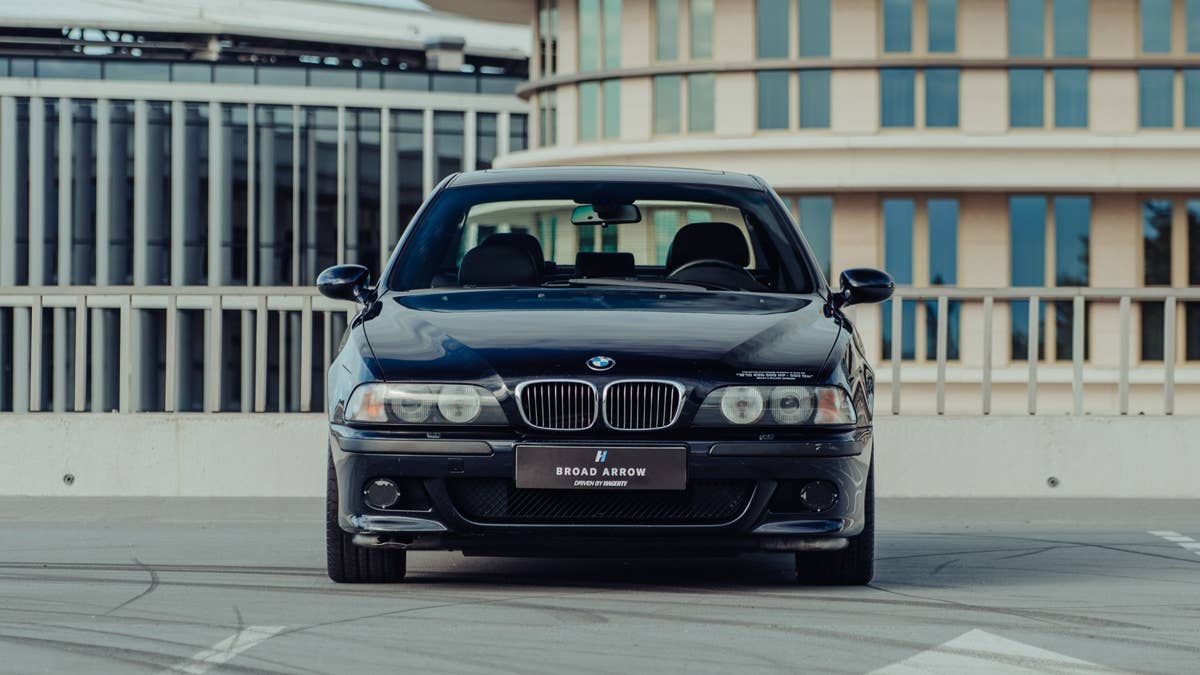
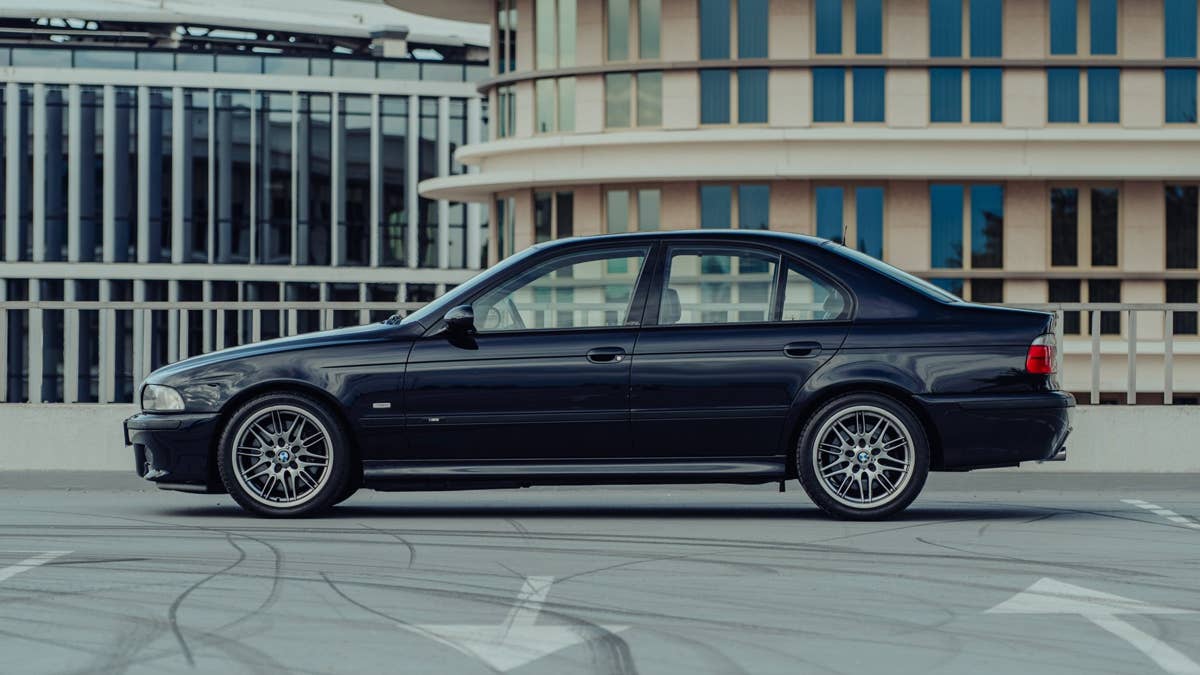
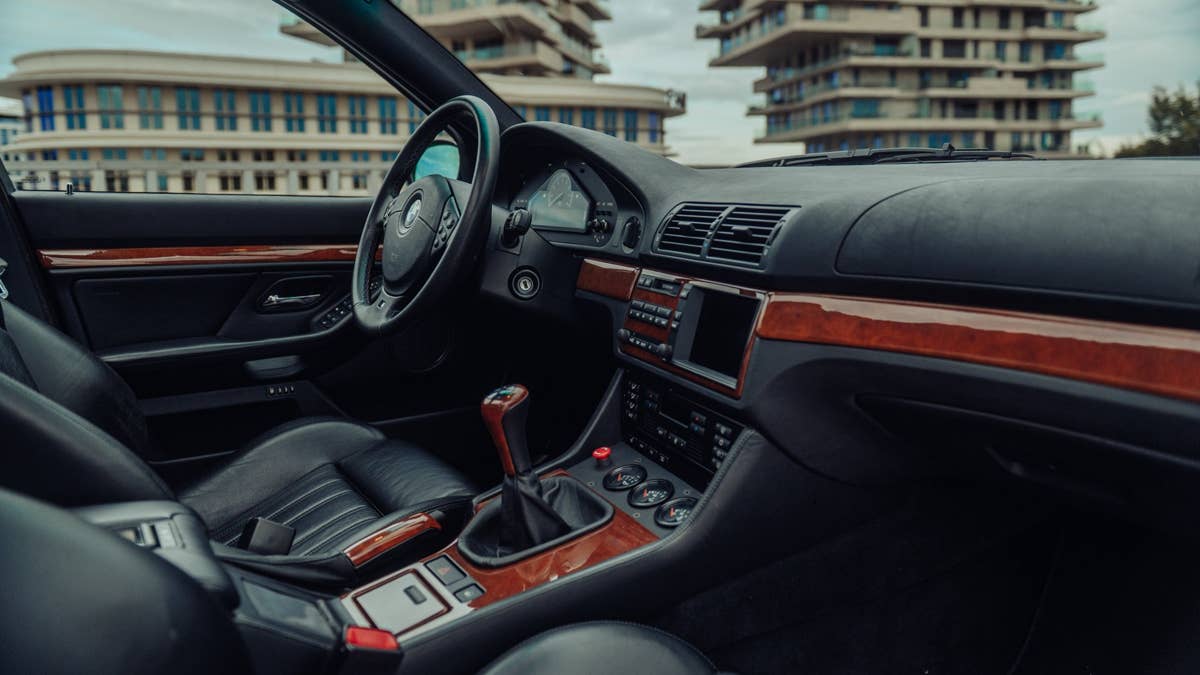
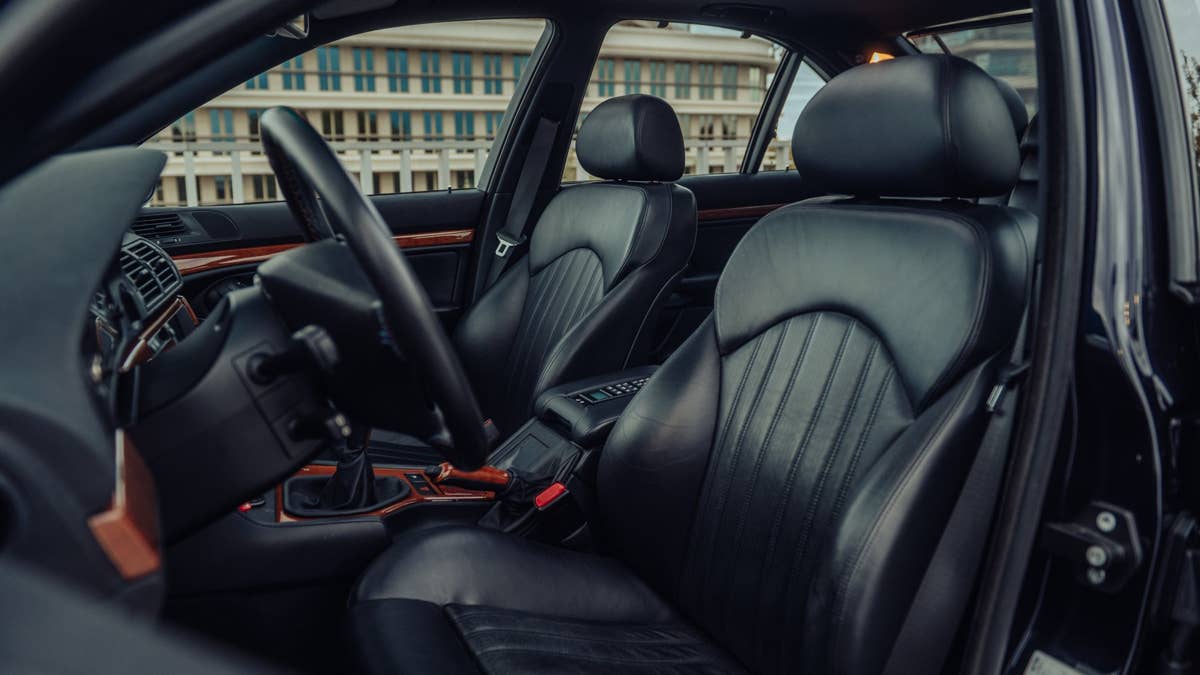
Looking at the car, nothing gives away the big secret under the hood. Finished in Carbon Black Metallic with a Black leather interior, chassis number WBSDE91040GJ16436 looks stock inside and out. However, a closer look inside reveals an aftermarket Stack dashboard with no odometer reading (which is why the mileage is impossible to determine) and a set of extra dials added to the center console.
Even though this was an informal experimental prototype, the W10 M5 was finished and fine-tuned into a fully drivable vehicle, with great attention to detail. That is obvious when looking at the custom intake ducting, ignition system, and coolant expansion tank, which are all neatly installed. They had to be since this particular car was driven by Ferdinand Piëch himself on temporary plates during its secret development and testing.
Broad Arrow Auctions
The current owner bought the unique M5 about a decade ago through connections in the engineering world and had since road-registered it in Slovakia. Rather than keep it in storage, he drives it, although the car lacks a certificate of conformity.
Broad Arrow Auctions estimates the one-of-a-kind W10 BMW M5 could sell for anything between €250.000-€350.000 ($285,000-$400,000), but given the vehicle’s unique history and experimental engine architecture, predicting the winning bid is almost impossible.