Detention for Driverless Cars?
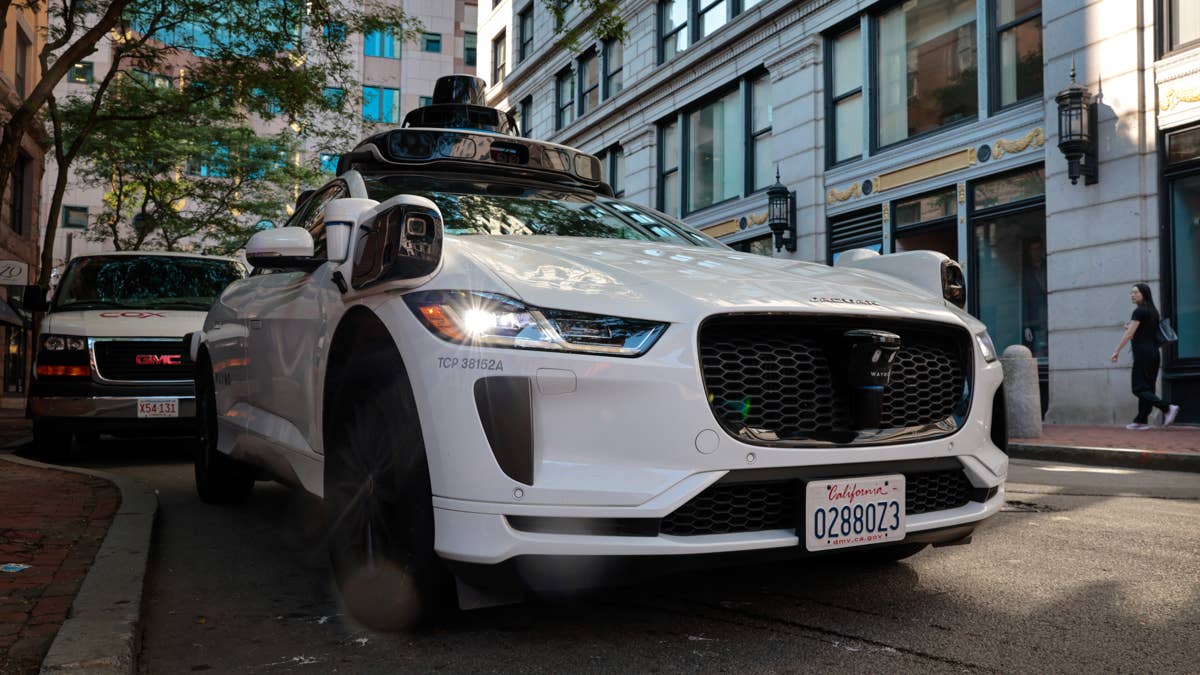
Self-driving ride-hailing cars can provide several benefits, including 24/7 availability and potentially improved road safety due to the absence of human drivers prone to errors, distractions, and fatigue. One of the main issues, however, is that self-driving technology is still evolving, making these vehicles prone to even basic errors, such as failing to stop for a school bus.
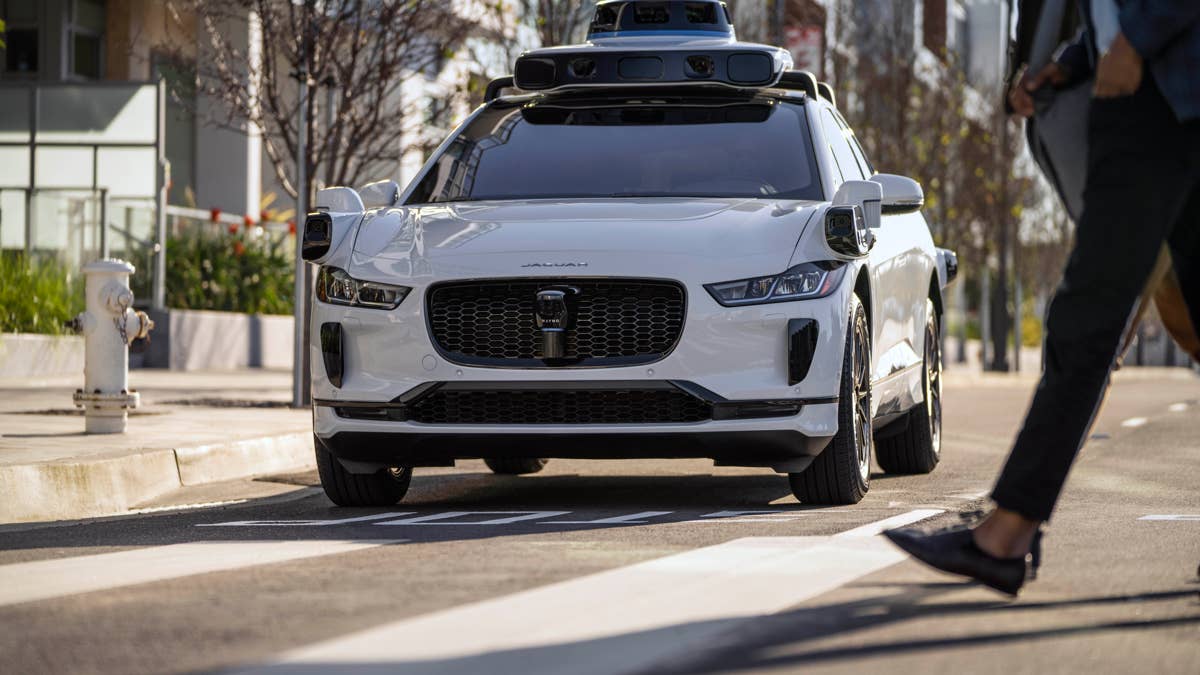
Waymo addressed a school bus safety issue last year with a recall of 3,067 vehicles equipped with its fifth-generation automated driving system (ADS). The remedy was a software update, which rolled out in November 2025. But apparently, the fix may not have been effective, as NHTSA has opened a new investigation following reports that Waymo AVs continued illegally passing stopped school buses. This time, the safety agency is probing 2,895 units equipped with the fifth-gen ADS.
Waymo
Missing The Stop
Reuters reported that Waymo received 19 distinct violations and numerous $300 tickets from the Austin Independent School District in Texas. The company was also involved in six other violations recorded by public schools in Atlanta.
The software update was supposed to ensure Waymo AVs remained stationary when encountering stopped school buses, particularly when their red lights were flashing and/or stop arms were extended. However, NHTSA said that a majority of the reported incidents happened after the software update was completed in November 2025.
As such, the investigation under recall query RQ26006 has been launched to assess the adequacy of the remedy and determine why the affected vehicles continued violating school bus safety rules. The findings could lead to further corrective action.
Waymo
The Road Ahead for Waymo
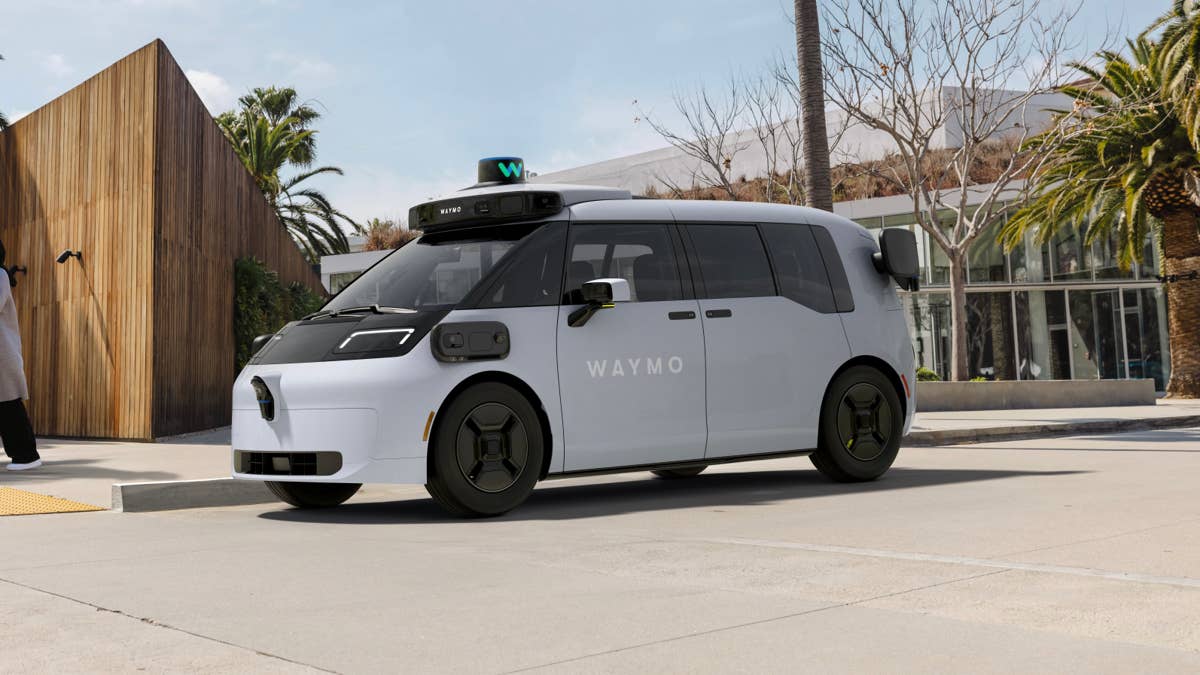
This probe comes at a time when Waymo continues to expand its network in the U.S. In September 2026, the company announced fully autonomous rides in Denver, San Diego, and Tampa, bringing its service to 14 cities at the time. It has also introduced its newer Ojai robotaxi, which is based on the Chinese-made Zeekr RT and uses American-developed autonomous driving technology. Specifically, the electric minivan uses the sixth-gen ADS, not the fifth-gen system currently under scrutiny in RQ26006.
Any safety-related setbacks could be detrimental to Waymo’s position in the robotaxi race, especially now that Tesla is expanding its own service with the Cybercab. The Cybercab is a two-seater robotaxi designed without a steering wheel or pedals, making compliance with federal safety regulations more complicated. Tesla also operates Model Y robotaxis, which offer more seating. Other players in this space include Zoox, Avride, and Uber, which is developing a robotaxi service in partnership with Lucid.