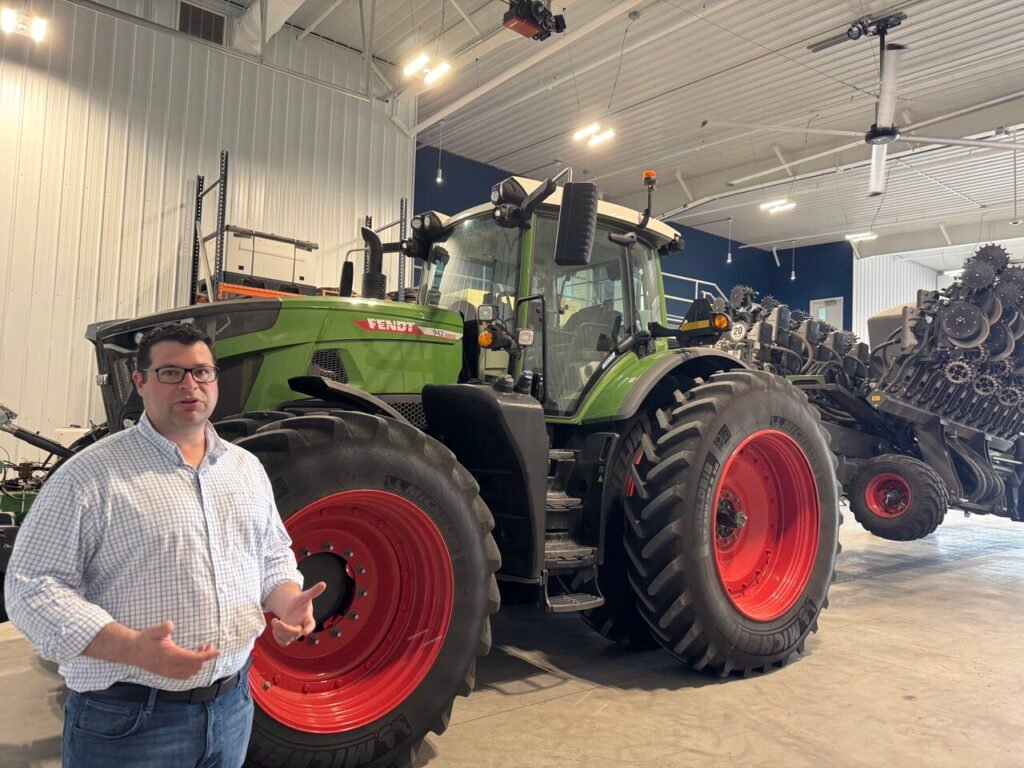
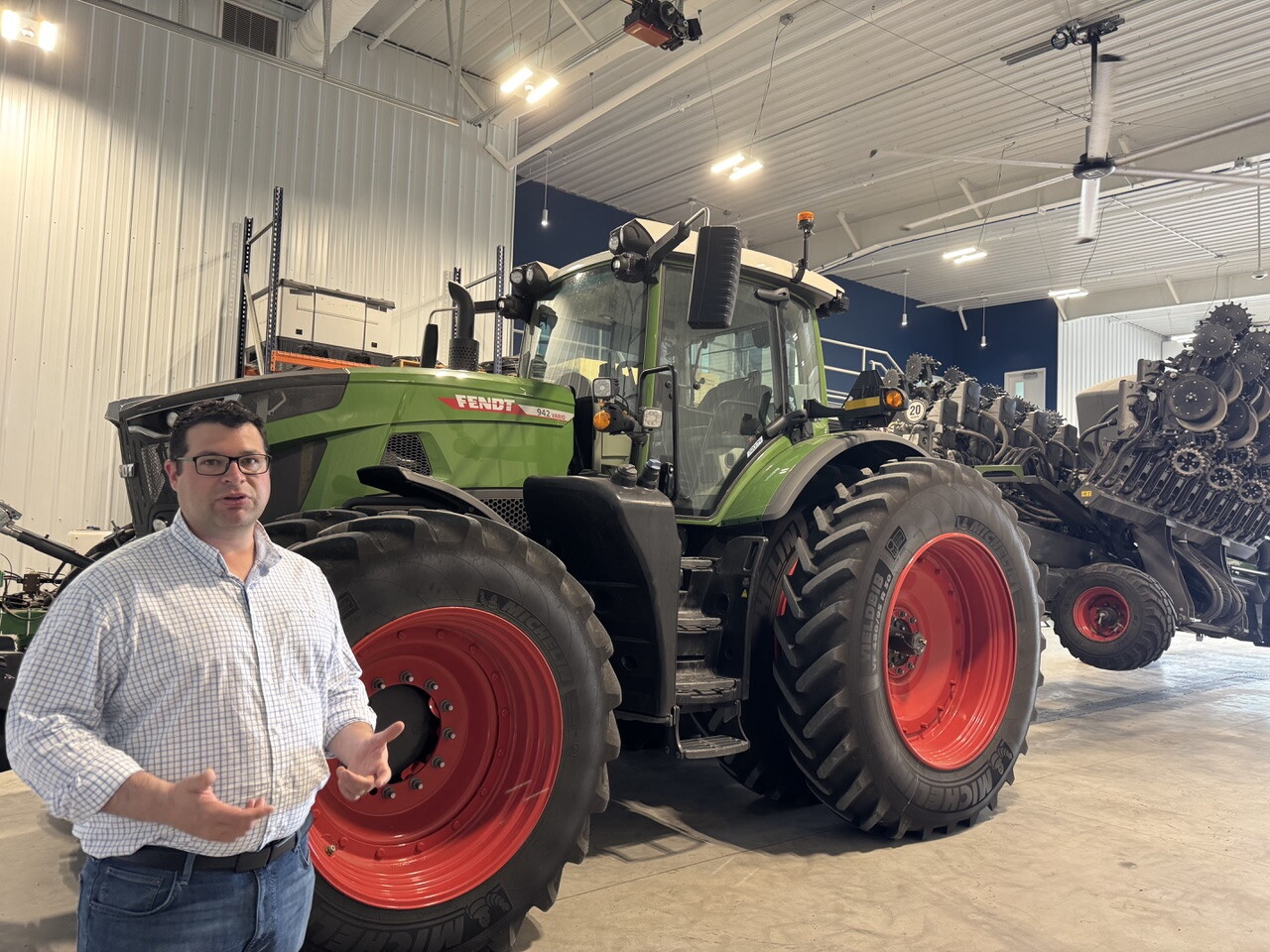
“Innovation has to start with listening,” says Dr. William Aderholdt, executive director of US-based agtech innovation hub Grand Farm.
Agriculture doesn’t need “innovation for its own sake” but practical tools “grounded in the conditions growers are actually working in,” he wrote in his introduction to the recent Upper Midwest Regional Agriculture Pain Point Report outlining farmers’ biggest challenges.
A greater understanding of those challenges—such as herbicide resistance and disease pressure—is critical to understanding which technologies should actually land in farmers’ hands. And according to Aderholdt, there’s a lot of “noise” nowadays that doesn’t relate to real challenges on the farm.
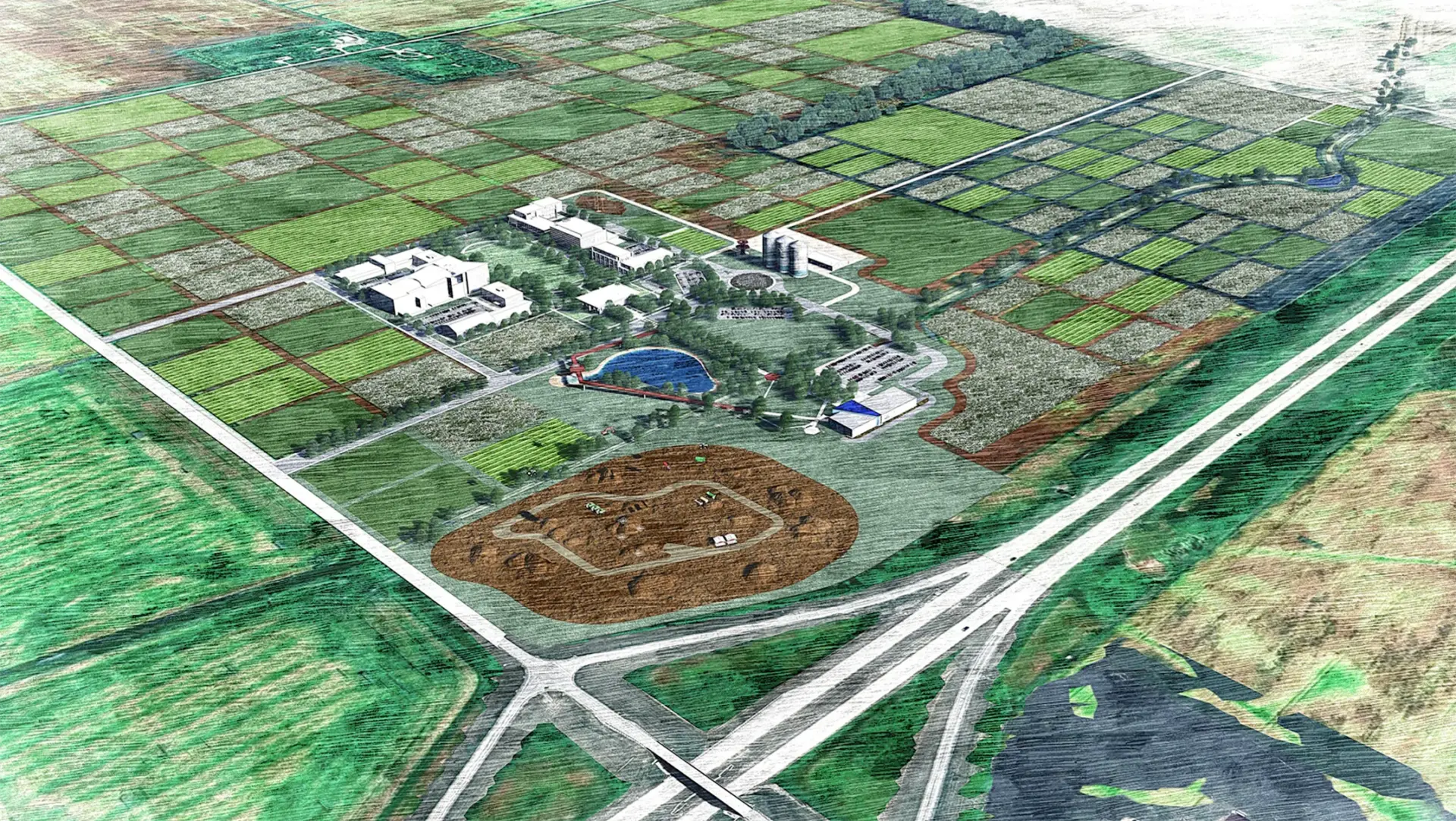
Grand Farm’s entire mission is about cutting through that noise by providing a space to validate the most appropriate technologies for agriculture. Its innovation campus in North Dakota spans nearly 600 acres of land on which companies can trial new technologies, access expertise, and connect with the wider agricultural industry.
Farmers’ top challenges in 2026
What farmers most need in terms of innovation is driven to a large degree by external factors, says Aderholdt.
As the recent Agriculture Pain Point report noted, “new technologies are emerging faster than the problems they aim to solve are clearly defined. Without a shared understanding of the challenges facing growers, innovation efforts can become fragmented or misaligned with on-farm realities.”
The top three challenges today are a decreased reliability of weed control due to herbicide resistance, late identification of pest and disease pressure limiting intervention, and excess soil moisture and poor drainage limiting access to fields.
Aderholdt notes that when Grand Farm began seven years ago, herbicide resistance was just another topic in agriculture. Now it is “almost every commodity organization’s top priority.”
Possible innovations to combat this encompass everything from traditional herbicides to robots and tractor implements, he adds.
“We’re seeing companies like large equipment manufacturers all come out with a version of how they’re going to use an implement to detect and destroy weeds.”
While this increases farmer investment, the severity of the problem nowadays allows for such a purchase to be “a reasonable business decision.”
Other top concerns are effectively matching nutrient needs to soil variations and labor, as well as rising input costs.
The latter has in turn pushed production costs to untenable levels for many farmers in the US; many are now seeking alternatives to fertilizers or ways to optimize existing fertilizers.
This, says Aderholdt, drives the need for either precision agriculture tools that allow for better management of fertilizer applications or even the development of tools that “optimize the ability for our plants to increase nutrients.”
Bringing ‘the right companies’ to agtech
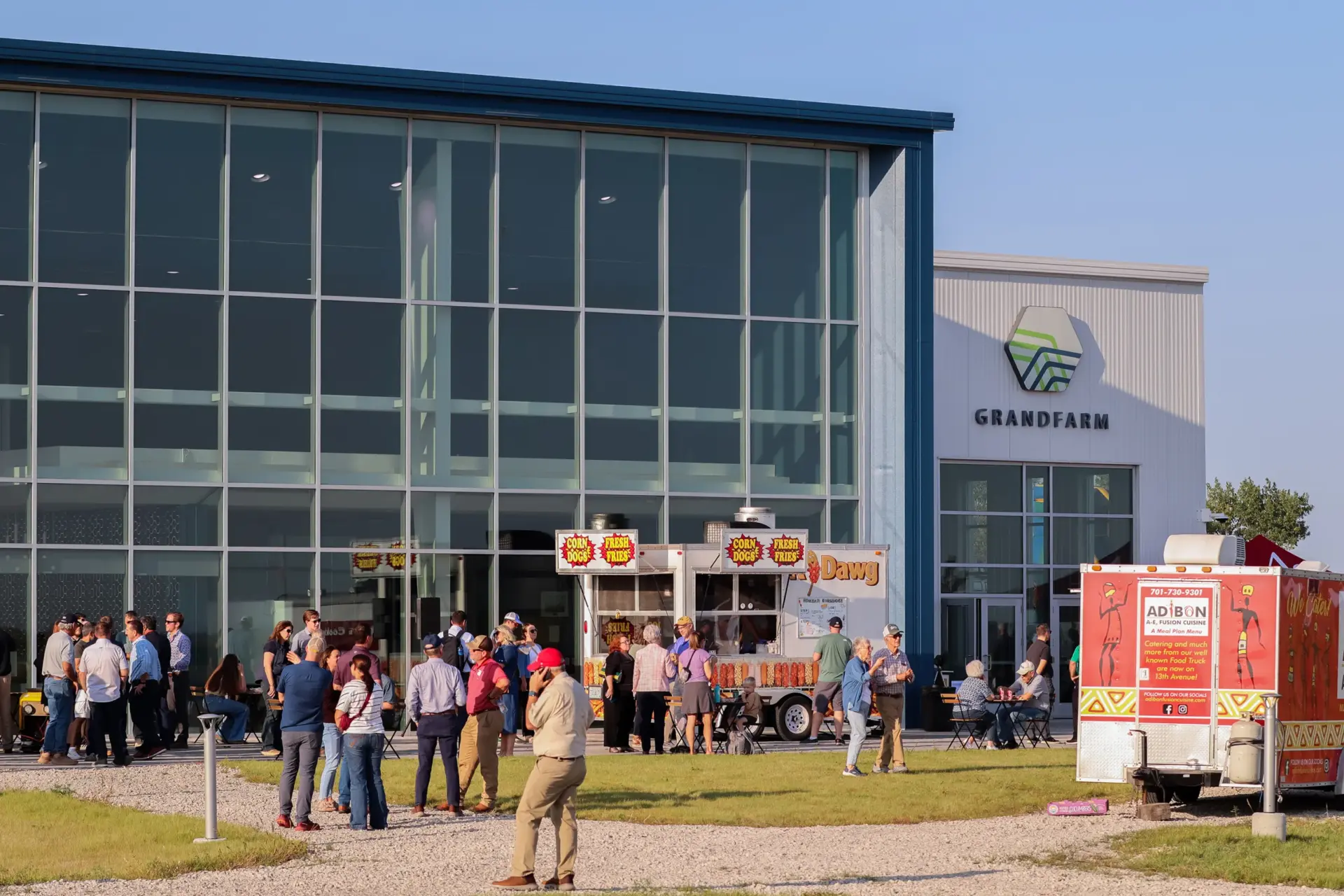
Grand Farm completed Phase I of its campus in 2024.
As anchor tenant, Precision Planting, a subsidiary of ag machinery manufacturer Agco, runs its Precision Technology Institute (PTI) North Dakota on 300 acres of the campus. Other partners in 2026 include a mix of major ag corporates (John Deere, ADM) and startups (Greenfield Robotics, Reform Bio).
Grand Farm also opened a second campus in Georgia in 2024 in partnership with the University of Georgia.
Activity is set to increase as Grand Farm rolls out Phase II of its North Dakota innovation campus, which will further deepen the organization’s capacity as a hub with onsite infrastructure that can support more research and field testing.
This year, it also became the national program manager for the USDA’s National Proving Grounds Network for AgTech. The program aims to make adoption more accessible of technologies that can lower input costs, improve input efficiency, and deploy automation in areas of the farm that most need it.
Grand Farm will host many of the pilots for this program, says Aderholdt.
“USDA manages a lot of the scientific authority around selecting challenges and the protocols necessary for testing [them] out. What Grand Farm is really good at is bringing in the right companies to these tests, whether it’s with our partners or with UGA, and then also being able to execute on those protocols in very complex environments.”
‘The age of the silver bullet’ in ag is gone
Earlier this week, Grand Farm wrapped its annual Elevate event, which explores the role of artificial intelligence in farming.
Like nearly every other industry, agriculture is currently inundated with “AI-based” offerings promising everything from yield increase to labor savings.
Aderholdt suggests the industry must be discerning when it comes to which technologies it actually uses.
“Farmers are now faced with a lot of noise, and there isn’t a strong way to validate what’s true, what is useful. I can go to ChatGPT or Claude and build my next ag web app overnight. That doesn’t mean it’s going to be good or useful.”
For AI to work in any farming context, it needs to be rooted in actual challenges the agricultural industry currently faces or may face in the future. Moreover, startups and farmers alike should see AI and other technologies as one tool in a larger system.
“The age of ‘the silver bullet’ in agriculture has gone away. We aren’t going to get an amazing trait that vastly increases yields overnight or increases profitability overnight.”
Instead, there’s a combined effort needed of many different parallel innovations, which may include a practice change or crop diversity, or it could include artificial intelligence, he says.
The startups most likely to be successful are those planning to be “part of the long haul of what agriculture can be.” That means working with the industry to create solutions, rather than simply trying to sell something.
“You hear about these startups that want to co-create and have been around five-plus years now and are gaining traction,” says Aderholdt. “A lot of that shared story is that they’re working with farmers and they want farmers to be involved in the innovation.”
The post Weed control, disease, and drainage are top pain points for farmers in 2026, says Grand Farm appeared first on AgFunderNews.