In response to AI’s rapid takeover of editorial imagery, Anna May and the team behind MISC magazine made something physical and human. Here’s why.
Most of us in the creative industries have spent this year complaining about AI in one form or another, whether that’s over a pint in the bar or in the comments online. What’s harder is doing something about it. But that’s exactly what fashion stylist Anna May and a small crew of photographers, makeup artists and an art director have done with MISC, a self-funded print magazine now on its second issue.
Anna’s day job sits across e-commerce and commercial styling; the kind of work that pays the bills but rarely leaves much room for creative risk. “That’s the reason why I started the magazine: I couldn’t be as creative as you can be when you’re doing commercial work,” she explains. “It’s a personal project, and it’s the same for the other creatives involved, because we all felt the same way while working together.”
The whole thing kicked off from a fairly random conversation. Anna was working with a makeup artist, who introduced her to an art director, who’d previously put together a magazine for a client. From there, MISC was born. When the team were brainstorming names, the art director saw a label on a box saying ‘misc’, and the title stuck.
Let’s do it
What’s striking about the new publication is how unstructured its founding was. There was no mission statement drafted in advance, no business strategy behind it. “We just thought: let’s do it,” recalls Anna. “It was simply about creating something and building a platform other creatives could join too.” That ethos extends to how the magazine is produced. “It’s entirely self-funded,” Anna adds. “We ask for favours, and everyone who contributes does it in their own time, for free.”
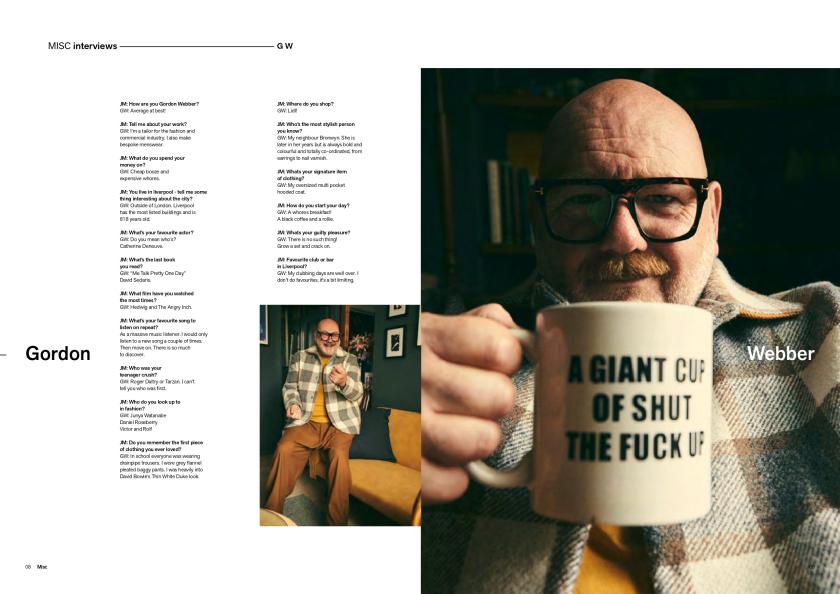
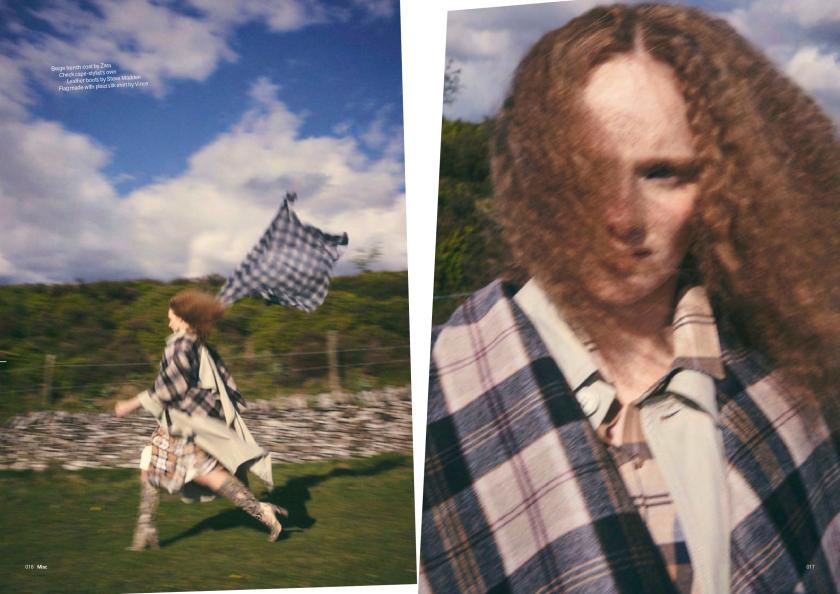
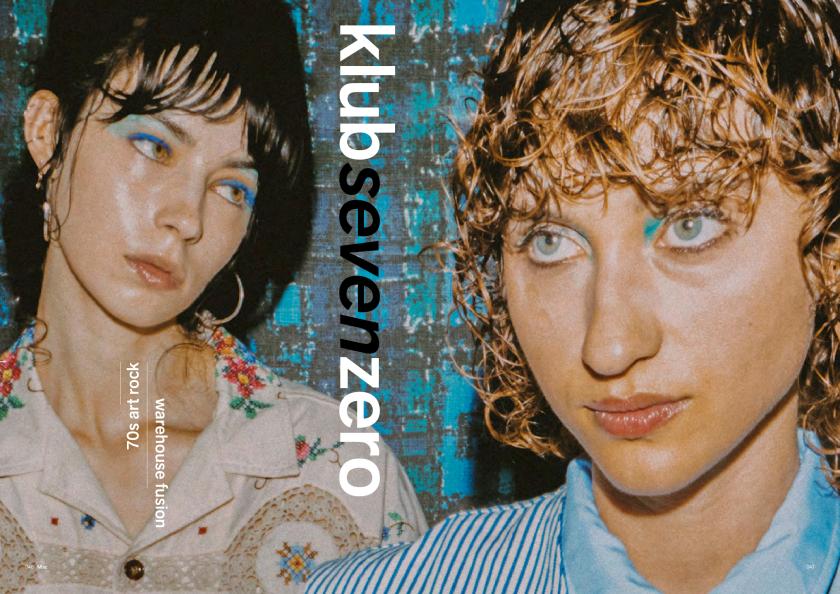
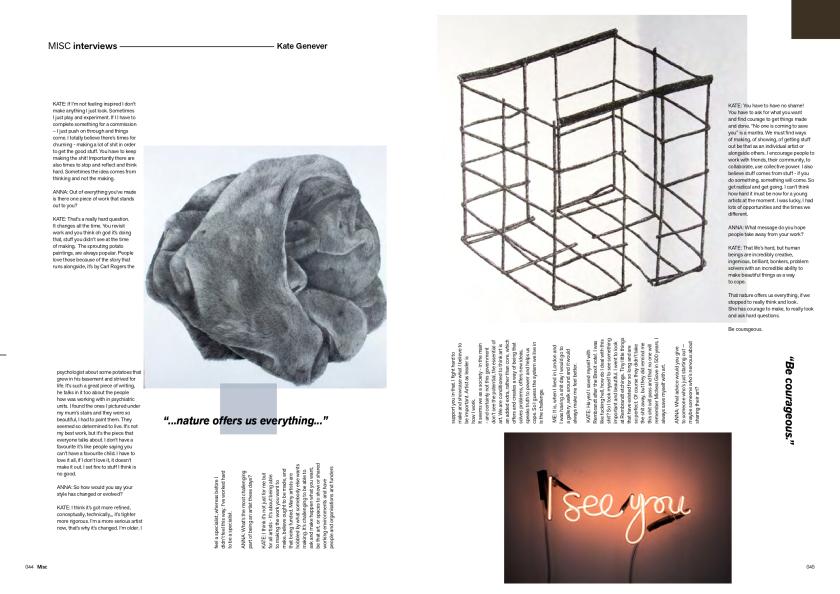
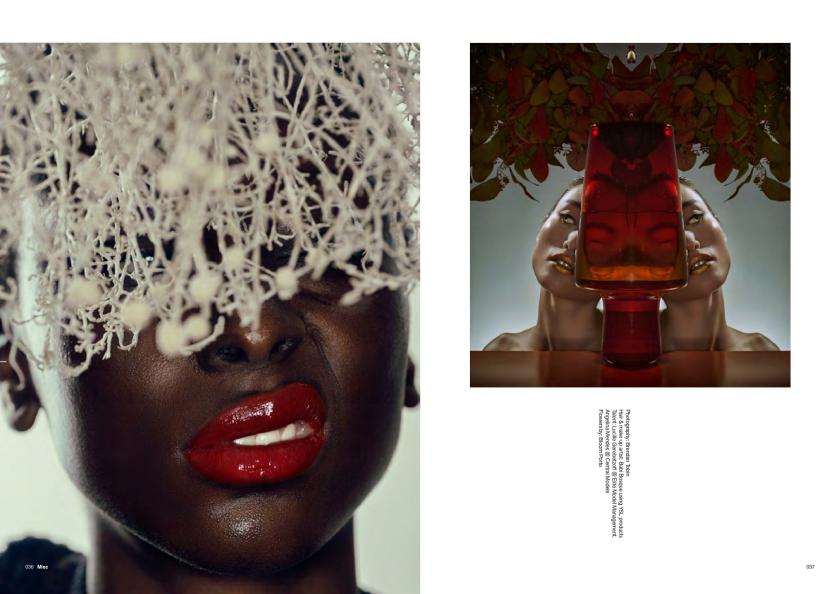
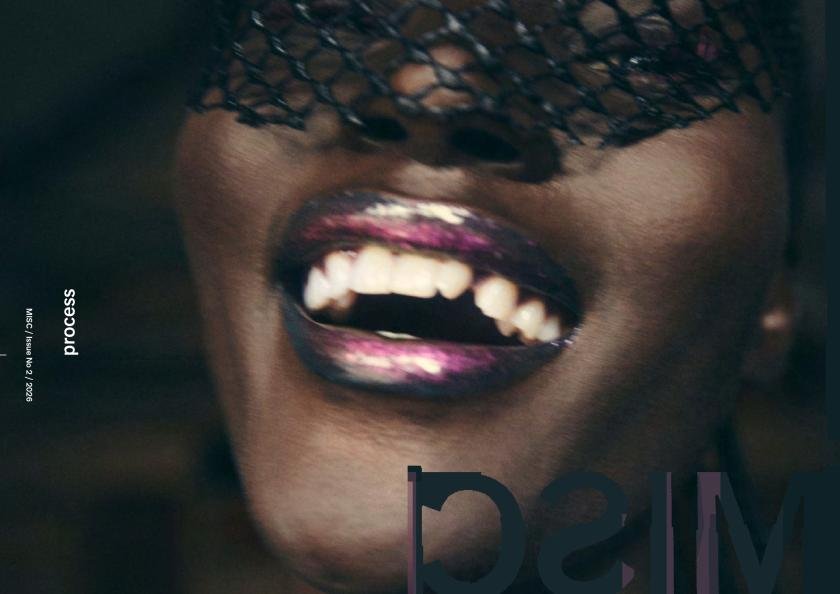
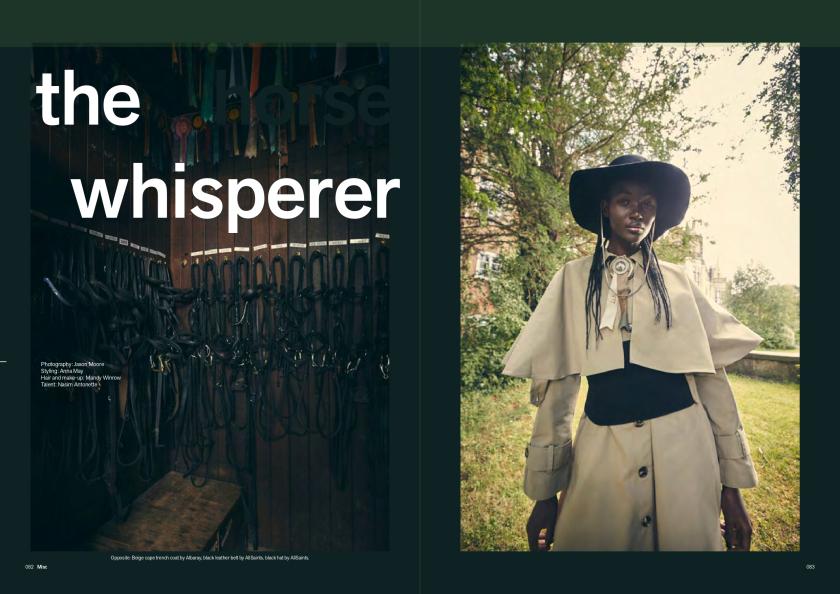
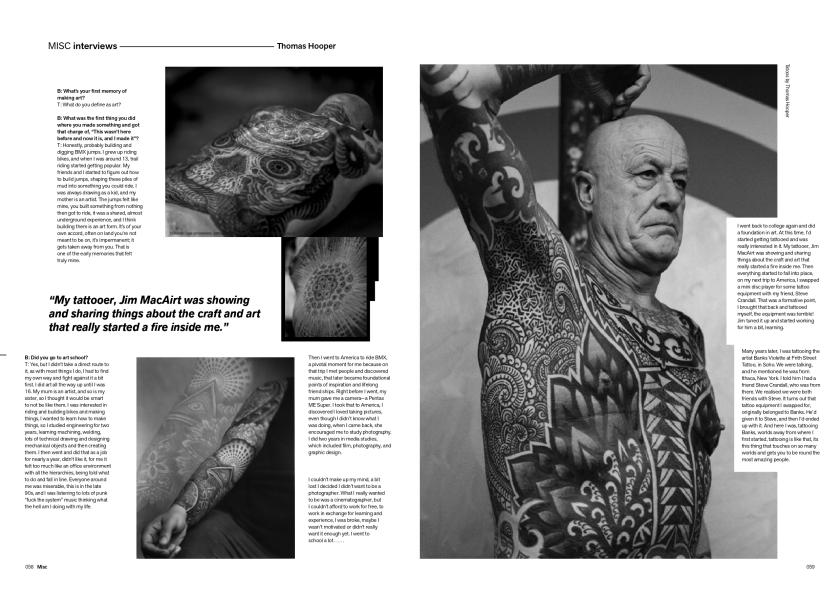
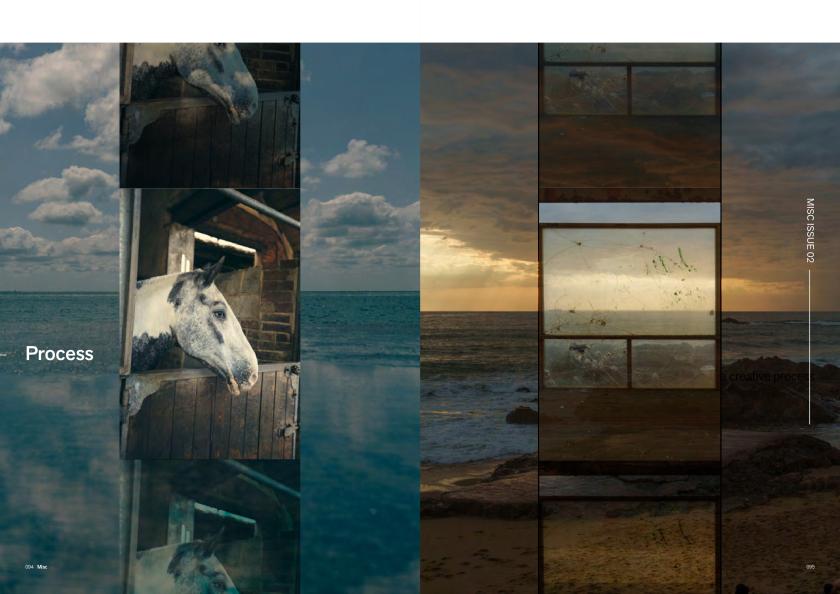
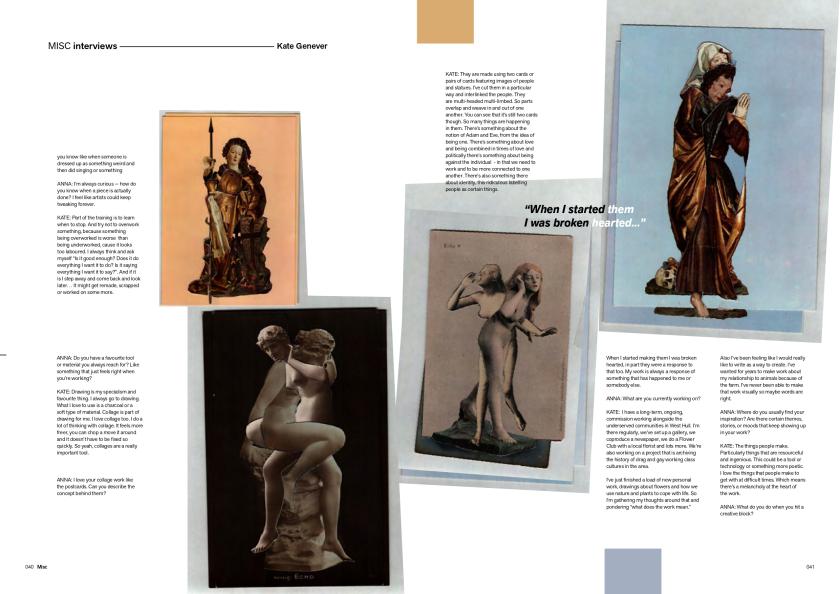
They’ve just released issue two, titled Process, which moves beyond fashion to bring in interviews with artists and makers from across the creative spectrum. These include tattoo artist Thomas Hooper, Lincolnshire-based artist Kate Genever and bespoke tailor Gordon Webber. “We never wanted it to be purely a fashion magazine,” Anna notes. “It’s really more about art in a broader sense.”
The most telling detail is that MISC was never meant to be a commercial product at all. “We were thrilled that Unitom decided to stock it,” says Anna (you can buy issue 2 here). “But selling the magazine was never really the intention.”
The original plan was simply to print copies and send them to producers and art directors whose work the team admired, partly as a reaction against how disposable digital images have become. “Everything feels like it’s about the screen now, and it’s all so instant,” she says. “You see an image, and within seconds you’ve moved on to the next one, without really taking it in. For us, it was purely about seeing our own work in print.”
Ironically, that low-key approach paid off in ways nobody expected. “I’ve actually picked up work from sending it out to art directors, which was never the intention,” Anna says.
The AI conversation
And this gets to the heart of why MISC matters right now. “AI is one of the main reasons everyone on the team wanted to do this,” says Anna. “We found it unsettling how quickly AI is being implemented across so many parts of our industry, and how fast it’s already taking roles away, especially in the e-commerce work that’s my bread and butter.
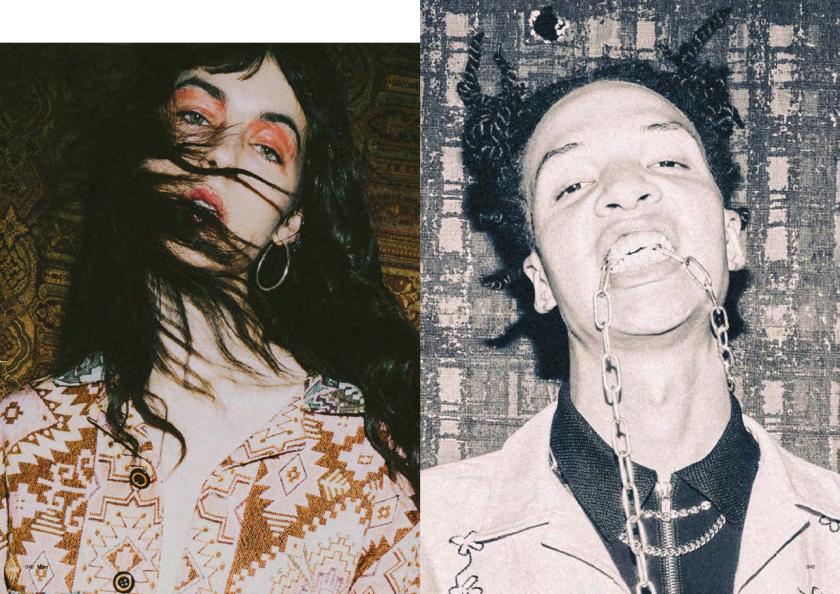
“I’m slowly losing clients because those images can now be generated quite easily through an AI app,” she continues. For Anna, MISC has become an answer to that unease. “Our project is really pushing back against that, saying that what we do is a joy,” she says. “I got into this work because I love photography and fashion, so it feels strange that robots are suddenly being used to create imagery. I never thought it would happen this quickly.”
It’s a sentiment that will resonate with plenty of creatives who are watching the same shift unfold in their own corner of the industry. MISC doesn’t offer a solution to that anxiety. But it does offer proof that a small, unfunded, joyfully chaotic alternative is still possible. People making things together, in print, on their own time, simply because they want to.