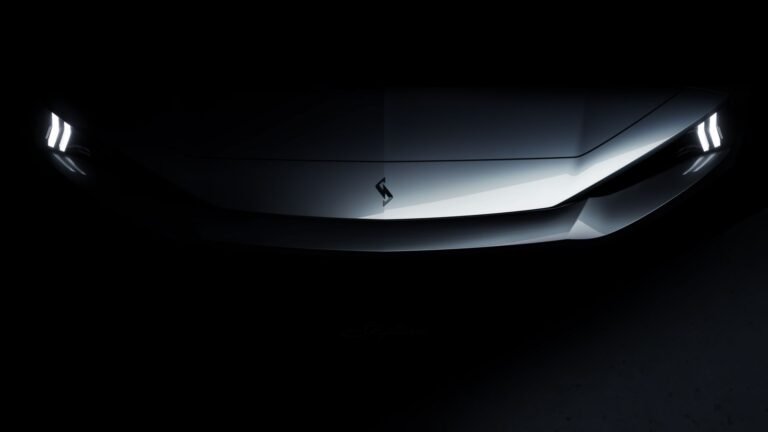
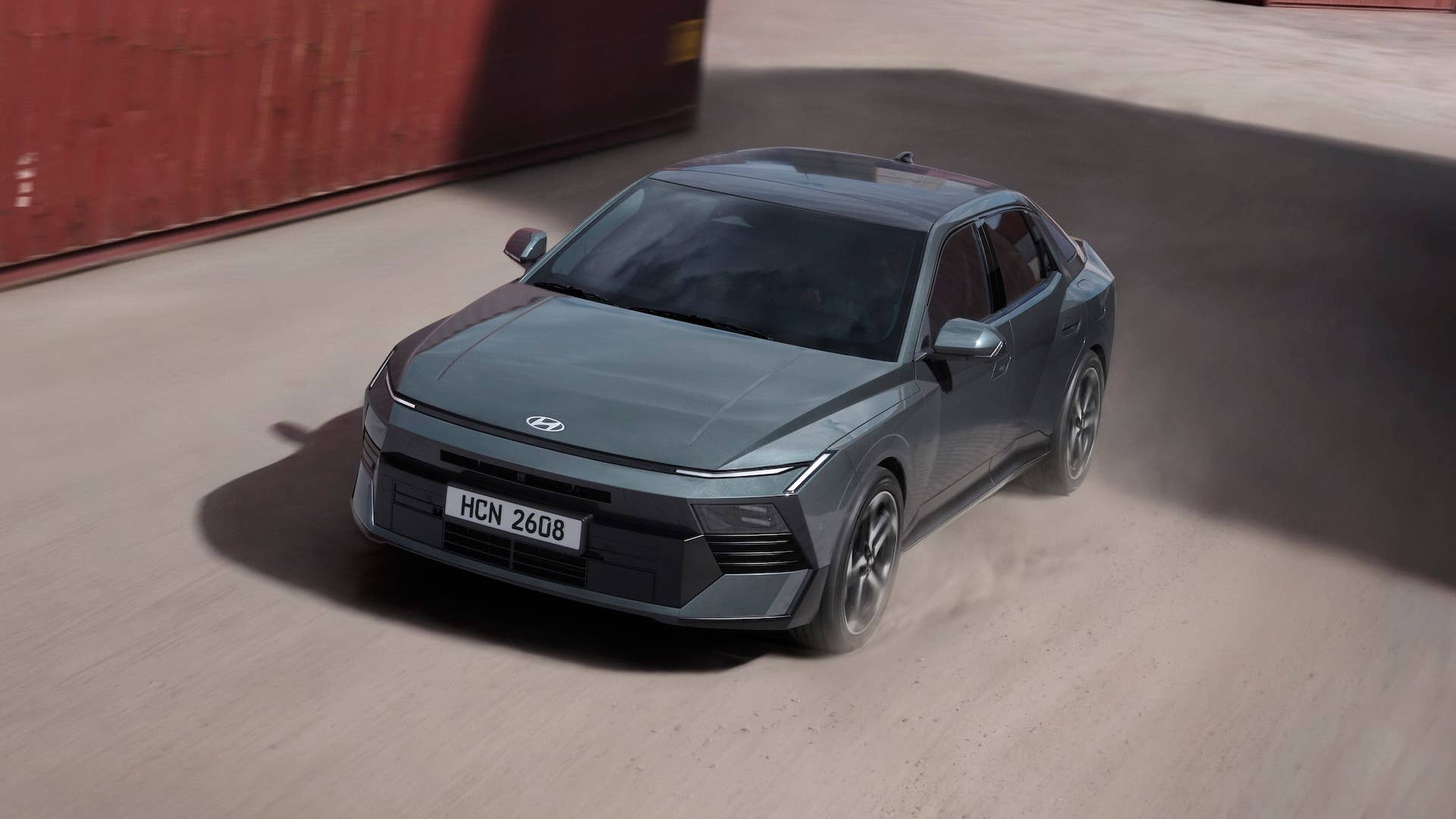
As the redesigned 2027 Elantra prepares to hit showrooms, its sweeping, coupe-like roofline immediately begs an obvious question: why not give it a practical liftback instead of a traditional trunk? With Hyundai doubling down on sedans, it turns out designers actually explored that exact route. Going back to March 2023, the team seriously envisioned a fastback shape with a full rear hatch.
Interestingly, a liftback was not the only alternative on the drawing board. Hyundai’s design team also kicked around the idea of a station wagon variant, though a shorter five-door hatchback like the discontinued Elantra GT was never on the table. Ultimately, however, practical engineering realities forced the brand to stick with a conventional three-box trunk.
Hyundai
Headroom, Weight, And Budget Reality
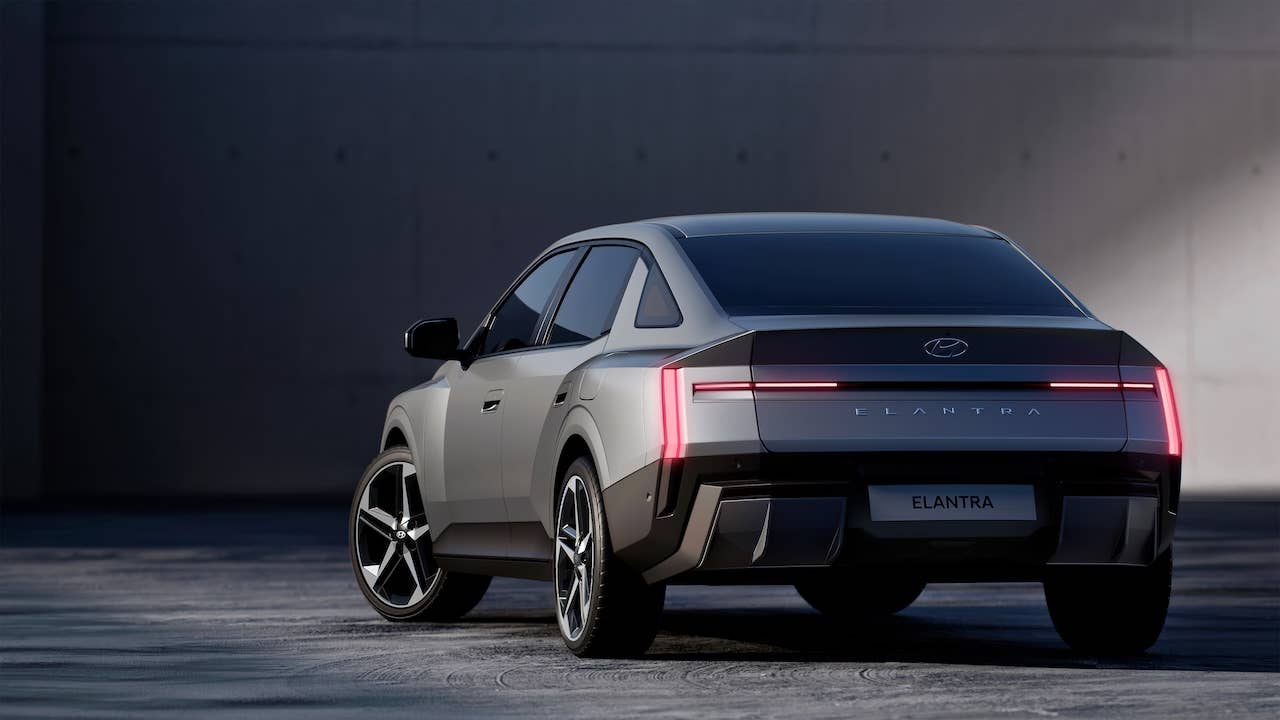
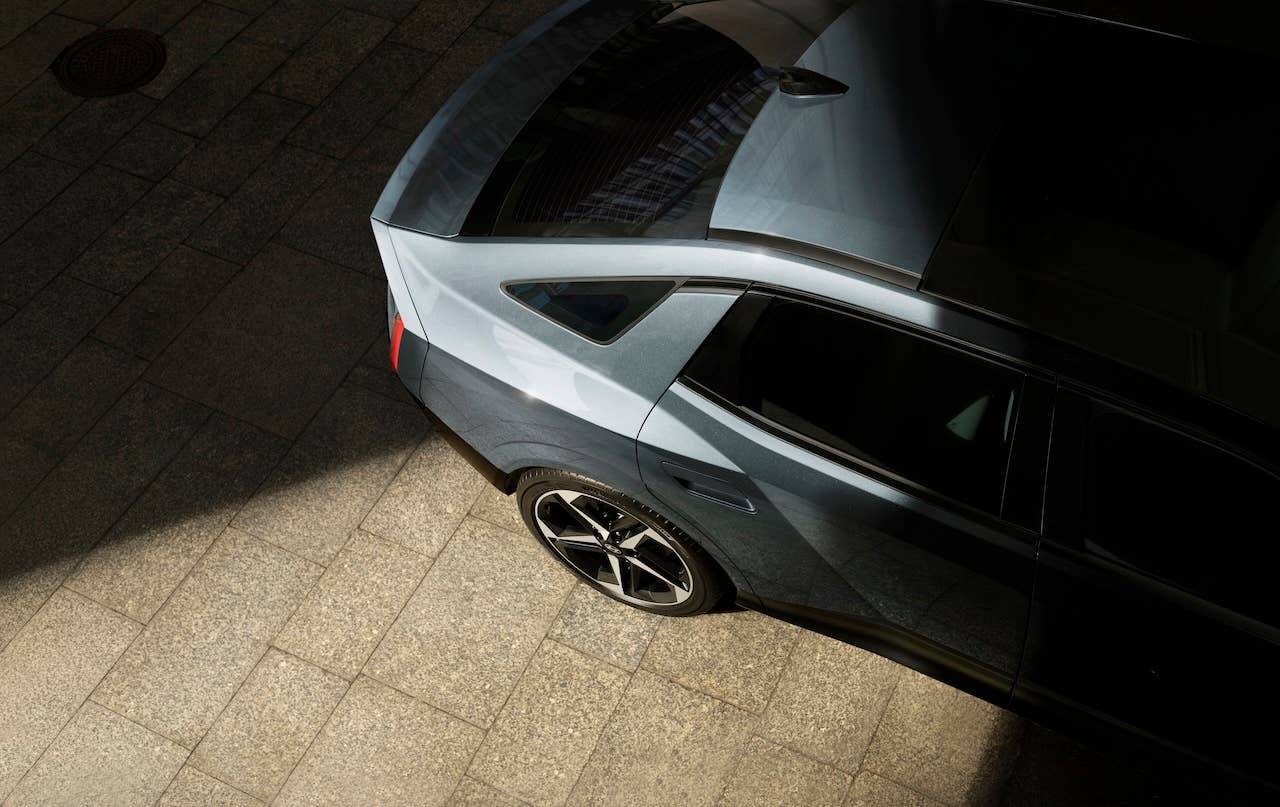
In an interview with CarBuzz, Hyundai Design Center head Simon Loasby explained that extending a tailgate opening all the way to the roof comes with severe packaging compromises. Heavy hatch hinges encroach directly on the cabin, killing rear headroom for passengers sitting three across. Because Hyundai prioritized interior space on the new Elantra, keeping a fixed rear deck allowed engineers to maximize rear legroom, headroom, and shoulder room. Designers still managed to deliver a wider-than-expected trunk opening, using clever black trim to create the visual illusion of extended fastback glass.
Cutting a massive hole in the back of the chassis also triggers a cascade of hidden penalties. To maintain structural rigidity, engineers would have needed extra chassis reinforcement, beefier hinges to support the heavy metal-and-glass hatch, and additional sound deadening to combat road noise and sealing vibrations. Every one of those fixes adds weight and drives up manufacturing expenses, a tough pill to swallow for a compact car expected to start under $25,000.
Hyundai
Affordability Wins Over Niche Appeal
Enthusiasts will naturally mourn the loss of a liftback or a sleek Elantra wagon, especially when practicality is so easy to love on paper. Still, Loasby’s reasoning makes complete sense in today’s market. With SUV buyers returning to sedans largely in search of relief from inflated sticker prices, protecting the Elantra’s sub-$25,000 entry point is far more important than chasing a niche body style.
Keeping the rear structure stiff, light, and quiet pays off for more than just budget-conscious commuters, too. A rigid, conventional sedan chassis also provides a stronger foundation for the upcoming next-generation Elantra N, ensuring performance fans still get a sharp, engaging machine when it arrives.
Hyundai