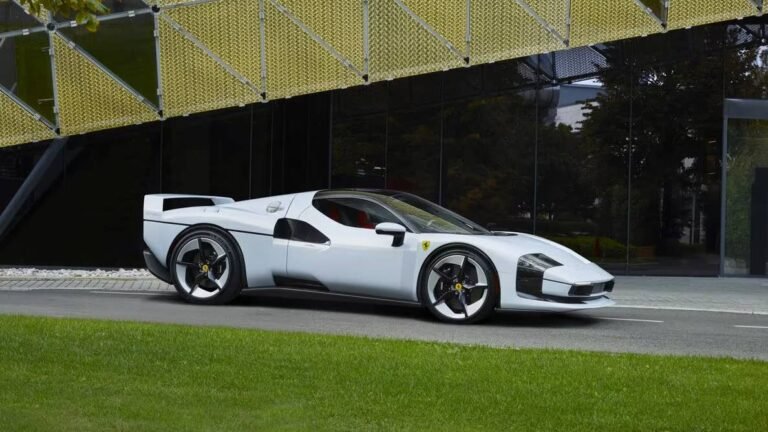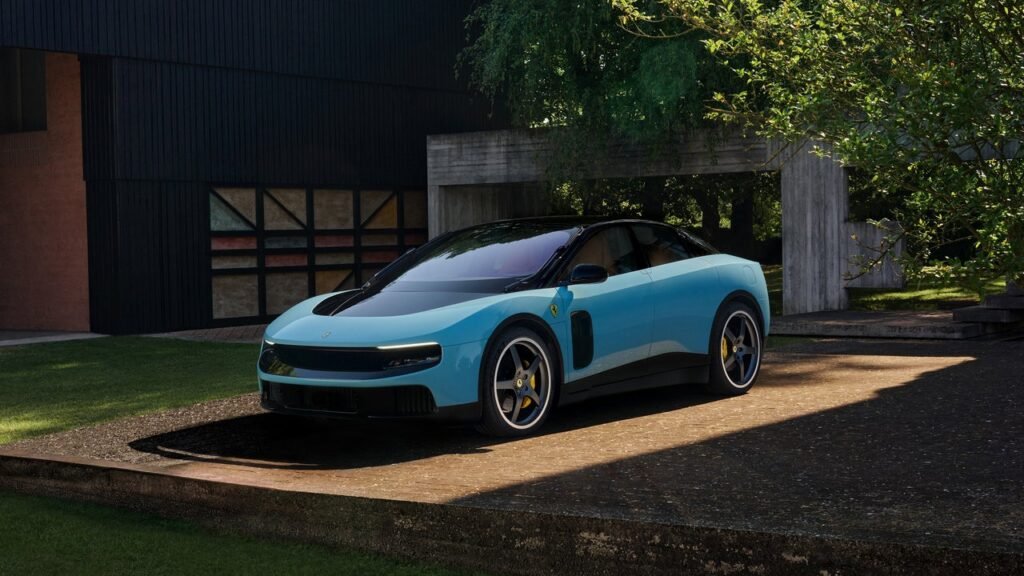
Ferrari’s first-ever all-electric vehicle, the Ferrari Luce, was designed to look “entirely new,” the company says, and so far the reaction to the new EV has been polarized.
Shares of the Italian luxury automaker fell in premarket trading Tuesday after Ferrari unveiled the car named after the Italian word for “light” on the anniversary of its first Rome Grand Prix victory.
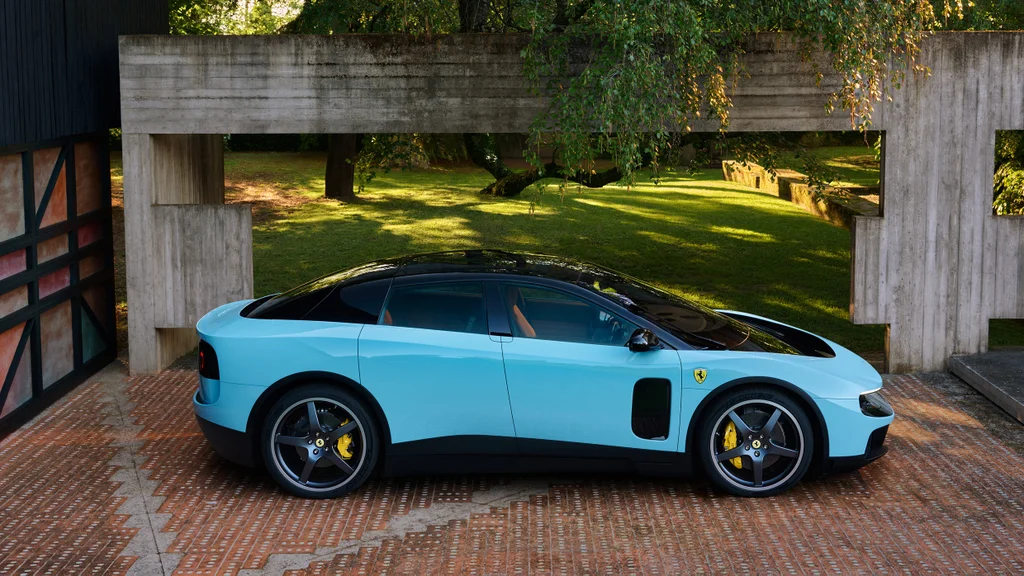
The Luce, expected to sell for about $640,000, was designed by former Apple chief design officer Jony Ive and Marc Newson through their design collective LoveFrom.
Online, people expressed their disappointment. The Luce doesn’t look like Ferarri, some complained, suggesting it has the sleek, compact, and rounded forms of an iPad rather than the automaker’s traditional sports car look of angular, aerodynamic forms.
On Reddit, users called the Luce “awful,” and compared it to Waymo. Car & Driver commenters didn’t think it has Ferrari DNA. X users called it a “beautiful ugly car” and asked if it was available on Temu, or designed by Hot Wheels.
In a statement, Ive explained that the car’s electric drive train allows for a “radically new architecture,” adding that it encouraged a spaciousness that most sports cars cannot afford.
“The design approach was driven by a determination to explore, exploit and celebrate the unprecedented opportunities afforded by a new power source,” Ive said. “While inspired by this extraordinary opportunity, we were mindful of the challenges of moving beyond the visceral engagement and soulful engine noise of the past.”
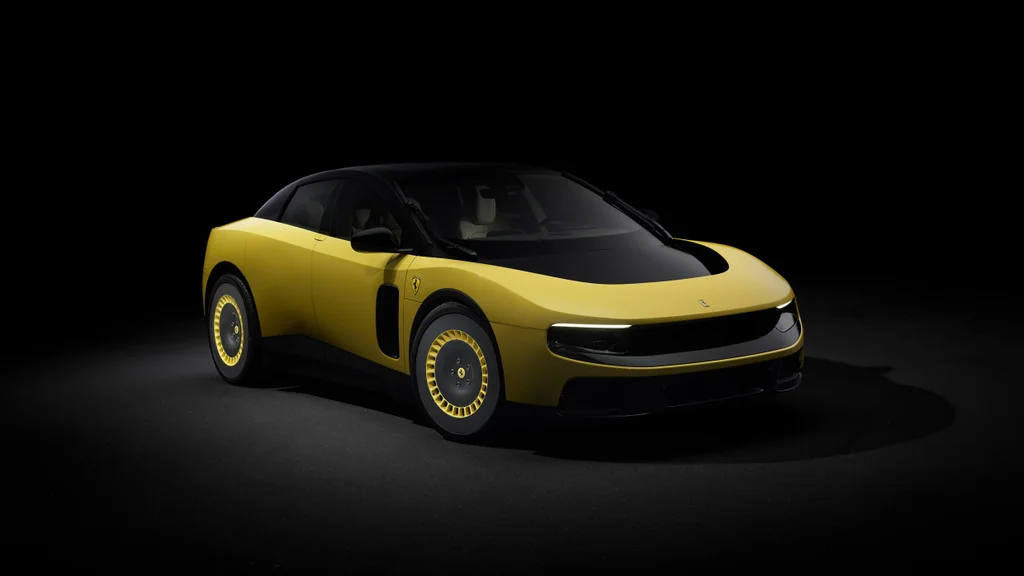
The EV has more than 60 new patents, and it could be the closest thing we get to an “Apple car” after Apple dropped its EV project in 2024. Its shell-like form is reminiscent of a computer mouse, as if the whole top is a multi-touch trackpad you can click.
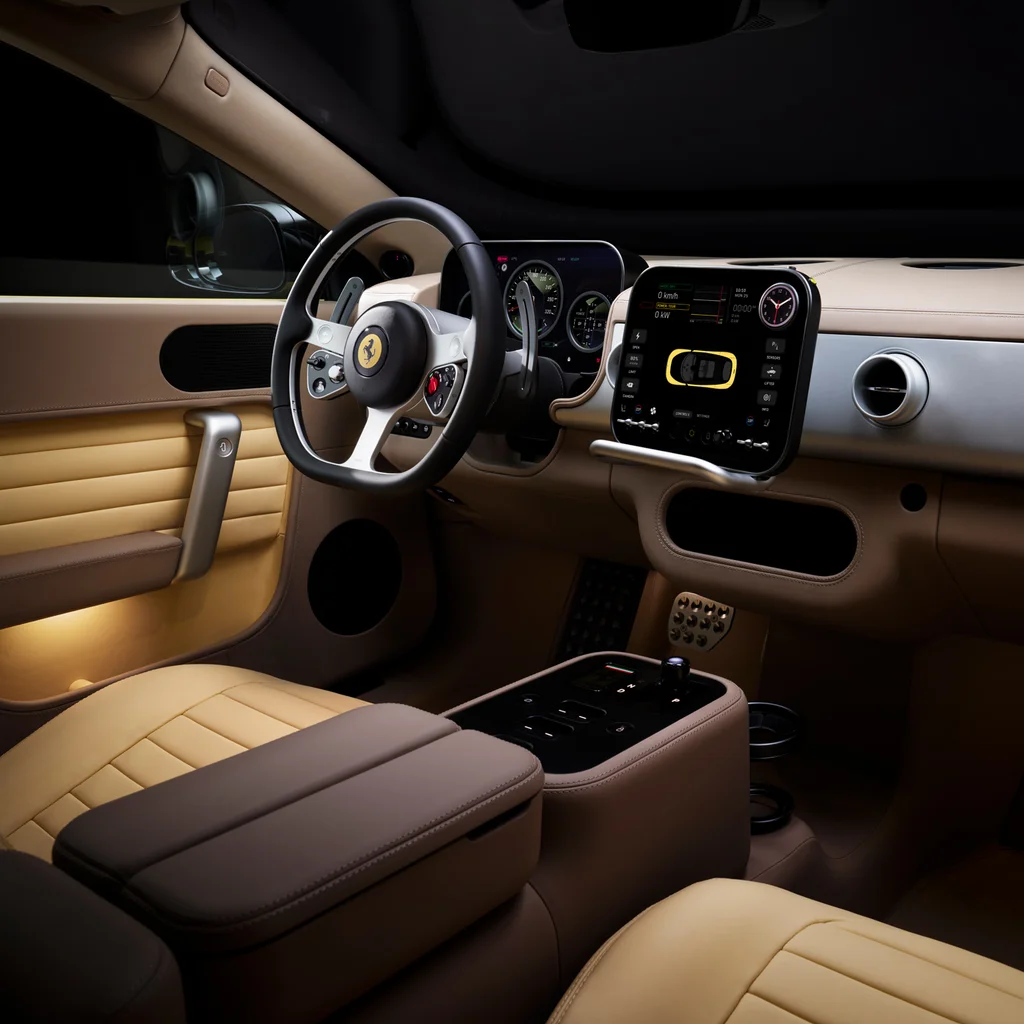
The exterior design is built on the concept of a glass house with a light and airy interior. The interior lighting effects, meanwhile, are dynamic and futuristic: front and rear lights are transparent and slowly recede after the car is switched off. After docking the key, Ferrari yellow glows from the key to across the interface.
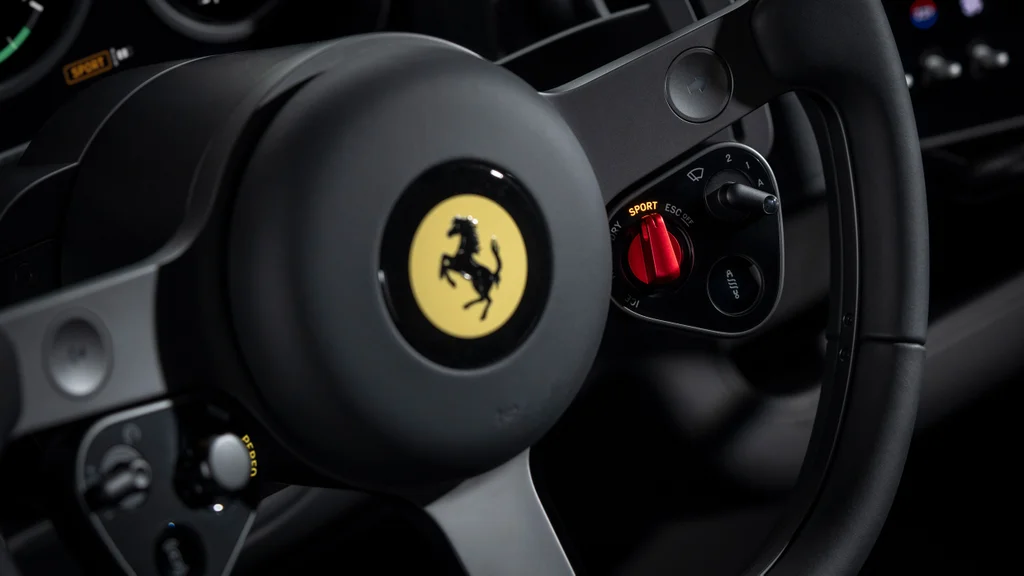
While much of the Luce looks and feels like a computer, the physical controls give the interior of the car an elevated analog interface with knobs, switches, and buttons that make operating it a physical, tactile experience instead of just tapping on a iPhone screen.
“We really wanted every part, every component, to be designed as an individual product. So it’s like dozens and dozens of cameras and watches,” Ive told Fast Company earlier this year when Ferrari previewed the EV’s steering wheel, center console, seat, and dashboard components.
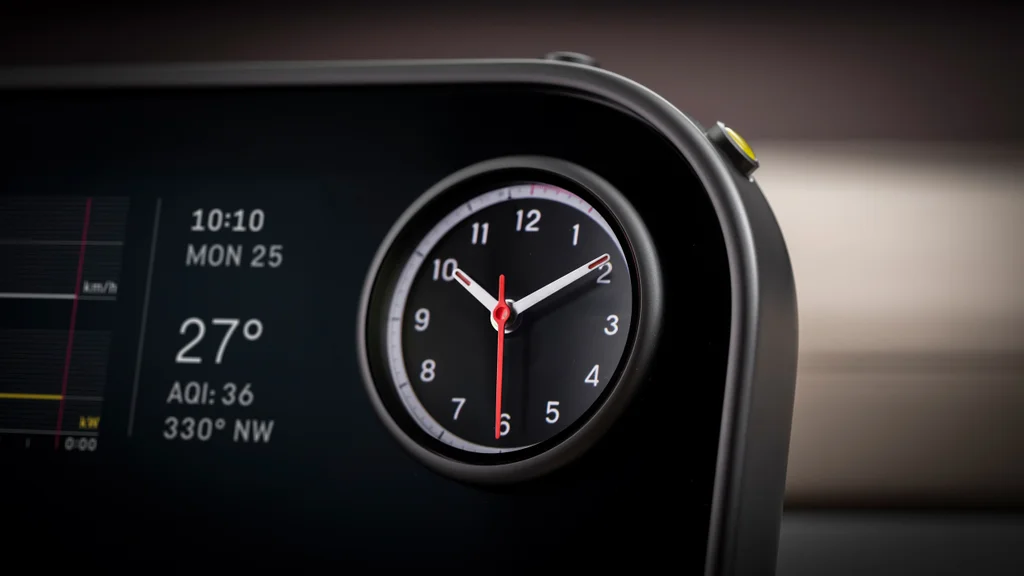
The negative initial response to the Ferrari Luce is par for the course when it comes to automakers rethinking what a car and car brand should look like as they adapt for EVs. But that’s exactly what Ferrari was going for by tapping outside designers to bring a new perspective and design language to the project.
The Luce “lights the way towards the future,” the company said in a statement, “not merely the ‘electric Ferrari’ but an entirely new Ferrari.”
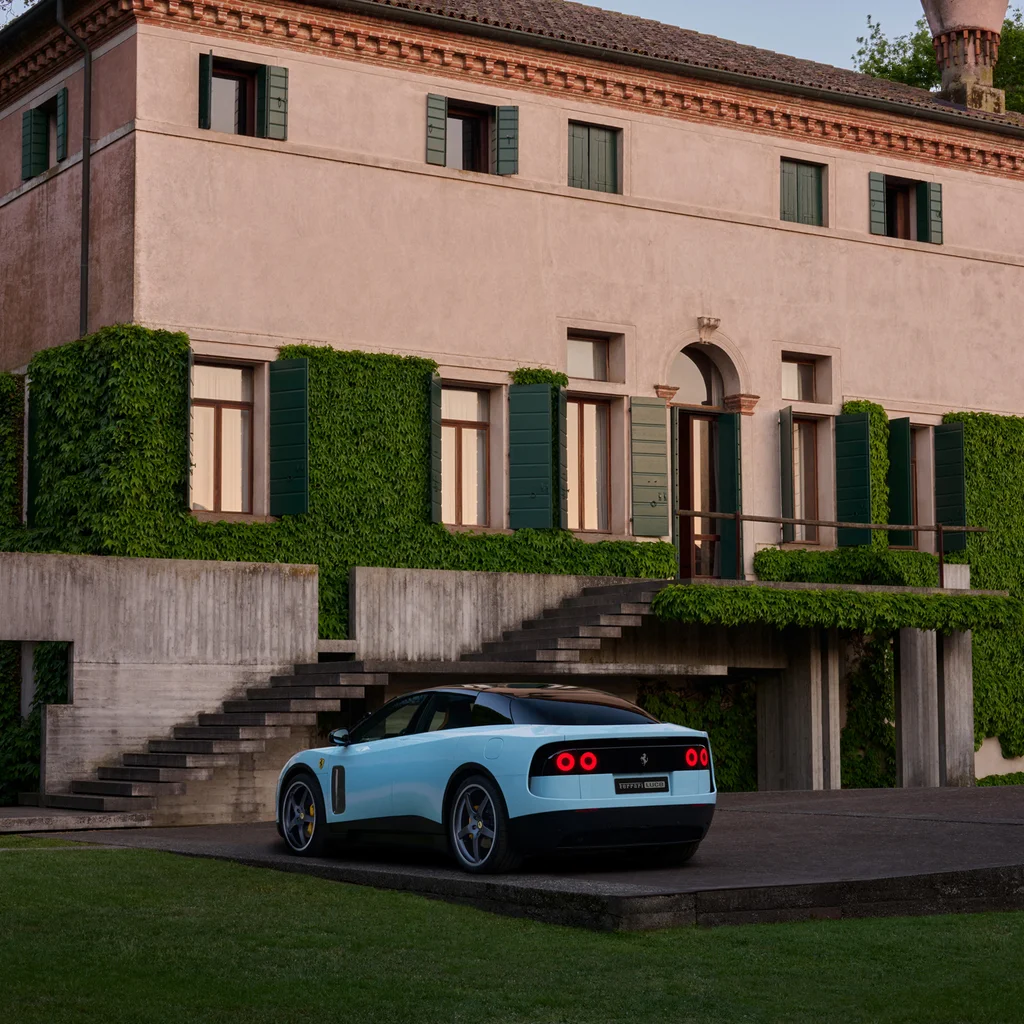
Priced as high as it is, Ferrari doesn’t really need to convince the wider public to like its new car to actually sell it. There’s only a limited number of customers who can afford an EV that’s more expensive than the U.S. median home sale price. By designing something bold and new, Ferrari hopes to cater to buyers who can afford a car that doesn’t look like anything else out there.