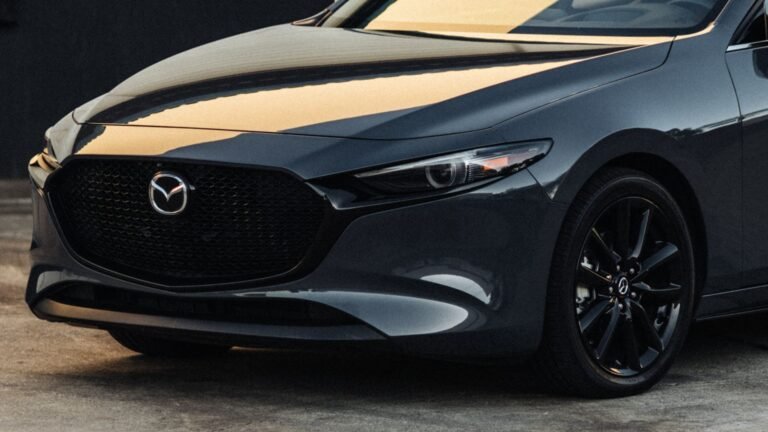
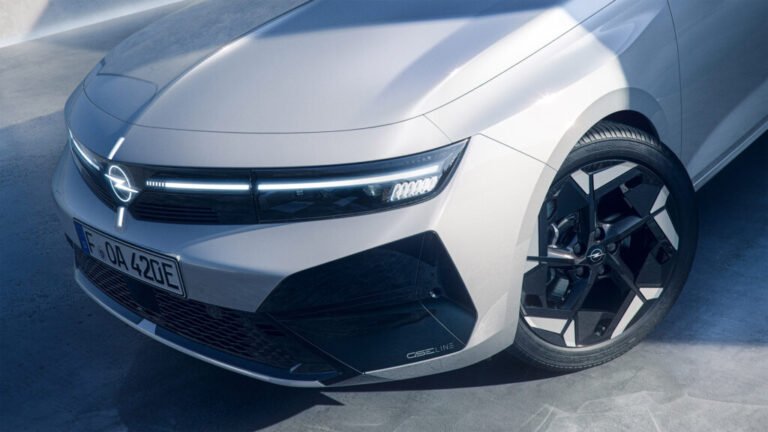
Europe’s foremost vehicle safety organisation, Euro NCAP, functions much like America’s NHTSA and IIHS, which independently crash tests new cars and rates them on a scale of one to five stars so buyers know what they’re actually getting into. Euro NCAP technical director Richard Schram told Drive that some brands are deliberately targeting fewer than five stars to keep costs down. The clearest example he gave was Dacia, a budget-focused brand that clearly doesn’t aim for five stars. Instead, it targets around three stars, wanting to remain competitive at the affordable end of the market. The point Euro NCAP is trying to make is not that these companies can’t hit the top mark. It’s that hitting a 5-star safety rating doesn’t fit the price point they’re selling at.
Dacia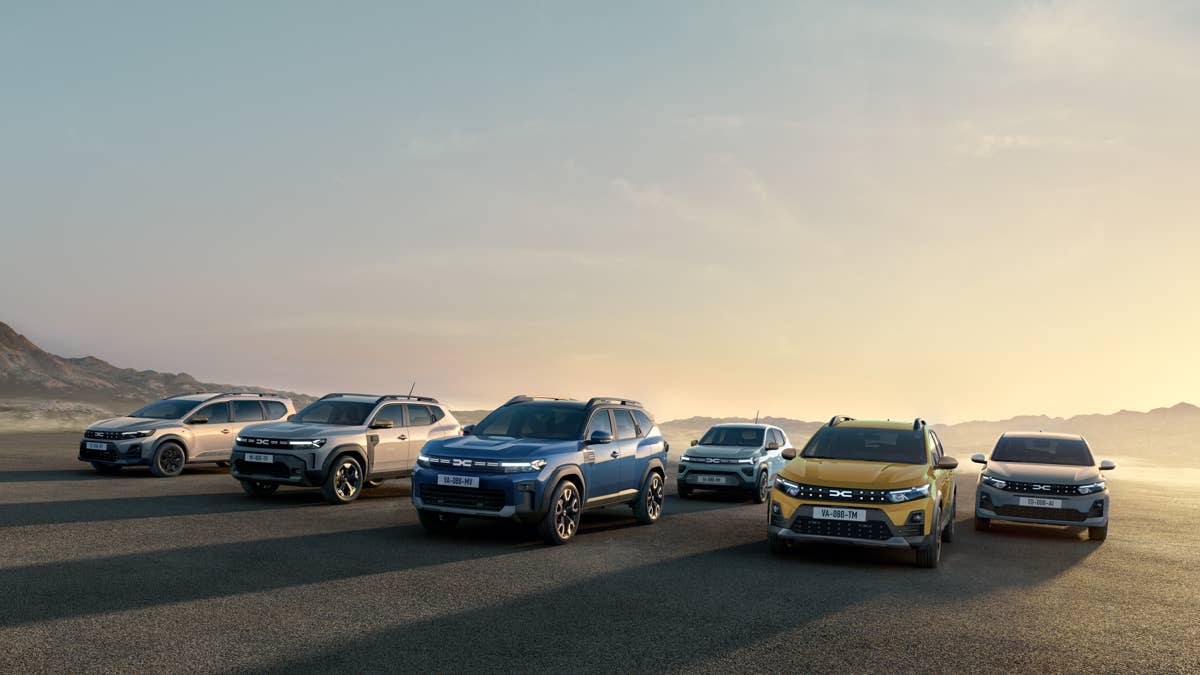
Safety as an Upgrade, Not a Standard
The uncomfortable truth buried in all this is how it fits into the automotive industry’s favourite habit of tiered trim levels. Euro NCAP has highlighted the growing use of dual ratings, where certain vehicles achieve different safety scores depending on the trim level or optional safety pack fitted. Honda and Kia follow this approach, with the Honda HR-V and CR-V only achieving five-star scores in higher-spec configurations, while the Kia K4 received a four-star rating in its base form.
Features that can genuinely save lives, such as advanced collision avoidance, extra radar sensors, and smarter lane assist, are locked behind the paywall of higher-spec variants. Meanwhile, Euro NCAP secretary general Dr Michiel van Ratingen pushed back on the idea that safety technology is what’s making new cars expensive, arguing that there are five-star vehicles available in every segment for buyers who want them.
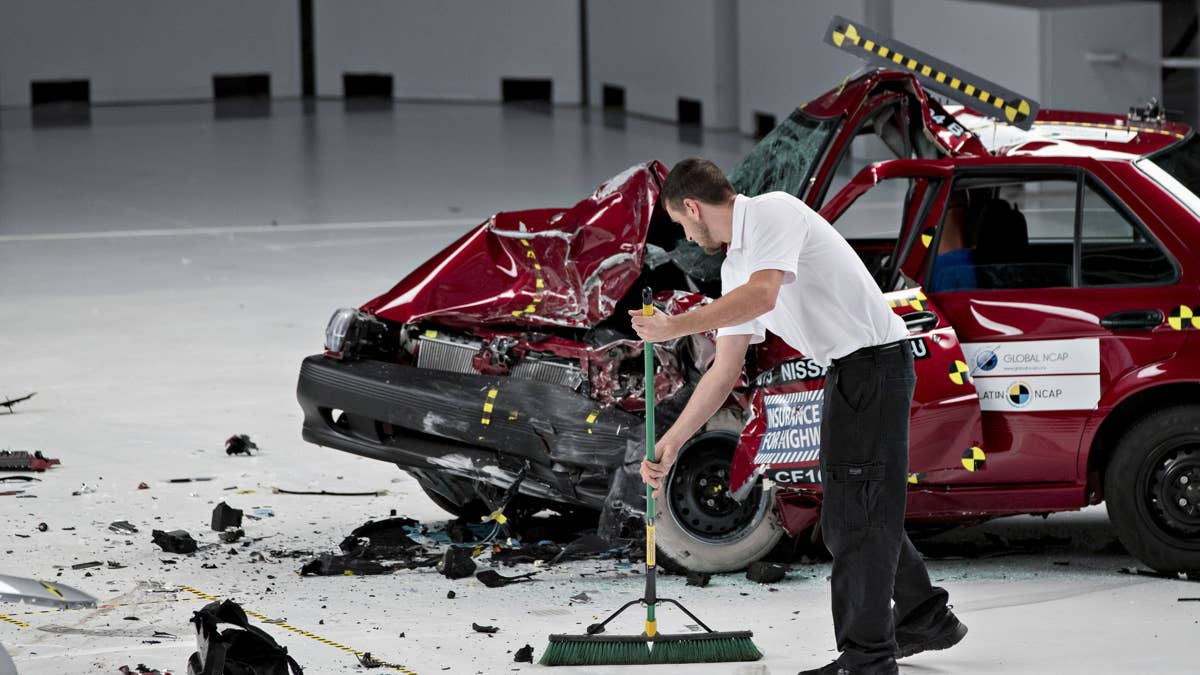
Who Actually Pays the Price
This pattern holds true even in the American market. Vehicles priced around $17,000–$20,000, like some Mitsubishi and Nissanentry-level models, often carry fewer advanced driver-assist features in base trim than their higher-spec siblings costing several thousand dollars more. The gap isn’t always dramatic in crash test numbers, but the gap in crash avoidance technology can be significant.
Which raises the real question. Should the minimum legal standard for selling a car also be the minimum safety standard a buyer can afford? As new car prices hit $50,000 on average, the people buying at the bottom of the market are already paying more than they can comfortably afford. Asking them to pay even more for safety isn’t democratising anything. In the end, just who ends up paying for better standards of road safety — actual car buyers or automakers themselves?