If you’re wondering ‘why visit Bulgaria’, the better question might be ‘why isn’t everyone talking about it’? One minute you’re hiking through rugged mountain landscapes, the next you’re wandering through a centuries-old monastery, exploring an ancient city, or eating your way around a buzzing local market. Add a long stretch of Black Sea coastline, fascinating history, excellent wine, and seriously good-value food, and you’ve got a country that packs a lot of Europe into one trip.
It doesn’t need to compete with Italy, Greece or Croatia; Bulgaria’s appeal is doing things its own way, with fewer crowds, plenty of character, and lots of room to make the trip your own. Come for the mountains, stay for the monasteries and beaches, and leave wondering why you didn’t visit sooner.
The best places to visit in Bulgaria
Bulgaria packs a remarkable amount into a relatively small country, from ancient cities and mountain monasteries to wild landscapes and a wonderfully laid-back Black Sea coast. Whether you’re here for history, hiking, beaches, or simply very good food, these are the places worth putting on your itinerary.
Sofia: Bulgaria’s energetic capital

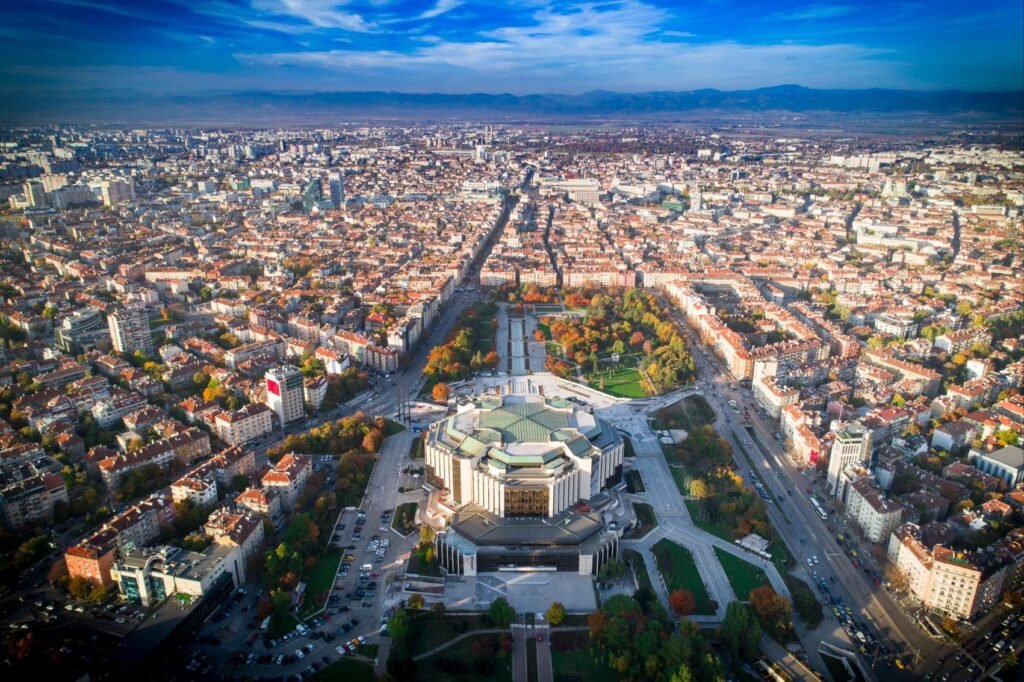
Sofia has been around for thousands of years, and it’s got the layers to prove it. Roman ruins and Orthodox churches rub shoulders with Ottoman-era buildings, cool cafés, and lively bars, while the enormous gold-domed Alexander Nevsky Cathedral brings some serious architectural drama. Head underground to explore the remains of ancient Serdica, browse the markets, then swap city streets for hiking trails on nearby Vitosha Mountain. Few European capitals let you go from Roman ruins to mountain views quite so easily, and still get you back in time for dinner.
Plovdiv: ancient ruins and colourful old streets
Plovdiv wears its history well. One of Europe’s oldest continuously inhabited cities, it mixes Roman ruins, Ottoman-era mansions, and cobbled streets with street art, independent galleries, and a café scene that practically begs for a long afternoon. Catch a performance at the remarkably well-preserved Roman theatre, wander past the colourful houses of the Old Town, then head to the creative Kapana district for dinner and drinks. History lesson? Technically. But with considerably better cocktails.
Rila Monastery: Bulgaria’s spiritual heart

Hidden among the forested peaks of the Rila Mountains, Rila Monastery looks like someone decided a place of worship could also use a little razzle-dazzle. Founded in the 10th century, its striped arches, domed church, and vividly painted frescoes make it one of Bulgaria’s most spectacular sights. Step inside to admire the intricate religious artwork, then take some time to explore the peaceful mountain surroundings. Even if monasteries aren’t usually your thing, this one might change your mind.
Veliko Tarnovo: Bulgaria’s medieval capital
Veliko Tarnovo doesn’t believe in subtle scenery. Built across steep hills above the winding Yantra River, Bulgaria’s former medieval capital is a maze of traditional houses, cobbled streets, and panoramic viewpoints. The star attraction is Tsarevets Fortress, a sprawling hilltop stronghold that was once the seat of Bulgarian tsars. Climb to the top for sweeping views across the city, then reward your efforts with dinner overlooking the river. Medieval sightseeing works up an appetite, after all.
The Black Sea Coast: beaches beyond the big resorts

Forget everything you think you know about Bulgaria’s beach resorts. There’s much more to the Black Sea coast than sun loungers and all-inclusive wristbands. Varna combines sandy beaches with museums, restaurants, and plenty of city energy, while UNESCO-listed Nessebar squeezes centuries of history onto a tiny peninsula. Further south, Sozopol turns the pace down with wooden houses, cobbled lanes, and little beaches tucked between rocky headlands. Come for a swim and a seafood lunch, and accidentally lose the rest of the afternoon.
The Rhodope Mountains: wild landscapes and village life
If you want to see Bulgaria at its sleepier, greener, and gloriously rural best, make for the Rhodope Mountains. Pine forests, dramatic gorges, and traditional villages are scattered across this wild corner of the country, where life moves at a noticeably slower pace. Spend your days hiking, exploring caves, and stopping in tiny settlements, then find a traditional mehana for a hearty meal and perhaps a little folk music. Getting slightly lost is practically part of the experience.
The best things to do in Bulgaria
Now you know the best places to visit, what should you actually do when you get there? Bulgaria rewards travellers who get stuck in, whether that means pulling on hiking boots, ordering something you can’t pronounce, or soaking tired legs in a thermal pool.
Go hiking in the Bulgarian mountains

Bulgaria has been keeping its hiking credentials surprisingly quiet. The Rila, Pirin, and Balkan Mountains offer everything from gentle forest walks to proper thigh-burning alpine adventures, complete with glacial lakes, rocky peaks, and enormous views. The Seven Rila Lakes are the obvious crowd-pleaser, while Pirin National Park brings plenty of high-altitude drama. Pack sturdy shoes, plenty of water, and simple layers, because Bulgarian mountain weather enjoys keeping everyone guessing.
Discover Bulgaria’s lesser-known monasteries
Rila gets most of the attention, but Bulgaria’s Orthodox heritage stretches far beyond its most famous monastery. Religious complexes, churches, and secluded monasteries are scattered across the country, often tucked into forests, mountainsides, and rural villages. Seek out places such as Bachkovo Monastery near Plovdiv, or Troyan Monastery in the Balkan Mountains for elaborate frescoes, peaceful courtyards, and a glimpse into centuries-old traditions. Consider it your excuse to take the scenic route.
Eat your way through Bulgarian cuisine

Arrive hungry. Bulgarian food is hearty, generous, and gloriously uninterested in tiny portions. Start the day with banitsa, layers of flaky pastry stuffed with cheese and eggs, then move onto a shopska salad buried beneath salty white cheese. There are grilled meats, stews, yoghurt, and mekitsi — fried dough often served with jam, honey or cheese — to work your way through too. And then there’s the wine; Bulgaria has been making the stuff for thousands of years, so it would frankly be rude not to investigate.
Explore Bulgaria’s Thracian past
Romans get plenty of airtime in Bulgaria, but go back further, and things get even more interesting. The ancient Thracians left behind elaborate tombs, gold treasures, and archaeological sites across the country, offering a glimpse into a civilisation that once occupied much of the Balkans. Head towards Kazanlak and the Valley of the Thracian Kings to discover burial mounds and ancient tombs — proof that Bulgaria was doing elaborate architecture long before Instagram came along.
Experience traditional village life

Some of Bulgaria’s most memorable experiences happen far away from its major cities. Head into the countryside to discover stone houses, cobbled lanes, local crafts, and family-run restaurants serving recipes that haven’t changed much in generations. Places such as Shiroka Laka in the Rhodopes offer a glimpse of traditional Bulgarian architecture and mountain life. Slow down, order whatever the locals recommend, and accept that your carefully planned schedule may not survive lunch.
Soak in Bulgaria’s mineral springs
After hiking mountains, climbing fortress walls, and enthusiastically sampling banitsa, your legs may have some feedback. Luckily, Bulgaria is packed with mineral springs, and has a centuries-old bathing tradition. Spa towns such as Velingrad, Hisarya, and Sapareva Banya make it easy to swap sightseeing for soaking, whether that means a full spa day, or an outdoor thermal pool surrounded by mountain scenery. Doing absolutely nothing has never felt so culturally enriching.
When is the best time to visit Bulgaria?
The best time to visit Bulgaria depends entirely on what kind of adventure you have in mind, and which places to visit are highest on your list. Spring is made for hiking and sightseeing, summer brings beach weather, autumn means colourful landscapes and grape harvests, and winter turns the mountains into ski country. Basically, Bulgaria refuses to have an off-season.
Spring: hiking, flowers and fewer crowds
Spring hits the sweet spot if you want to explore without peak-summer heat or crowds. Cities are pleasant for sightseeing, lower-altitude landscapes spring back to life, and hiking season begins as conditions improve. Higher mountain trails can remain snowy later into spring, so check conditions before setting off. Pack layers and prepare for Bulgaria to show off a little.
Summer: beaches and mountain adventures
Summer is when the Black Sea coast comes alive, with long sunny days made for swimming, seaside dinners, and doing very little with admirable commitment. July and August are the busiest months along the coast, but head inland and Bulgaria’s mountains offer an escape from the heat – plus some of the year’s best hiking conditions at higher elevations.

Autumn: wine, changing colours, and cooler temperatures
If your ideal holiday involves golden forests, comfortable temperatures, and a glass of red at the end of the day, autumn has your name all over it. Harvest season brings extra life to Bulgaria’s wine regions, while cooler weather makes city exploring and countryside adventures much more comfortable. Think fewer summer crowds, plenty of colour, and an entirely legitimate reason to order another bottle.
Winter: skiing and snowy mountain escapes
When winter arrives, Bulgaria swaps hiking boots for ski boots. Bansko, Borovets, and Pamporovo are the country’s best-known ski resorts, offering slopes and snowy mountain scenery without some of the eye-watering prices associated with Europe’s bigger alpine names. Not a skier? No problem. Snowy forests, thermal spas, and cosy taverns are perfectly respectable winter sports too.
How to get around Bulgaria
Getting around Bulgaria is fairly straightforward, but how you travel depends on how adventurous your itinerary gets. Trains and buses connect major cities such as Sofia, Plovdiv, and Varna, putting plenty of the country’s best things to do within easy reach by public transport. If you’re planning to venture into mountain villages, rural wine regions, or quieter stretches of coastline pre- or post-tour, hiring a car gives you much more freedom. Just leave room for spontaneous stops, because ‘that village looks interesting’ is a perfectly valid reason to abandon the itinerary for an hour.
Discover our rang of Bulgaria tours now.