Now that anyone can make content in seconds, taste has become the most valuable asset. That means the tools worth using are the ones that take the grunt work without making you compromise on craft or how things are built. Adobe Stock’s AI Studio does just that.
Something has flipped in the last 18 months. Since 2009, I’ve supported the creative industries through my platform, and during that time, I’ve always known that making the thing was the hardest part. You could have a brilliant idea over coffee, but turning it into a finished image, video, or usable layout took hours, skill and money. The bottleneck was production.
All that has changed. Content can now be made faster and cheaper than at any point in living memory, and the volume expected of creative teams has climbed to match. If you work in a small studio or an in-house team of three doing the work of 10, you already know this. The brief isn’t “make something good” anymore. It’s “make 40 good things, in five formats, by tomorrow”.
Before I go any further, let me be straight about where I stand. I know a lot of you are wary of AI right now – some of you are super angry about it – and you have every right to be. Creative Boom has always been in your corner, and that’s exactly why I want to talk about this honestly, rather than cheerlead.
Because the honest response to this isn’t to celebrate. Plenty of people will try to sell you the “make more, faster” dream, and most working creatives are right to be wary of it, because “more” was never the point. I think the interesting shift is actually encouraging news. When anyone can produce content quickly, the thing that becomes scarce, and therefore more valuable, is knowing what’s worth making at all. That’s down to your taste and judgment. It’s something Aporva Baxi pointed out in our recent podcast. It’s about being able to look at 10 versions and say, with reasons, why the seventh shot is the one. That, to me, has always been the heart of any creative’s job.
When making things gets easy, deciding what’s good becomes the whole job.
This is where decent AI tools earn their place. The question I’d ask of any tool, then, isn’t “how much can it churn out?” Instead, it’s “does it give me back the hours that were lost in grunt work, so I can spend more time being creative?”
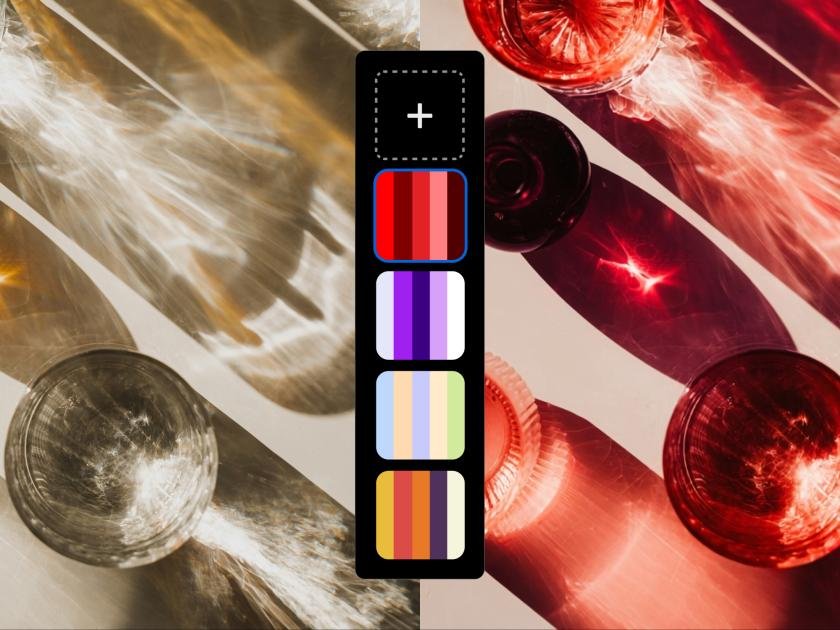
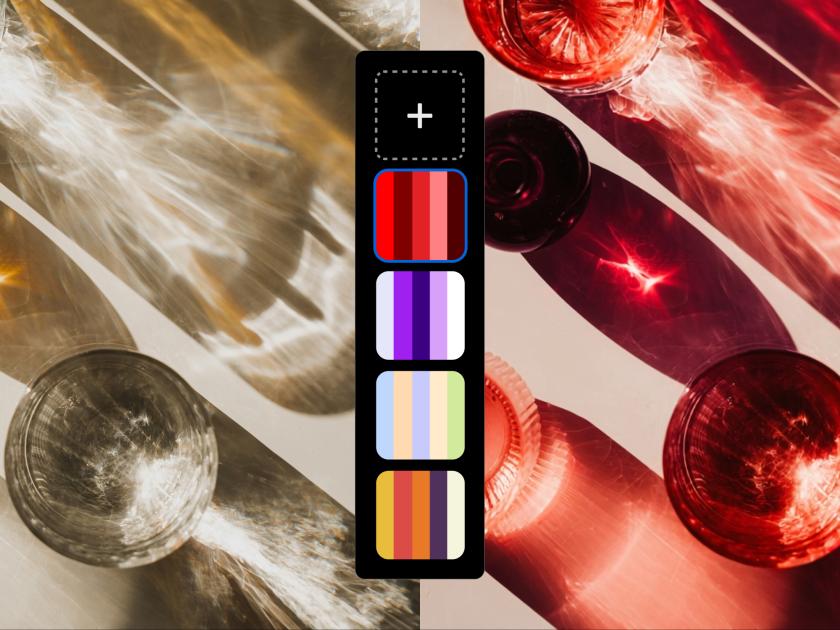
It’s the test I’ve been putting Adobe Stock’s newly launched AI Studio through. For instance, clearing an unwanted object from the background of an otherwise perfect shot. Nudging a colour to match the client’s brand palette. Perhaps sizing the same content for 10 different placements. None of that is a creative act; it’s the boring stuff around it. And handing that dull drudge to a machine, so I can focus on the choices that need taste, that’s a very different proposition from being told to simply produce more, more, more.
I also appreciate where it starts. AI Studio sits atop a collection of nearly a billion images, videos, illustrations, vectors and music tracks. The starting point isn’t a blank box and a text prompt; it’s real content – shot, drawn, and composed by actual photographers, videographers, artists, and illustrators – that you can refine and play with until you’re happy. You can also keep track of your edits with the new in-line editing feature. You’re not summoning something from nothing. You’re exercising your own judgment on assets that already have a great foundation.
That foundation really matters too – not just to you, but to other creators. The content you start with in AI Studio is commercially safe, and when you license it, the photographers, videographers and other artists who created it are paid as well. In plain terms, you can put it in front of a client without lying awake at night wondering whose work it was built from.
From there, you can choose the edits you feel most comfortable using – whether that’s Firefly or other third-party models. The choice is yours. For a lot of us, that’s the difference between a tool we’ll actually adopt and one we’d avoid like the plague.
“Starting from high-quality, licensed content changes the role of AI. Instead of generating something from scratch, you can apply your own creativity to a strong foundation to make it your own,” explains Matt Smith, VP of strategy, design and emerging products at Adobe.
Adobe Stock has also, on multiple occasions, provided bonus payments to contributors whose content was considered for training its Firefly models – it was among the first platforms to do so, and to use licensed content rather than scraping the open web. It isn’t a perfect arrangement, but it’s further down the road in paying and crediting the people underneath the tools than most alternatives.
And that’s really the point. None of this makes the tool the hero. The hero is the person deciding what’s worth making, what to cut, and what “good” looks like from one brief to another.
The tools that earn a place in your process are the ones that take the work that was never really yours to do and leave you with the part that is most fulfilling. This matters more than ever because, as content gets cheaper and faster to make, your taste goes from being a nice-to-have to the most valuable thing you can bring to the table.
“Now that making content is easier than ever, what matters is the creator’s judgment. The creators who stand out now aren’t the ones making the most; it’s the ones who know what is actually worth making. And as technology evolves, creators should capture more value from their creativity, not less,” adds Smith.
So no, I don’t think the machines are going to replace us or our judgment. If anything, they’ll make taste the only thing left to compete on. And for anyone who got into this industry because they care whether the work is actually good, that might be the most encouraging thing we’ve heard in ages.