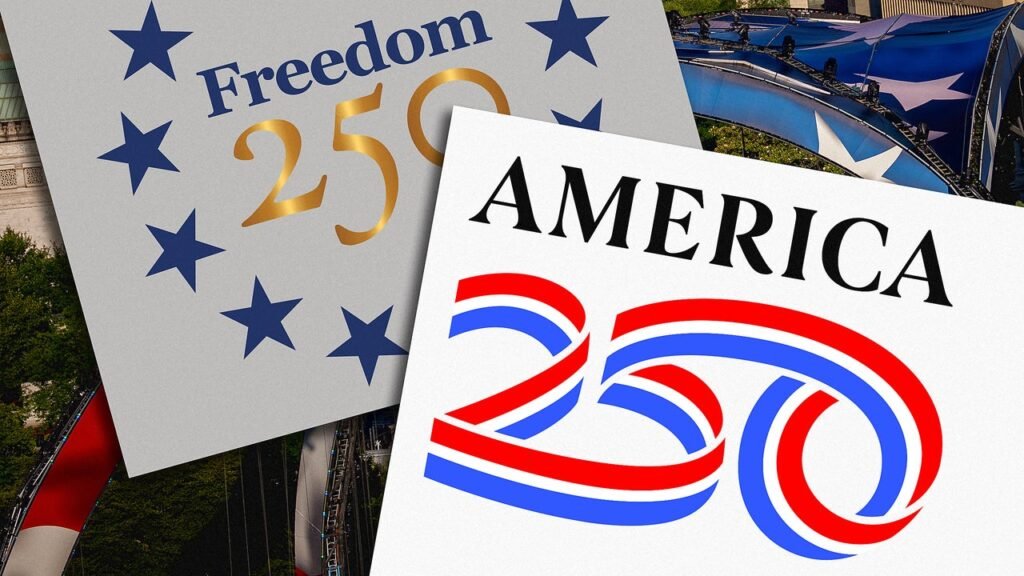
Cut some slack to the musicians who dropped out of the Freedom 250 Great American State Fair shortly after it was announced. With multiple organizations putting on commemorations for the 250th anniversary of America’s founding next month, it can be hard to tell them apart.
Nearly the entire lineup of the multi-day festival planned for the National Mall in Washington, D.C., dropped out except Flo Rida and Vanilla Ice. President Donald Trump suggested he headline the festival himself by holding a rally, then posted on social media Saturday that it should just be canceled. Artists who dropped out, like Martina McBride and Bret Michaels, explained that they felt misled that the event was not nonpartisan as they were told.
Confusion is everywhere ahead of the nation’s big birthday in July as separate organizations make their own plans, and McBride isn’t likely the only one unaware of the distinctions. Fifty years ago for the nation’s bicentennial there was a single brand that marked the occasion, but in 2026 for the semiquincentennial, it’s diluted between two brands from two different branches of government, America 250 and Freedom 250.
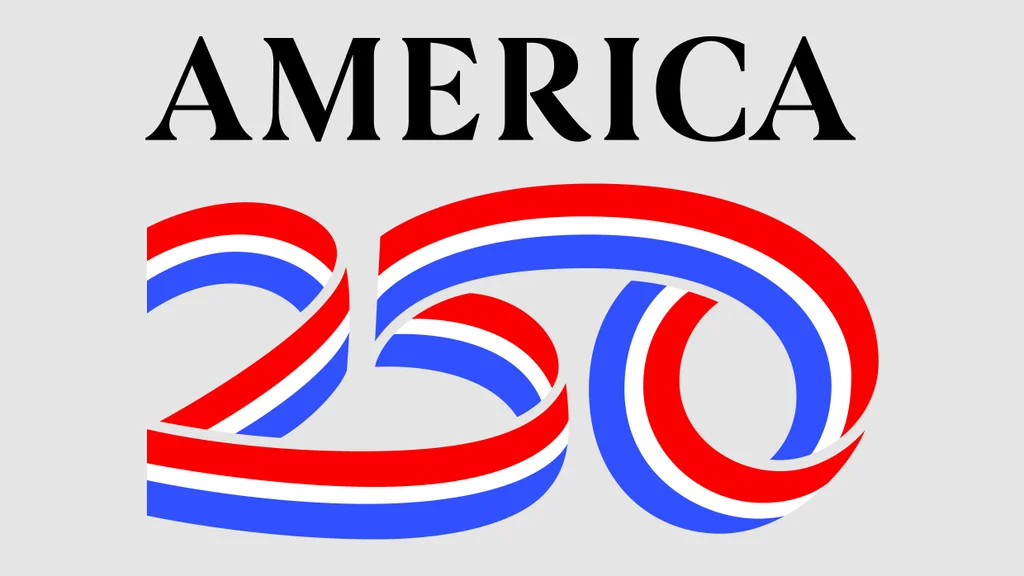
America 250 is the original, older and nonpartisan. Founded a decade ago in 2016 by Congress, its logo is a red, white, and blue ribbon that spells out “250” designed by Chermayeff & Geismar & Haviv, the same design firm behind the Bicentennial logo for 1976.
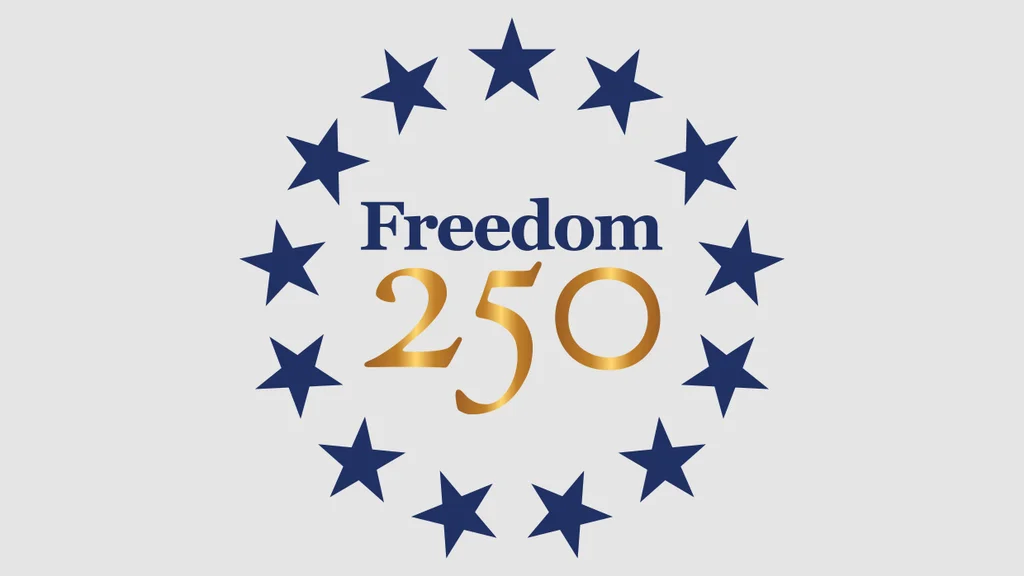
Then you have Freedom 250, which is newer and founded by Trump in an executive order last year. Its logo is “Freedom 250” written in serifs inside a circle of 13 stars like the original U.S. flag.
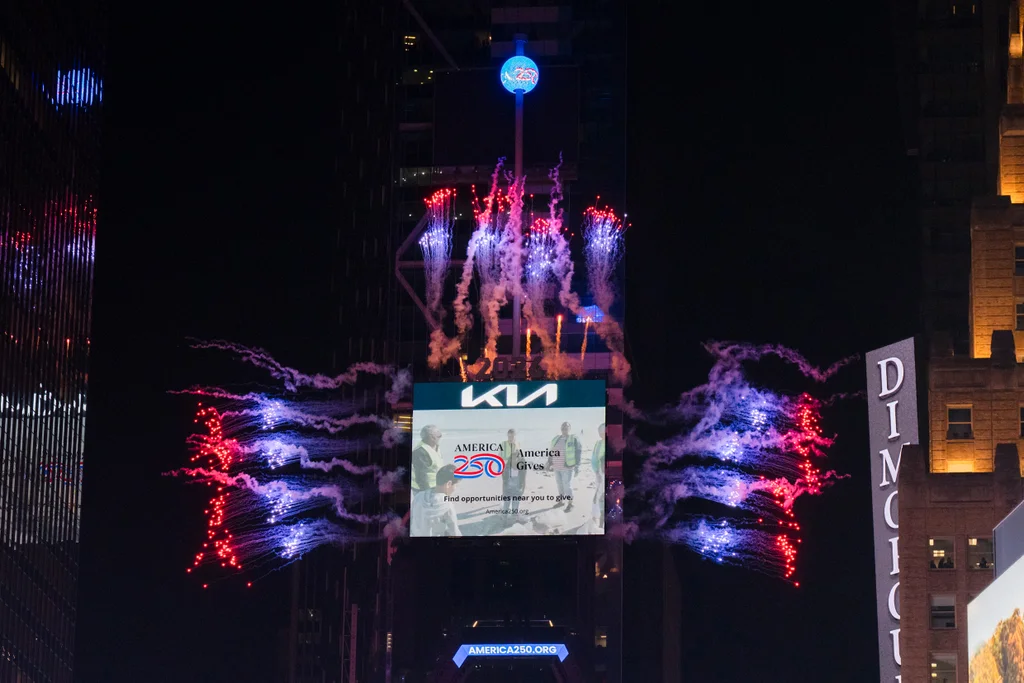
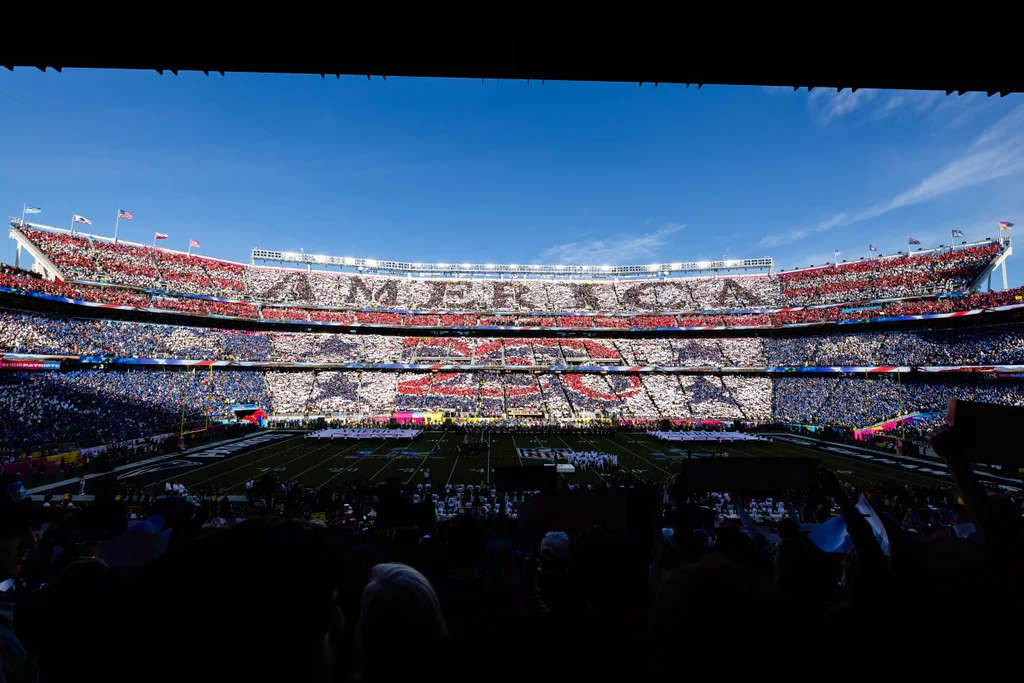
America 250 has a head start and major placements at big events like NFL games, where it was stenciled on the field, and at Times Square on New Year’s Eve. Its initiatives include a time capsule, and America Gives, a volunteerism campaign.
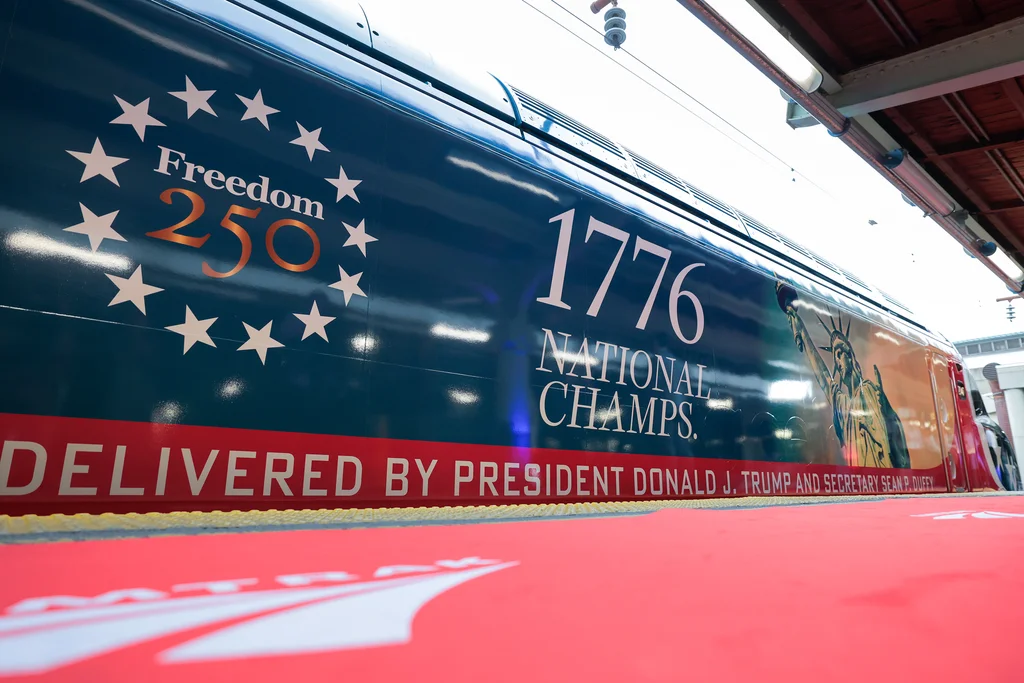
Meanwhile Freedom 250 appears at events and activations put on by the executive branch and endorsed by President Trump, like his UFC fight on the White House grounds or his Department of Transportation’s Freedom 250 train that included his name on the car. A promotional video for the forthcoming Freedom 250 Grand Prix race through the streets of D.C. shows a cartoon of Trump giving a thumbs up to a bald eagle in Marine One.
Though Freedom 250 has described itself as a nonpartisan nonprofit, the fact it was started by Trump through an executive order after a nonpartisan organization already existed makes that claim harder to justify.
The group’s events run parallel to other Trump administration efforts to put his name or likeness on government assets like currency and a monument to ostensibly celebrate the holiday. And Freedom 250 partners like PragerU, the Koch brothers’ group Americans for Prosperity, and the Museum of the Bible appeal especially to conservatives and evangelicals in Trump’s political base.
Tied to Trump, Freedom 250 appeals to his existing fans, but their numbers are shrinking as his net job approval ratings reach new lows. The Freedom 250 effort is pushing Trump’s toxic brand at a time when he’s never been more unpopular.
Publicly, America 250 is gracious about Freedom 250. “Together, we will ensure that our nation’s 250th anniversary becomes a unifying and unforgettable moment for all Americans,” America 250’s website reads. The Trump administration, though, has withheld tens of millions of dollars meant for America 250 while funding Freedom 250 with taxpayer money, according to documents obtained by NOTUS.
With a month to go until July 4, though, it’s not clear either brand has particularly penetrated the zeitgeist, nor does either have much time to do so. The brands are diluted, and for millions of Americans, the logo they may well associate with the commemoration next month could come from state-specific logos, or logos from corporate 250 tie-ins rather than the logos from the federal government. In an era of declining trust of institutions, it tracks.