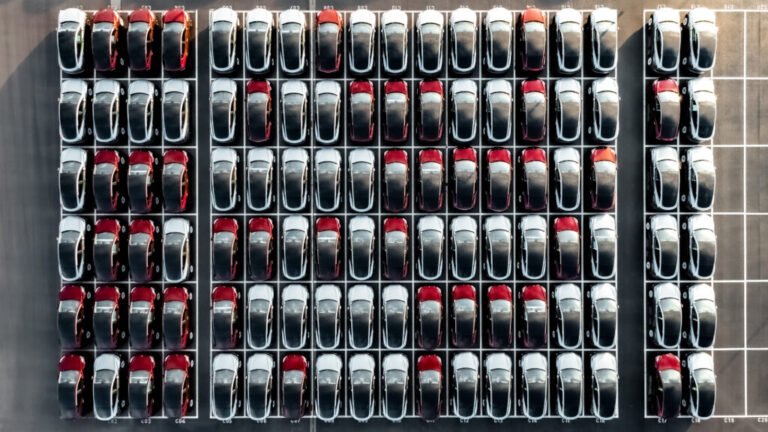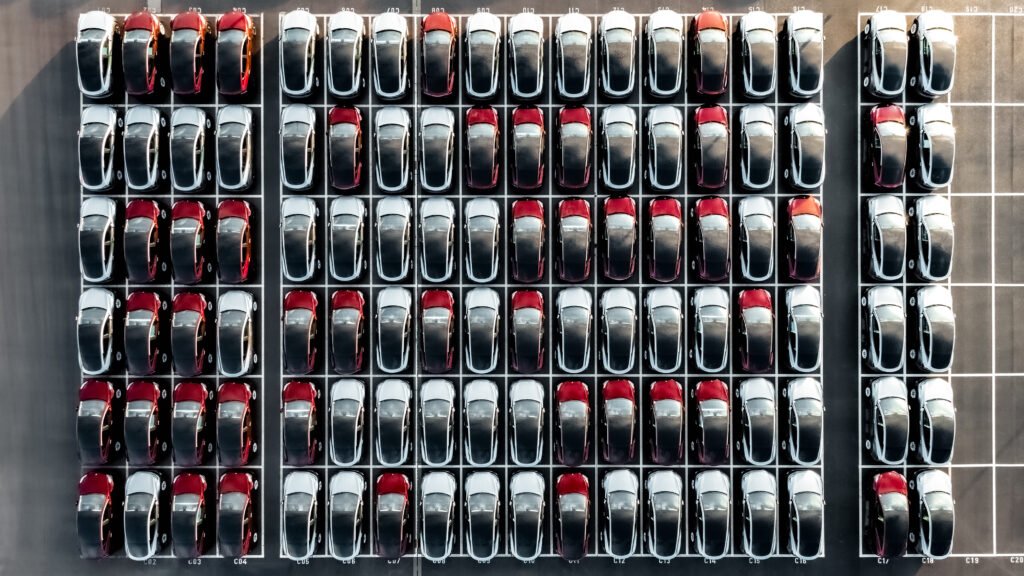
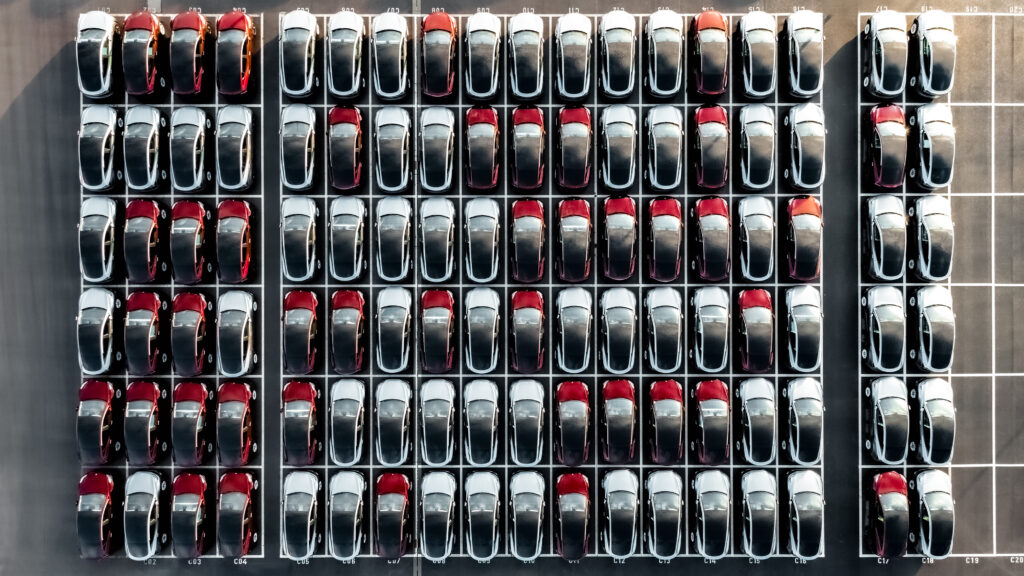
- One Chinese-built ship carried a record 7,738 vehicles in a single voyage.
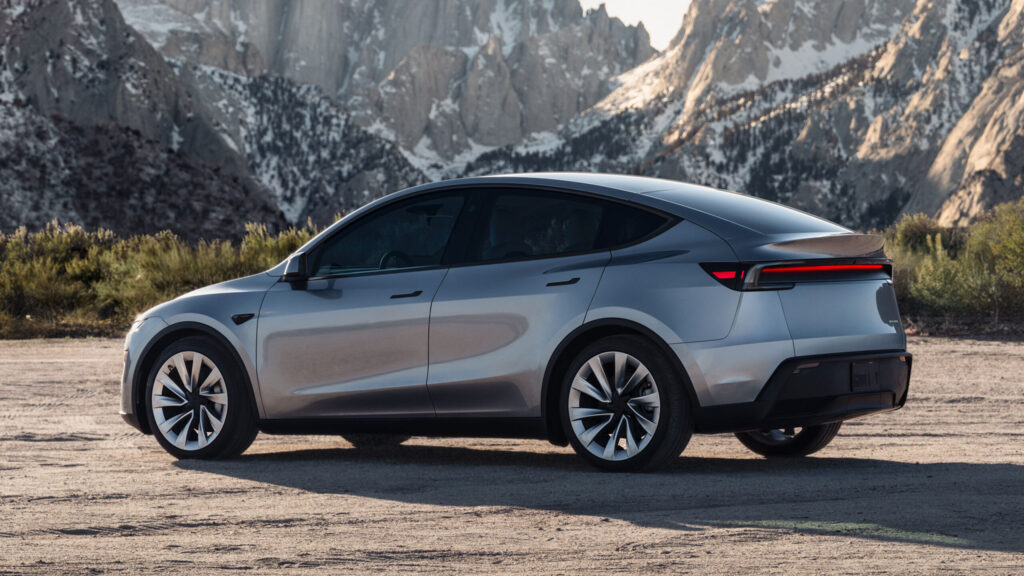
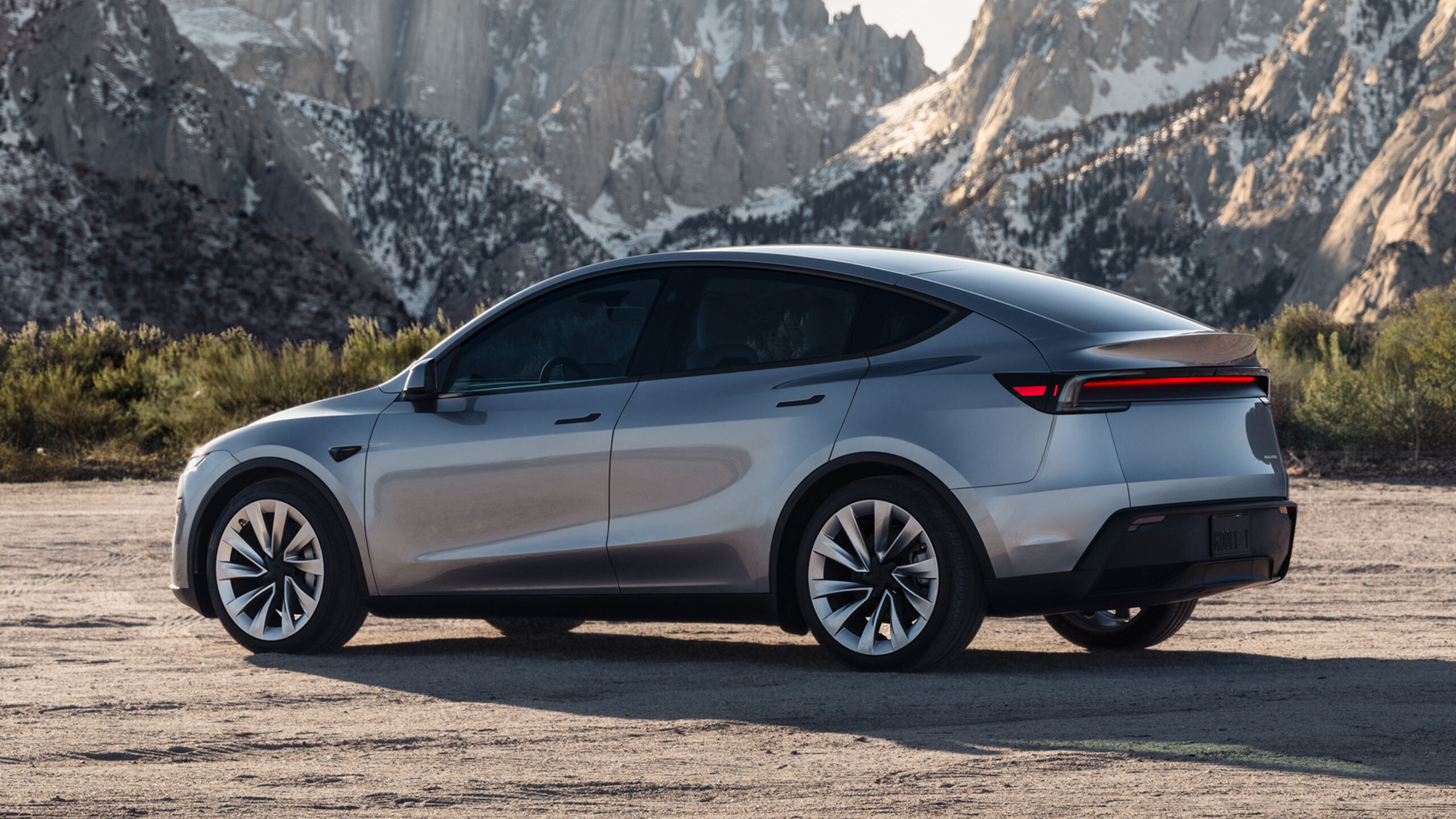
- Every car aboard was a Tesla Model 3 or Model Y bound for Europe.
- Shanghai’s export port sits barely six miles from Tesla’s Gigafactory.
China keeps tightening its grip as the world’s largest new car exporter, and a big part of meeting the extraordinary global appetite for its vehicles comes down to the enormous car-carrying ships now being built on home soil. One of the newest of them, the Glovis Nova, swallows enough cars to cover 9.5 football fields.
Read: China’s EV Giant BYD Now Exports Cars In Its Own Purpose-Built Mega-Ship
On Sunday, the Malta-flagged vessel was loaded with 7,738 electric vehicles at Shanghai’s South Port Terminal and set off for Zeebrugge in Belgium, where the cars will be distributed across Europe. The trip set a new Chinese record for the number of electric vehicles shipped from a domestic port on a single ship.
A Tesla-Only Cargo
Instead of hauling a mix of EVs and plug-in hybrids from several brands, the Glovis Nova carried nothing but Tesla Model 3s and Model Ys built in Shanghai. Sticking to passenger cars also squeezed the most out of its capacity, since bulkier loads like buses and engineering equipment eat up far more deck space.
A report from the South China Morning Post notes that the Glovis Nova can carry up to 10,800 vehicles at once and runs on a liquefied natural gas dual-fuel power system. It left port at the same time as the Panama-flagged Glovis Leader, another Chinese-built carrier with the same enormous capacity, which was bound for Busan, South Korea. Both came out of Guangzhou Shipyard International, a subsidiary of China State Shipbuilding Corporation and one of the largest shipbuilding groups on the planet.
The record haul owed a lot to the Glovis Nova’s optimized deck layout. Lined up bumper to bumper, those 7,738 cars would stretch about 36km (22 miles) and cover roughly 67,600 square meters.
Why Tesla?
Tesla’s factory in Shanghai is perfectly positioned to make use of these new ships. The South Port Terminal in Shanghai, located just 6 miles away, serves as a roll-on, roll-off vehicle export hub, and it’s possible for newly built vehicles to leave Tesla’s factories and arrive on ships in just a matter of hours.
Of course, it’s not just Tesla that is benefiting from China’s expertise in building massive cargo ships. BYD operates its own fleet of car carriers, introducing the first of them, known as the Explorer No. 1, in early 2024. It has since added seven other ships to its fleet, allowing it to send thousands of its electrified vehicles to markets around the world.
In early June, almost 5,000 plug-in hybrid and electric vehicles were exported from China to Australia on the BYD Zhengzhou ship thanks to a surge in demand for the brand’s models in part due to the war in Iran and surging oil prices.