A Bigger Digital Showroom
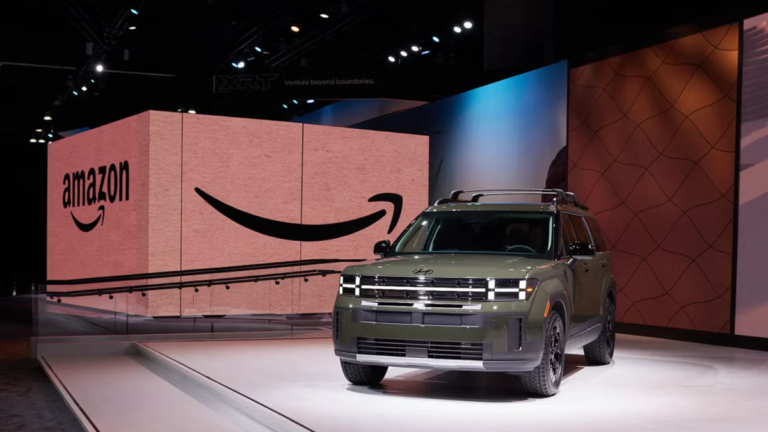
Amazon is a game changer when it comes to buying and selling products like electronics and books. But in December 2024, the company expanded into the automotive retail space with the launch of Amazon Autos, which allows users to browse vehicle listings from the comfort of their homes. Hyundai was the only brand available on the platform at launch, and now, it offers vehicles from 35 brands.
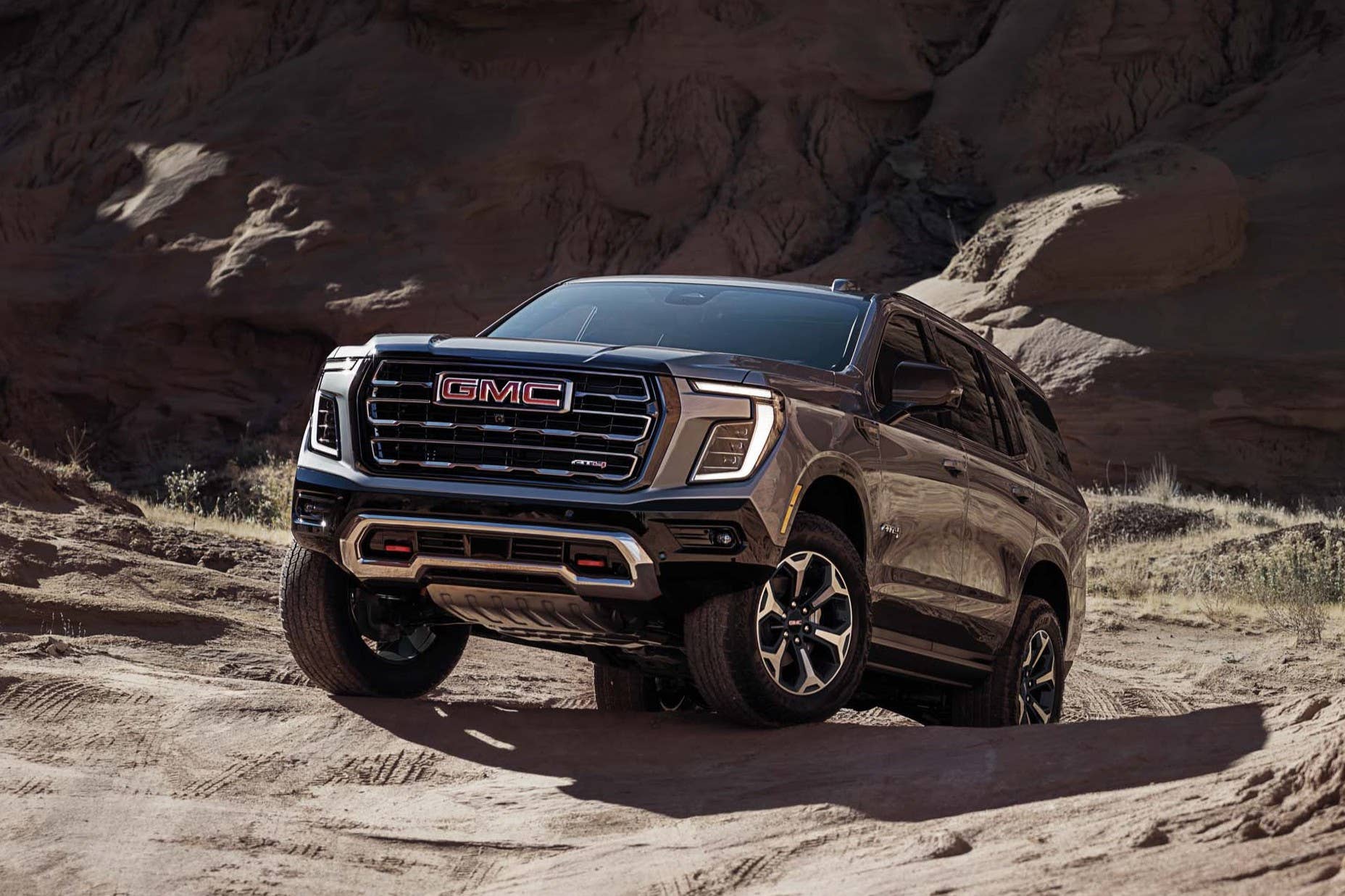
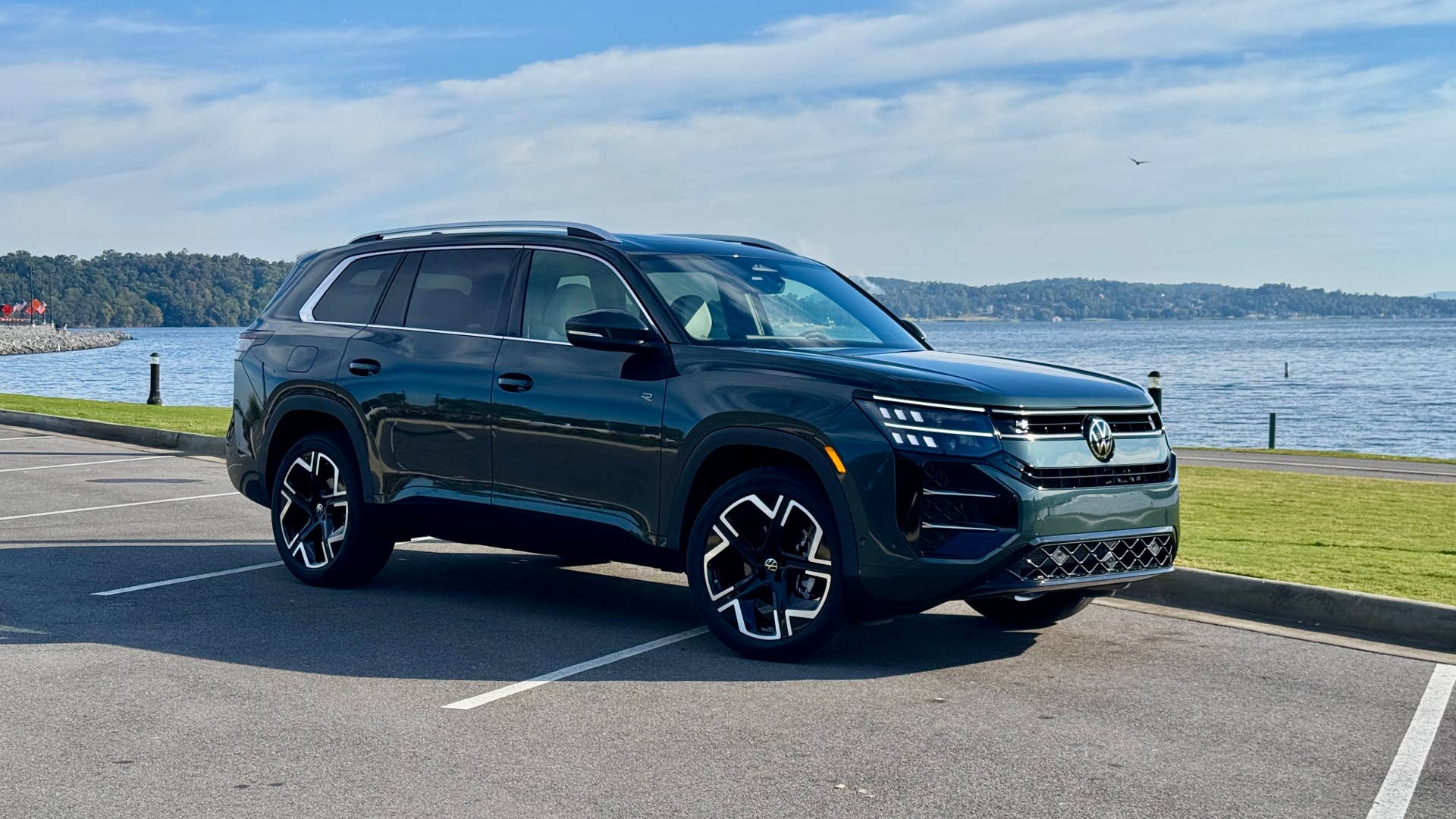
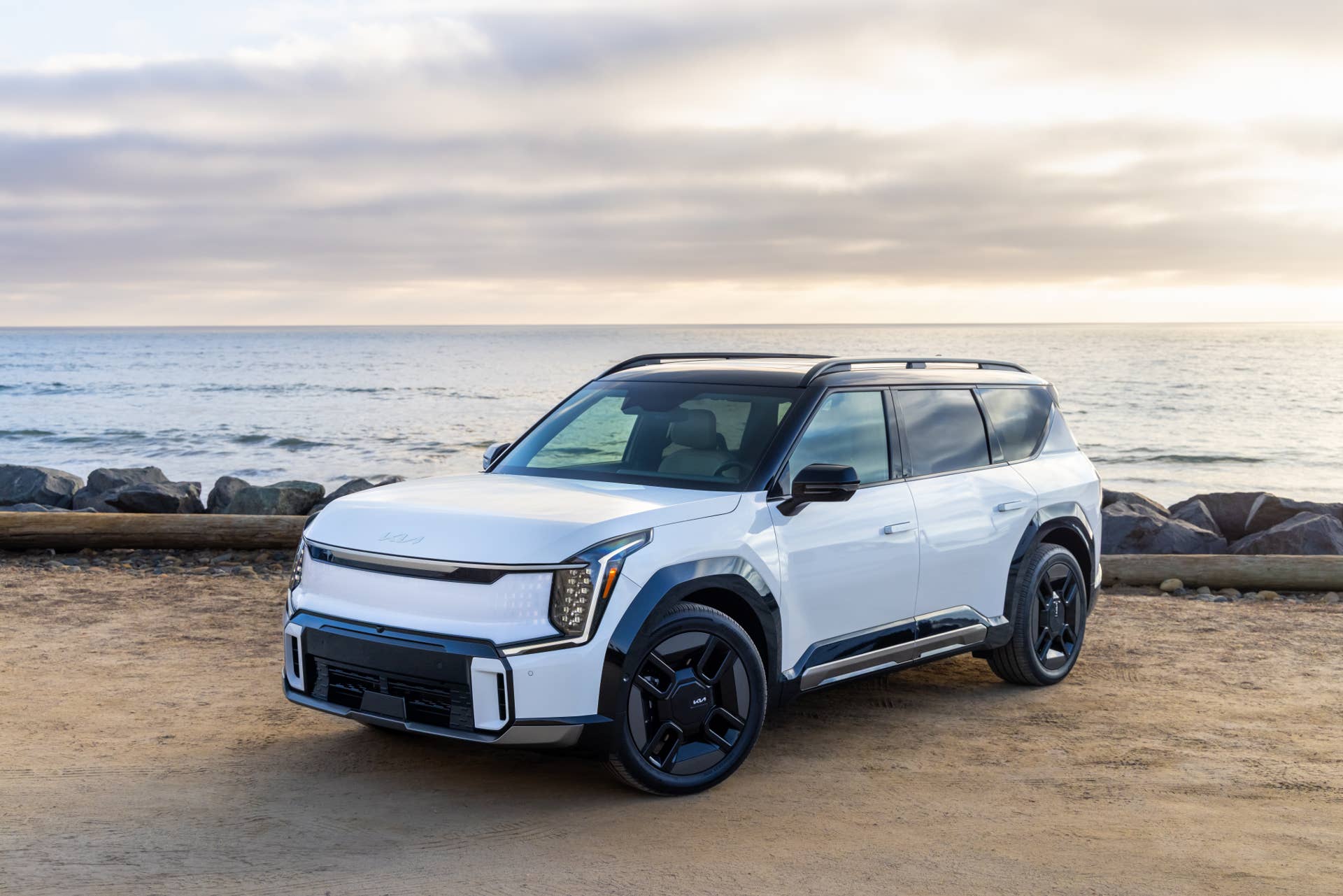
According to Automotive News, new vehicles are now available from 13 additional brands: GMC, Buick, Chevrolet, Cadillac, Audi, Volkswagen, Ram, Chrysler, Kia, Dodge, Subaru, Mazda, and Jeep. Used or certified pre-owned vehicles are also available from 21 other brands. This expansion allows prospective car buyers to explore more options without visiting dealerships and complete most of the purchasing process online.
Keeping Dealers in the Driver’s Seat
Amazon Autos has a different business model from Carvana, which is primarily a vehicle retailer that acquires its own inventory. Amazon’s car platform serves as a dealership marketplace, with some dealers seeing it as a source of sales leads rather than a competitive threat. Rohrman Automotive Group has sold 51 new and used vehicles through Amazon since joining the platform in April.
The expansion has been facilitated by a revised dealer onboarding process, which has cut sign-up time by more than 85%. Previously, some dealers reportedly spent as long as a week registering.
Amazon’s decision to work with traditional dealerships rather than bypass them altogether is arguably supported by Cox Automotive’s 2025 Car Buyer Journey Study. The study found that 63% of car buyers consider a combination of online and in-person activities the ideal purchasing experience, while only 7% completed their purchases entirely online.
Jared Levenson/Autoblog
Room for Both Worlds
Depending on its long-term success, Amazon Autos could help make online car buying more mainstream without making traditional dealerships obsolete. That’s a bit different from brands like Tesla, Rivian, and Lucid, which have adopted a direct-to-consumer sales model that bypasses traditional dealerships.
Amazon Autos is showing signs of a healthy relationship with dealerships, which could be key to its long-term growth in the automotive retail space. It now works with more than 1,000 dealerships across over 130 U.S. cities. Moreover, the platform offers a minimum three-day/300-mile return policy on used and certified pre-owned vehicles, which could be particularly reassuring for buyers who remain skeptical about purchasing cars through their phones or computers.
Kia