Reshaping Tesla’s Roadmap
Elon Musk used Tesla’s April 22 earnings call to outline a future that leans heavily into autonomy. The headline claim? The upcoming second-generation Tesla Roadster will be the only model in the lineup designed for full human control. Everything else is expected to transition toward self-driving capability through software and hardware evolution.
He also framed the Tesla Cybercab as the brand’s de facto compact car. It is a two-seat vehicle that prioritizes space efficiency, based on Tesla’s claim that 90% of trips involve one or two occupants.
Vehicles built before 2023 are limited by older hardware. Newer models equipped with Hardware 4 are expected to unlock full autonomy via updates to Full Self-Driving. For legacy owners, Tesla is offering retrofit pathways, trade-in credits, or camera upgrades. Musk also revived his most provocative idea yet. He suggested future Teslas could incorporate some form of flight capability.
The Long-Delayed Roadster
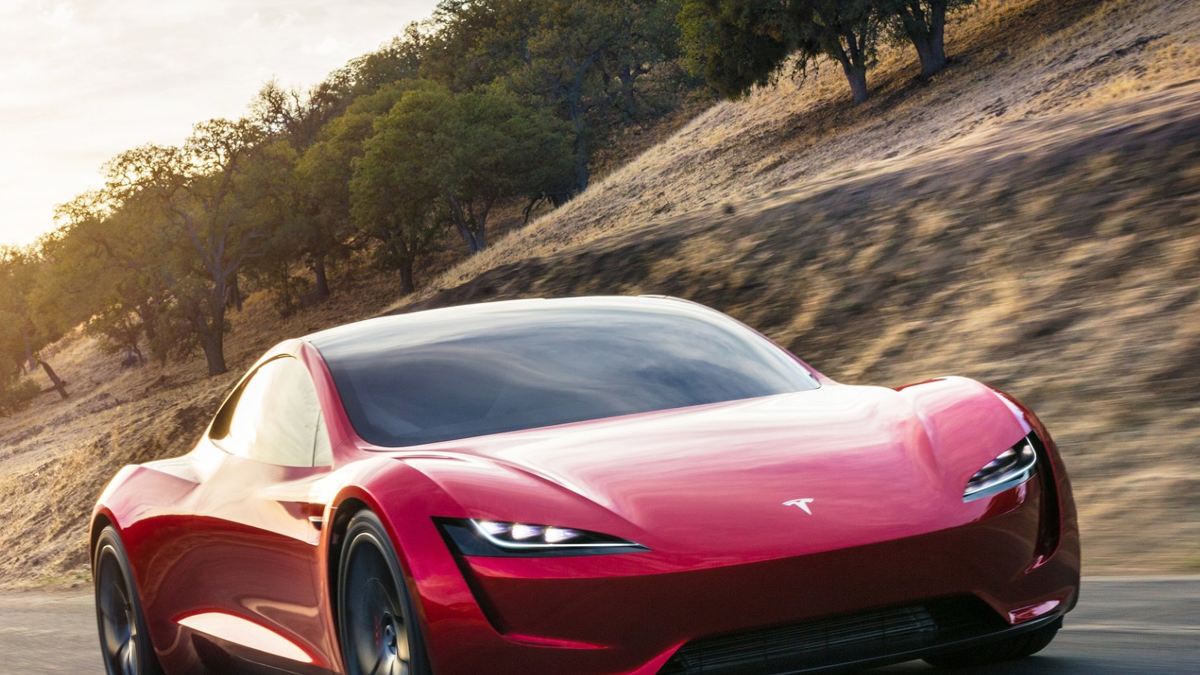
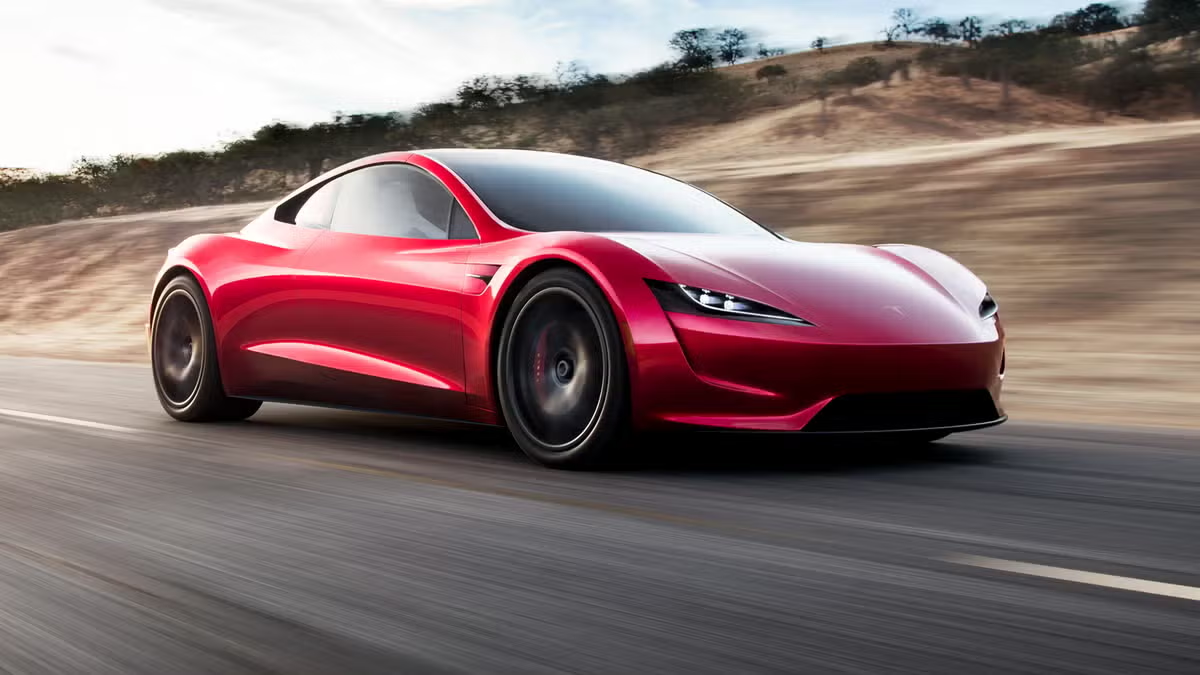
Tesla has spent years building anticipation around the new Roadster. First shown in 2017, the car has become a symbol of the company’s ambition rather than a product on the road. Musk has teased what he calls an “epic” reveal, claiming the car will redefine performance benchmarks for electric vehicles.
Musk has openly stated that the Roadster is not being engineered with safety or autonomy as its primary focus. That runs counter to Tesla’s broader strategy. Instead, the Roadster is framed as a purist machine. It is meant to celebrate driving at a time when the rest of the lineup is moving away from it. That contrast is deliberate. It turns the Roadster into both a halo product and a philosophical outlier.
Tesla Is Betting Everything on Autonomy
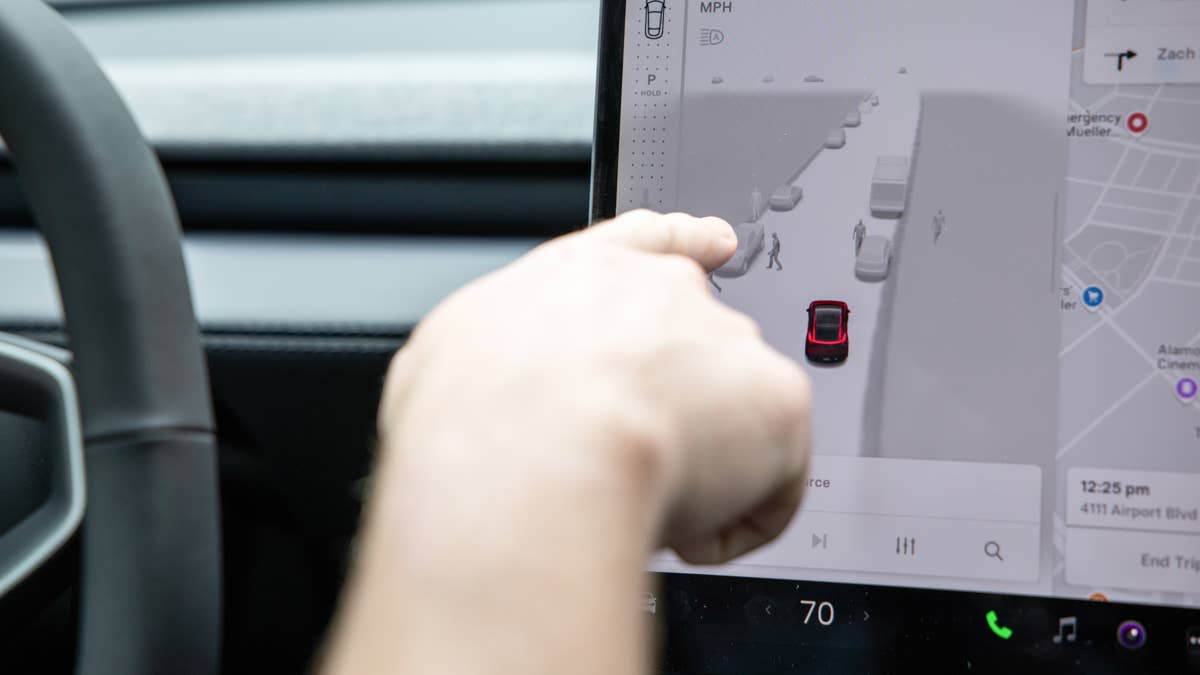
Tesla’s confidence in its self-driving stack has grown more visible in recent years. Demonstrations of long-distance drives using Full Self-Driving with minimal or zero human intervention are becoming central to its messaging. These tests are designed to validate a camera-based approach that avoids the expensive sensor suites used by rivals.
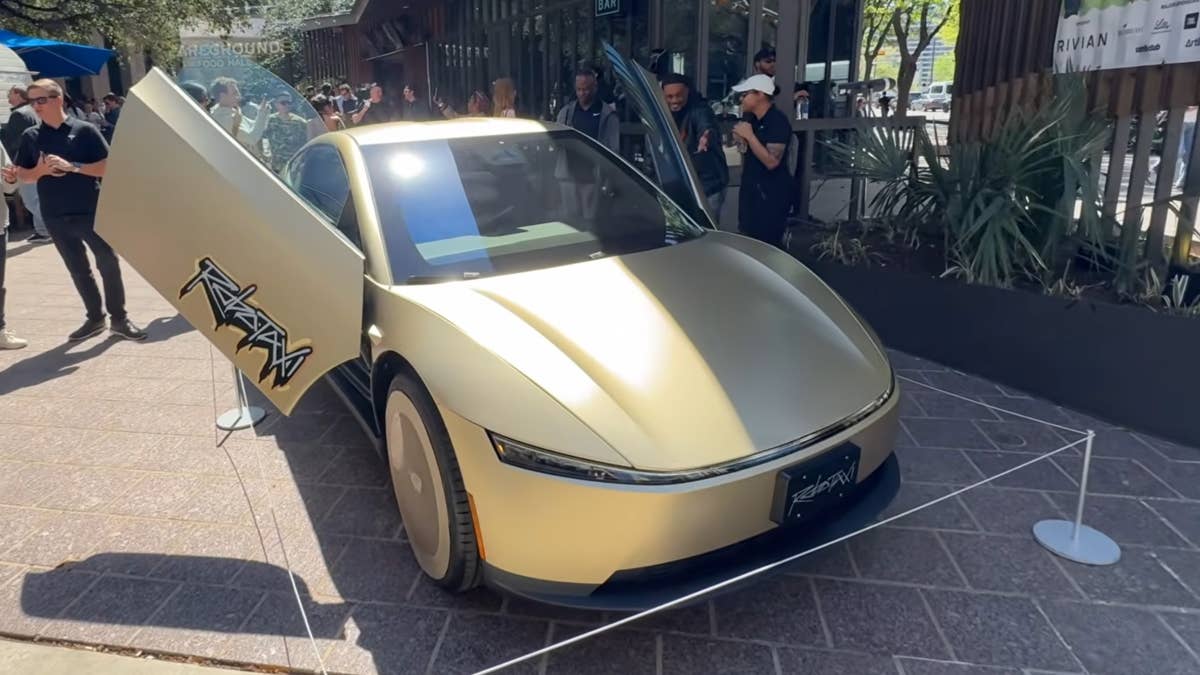
The Cybercab concept pushes that idea further. It removes traditional controls entirely. No steering wheel, no pedals, and no expectation of human override. The result is a cabin that feels unfamiliar, even unsettling, because it removes the driver from the equation entirely. For Tesla, that is the point. The company is no longer iterating on the car as we know it. It is redefining what a car is supposed to be.
Ambition Meets Uncertainty
The idea of a flying Tesla still sounds speculative. Even by Musk’s standards, it stretches credibility. Yet the Roadster has been linked to unconventional propulsion concepts, or maybe even “fly” before. That leaves just enough ambiguity to keep the conversation alive. Tesla thrives on that edge between plausibility and hype.
There have been high-profile incidents, legal challenges, and ongoing scrutiny of Tesla’s systems. Critics argue that the technology is being deployed faster than it can be safely validated. Musk, for his part, remains one of the industry’s most effective marketers. He frames the future in bold terms and lets the market respond. Whether that future arrives as promised is still an open question.