High Battery Costs Threaten EV Longevity
The steady push toward mainstream electrification comes with a significant long-term economic hurdle that the automotive industry is just beginning to confront. Rupert Hellbacher, head of Bosch Mobility Aftermarket, recently pointed out that the steep price of battery replacement could drastically shorten the practical lifespan of electric vehicles. When an aging commuter car experiences a major high-voltage fault, the total cost of parts and labor can easily outpace the depreciated value of the vehicle itself.
This harsh financial reality directly challenges the fundamental sustainability goals of going green. If perfectly capable older vehicles are rendered worthless simply because a replacement pack is completely unaffordable, the market risks treating complex machines like oversized smartphones. Bosch emphasizes that unless our long-term repair strategies evolve quickly, consumers will be burdened with disposable cars rather than the long-lasting, environmentally friendly transportation they were originally promised.
Gabiwabi
Dense Electronics and Complex Architectures Drive Up Repair Times
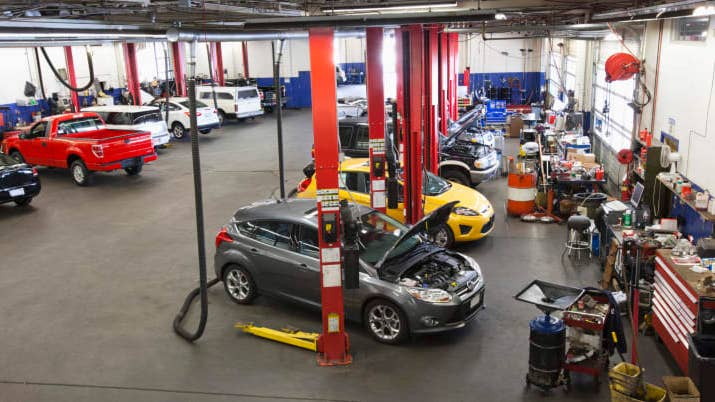
In an interview with Automobilwoche, Hellbacher stated that a major factor contributing to these inflated invoices is the sheer technical complexity of modern service procedures. Even minor fender benders demand extensive diagnostic work before a technician can safely return a car to the highway. In the service bay, dense electrical architectures require continuous sensor recalibrations and software resets that keep these advanced vehicles sidelined for much longer durations than their traditional gas-powered counterparts.
Meanwhile, a growing wave of off-lease models is currently hitting dealership lots and tempting budget-minded drivers. However, used EV buyers tend to obsess exclusively over long-term battery health while completely missing other hidden mechanical threats. Real-world warranty data shows that standard suspension failures, basic electrical glitches, and auxiliary sensor issues pose a far more immediate financial risk to second owners than complete power pack failures.
The reliability picture shifts noticeably once again when considering dual-powertrain setups designed to eliminate range anxiety. Because they utilize much smaller battery packs that endure demanding high-frequency charging cycles every single day, plug-in hybrids experience battery degradation at a disproportionately high rate. This relentless cycling puts excess strain on the internal cell chemistry, ultimately resulting in a higher volume of battery-related service visits compared to standard electric cars.
Automakers Must Prioritize Affordable Aftermarket Repair Solutions
The auto industry simply cannot afford to ignore this looming aftermarket crisis. If we truly expect zero-emission vehicles to replace reliable internal combustion engines on a mass scale, they have to be engineered and supported for the long haul. Scrapping a heavy, resource-intensive vehicle over a localized module failure is an economic and environmental misstep that betrays the core promise of sustainable motoring.
To keep these cars safely out of the local scrapyard, major manufacturers need to fully empower the independent mechanic. That means openly providing accessible diagnostic software, standardized modular components, and the unrestricted right to repair at a reasonable price point. Until neighborhood shops can swap out individual battery cells without fighting proprietary digital roadblocks, everyday buyers will rightfully hesitate to hold onto their electric rides past the expiration of the factory warranty.