Right to Repair won a major battle, but the next one has already started
If you’ve followed the Right to Repair movement over the past few years, you’d be forgiven for thinking independent repair shops finally got what they were fighting for. Laws have expanded access to diagnostic tools, service information, and repair procedures, making it easier for drivers to choose where their vehicles are fixed instead of being tied to the dealership. But modern cars have quietly created a new advantage, and it has nothing to do with replacement parts. Increasingly, it’s the data your vehicle sends back to the manufacturer every time you drive.
Your Car Could Be Reporting Problems Before You Even Book A Repair
Stellantis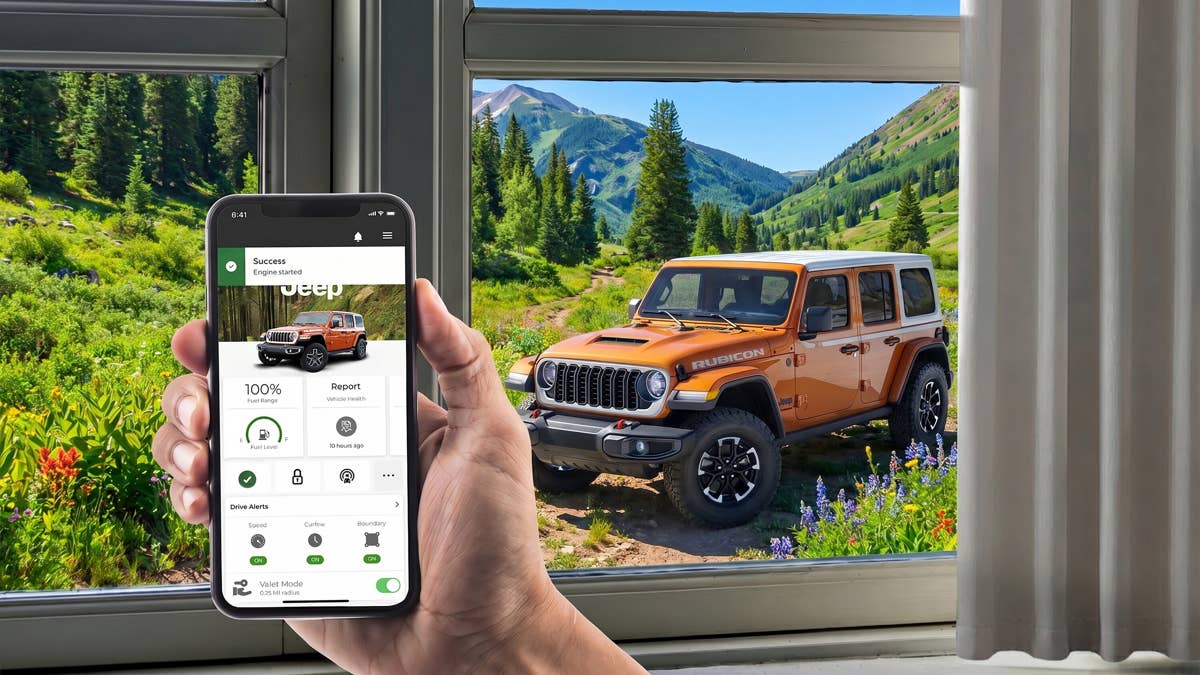
Most new cars are constantly transmitting health reports through built-in cellular connections, a system known as telematics. Fault codes, battery health, calibration records and other diagnostic information can all be uploaded directly to an automaker’s cloud servers.
That creates an advantage many motorists don’t realize exists. A dealership may already have a good idea of what’s wrong with your car before you schedule an appointment, allowing technicians to line up parts and plan the repair in advance. Independent shops, meanwhile, often don’t see the same information until the vehicle physically rolls through the workshop doors.
Adi Bathla, CEO and co-founder of Revv, a vehicle calibration operating system used by more than 6,100 repair shops across North America, believes this is the next major challenge. Bathla says, “The Right to Repair Act is a real win for independent shops, but it isn’t the finish line.” While the legislation improves access to diagnostic and repair information, he argues it leaves one crucial blind spot. “Modern vehicles constantly send diagnostic information to manufacturers through the cloud, but independent repair shops often can’t access that information until the vehicle physically arrives in the shop.” Think of it as two doctors treating the same patient, except one already has access to the medical records while the other doesn’t see them until the appointment begins.
EVs Could Make This Information Gap Even More Important
Brian Iselin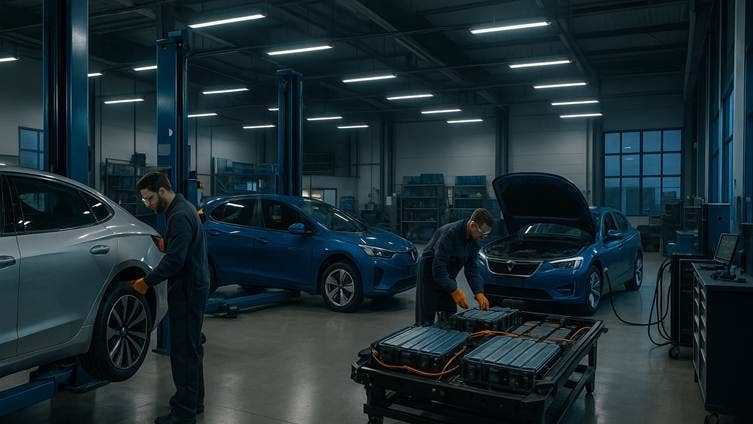
This matters because tomorrow’s repairs will rely less on replacing worn-out parts and more on understanding software. Electric vehicles and increasingly connected cars generate enormous amounts of diagnostic data through battery management systems, advanced driver assistance features, over-the-air updates and dozens of interconnected control modules.
For independent repair shops, having access to the same information at the same time as manufacturers could mean ordering parts before a customer arrives, diagnosing faults more accurately and getting vehicles back on the road sooner. Bathla says that’s already becoming clear among the shops Revv works with, where combining repair information with tools that make it easier to use helps technicians complete repairs faster.
The first chapter of Right to Repair was about gaining access to parts, tools and service manuals. The next chapter may be about something far less visible but arguably more important: who gets access to a connected vehicle’s digital trail. As cars become increasingly software-defined, the biggest advantage in the repair business may not be who has the wrench, it may be who already has the data.