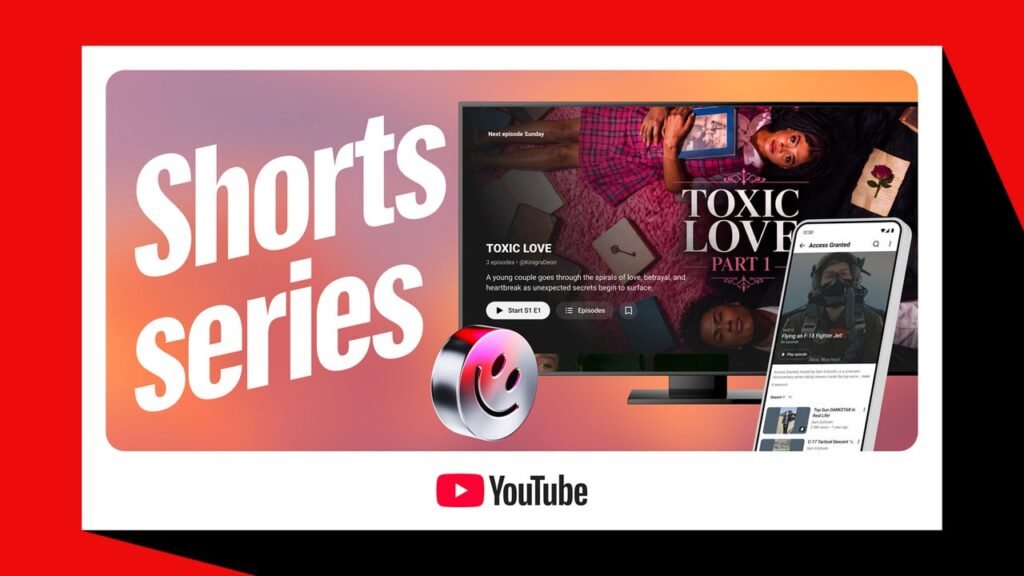
Heartbreak, hormones and irresistible cliffhangers: Microdramas, which combine short, snackable episodes optimized for vertical viewing with telenovela-style storytelling, have taken the internet by storm in recent years. Now, YouTube wants in on the trend. The Google-owned video service is starting to let creators organize their vertical clips into microdrama-like series, executives announced at the annual Made On YouTube event Wednesday morning.
The feature is supposed to supercharge a trend creators and their audiences have already been embracing on their own, with microdramas surpassing 6.5 billion views on YouTube during the first half of this year. “We’re really excited to see the growth of episodic content and shows on YouTube, including categories like microdramas,” says Aparna Pappu, VP at YouTube. “It’s been really encouraging to see how well this is doing.”
Microdramas became a hit in China during the pandemic and have since taken the world by storm. Dedicated microdrama apps like ReelShort and DramaBox reportedly got more downloads than Disney+ and HBO Max last year. It’s estimated the microdrama industry will generate $14 billion in revenue in 2026.
The genre owes much of its success to its unashamed embrace of guilty pleasures, combined with a ruthless optimization for mobile binge viewing. Some microdramas are based on popular web novels, while others simply combine popular romance tropes into high-heat, low-plot stories. A number of microdramas feature muscular, bare-chested billionaires who sweep women of modest means off their feet. There’s also plenty of forbidden love, fake marriages with real heartbreak, and the occasional Fifty Shades of Grey-like embrace of adventurous desires.
Add shocking plot twists, timed to happen just before a one- to two-minute-long episode ends, and you’ve got a formula that’s gotten countless viewers hooked.
The entertainment industry has for some time tried to cater to consumers glued to their phone screens, with mixed results. Jeffrey Katzenberg’s short-lived Quibi streaming service tried to combine Hollywood star power with mobile-optimized storytelling. The company spent up to $100,000 for each minute of video it produced and had plans to dole out a whopping $1.1 billion for content in its first year. However, Quibi never gained traction with viewers, leading Katzenberg to pull the plug after just six short months.
Microdramas operate with a very different cost structure. Often filmed with unknown actors, cheaply rented sets and small crews, these dramas produce entire seasons for as little as $100,000. That makes them prime candidates for YouTube, where creators have long found success with modest budgets.
AI has the potential to lower the costs of producing microdramas even further. Google unveiled its own AI-powered video production studio in May and directly integrated AI video generation powered by its Gemini Omni video model into YouTube’s mobile apps in June.
With the embrace of microdramas, YouTube follows a familiar playbook. In recent years, the video service has often found success in adopting already popular media formats for its own creators and viewers. “People thought no one would ever watch YouTube in the living room,” says Travis Katz, a YouTube VP. “We’re now the largest streaming service [on TVs] in most countries. Similarly with podcasts. People said: Why would you watch podcasts on YouTube? Now, YouTube’s become the largest podcasting platform.”
YouTube’s embrace of vertical video has followed a similar trajectory. Taking cues from TikTok, the service introduced its own vertical video format in 2021. Since then, these so-called YouTube Shorts have surged in popularity, reaching 200 billion daily views in mid-2025. Increasingly, this viewing is also happening on traditional TV screens. “As of May 2026, over two billion hours of Shorts are watched in the living room each month,” says another YouTube VP, Emily Moxley.
Soon, that viewing is likely to include a whole lot of harrowing heartbreak and bare-chested billionaires, one short episode after another.