The Pajero and Montero Right Now
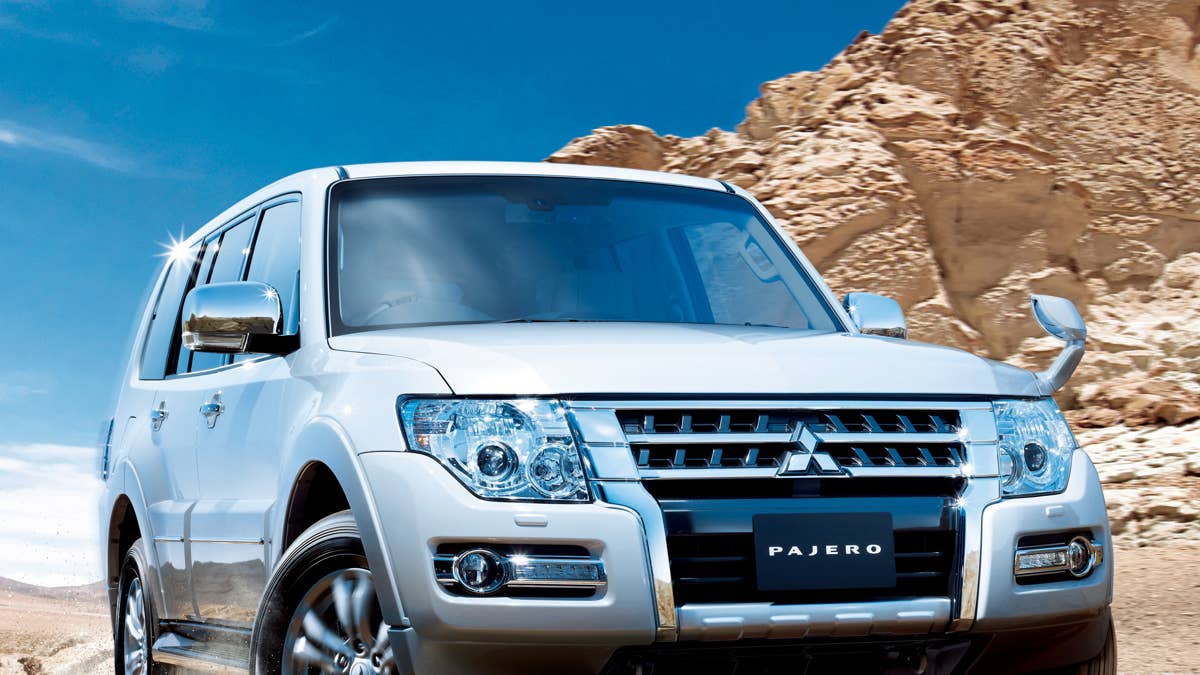
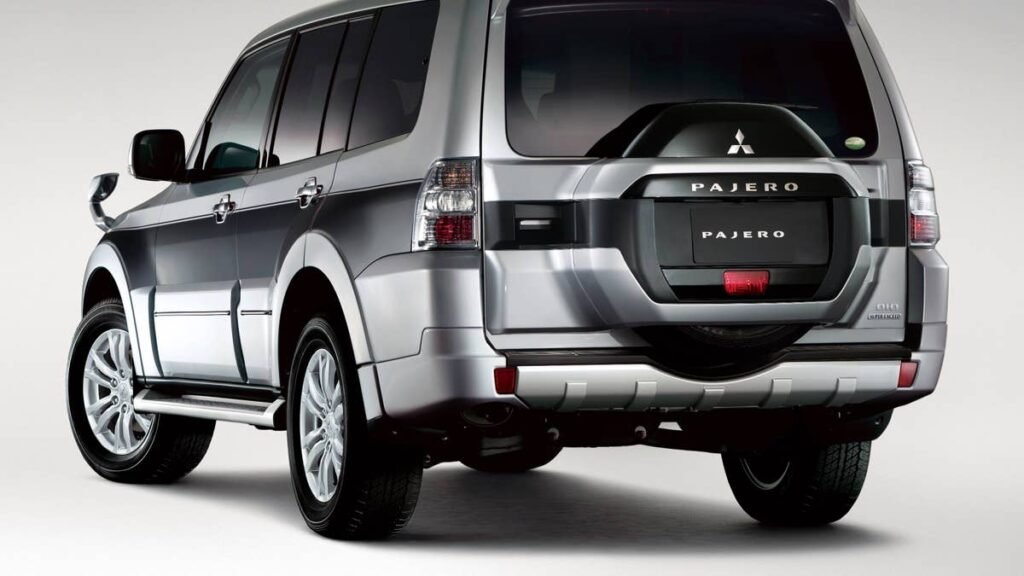
The Mitsubishi Pajero and Montero are, indeed, celebrated nameplates. It’s one of the pioneers of the SUV genre, and it has motorsports heritage to back it up. The Pajero and Montero were also incredibly capable off-road, and did just well enough on it. Obviously, it’s immensely practical, but it’s also seen as a bit of a status symbol in some parts of the world.
Despite the fanfare surrounding it in other markets, the Montero was never a particularly big seller in the U.S., but those who owned one had, for the most part, a favorable view of it. It was far from perfect, but it doesn’t try to be anything else other than an SUV. Still, it wasn’t enough to keep it around. The Montero was pulled from the U.S market in 2006, and America never got the chance to get the fourth-generation model. That generation would then last 14 long years from 2007 to 2021.
Five years later, Mitsubishi has made it official. The Pajero and Montero are coming back, and all will be revealed before the end of the year. Exciting, yes, but now comes the hard part: Making it successful. With that, here are five reasons why this model’s revival is critical for the brand.
Mitsubishi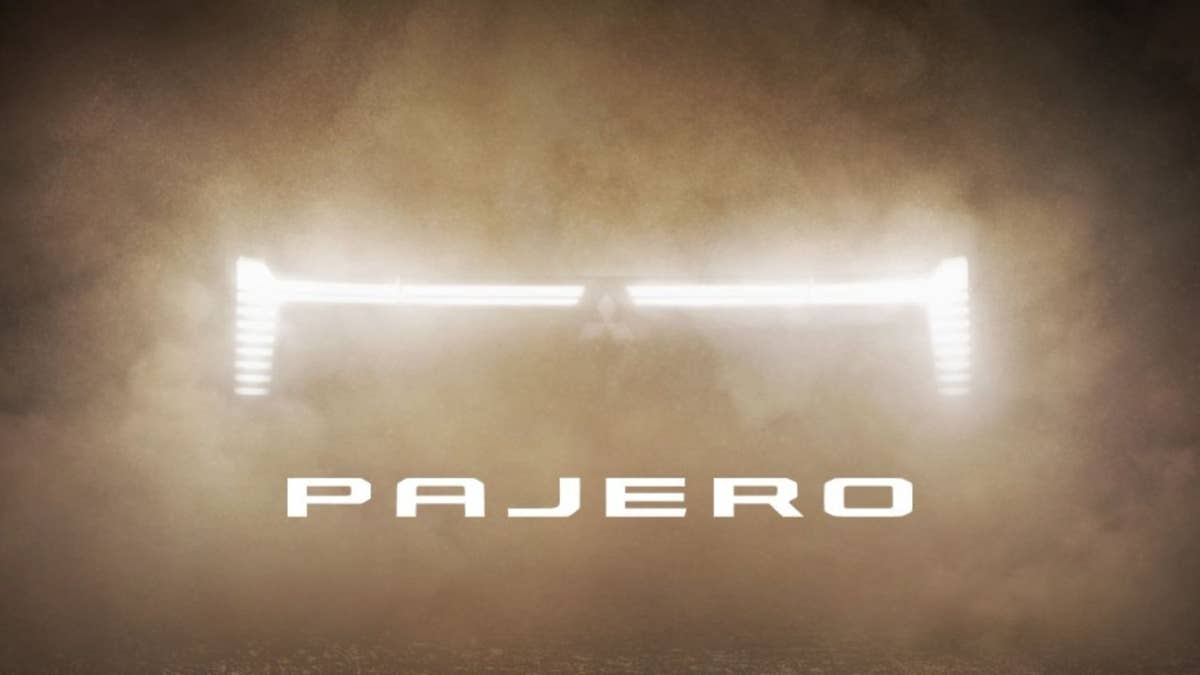
1. Be the Halo Model
Mitsubishi had great halo models back in the day. There was the 3000GT, known as the GTO in its home market, as well as the Lancer Evolution series. For SUVs, it was always the Pajero that was at the top. For the last five years, however, the brand hasn’t had a true flagship model.
Some countries have the Pajero Sport or Montero Sport, a mid-sized truck-based SUV. In other parts of the world, it’s the Outlander that raises the flag for the company. The return of the Pajero and Montero means there’s a new, aspirational model, one that’s also very familiar to the brand’s remaining fans.
MitsubishiMotorsTV/YouTube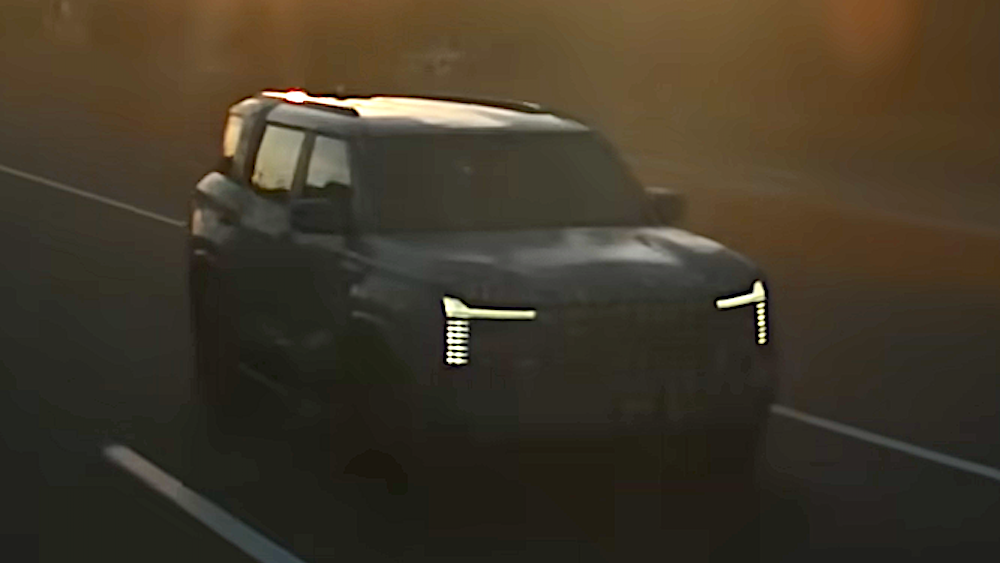
2. Kick Off a New Range of SUVs
The Pajero and Montero will lead what Mitsubishi calls its Off-Road Product Group. Once those models are released, a series of smaller models will roll out within the next five years. That plan was presented in the company’s mid- to long-term roadmap, and the success of this model is crucial for it to follow through on it.
Based on what we saw, there will be slightly smaller versions of the Pajero and Montero coming soon, followed by a compact model and even a subcompact SUV. It’s similar to what Mitsubishi did for this model back in the day, and it hopes to replicate that success in the modern era.
Mitsubishi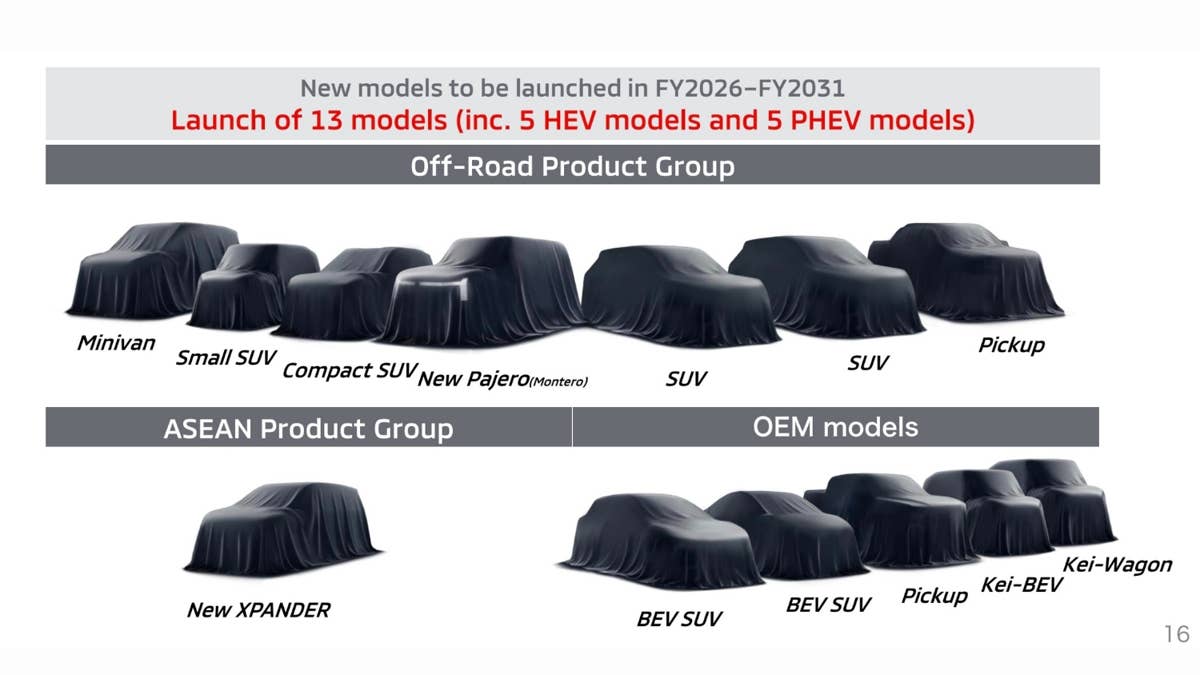
3. Rejuvenate the Lineup
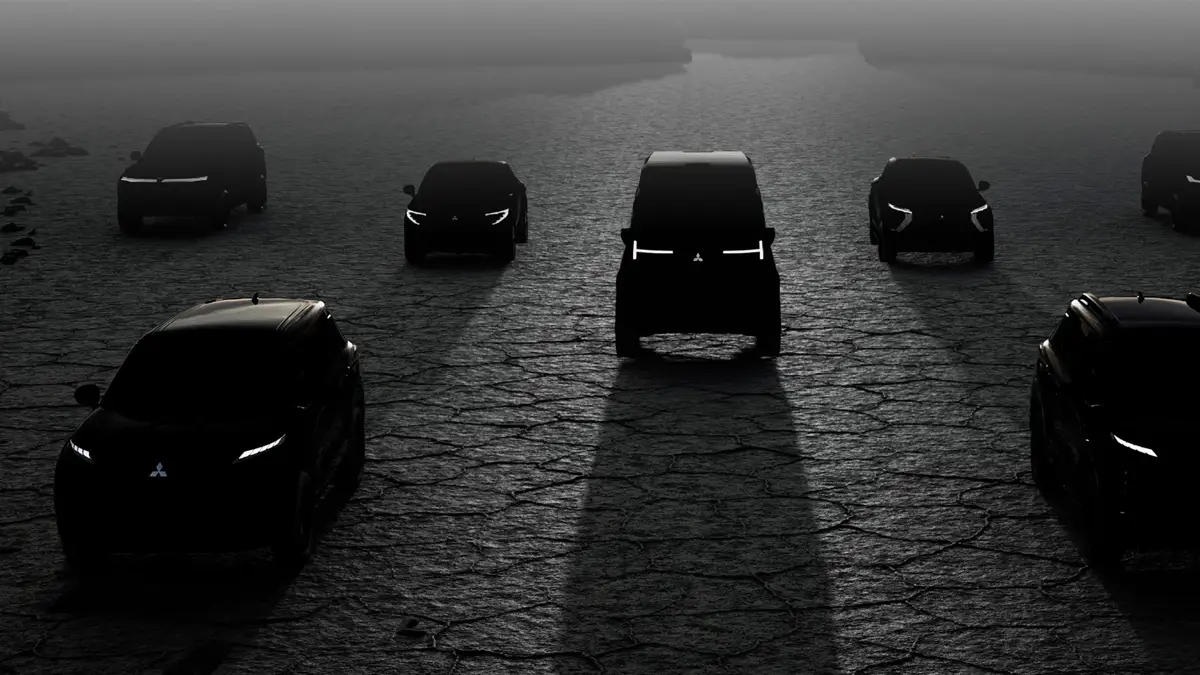
Mitsubishi’s more recent launches have focused on emerging markets. At the same time, it has been relying on its Alliance partner, Renault, to stay afloat in Europe by rebadging the French automaker’s vehicles. At the moment, the company has only two true global models that came out this decade: the Outlander and the Triton. The Triton isn’t even available in the U.S. and Canada.
Adding another global model to the lineup breathes new life into the lineup. Mitsubishi also wants to show that it’s not just building economy models and rebadged Renaults for the rest of eternity.
4. Reestablish Identity
Many of Mitsubishi’s legacy nameplates have fallen by the wayside. The Mirage is gone, and so are Lancer, Galant, and GTO/3000GT. The Eclipse was replaced by the Eclipse Cross, while the Colt remains as a rebadged previous-generation Renault Clio. The only models with an unbroken production streak are the Delica minivan and Triton pickup.
The Pajero and Montero were just shy of 40 years old when Mitsubishi stopped production. As one of the pioneers of the SUV, the company is keen to remind everyone that it’s been in the game for a long time. It must do so by showing its worth off-road, all while adapting to modern customer wants and needs.
Mitsubishi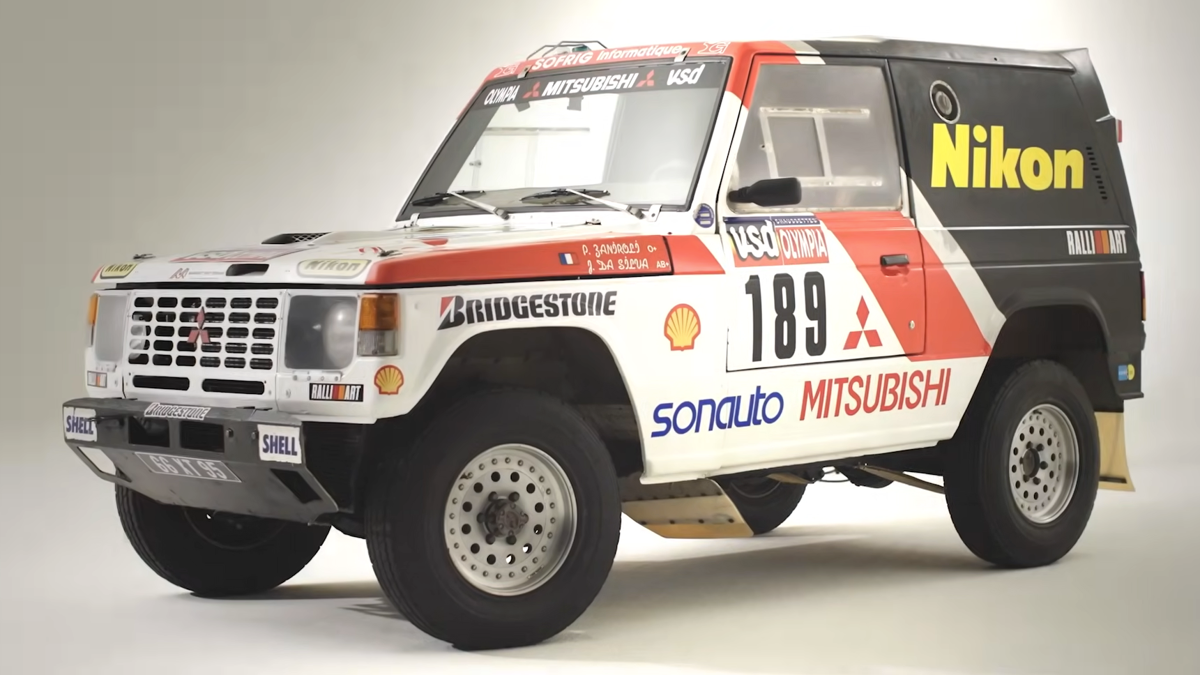
5. Lift the Brand’s Image
It’s still unknown whether the Montero will return to the U.S., but if it does, it’ll have a lot of heavy lifting to do to improve Mitsubishi’s image stateside. The same goes for the European market, where it needs to shed the image of being purveyors of rebadged vehicles. Either way, it’s a tough ask, regardless of the market.
In its more successful regions, Mitsubishi needs to convince customers that this inevitably more expensive vehicle will be worth the extra outlay. It can’t just cater to those chasing nostalgia; it should also appeal to the general public. That’s where the power of its name comes in, and if it falls short, it would mean it was never really strong enough to sustain growth in the first place. Hopefully, for the sake of everyone working at Mitsubishi Motors, that won’t be the case.
Mitsubishi