The ticketing system for the World Cup has been so bad that California, New York, New Jersey, and Texas are investigating FIFA over reports of issues like false advertising and sky-high prices.
Good online ticketing UX prioritizes transparency and ease of use, but for the World Cup, users have complained the system is designed to maximize profit instead of serving fans. Here’s how.
1. The queue and long wait times
To buy a World Cup ticket on Fifa’s website, fans first have to choose between three buttons on its home page, which read “last-minute sales,” “marketplace,” and “hospitality.” If you click on “last minute,” you’re taken to a page to complete a captcha, and then a waiting room where a clock counts down until you can enter the sales portal. On Wednesday it started at 23 minutes, though the time remaining sometimes changed. There’s only a five-minute window to enter, and if you miss it, you’ll have to get back into the queue.
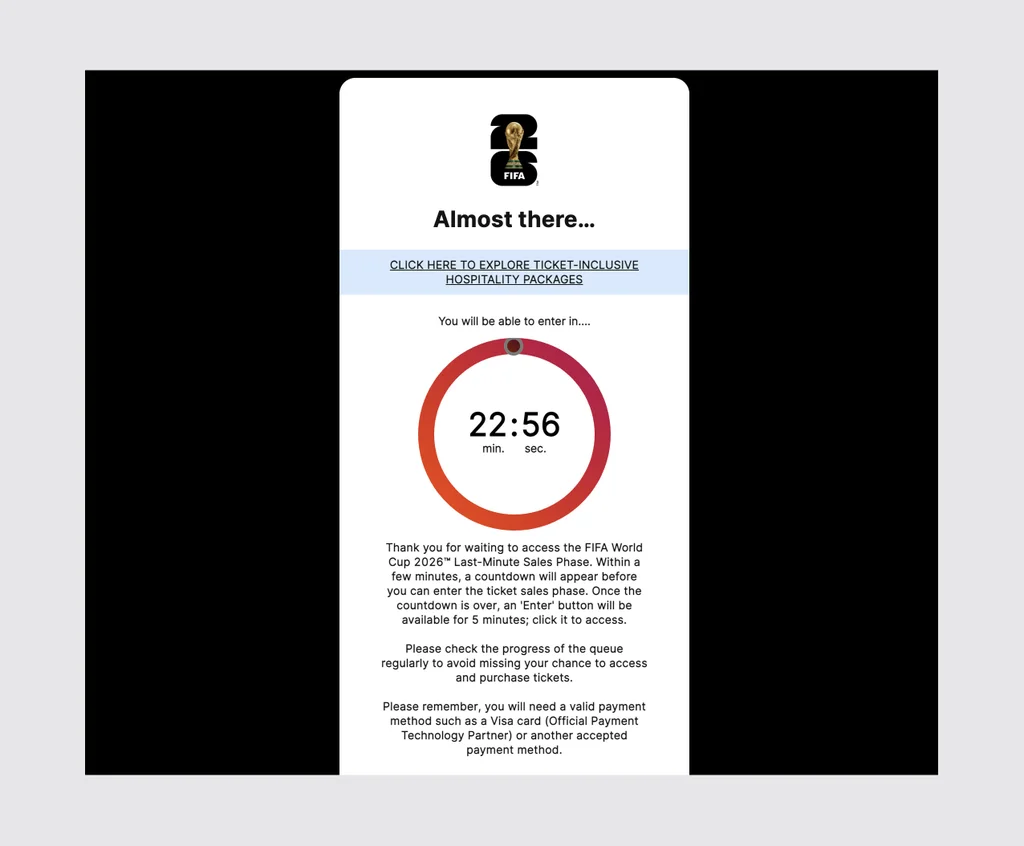
The friction doesn’t stop there. Once you make it through the queue, a user has the option to click linked text at the top of a pop-up window for hospitality packages (which are different than last-minute tickets, and also accessible via a button on the World Cup home page), or to click an “enter here” button at the bottom, which sends the user to a log-in page before providing access to last-minute tickets.
Fans reported hours-long wait times, and tough luck to anyone who got engrossed in another tab while waiting without setting a timer. The friction adds a time cost in addition to the monetary cost of buying a ticket.
After sitting through the countdown, fans might find themselves confused by multiple buttons to click, including a top link to hospitality packages, but clicking enter takes you to a sign-in page, adding more steps to the process.
2. Glitches and error messages
The ticketing system was designed to block bots and dissuade scalpers, according to the Athletic, but by slowing down automated attempts to buy tickets through additional steps and friction, it ultimately led some fans to experience a buggy user journey that left them without any tickets at all.
One error message some fans got when they finally reached the front of the queue said, “You have sent too many requests in a short period of time. Please wait a moment and try again.” And Fifa admitted earlier this month that 60 fans inadvertently got the chance to purchase tickets for free. They were later given the chance to purchase those tickets for full price.
3. Blind ticketing
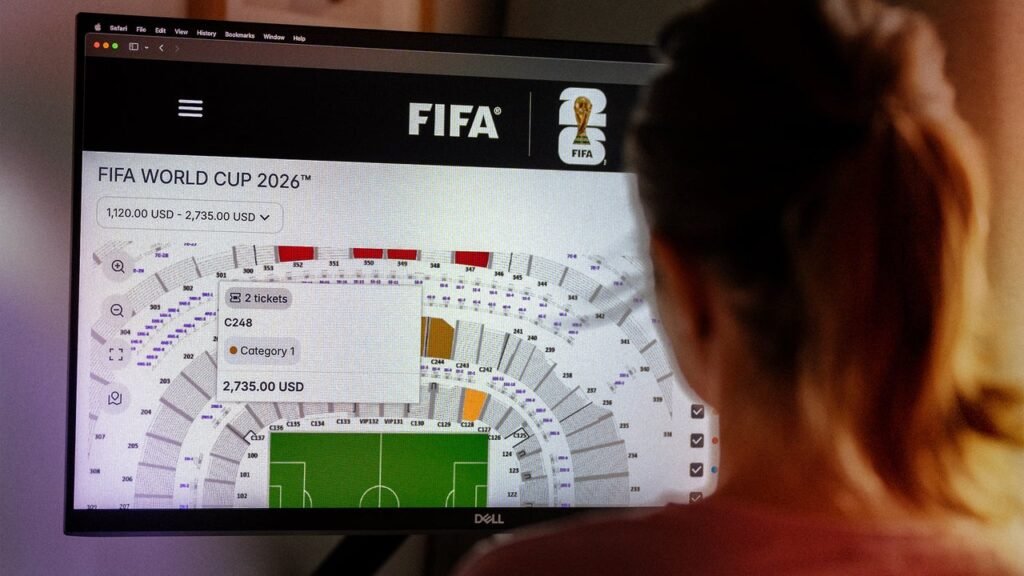
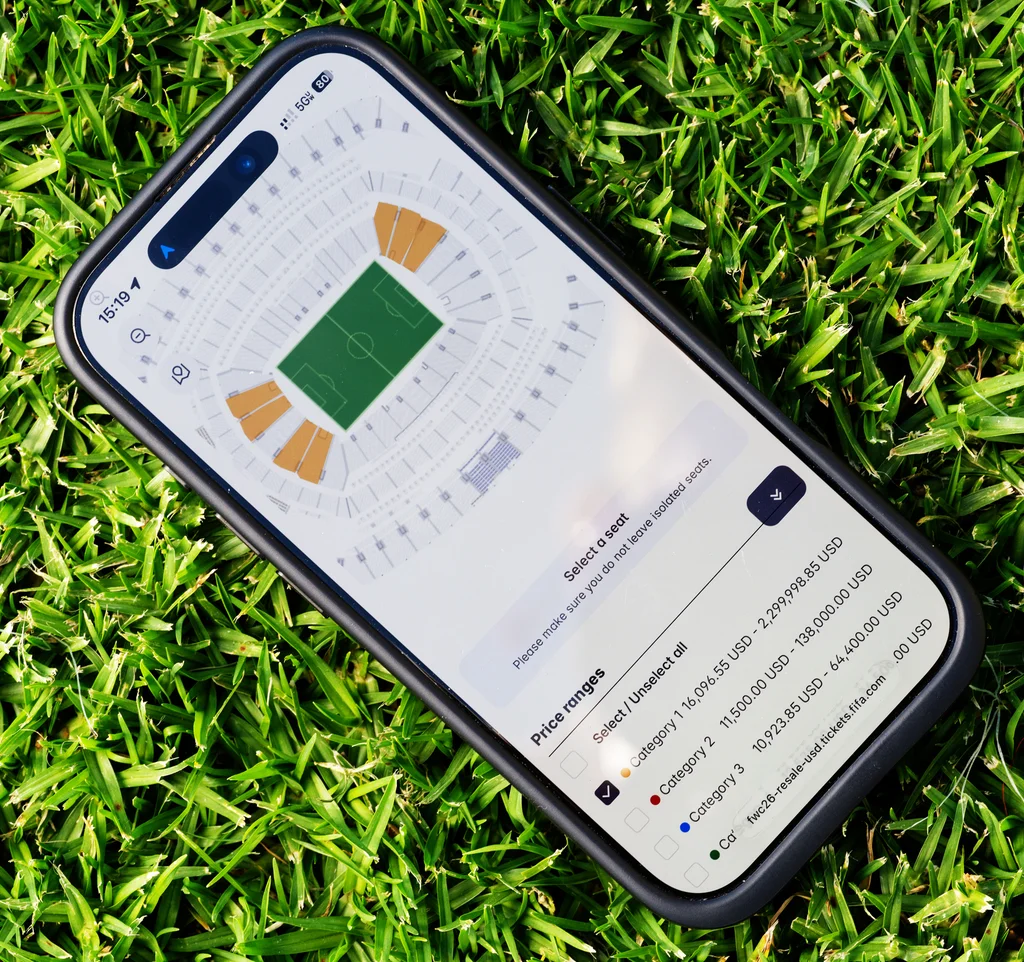
Unlike reserving a ticket for a seat at a concert and movie, FIFA uses blind ticketing, in which you buy don’t buy a specific seat, but instead select the color-coded section of the stadium where you’ll be assigned a seat later.
That meant when pre-sales opened last October, fans only knew what section they were buying into generally, and after seats were assigned in April, many found they’d be given sub-optimal seats—or moved into a different section entirely because section maps changed, according to the Athletic.
The seat map doesn’t appear until later in the user journey. Even then, it doesn’t follow information design best practice, since it doesn’t clearly communicate exactly what the user is buying. The map doesn’t show how many seats are left or where exactly you’ll sit within a section, nor does it indicate that certain rows are already reserved for premium seats, or that the designated sections can shift.
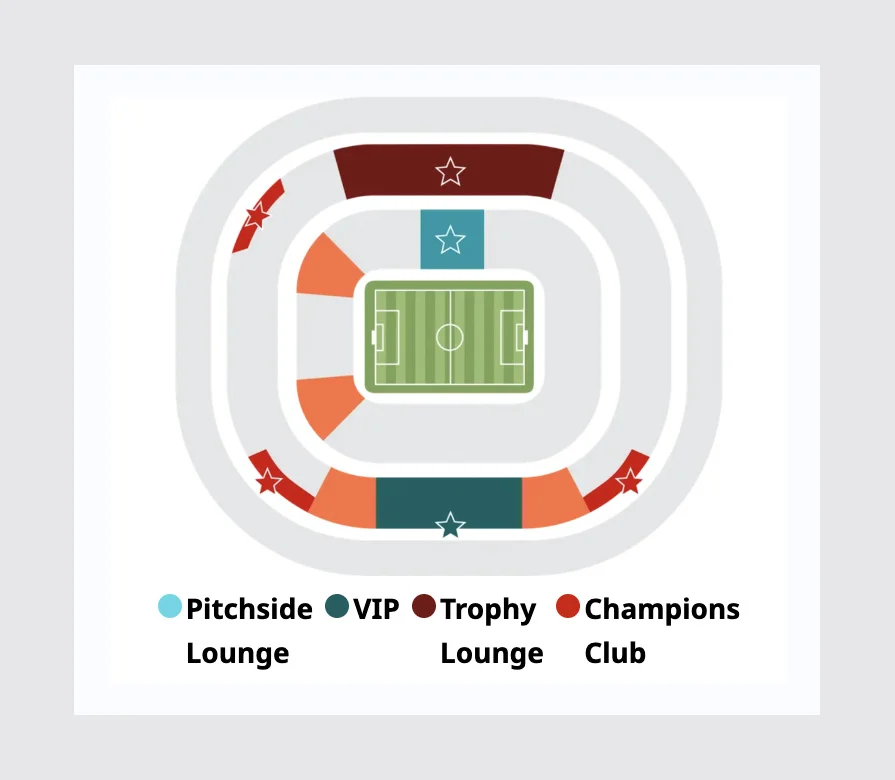
The high-end hospitality seating packages, which for some matches is the only seating still available, is similarly vague about what you’re buying and how many seats are still left. Ultimately, the user journey is more of an opaque gamble.
“Some consumers have reported feeling deceived because the seats they were ultimately assigned belonged to a lower-tiered category based on the seating map available to them at the time of purchase,” California Attorney General Rob Bonta wrote in a letter to FIFA.
4. Not designed for companion seating
Disabled fans found wheelchair and accessible seating was priced higher than other seating and it was also difficult to purchase companion seating, which wasn’t available until the fourth phase of ticket sales, according to the Guardian.
Fifa’s ticketing policy doesn’t guarantee that group tickets will be seated together, and its “Sit Together” functionality, which appeared as an entry field to enter a ticket purchase number and a “sit together” button to click, ended in February.
Fans on Reddit have complained that their groups have been split up despite buying the seats in the same order, and it could mean that like in 2020, families could find they’re not even seated together.
5. Dynamic pricing
FIFA used dynamic or surge pricing for this year’s World Cup, which meant prices can and have gone up due to demand. Instead of a fixed price, an algorithm takes demand into account for how much charge, squeezing as much money as possible from fans.
Already this year, dynamic pricing has come under fire. U.S. lawmakers criticized Ticketmaster for pushing artists to aggressively expand dynamic pricing, and dynamic pricing led to higher ticket prices, according to a March report from the Senate Permanent Subcommittee on Investigations.