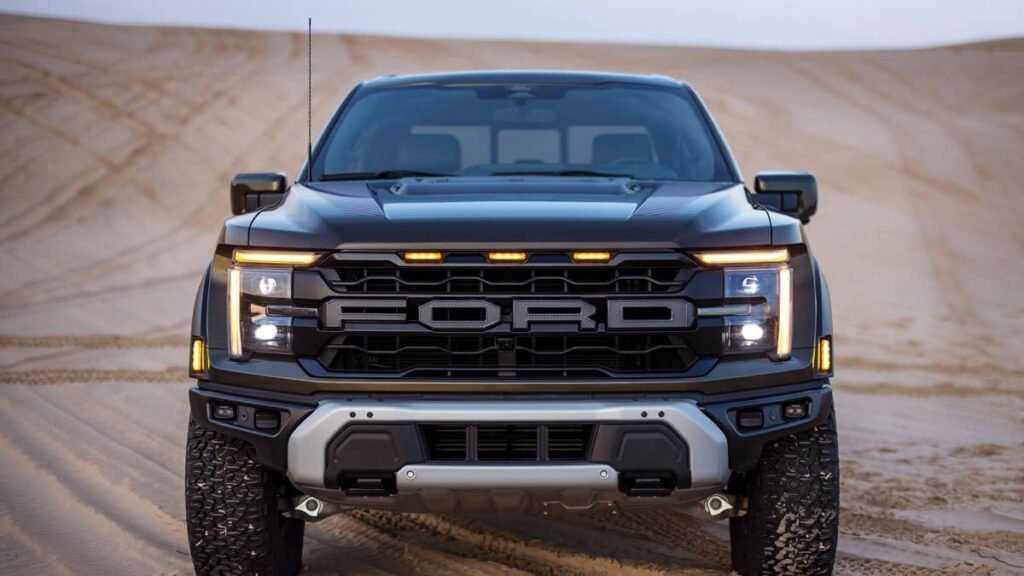
As negotiations officially reopen for the United States-Mexico-Canada Agreement (USMCA), Ford Motor Company is making its feelings heard. CEO Jim Farley has made it unequivocally clear that the Dearborn-based automaker wants a revamped trade deal that explicitly rewards companies investing heavily in domestic manufacturing. Concurrently, Farley is turning up the heat on major competitors who rely heavily on foreign imports to pad their bottom lines.
Ford’s Position
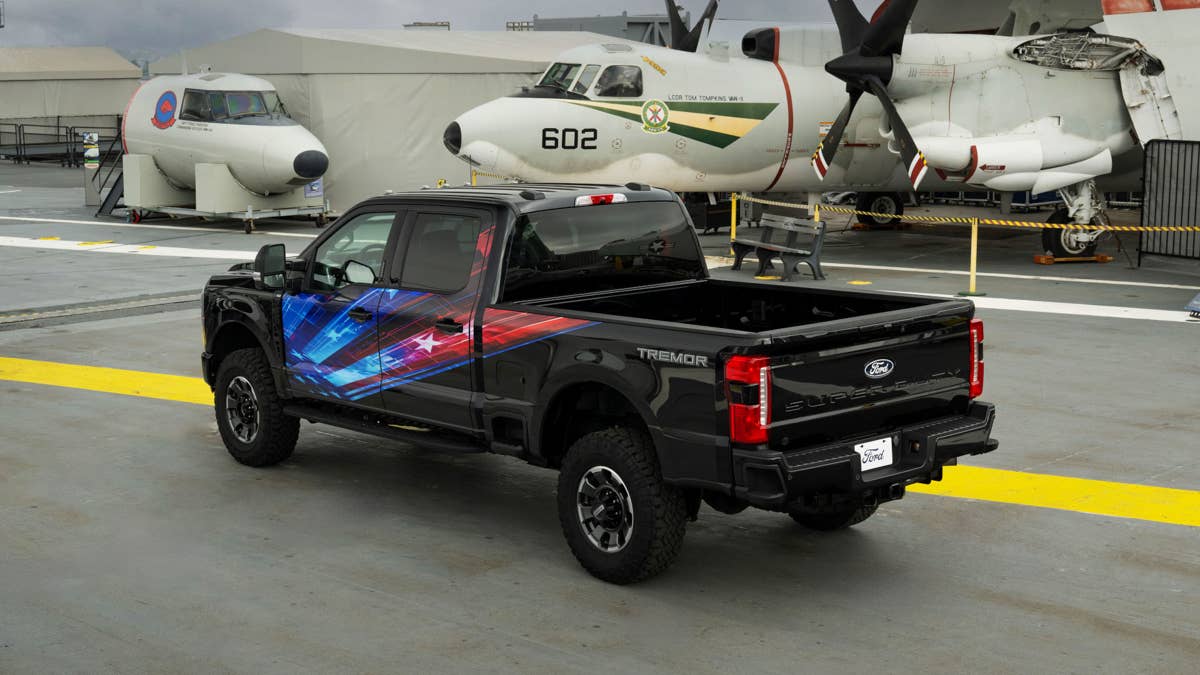
Farley’s core argument is rooted in a simple, economic premise: if you build your products on American soil, you should reap the benefits of the American market. For years, major automakers have capitalized on lower labor costs by shifting production to countries like Japan, South Korea, and Mexico. Ford, however, maintains a massive domestic footprint and proudly employs the highest number of United Auto Workers in the industry.
Ford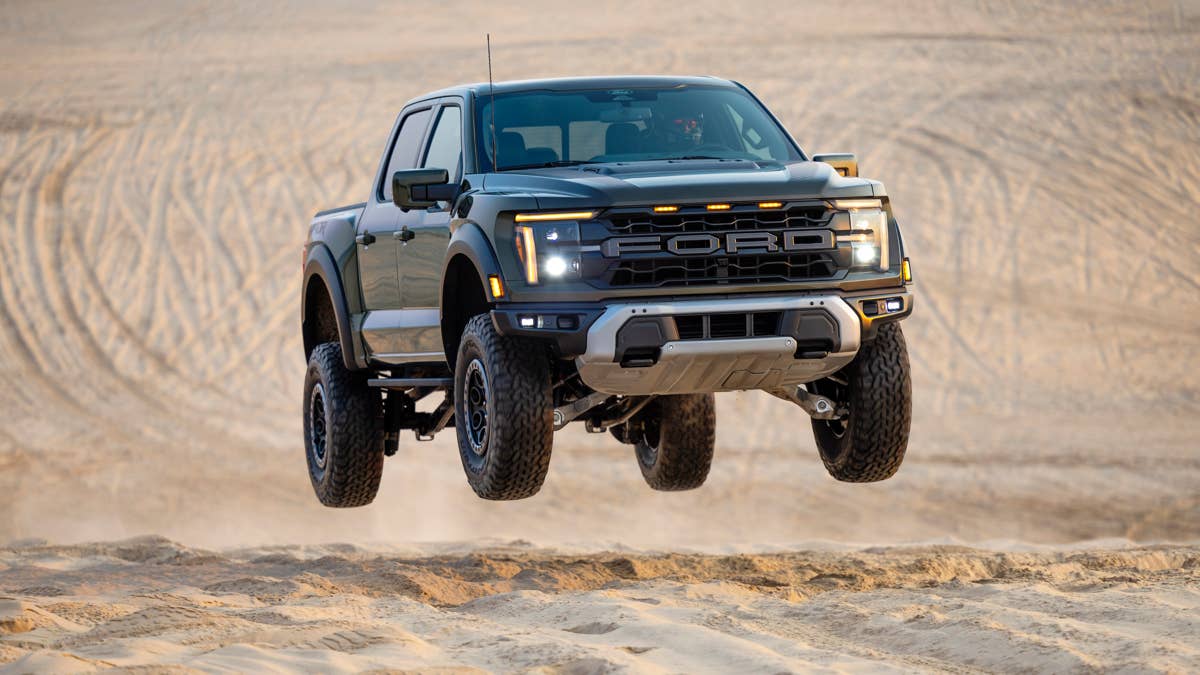
Recent industry data highlights a stark contrast in how Detroit’s legacy brands and global giants structure their supply chains. Last year, Ford assembled over two million vehicles in the U.S., leading the industry in domestic production. Of its 2.2 million domestic sales, only seventeen percent, or 378,000 vehicles, were imported. Crucially, Ford also acted as a major global supplier, exporting 311,000 U.S.-built units to over sixty international markets.
What About Competitors?
The competition tells an entirely different story. General Motors imported 1.17 million vehicles last year, accounting for a massive forty-one percent of its U.S. sales. Toyota sits at the very top of the import list, bringing in 1.19 million vehicles, which amounts to 47 percent of its domestic sales. Farley argues that this current framework creates an uneven playing field. In a recent interview with CNBC, he stated that any new agreement must make it easier to compete with makers who heavily import from overseas.
American Support
For the American consumer, this trade dispute hits incredibly close to home. Buying “American-made” has long been a badge of pride, yet the reality behind that badge is growing complicated. While rivals like Toyota and GM do build popular models locally, their heavy reliance on foreign assembly lines for nearly half their lineups gives them a distinct cost advantage over domestic-focused producers.
Ford
As the government pushes for annual reviews of the trilateral trade pact rather than a blanket renewal, Ford is aggressively leveraging its domestic data to lobby for structural changes. Whether regulators will ultimately introduce penalties for importers remains to be seen, but Ford is betting big that its steadfast loyalty to American manufacturing will finally pay off at the negotiating table to level the playing field.