Somewhere in America, a physician is trying to reconstruct where their patient has been for the last six months. A hospital admission in March, a discharge to a rehabilitation facility, and then the specialist follow-up that may or may not have happened, with a medication list that is out of date. The patient does their best to fill in the gaps from memory. The office visit is only 12 minutes long, and most of it is spent on detective work.
When the visit is over, the doctor returns to endless bureaucratic tasks, having spent more time digging through records and charting than caring for the patient. Members of today’s patient care continuum, like primary care, pharmacy, specialists, home health, skilled nursing, and beyond, operate on siloed, disconnected information systems that create an immense amount of inefficient work. As a result, primary care physicians spend more than half of their workday on computer-based electronic health record (EHR) tasks.
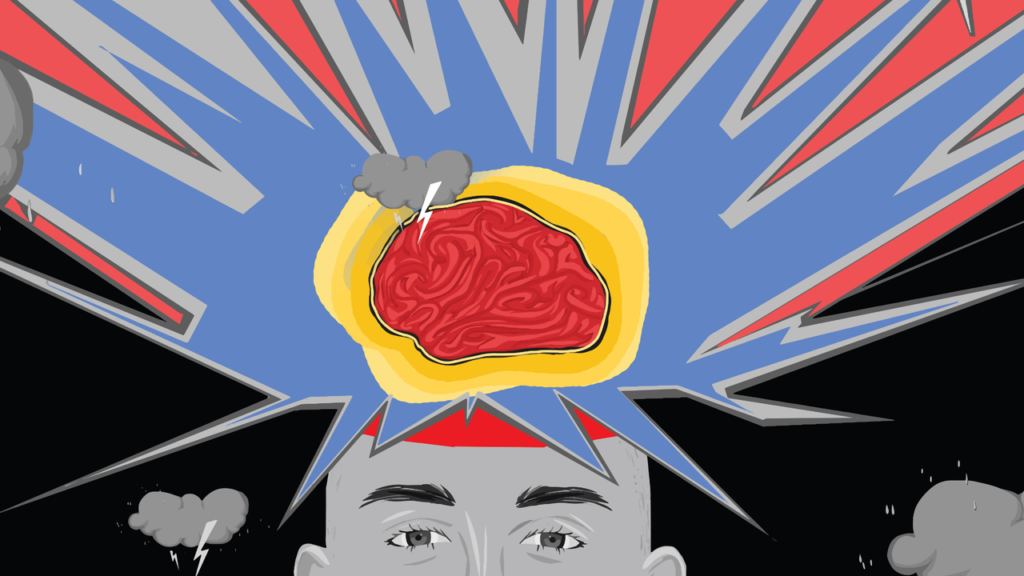
This never-ending “type‑and‑click” work is a major driver of physician burnout, which can lead to medical errors, decreased care quality, safety incidents, and reduced patient satisfaction. Some physician burnout rates are nearly 50%. The strain does not come from EHRs alone; time pressure, chaotic workplaces, low control of work pace, and organizational culture further exacerbate conditions.
In response, physicians are leaving the industry at an alarming rate. In another AMA survey, more than 35% noted interest in leaving their jobs in the next two years. The U.S. can’t stand to lose that many physicians, as the country is already projected to face a shortage of up to 86,000 physicians by 2036.
RUDDERLESS PATIENT DATA CREATES BURDEN
Health systems generate more patient data than most physicians can ever see. Unfortunately, it sits idle across disparate systems. Primary care physicians aren’t notified when one of their patients goes to the ER and requires a follow-up. A skilled nursing facility isn’t made aware of a prescription change that puts an elderly patient at risk of a dangerous medication interaction.
In our work with providers, we have found that poorly designed digital tools leave them with less time for patients and more time chasing the information they need to avoid these issues. Physicians frequently share that interoperability gaps and clunky design can affect their performance and increase patient safety risks.
One analysis found that stress from technologies, chronic time pressure, and persistent workflow issues greatly contribute to clinician burnout. Because multiple EHRs cannot easily share or interpret data, clinicians must hunt through information trails with faxes and phone calls to compile complete health pictures before making care decisions. The case for connected and actionable patient data is paramount to supporting providers’ mental health, helping them close frequent issue points, and addressing some of the main contributors to physician burnout.
SHELVE THE MINDFULNESS APPS AND PUT PATIENT DATA TO BETTER USE
People tend to categorize physician burnout as a resilience problem, something that mindfulness apps, wellness stipends, and protected lunch hours can fix. But those are band-aids. The real answer is cutting physicians’ endless hours at the keyboard by adopting technology that shares patient data among every provider who touches a patient’s care, including public health and community partners, so physicians easily understand the full health picture and receive real-time alerts on what matters most for their patients.
When data moves with the patient, each visit in the care journey changes its shape. A physician gets pinged the moment their patient lands in the hospital, knows exactly where they went after discharge, and can intercede before the next hospital readmission instead of after one. The 12-minute visit becomes 12 minutes of actual medicine instead of fatiguing detective work.
Effie Carlson is the CEO of Watershed Health and Monica Rivera, MD, MPH is the chief growth officer of Watershed Health.