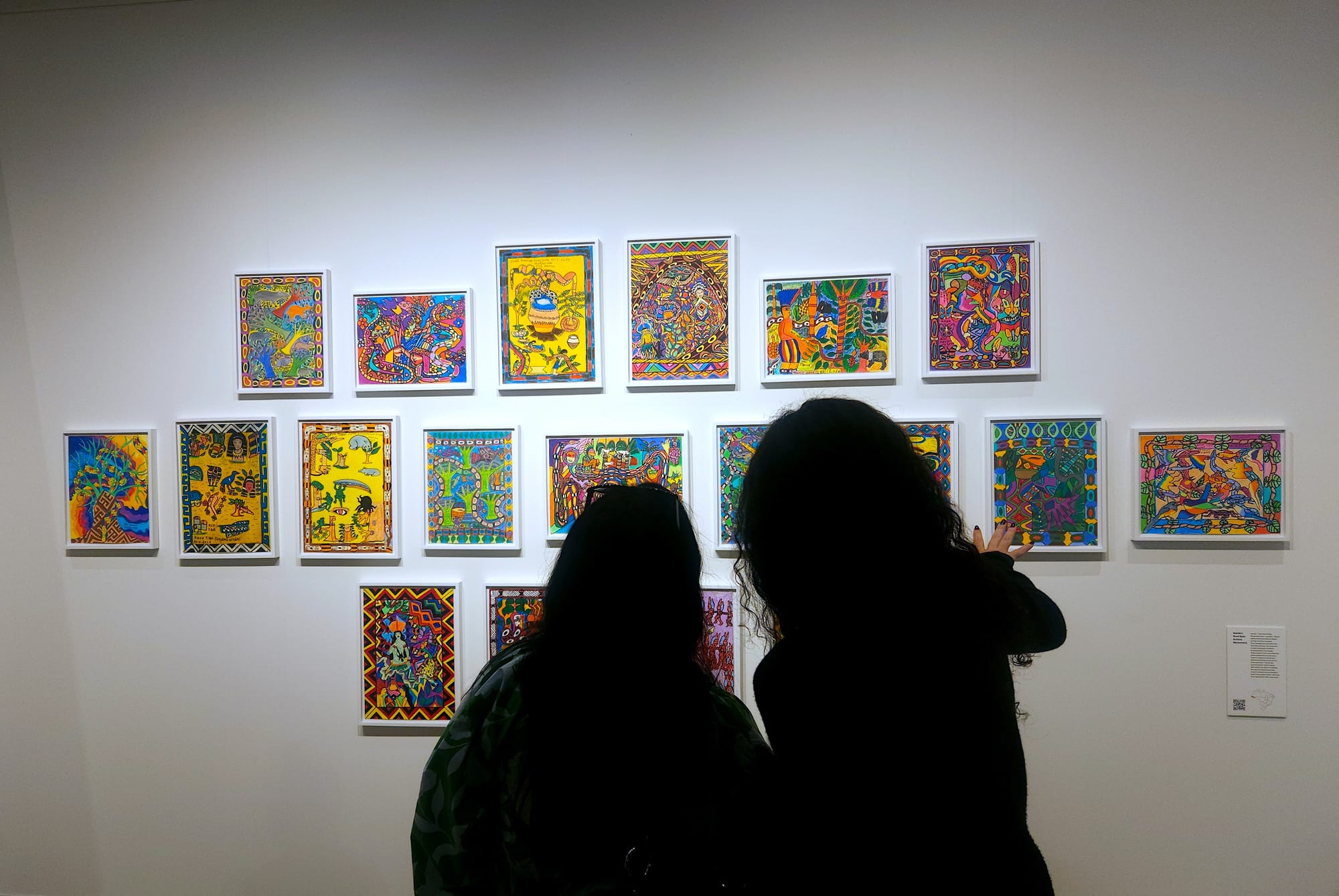
Less than three weeks after the Brooklyn Fine Art Print Fair smashed attendance records at Powerhouse Arts (PHA), the Gowanus-based nonprofit has debuted yet another ambitious new program. I returned yesterday evening to check out the opening night of the inaugural edition of the Conductor Art Fair. Running through Sunday, May 3, the new event is a tightly curated yet experimental foray in representing, in its own words, “the global majority and Indigenous nations.”
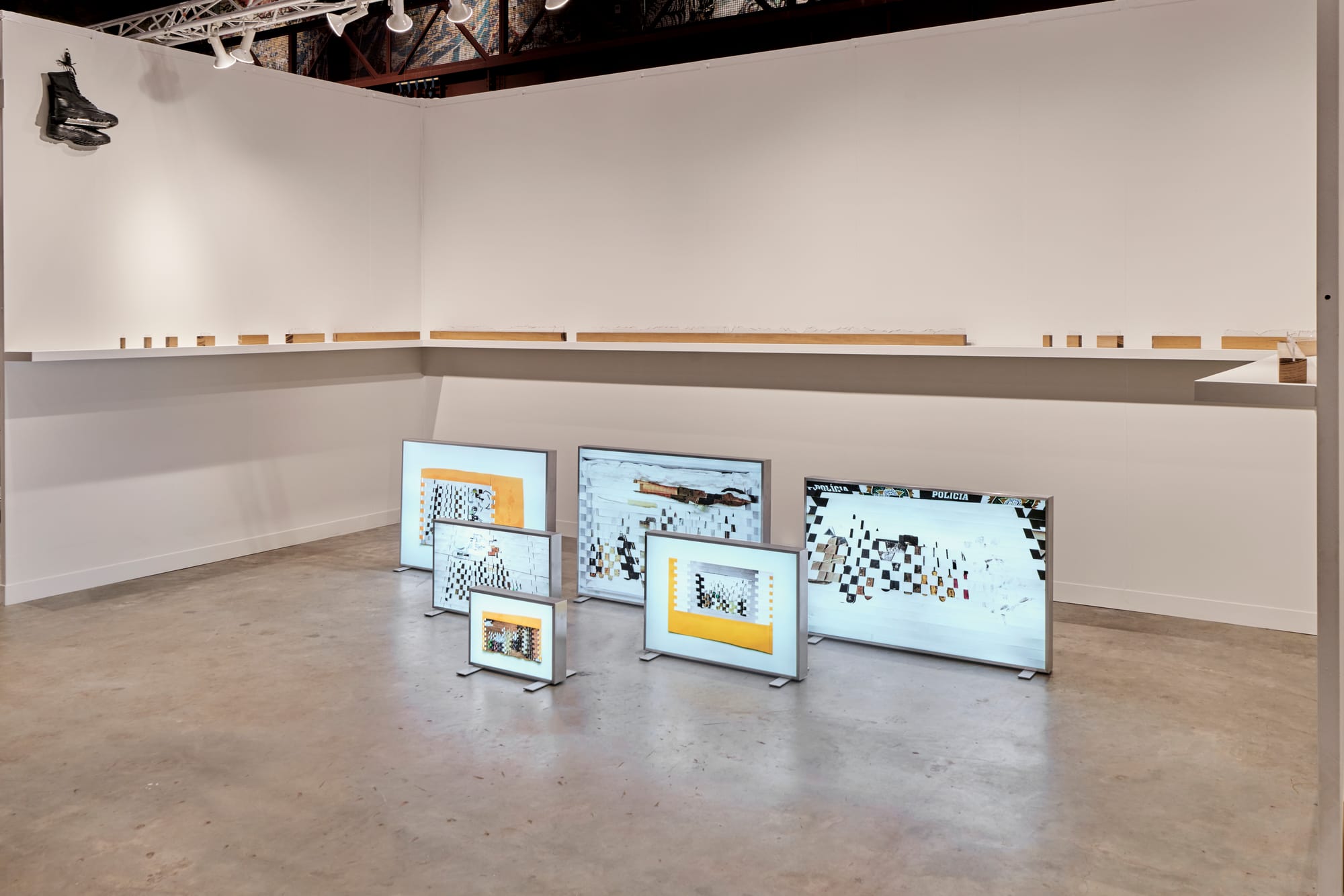
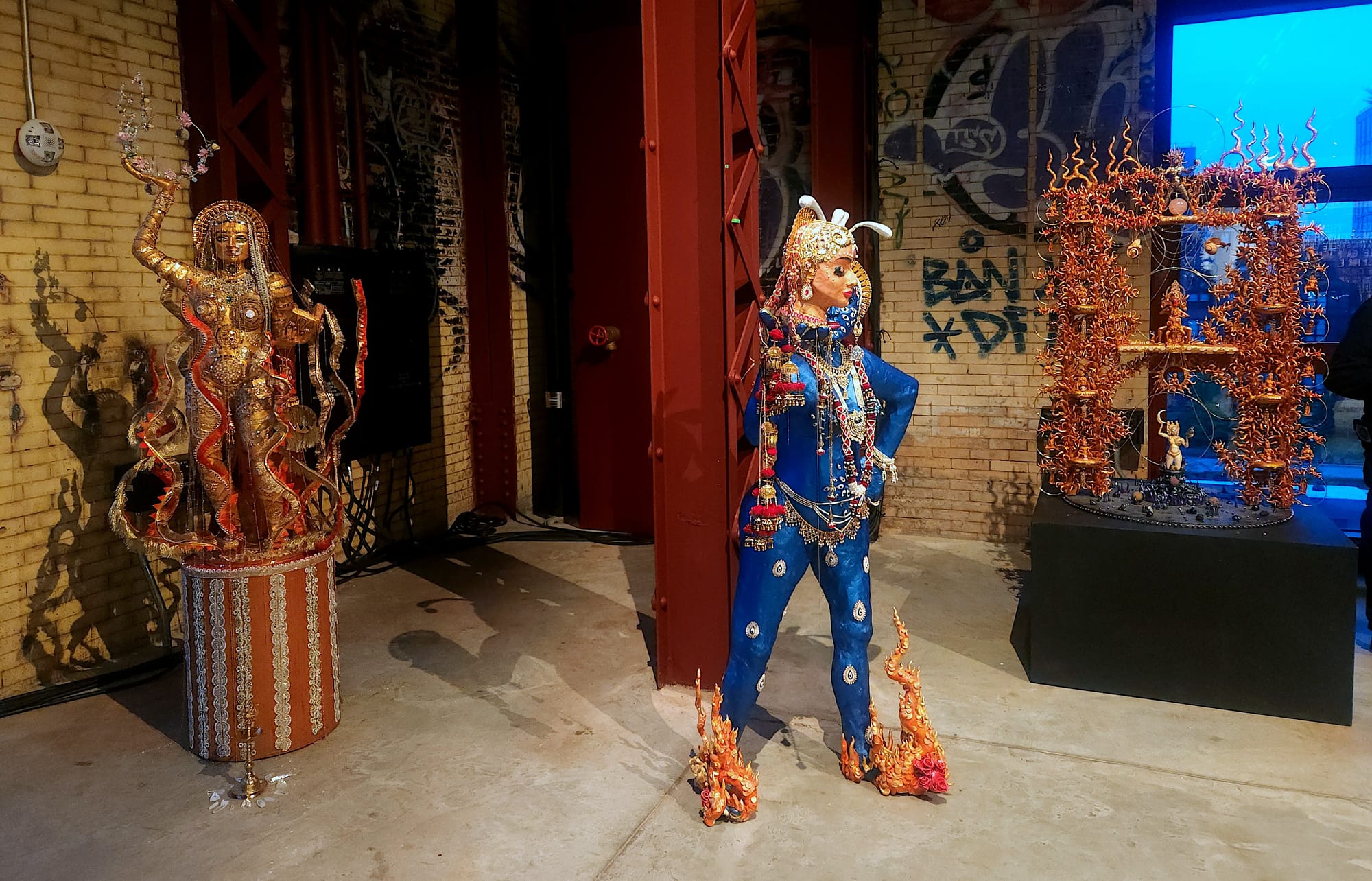
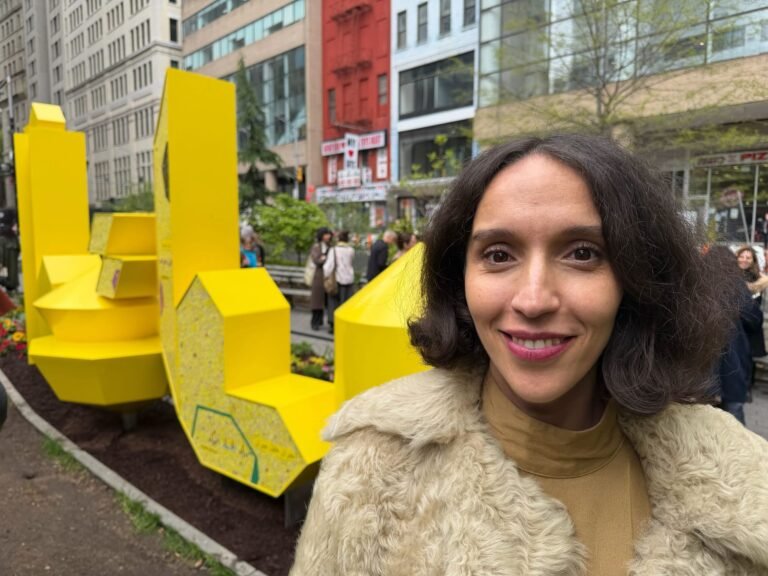
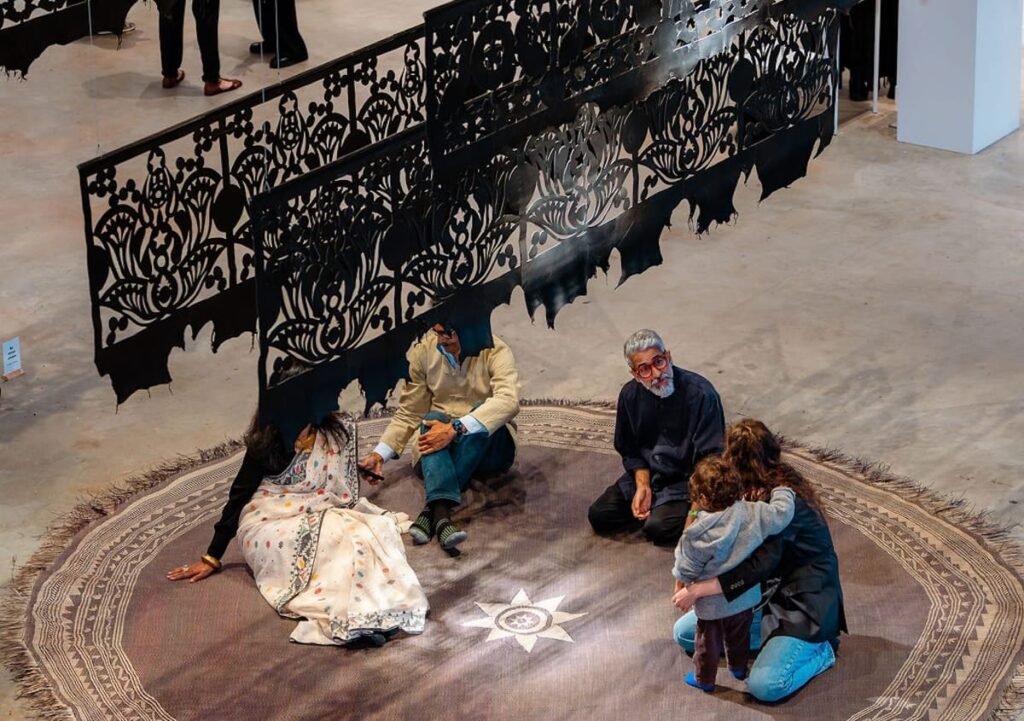
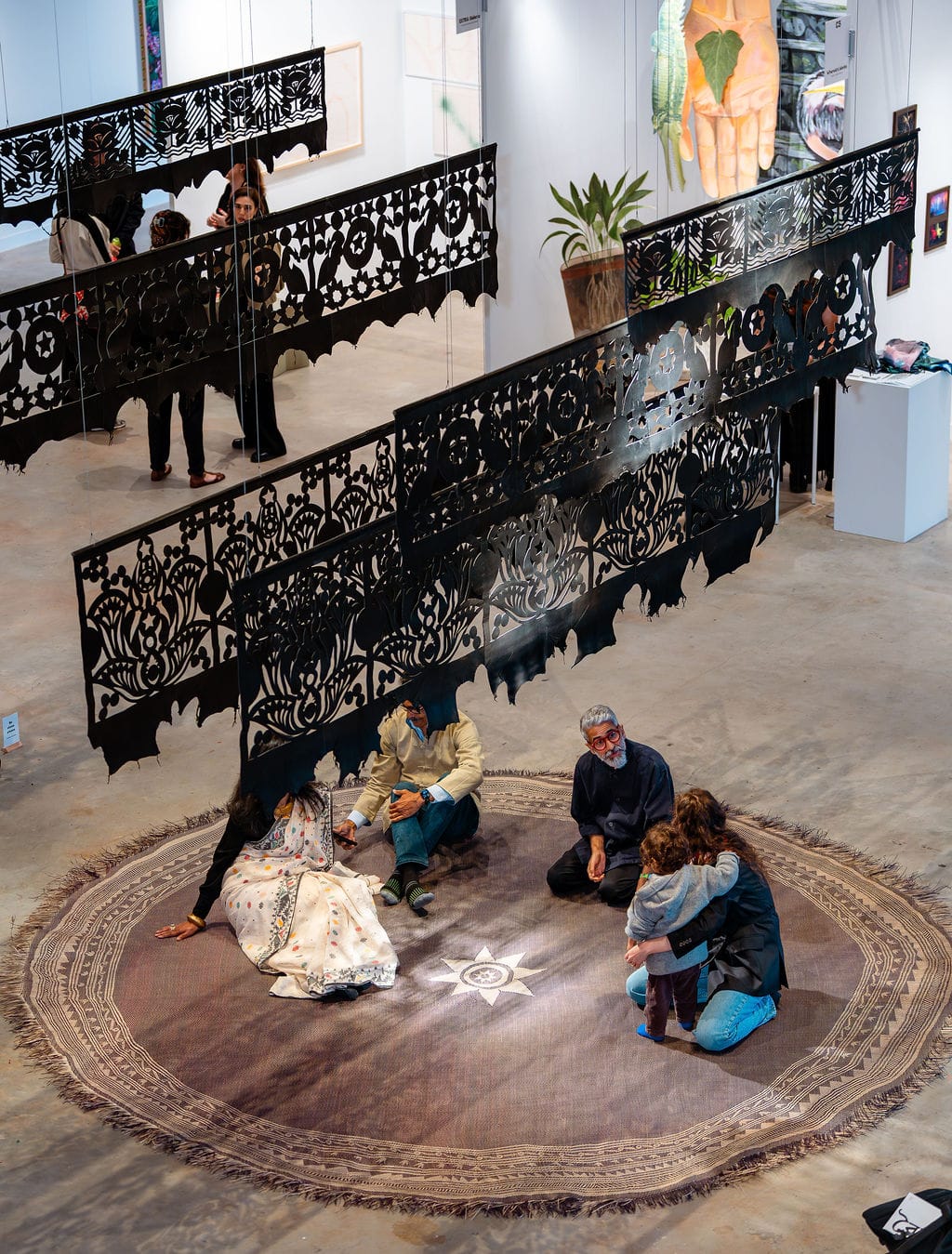
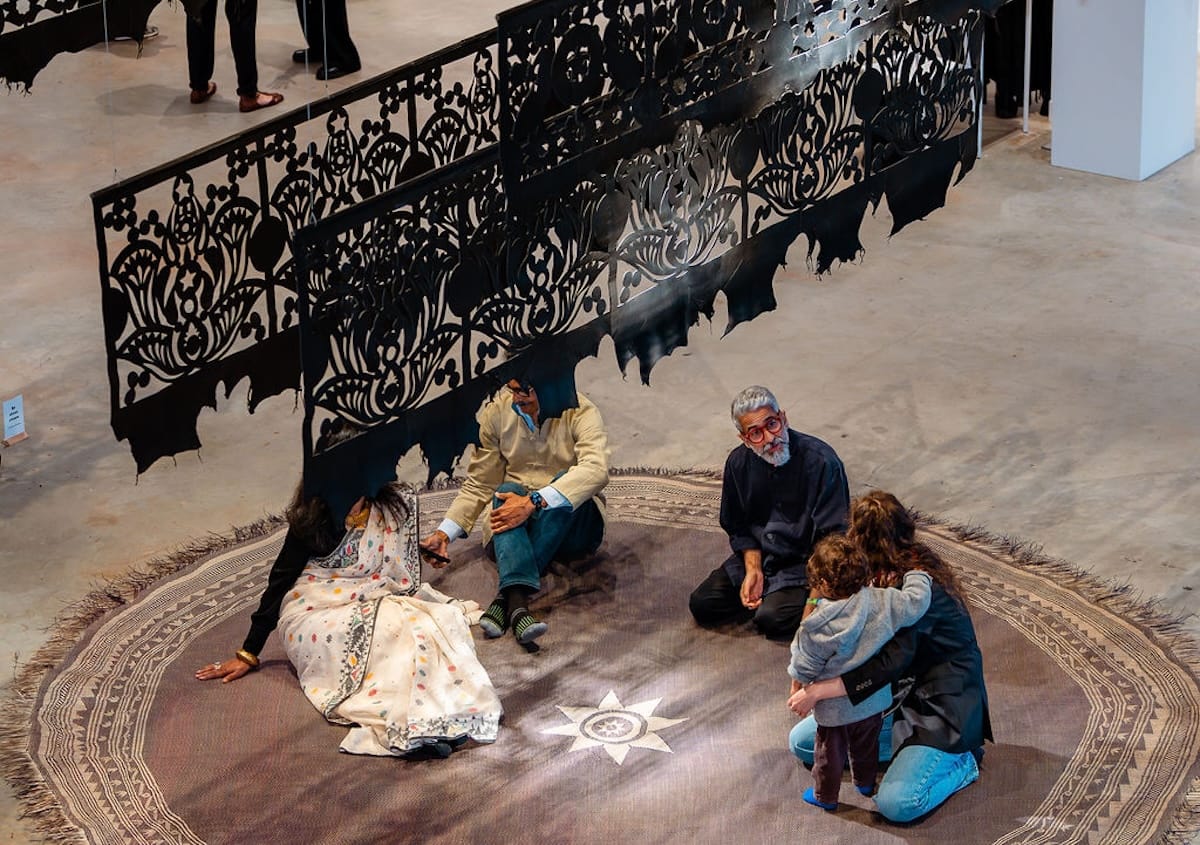
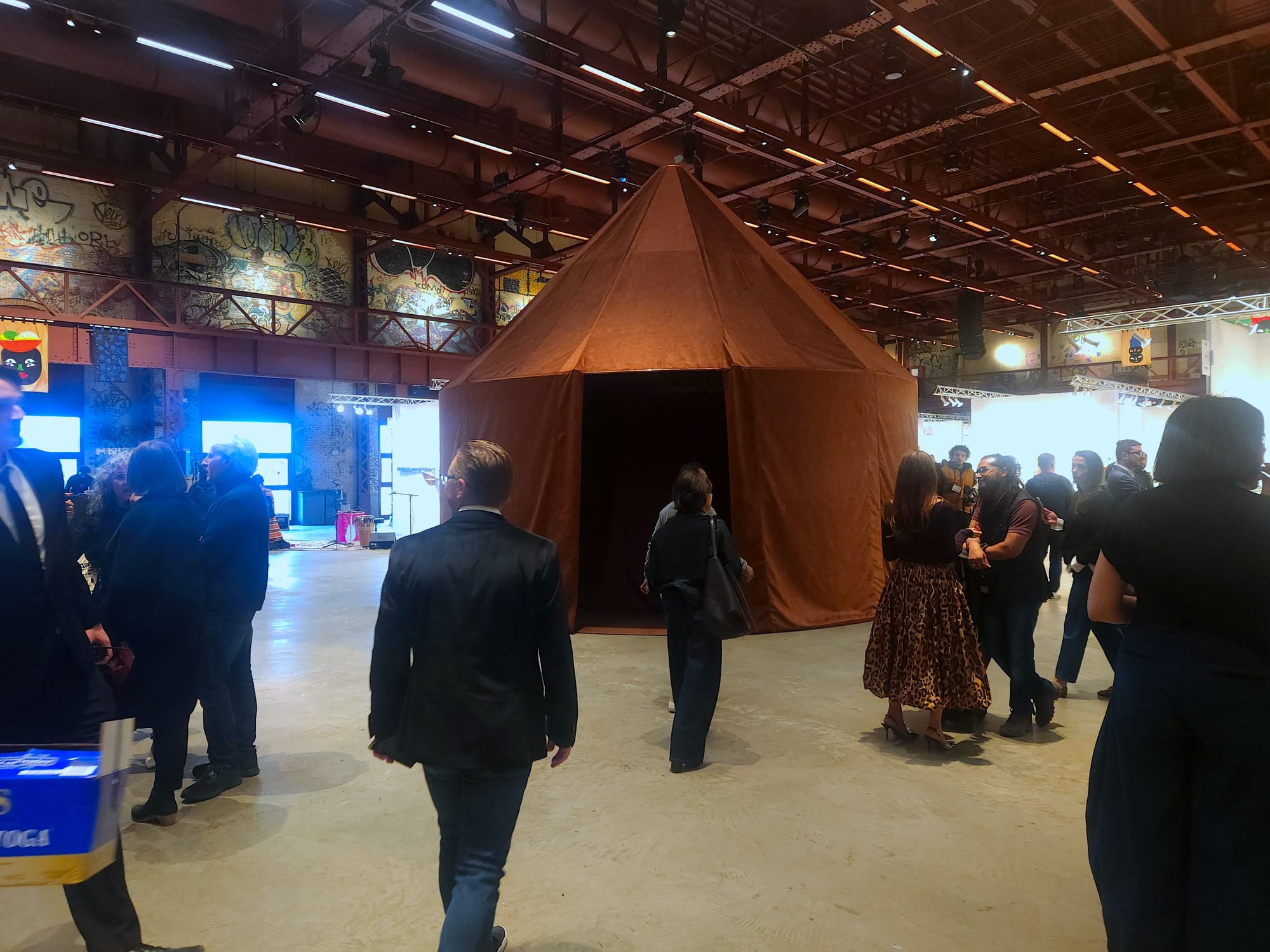
To that point, a gargantuan chocolate-brown yurt structure stands just 20 feet left of the stairs leading to the fair, functioning both as a site of meditation and a central meeting point. Directly across from it is a selection of new sculptural work by Palestinian artist Khaled Jarrar, a joint presentation of assemblages by Puerto Rican sculptor Margarita Vincenty and mixed media collages by Venezuelan artist Esmelyn Miranda, and a variety of artwork by Bangladeshi multidisciplinary artist Bishwajit Goswami.
Co-curated by Fair Director Adriana Farietta — formerly deputy director for the Armory Show — and PHA President Eric Shiner, Conductor brings together 28 gallery exhibitors and 20 special projects, some of which are presented by self-representing artists. Though some participants applied to the fair organically, Farietta and Shiner cultivated strong personal relationships with the majority of exhibitors and encouraged them to apply.
In a post-opening email, a PHA spokesperson explained that the fair was developed to foster accessibility for galleries and artists who haven’t shown in the United States or don’t have the resources to regularly participate in the New York art market. Farietta also wrote that they had intentionally scheduled the fair ahead of New York Art Week, so that participating galleries and artists didn’t have to “compete with a small pool of collectors who are on the traditional ‘fair circuit.’”
Exhibitor booths started at $2,500 for nonprofits and $3,500 for artist-run collectives and spaces, topping out at $12,500 for the largest booth. Self-representing artists were able to participate at no cost with a contingency agreement that 30% of any sales at Conductor were donated to PHA.
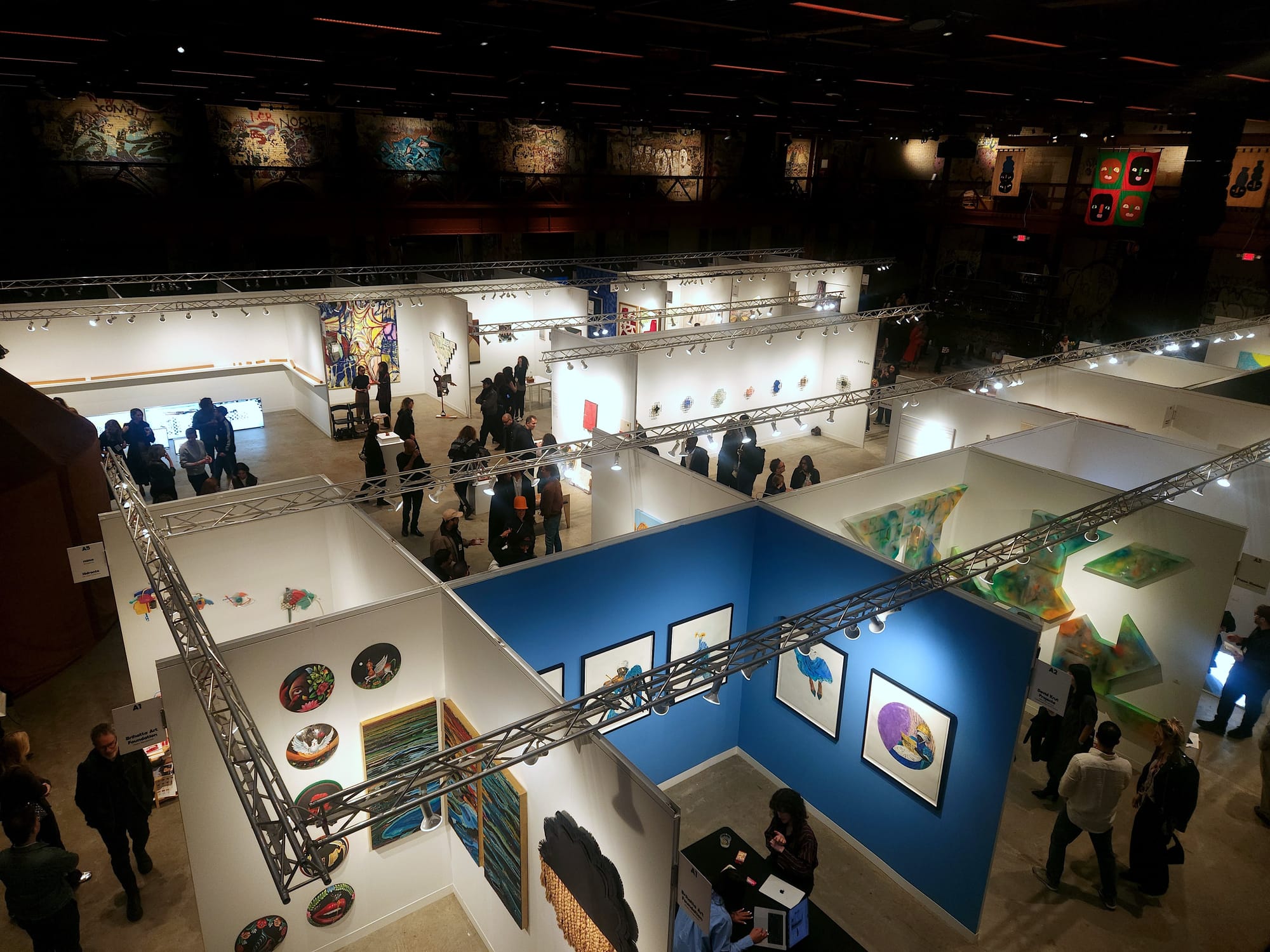
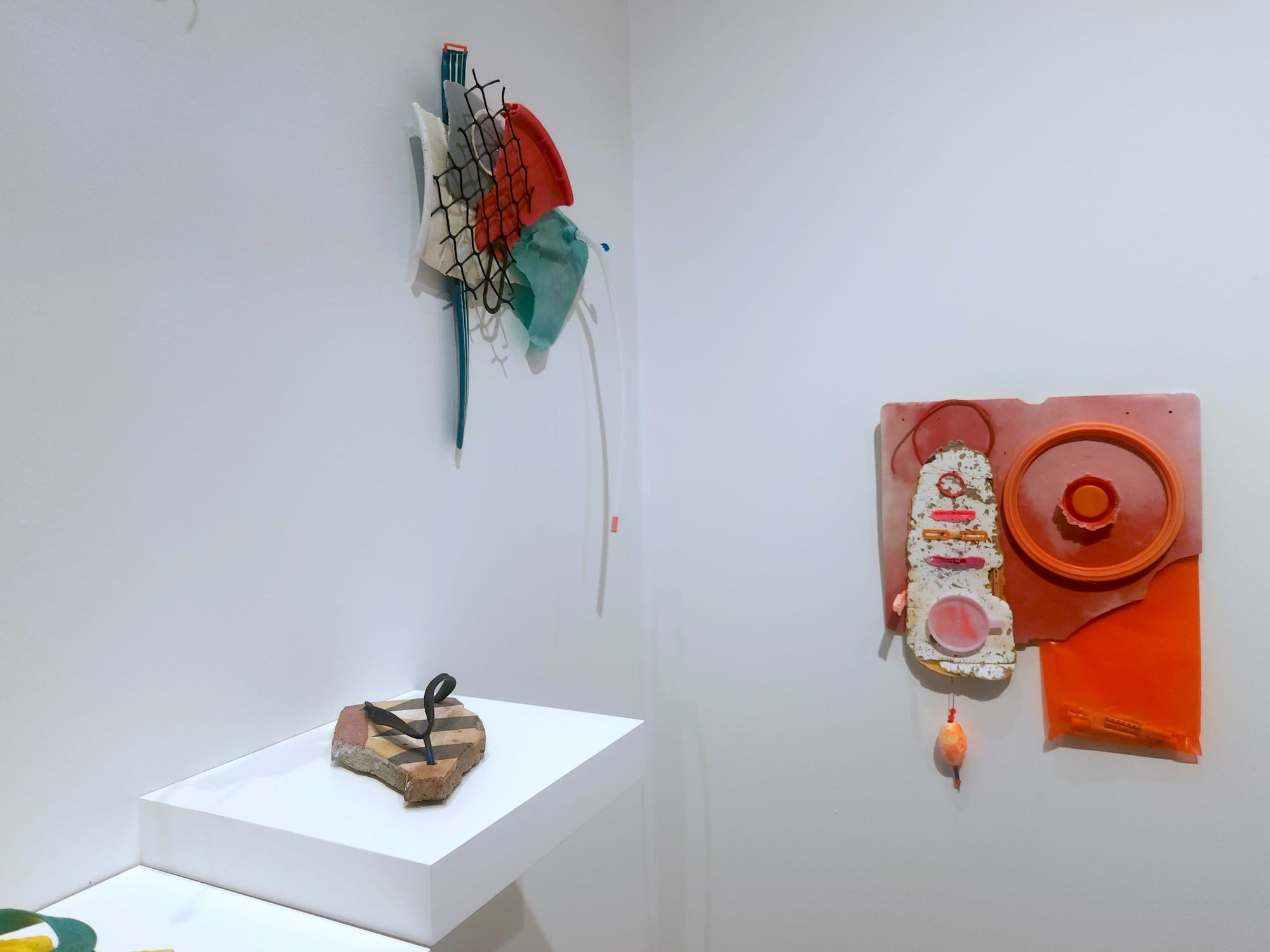
José López Serra, the director of the Puerto Rican independent project space Hidrante, affirmed that the fair was very affordable, adding that Hidrante and the Bushwick-based gallery Mimo went in on a booth together to show Vincenty and Miranda.
The former’s vibrant assemblages are crafted from garbage that washed up along Puerto Rico’s beaches.
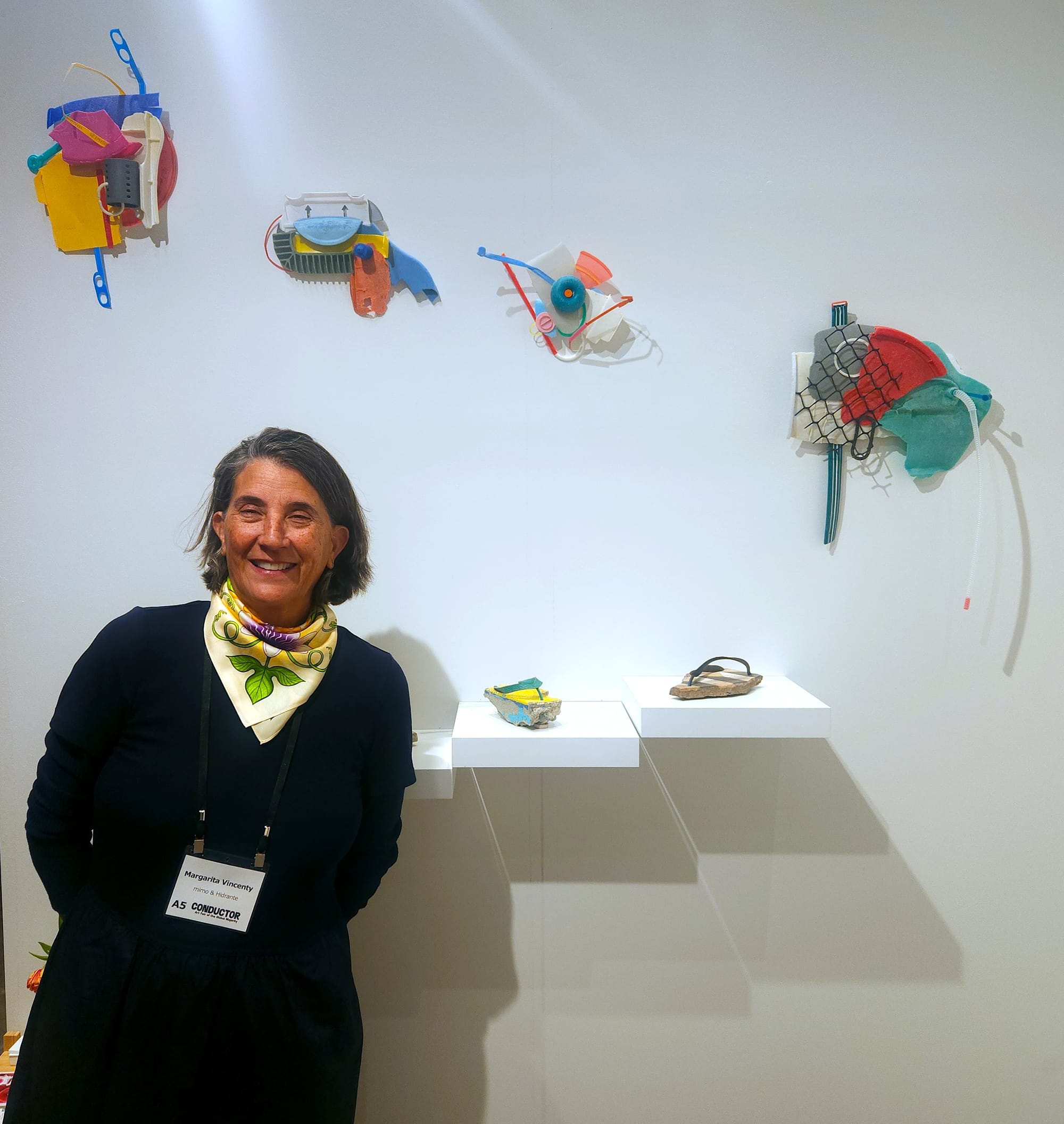
“I used to pick up more driftwood at first, but now I work more with plastic because I can play with the duality of it — with the happiness of it and the ugly part that no one wants to admit, that these plastics are probably here forever,” Vicenty said.
“I want to present it as a problem and put it in your face, but I also don’t want it to be depressing since we have enough of that around us,” the artist continued. “We have enough depression around us, you know? I’m a tropical person, so I want to transmit the light and bright colors we’re known for.”
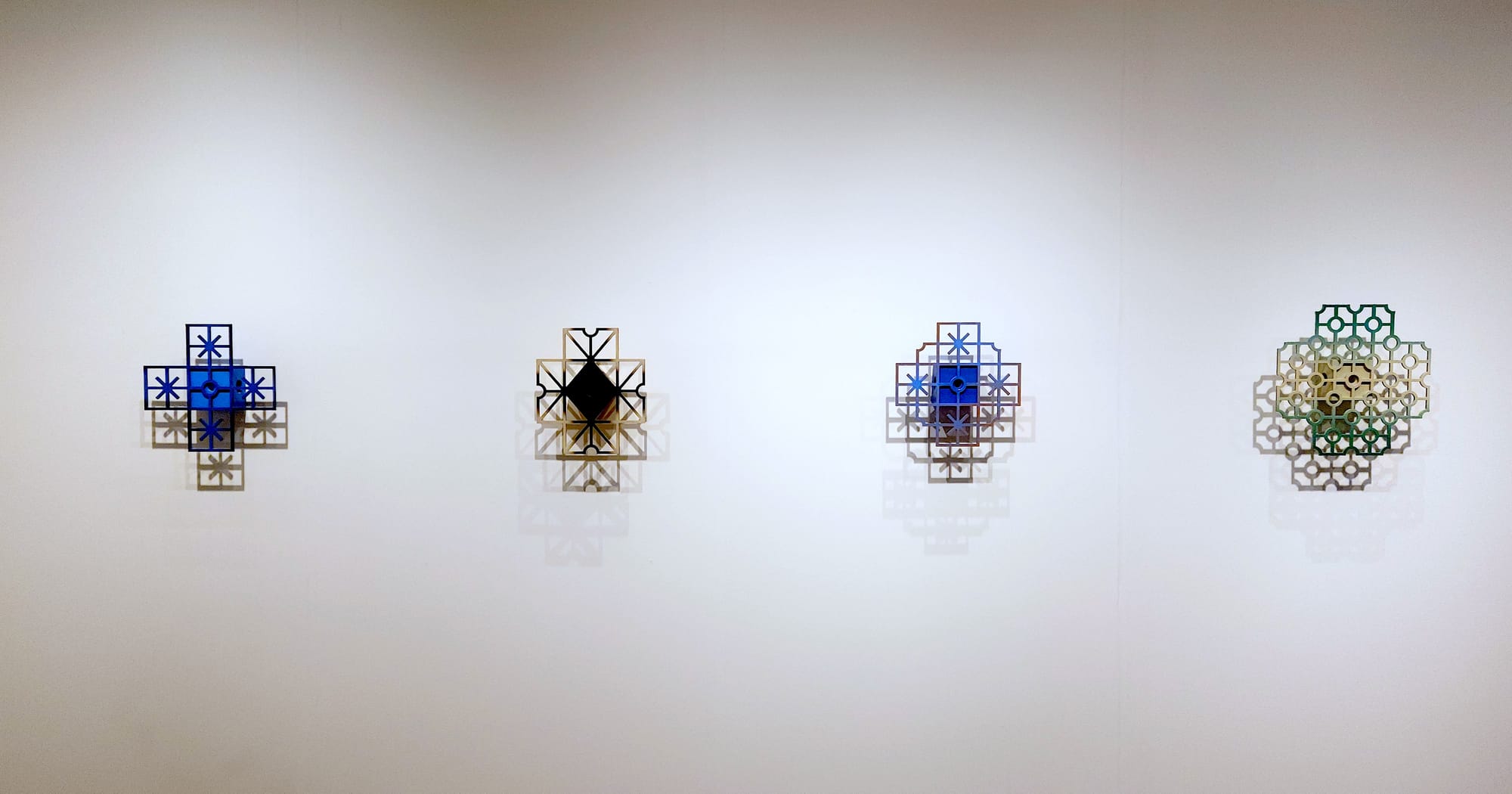
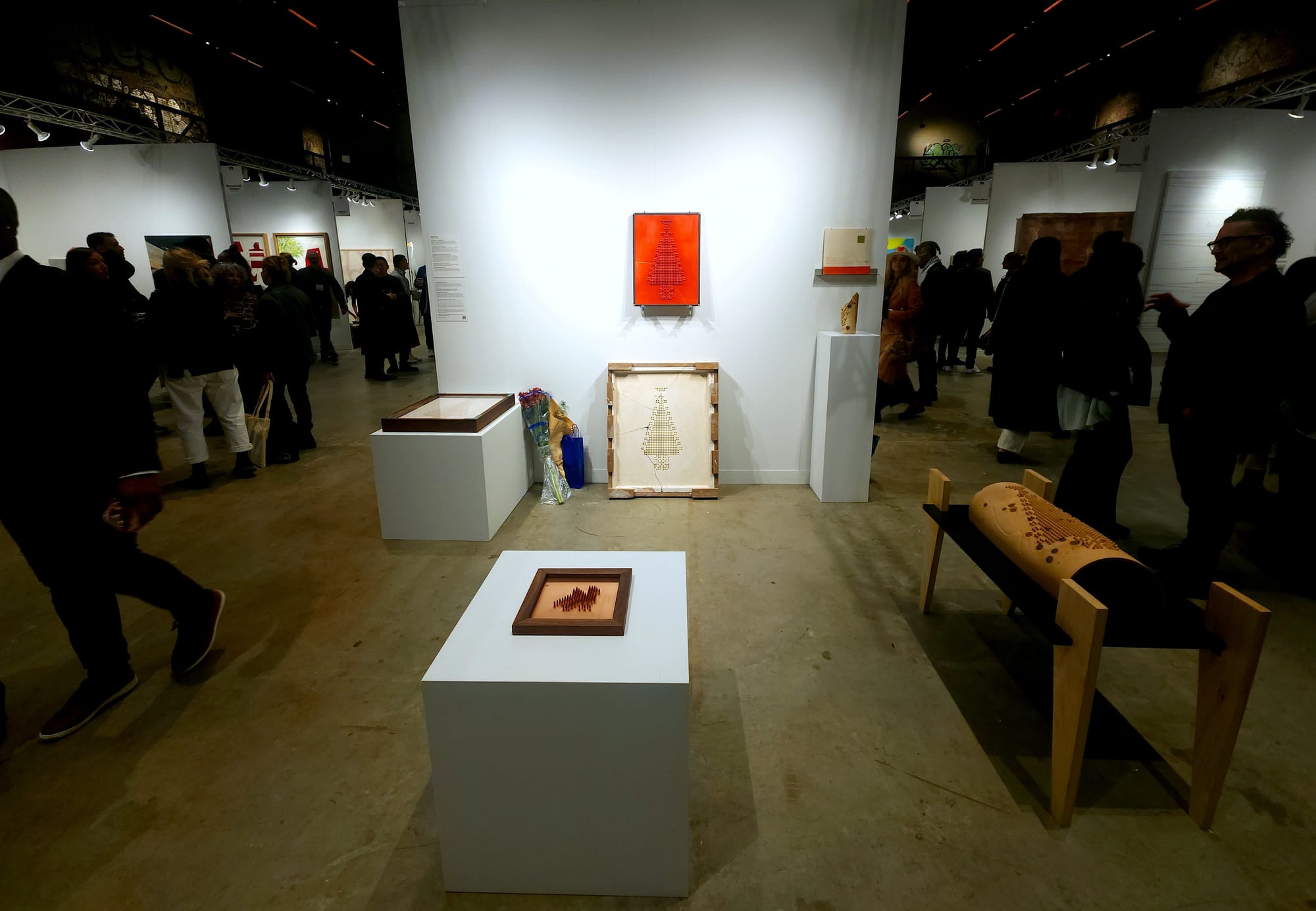
On the topic of Puerto Rican sculpture, I also have to shout out Edra Soto’s wrought-iron-gate-inspired works from her Por la señal / by a signal (2024) series, displayed in a solo presentation by Embajada and Morgan Lehman Gallery.
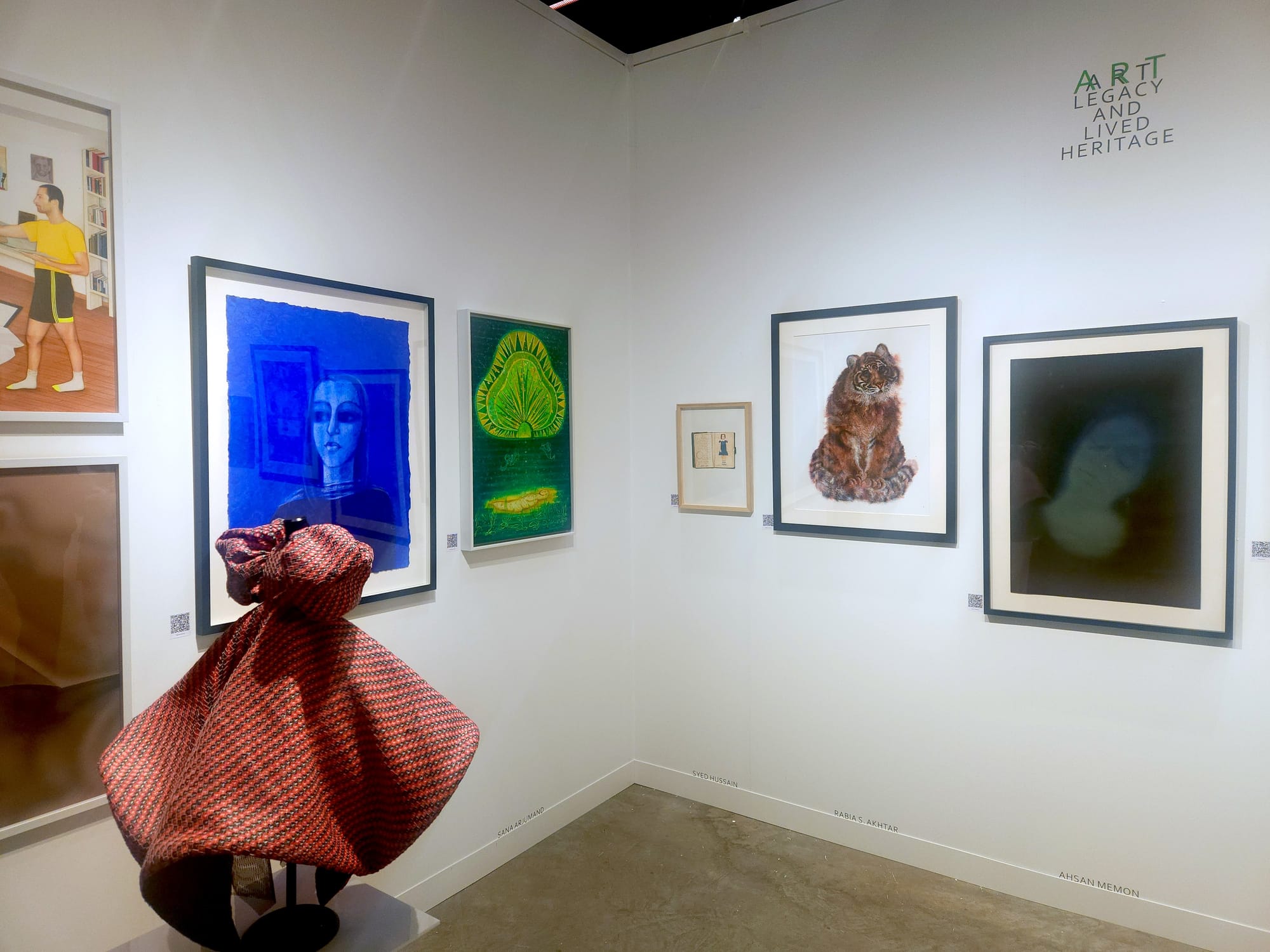
At O Art Space, a Pakistani gallery from Lahore that presented 14 contemporary artists in its booth, gallerist Omer Nabi told me that this is his first time participating in a United States fair. “There’s a small but growing art market in Pakistan, but there’s only a handful of serious collectors compared to the number of brilliant artists,” he said. “It can be hard to encourage collecting art — people are willing to spend thousands on cars, watches, and Birkin bags, but they’ll ask ‘Is this made of diamonds?’ when they see the price of a painting.”
The narrow market at home encourages Nabi to bring his artists to international fairs. Participating in Asia Now in Paris actually put O Art Space on the radar, and led to an invite to Conductor, he said.
At Guatemala City-based Galería Extra’s booth, I was drawn to the installation of paintings by partners Noé Martínez and María Sosa, who make up the Indigenous Mexican art duo RojoNegro. Gallery director Silvia Obiols de Tres told me that the couple discusses and paints each other’s dreams (sidebar: May a love like this find me) in an attempt to extract intuitive ancestral knowledge and enhance the relationship between humans and the natural world.
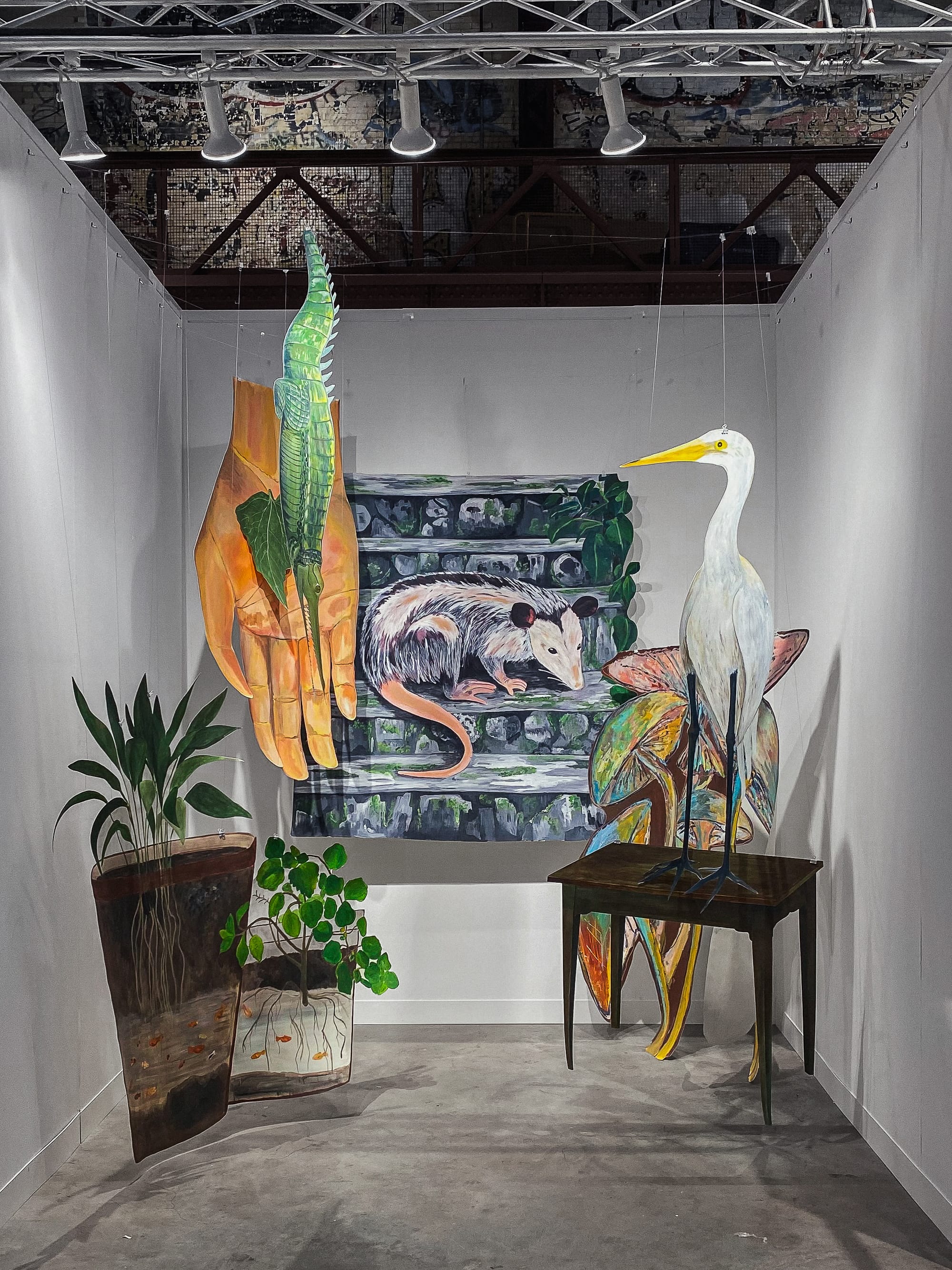
Though Conductor is certainly international, it fulfills its mission of representing the global majority largely by featuring more established artists. For instance, RojoNegro will be representing Mexico at the Venice Biennale next week. Another exhibiting artist, Burgarin + Castle, will be representing Scotland, and yet another, Beya Gille Gacha, will be representing Cameroon — not to mention the several other artists who will be included in the main exhibition. Meanwhile, the aforementioned yurt “The House of Silence” (2026) was created by Turkish artist Vuslat and Mexico-based Tunisian architect Sana Frini, the latter of whom co-curated the Mexico pavilion in the 2025 Venice Architecture Biennale. And artist Ana Raylander Mártis dos Anjos, part of Yehudi Hollander-Pappi’s booth, will be featured in the upcoming Carnegie International.
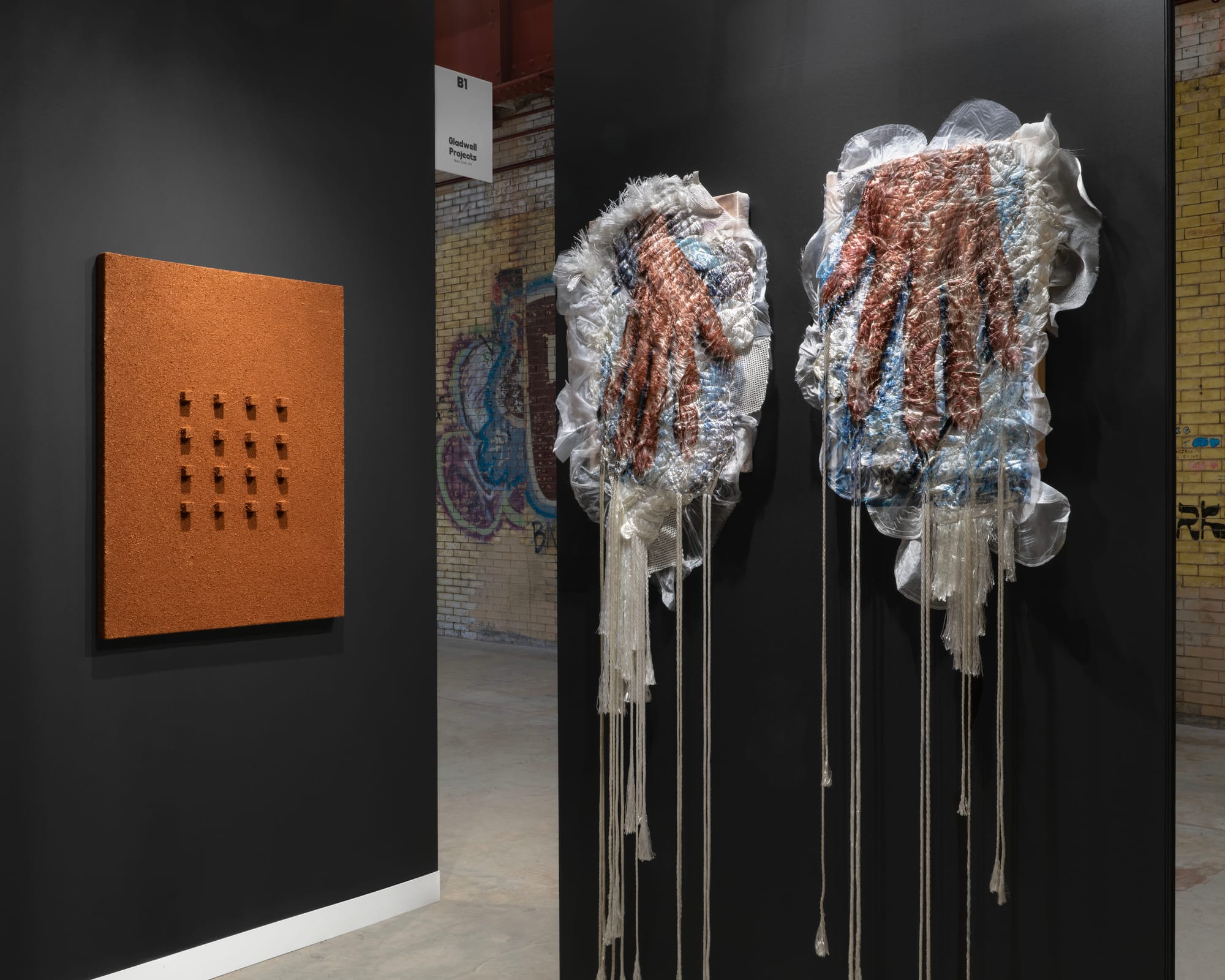
I’m not exactly asking for more folk and outsider art, and I’m also not criticizing the inclusion of Biennale-caliber artists either — it’s actually a delight to encounter samplings of such venerated practices right here in Gowanus of all places ( … a canal is a canal, amirite?). I’d assume that the inclusion of so many established artists served to legitimize a fledgling fair for collectors who can’t fathom that the NYC art market extends past the East River. But that also left me wondering about those who might’ve fallen through the cracks of cross-continental visibility.
Still, Conductor might forge local connections that are less visible than the artworks on view.
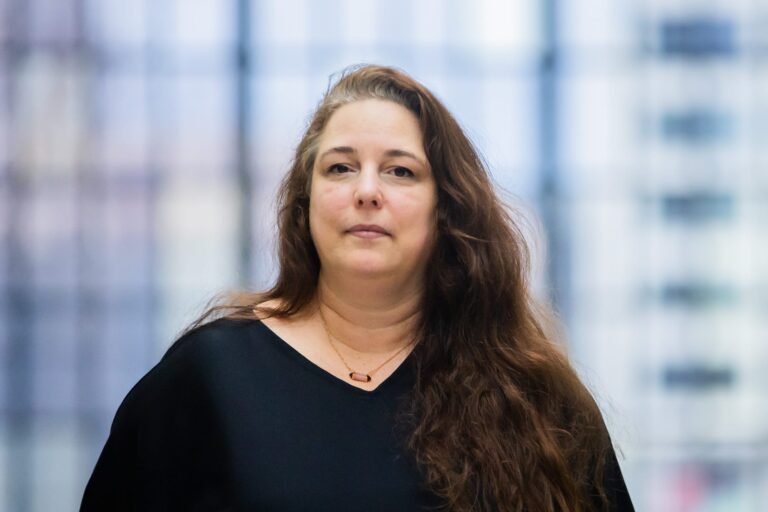
“We conducted careful cultivation and outreach to curators, museum professionals, and fellow gallerists in New York as well, as success is not only defined by sales, but rather by connections to arts professionals who might offer these artists strong professional opportunities in New York in the future,” Farietta said.
I could see such connections forming in real-time around me on preview night, from animated introductions between exhibitors to potential collectors eagerly pushing their contact information and making plans to set up virtual studio visits. These are the subtle sparks that might signal an even more internationally connected, buzzier Conductor next year.