At well over 5,000 pounds, the new BMW iX3 is quite a heavy beast for a vehicle in the compact SUV segment. You can thank the big battery for that, of course. The question is: Does the heavy electric powertrain significantly impact the iX3’s agility? To answer that, km77 subjected the electric BMW to the dreaded moose test to see how effectively it could complete the evasive maneuver. Designed to see how safely a car can avoid a sudden hazard, it’s the ultimate test of a vehicle’s roll control, how well it manages understeer/oversteer, and whether the electronic stability control system does its job.
How Did The iX3 Perform?
The vehicle used for the test is the 50 xDrive, which is the same iX3 model that arrived in the U.S. first. An even quicker variant, the iX3 M60, was unveiled earlier in October and arrives later. The vehicle that conducted the moose test had a few extras, including substantial 22-inch wheels.
The testers first took the iX3 out for the slalom test, where it had to navigate its way through a series of cones. The driver appreciated the iX3’s precise steering and resistance to excessive body roll. It finished the slalom in 22.7 seconds, matching the Porsche Macan (gas model). It was fractionally slower than the more powerful Mercedes-Benz GLC 400 4Matic EQ (22.6 seconds).
In the first moose test run at around 48 mph—whereby the driver had not yet had an opportunity to gauge the vehicle’s responsiveness—the iX3 suffered from significant understeer, preventing the driver from swerving back into his lane within the required distance. The iX3 eventually completed the maneuver at a best speed of just over 45 mph. That exactly matches the electric GLC.
While the iX3’s maximum speed was nothing remarkable, it actually bettered the gas-powered X3 M50’s result (42.8 mph), which was considered a disappointment. Testers found that the iX3’s understeer was less pronounced than in the X3 and the electric SUV was more confidence-inspiring, too. That’s despite the fact that the iX3 weighs over 500 lbs more than the X3 M50.
Related: 2026 BMW X3 Vs. 2027 BMW iX3: Side-by-Side Gallery
Is The Best X3 The Electric One?
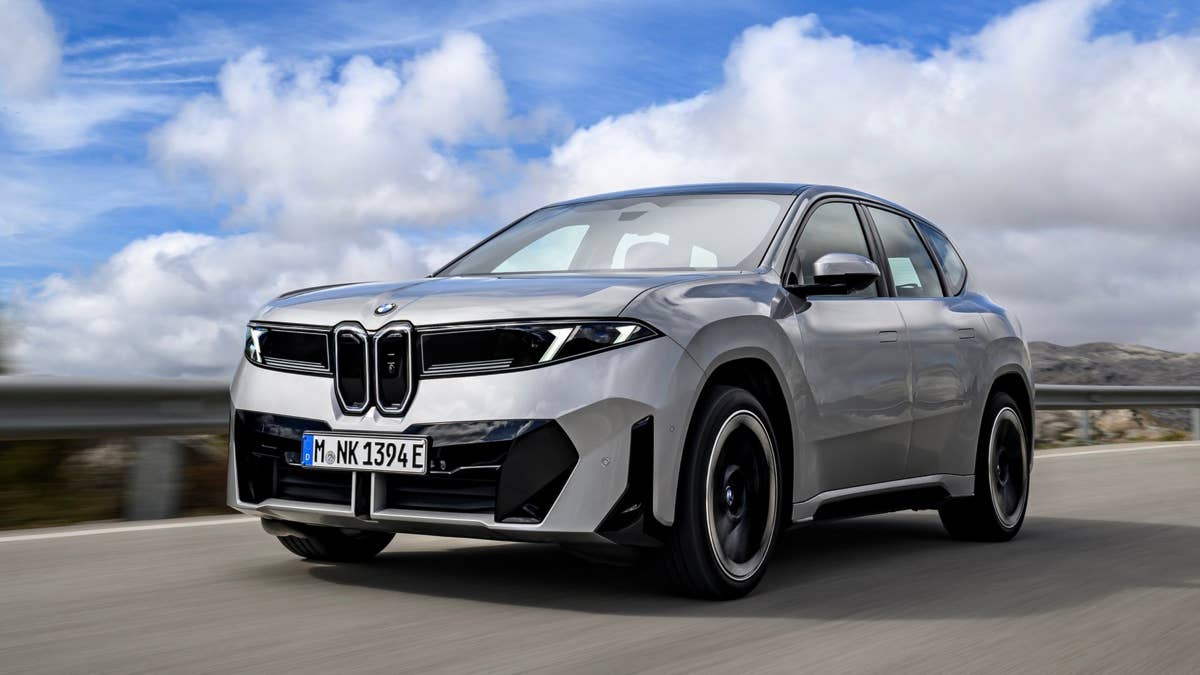
2027 BMW iX3
BMW
The mounting of the iX3’s battery in the SUV’s floor structure likely contributes to its superior handling characteristics when compared to the gas-powered X3. This may not be the only reason to choose the iX3 over the X3, though.
Whereas the X3 looks like it’s awkwardly stuck between two distinct BMW design eras, the new iX3 fully commits to the Neue Klasse philosophy with its slimmer grille and less cluttered lines. Inside, it has BMW’s all-new layout with the Panoramic iDrive system, which moves away from the older dual-screen layout in the X3. Interior quality has taken a welcome step up in the iX3, too, whereas the gas X3 isn’t as impressive as its predecessor in this department.
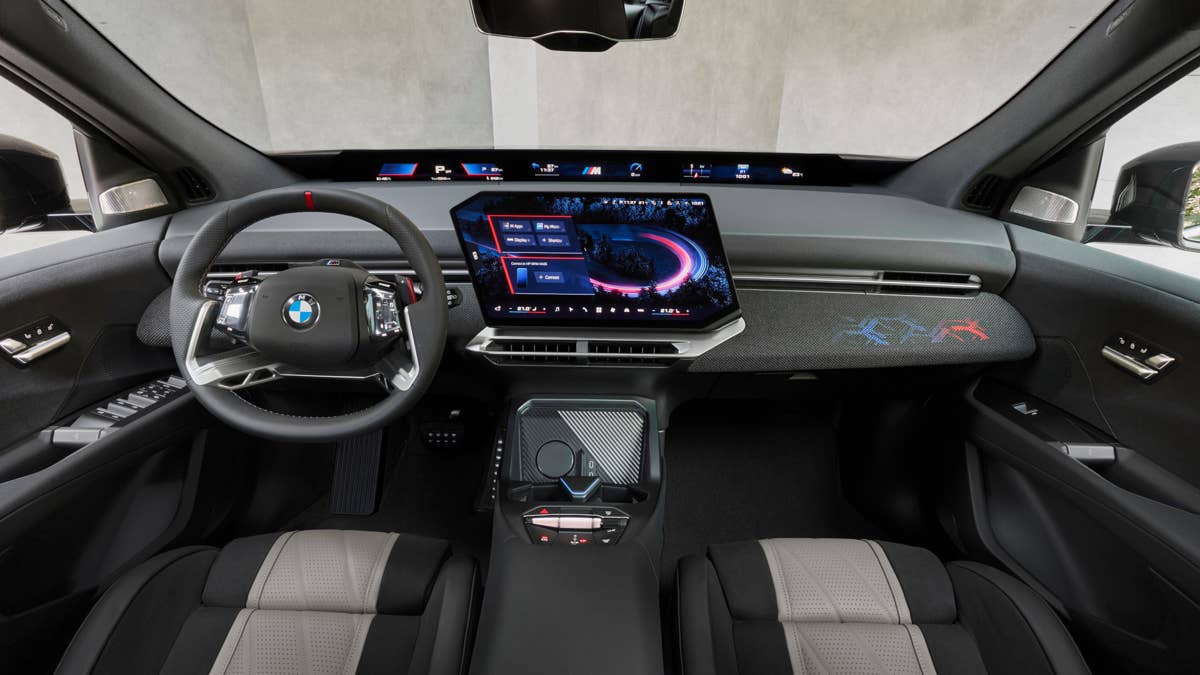
2027 BMW iX3
BMW
At $61,500, the dual-motor iX3 50 xDrive is cheaper and more powerful than the X3 M50 xDrive. The iX3 produces 463 horsepower from dual motors, whereas the M50 makes 393 hp from its six-cylinder turbo engine. To be fair, BMW’s six-pot B58 is as good as it gets, but it’ll only get you to 60 mph 0.3 seconds quicker than the iX3. In M50 guise, the X3 costs $5,000 more. You can load up the iX3 with some desirable features and still end up with a cheaper vehicle.
While we haven’t had the chance to fully test the new X3 yet, we have seen it in the metal. Those first impressions, along with its better handling results and lower price, make it potentially more appealing than its gas-powered sibling.
Related: BMW iX3 Outsells Porsche, Audi and Mercedes Electric SUVs in U.S. Debut