Development of a Legend
Back in the 90s, Bugatti‘s future was up in the air. In 1998, the Volkswagen Group bought the brand and started an ambitious project that would change the course of automotive history. At the time, it was a huge gamble for the brand. Luckily for Bugatti, it had the resources to back it up.
After the Veyron launched in 2005, automotive history changed forever. A production car with 1,001 horsepower, 16 cylinders, four turbos, but with a full interior and luxuries to boot. It was a runaway hit. It was the fastest production car at the time, one of the hypercars that defined its era, and a milestone that put Bugatti back on the map.
Bugatti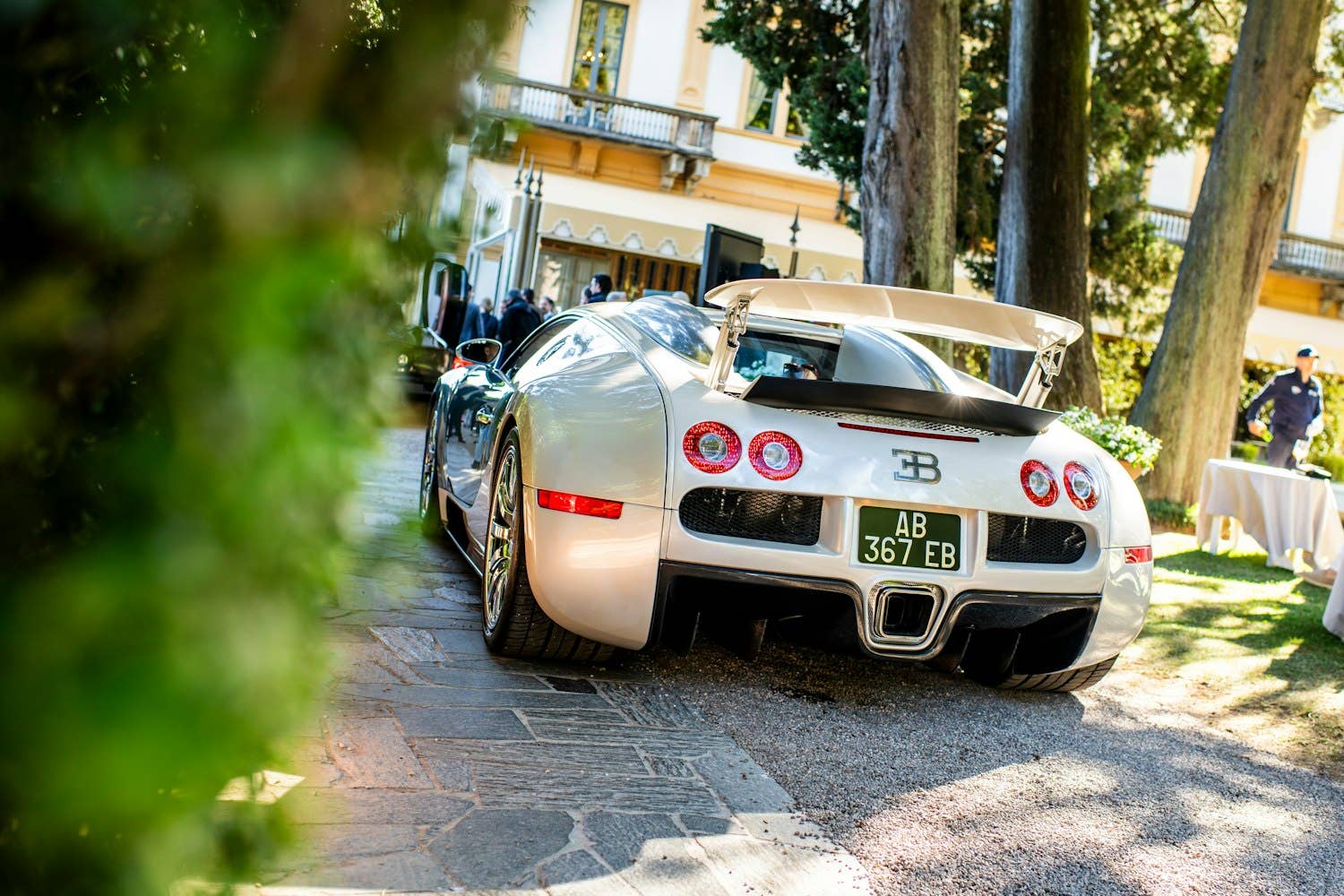
The 5.1
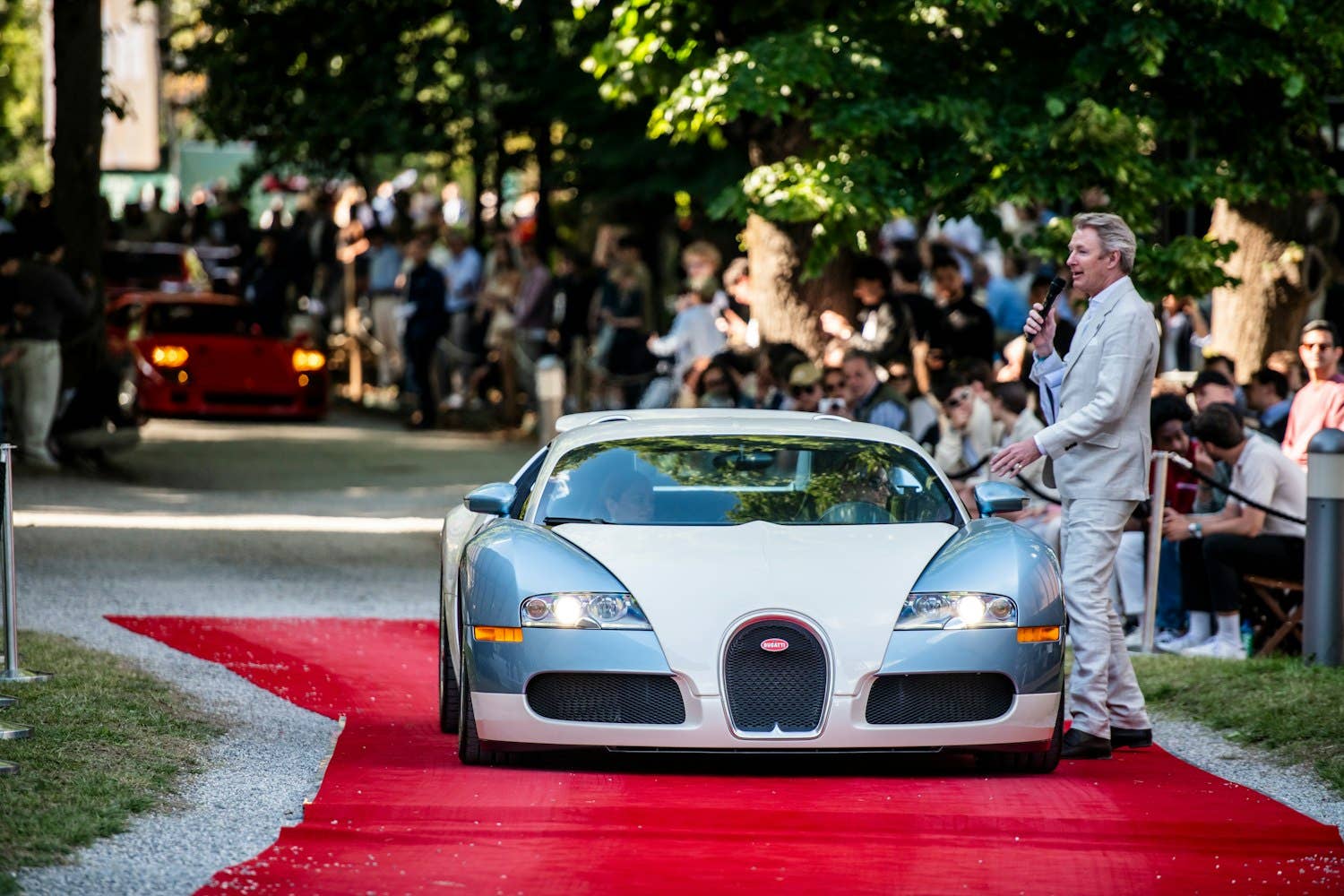
You don’t get up to 250 miles per hour without getting through the rest of the speedometer first. The 5.1 Chassis was created to validate the engineering vision of Bugatti’s best and brightest. This isn’t the Veyron as we know it today; this was the origin of the legend. One of the six pre-series examples emerged recently at the Cororso d’Eleganza Villa d’Este 2026, in Lake Como, Italy.
Designed by Prof. Dr. Ferdinand Karl Piech, his team faced the monumental task of conquering the land speed record for a production car and ushering in the new era of hypercars. Meanwhile, Dr. Wolfgang Schreiber, the man behind bringing the Veyron into series production, aimed to contain the massive W16 powerplant’s output with the seven-speed dual-clutch transmission. Containing that much power and gear speed would prove daunting, but not impossible, as history has shown.
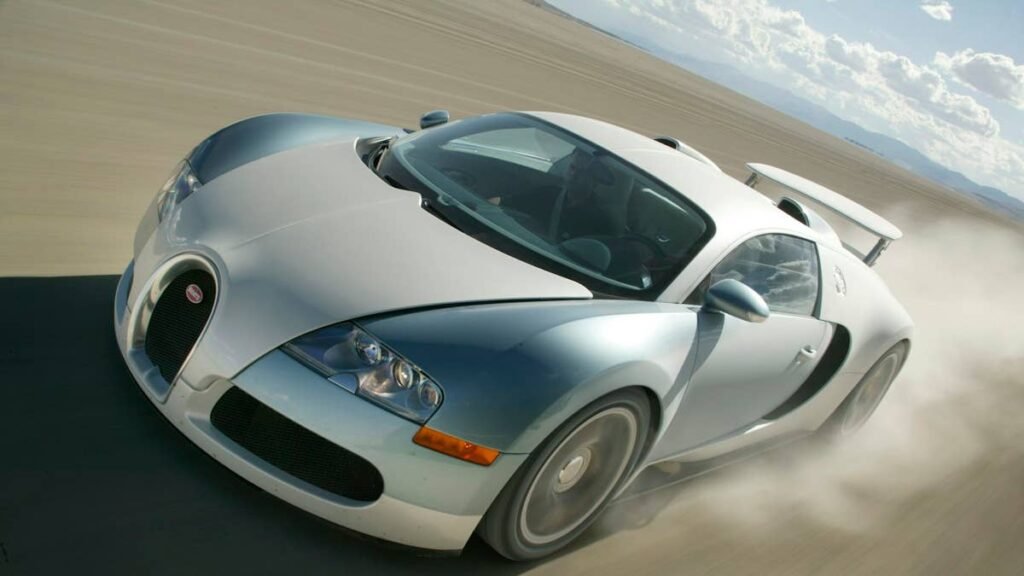
The 5.1 underwent testing on the Bonneville Salt Flats in Nevada, but not for the record-breaking attempt. Instead of chasing speed, the team first chased high-speed stability and durability across an endless horizon on a loose surface.
Chassis 5.1 also underwent top-speed testing on its own, serving as the test bed that achieved speeds over 250 miles per hour, a speed where things stop making sense and start getting into the unimaginable. Everything had to be special in order for this car to achieve that speed safely. Bugatti famously had special tires made, created a special maintenance process, and developed specialized parts to bring this high-speed production model to market.
Bugatti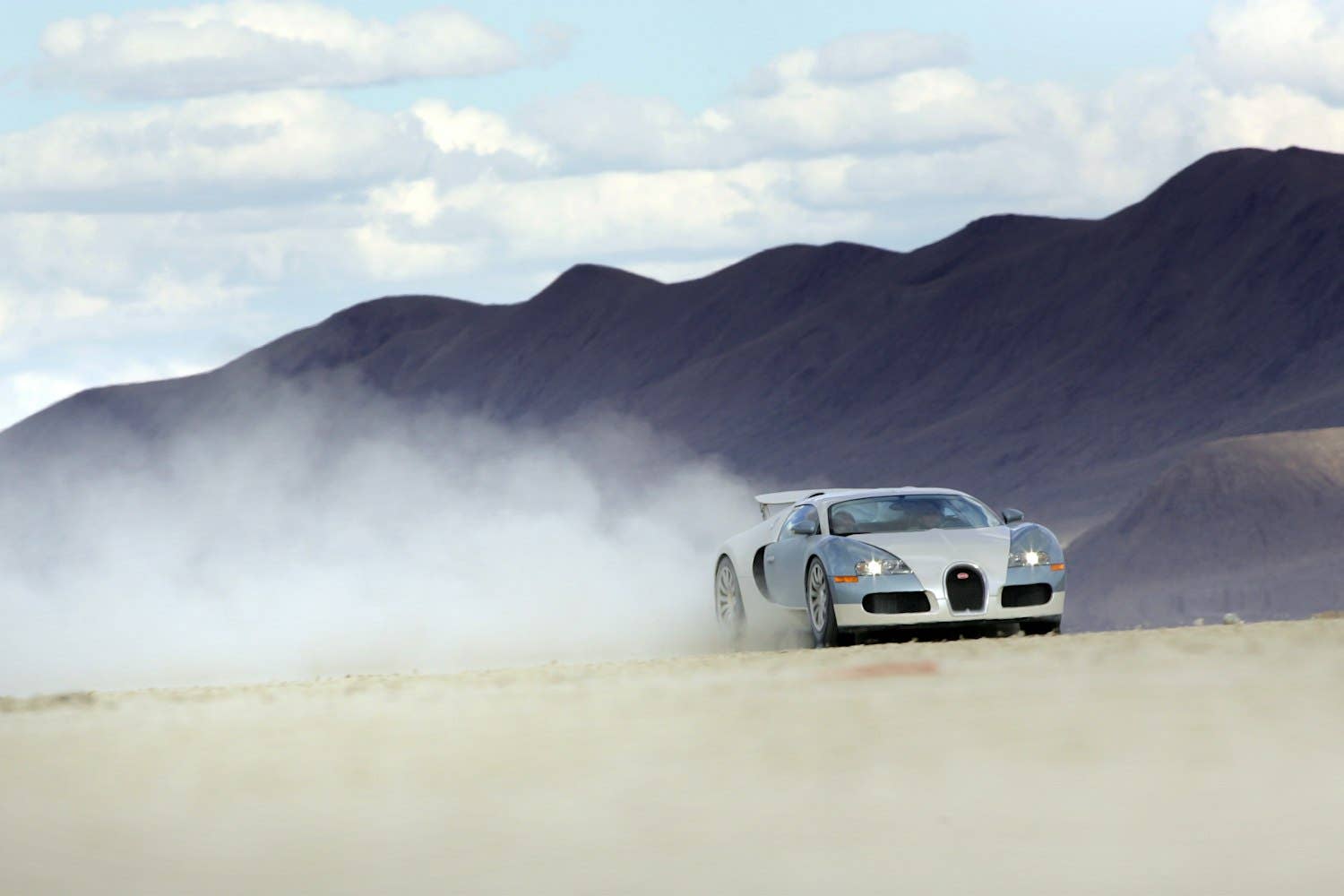
History as We Know it
The Veyron’s public debut validated the success of Chassis 5.1 and all its testing. It was, in fact, the exact unit that was used to debut the Veyron to the world, first taking the stage in Sicily.
Over time, Chassis 5.1 went from a development unit to a full-blown promotional model and an ambassador for the brand across the globe. It would make itself known at prestigious events across the world. You could say that it not only shaped the Veyron’s form but also helped craft its legend, feats that Bugatti and its fans never forgot about.
Chassis 5.1 itself evolved. By 2008, after the model’s success, Bugatti installed all the updated parts from the production model into Chassis 5.1. By this time, it had gone from a pre-sales prototype and global brand ambassador to a full customer-ready product vehicle with authenticated production parts.
Bugatti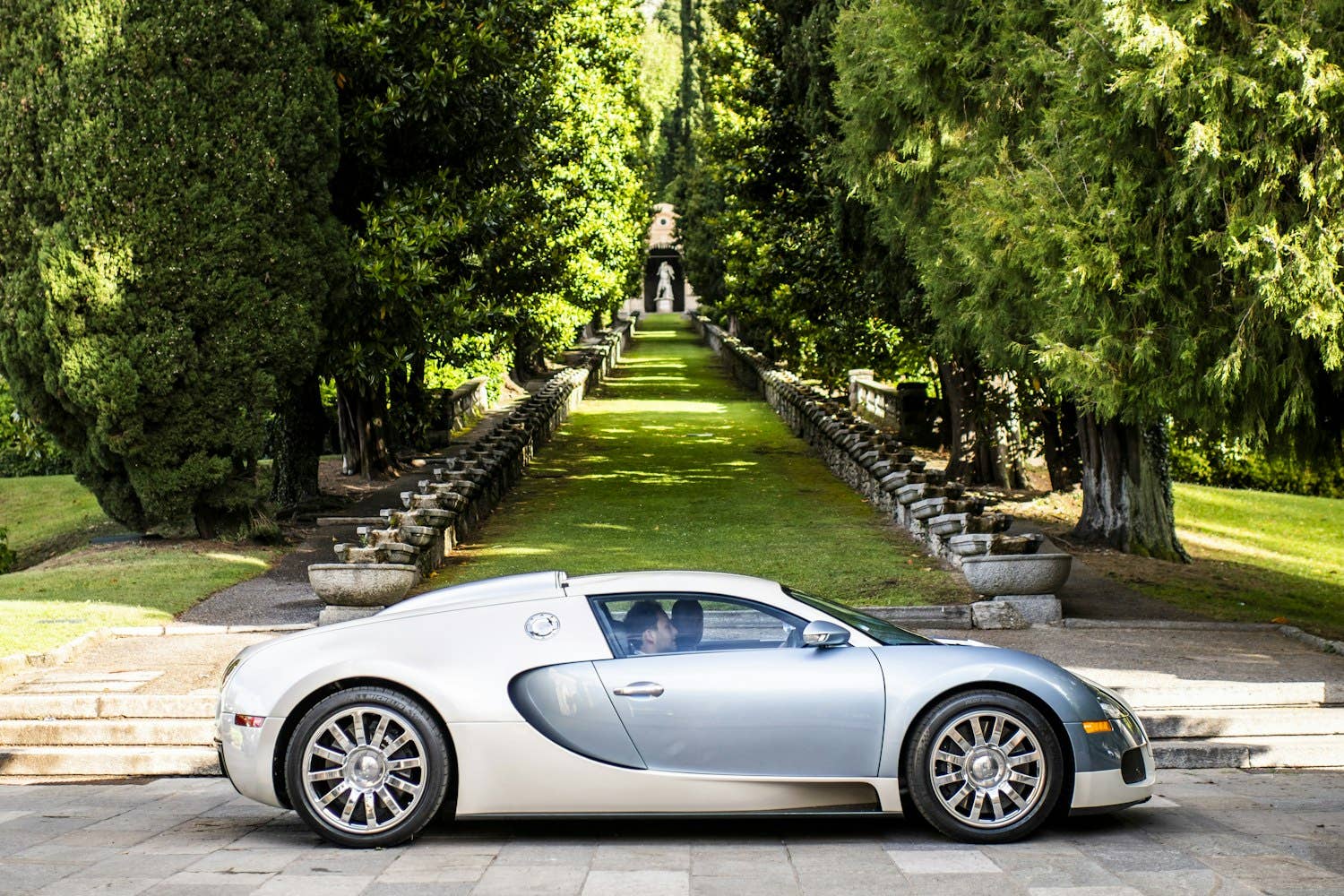
An Artifact of Automotive History
This is the car that changed the course of automotive history forever, the exact car that did it. It’s not a production model; it’s what helped the production model achieve what it did back then.
With the help of La Maison Pur Sang, documentation and certification for this historic piece have been authenticated and attached to the car’s chassis. Its complete history includes archival documents, technical records, photographs, service history, and physical inspections.
The car’s extremely prestigious pedigree made it a shoo-in for the display at the Concorso d’Eleganza Villa d’Este 2026 in Italy, where it was shown alongside the EB110 as a living historical piece that changed the course of hypercars forever. Without it, we wouldn’t have the Chiron, and one could argue that Koenigsegg and Rimac wouldn’t be where they are today.
Bugatti