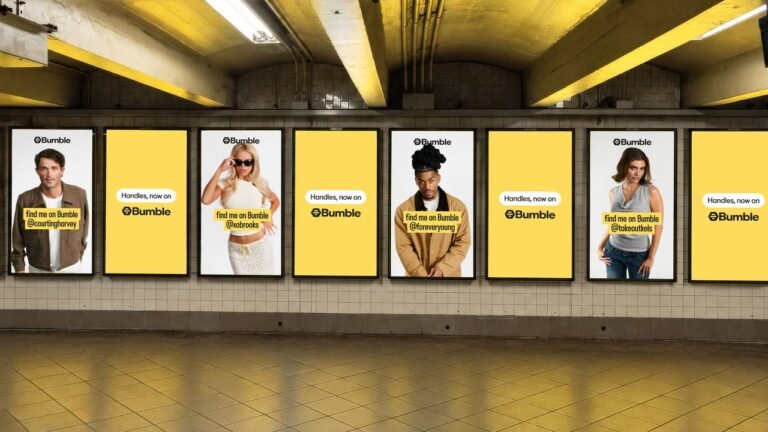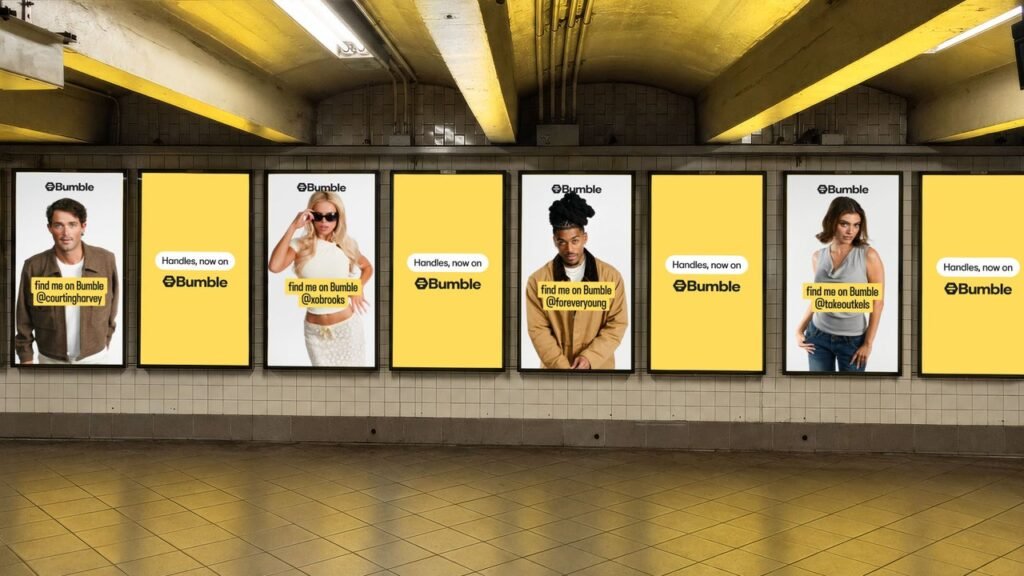
Forget stumbling across your perfect match on a dating app by chance. Thanks to a new Bumble feature, you can look them up directly—as long as you know their username.
With Bumble’s new Handles feature, the app is taking a page from the social media playbook. For the first time, prospective matches can opt in to having unique user IDs (similar to usernames on apps like Instagram or X) that can be found via search, giving users added control to a dating landscape dominated by algorithms.
How handles work
Bumble users in the United States on iOS can create their own handles now in the app. But what benefit is there to making your dating profile shareable?
Bumble imagines a few scenarios where handles might come in handy. If you meet someone in public, you could give them your handle instead of your phone number. If you want to set up two friends, you could let them check out each other’s Bumble profiles instead of having them stalk each other’s socials. Or if you want to advertise your Bumble profile more broadly, you could post your handle to another social account and let your followers find you.
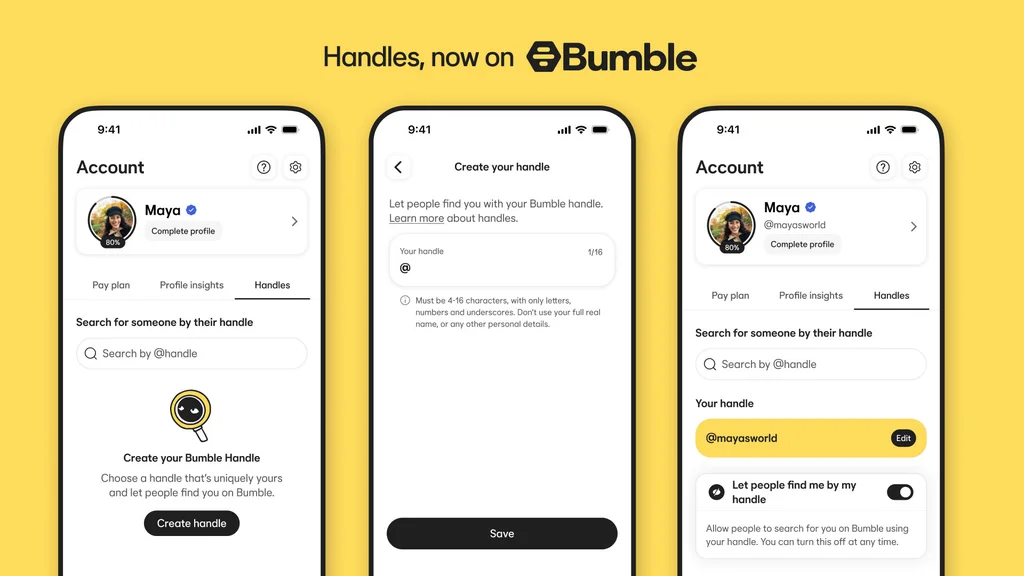
The feature relies on users agreeing with Bumble’s leadership that sharing a dating profile directly can be preferable to exchanging phone numbers or Instagrams. As Bumble CEO and founder Whitney Wolfe Herd put it in a press release, “your private and professional networks aren’t necessarily where you want your dating life to begin.”
But handles don’t turn the app into a free-for-all. Mutual interest is still required before any messages are sent, with handles simply adding a new way to send a like. Users can also turn off their handles at any time, making them undiscoverable by search.
Dating apps going social
Bumble’s introduction of handles is the latest move in a trend of dating apps broadening their horizons and expanding social features.
In March, Tinder launched an Events feature, where users can browse in-person experiences and even see which other users were interested in attending (providing that they themself are photo-verified). Goose, an invite-only dating app that launched in June, bills itself as “anti-algorithm” and has user profiles structured in Instagram-esque grids. Grindr has gone all in on its “global gayborhood” branding, building in features like telehealth to establish itself as more than a hookup app.
These dating apps innovations come at a tumultuous time for the industry overall. A 2026 Harris Poll found that two-thirds of single adults in the U.S. aren’t using dating apps, with 72% of singles saying that dating apps feel more transactional than romantic.
Bumble itself is also at a crossroads. The app’s stock has dropped over 90% since going public in 2021, but it’s soon to go private again thanks to a $1.3 billion sale that comes with two new CEOs. Bumble also shook up its brand identity in August, nixing its signature of women messaging first, instead letting users of all genders make the first move.