Electric vehicles may still carry higher sticker prices than their gas-powered counterparts, but they come with their own unique perks that help soften the blow. Charging is cheaper than filling up at the pump, maintenance is lighter thanks to fewer moving parts, and now there’s another way to save. Mercury Insurance just released its list of the 10 cheapest EVs to insure in 2025.
Why Insurance Costs Matter
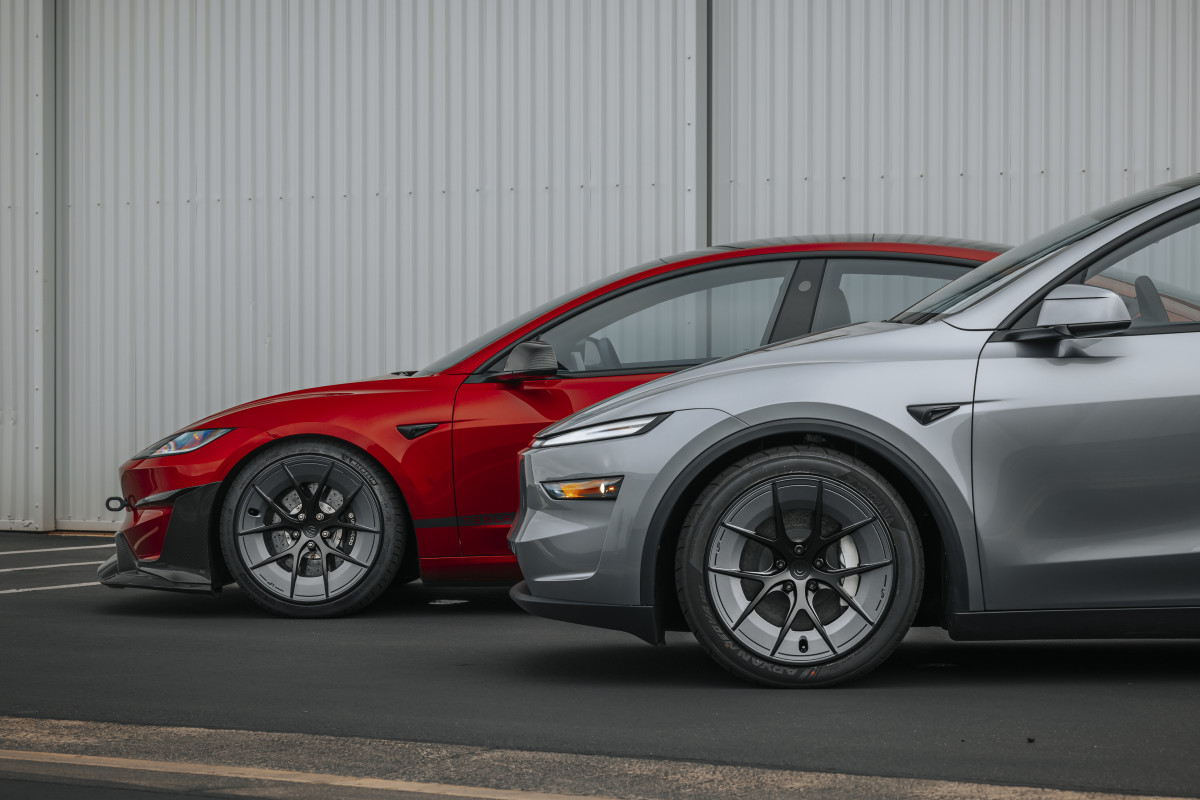
EV sales are climbing every year and slowly closing the gap with gasoline cars, but ownership costs remain a big concern for buyers. One of the hidden expenses is insurance. On average, EVs cost about 15% more to insure than comparable gas-powered vehicles. That’s what makes Mercury’s list especially useful. Its rankings factor in repair costs, safety ratings, and claims data to show which models won’t hit owners with unusually high premiums.
The Top 10 List
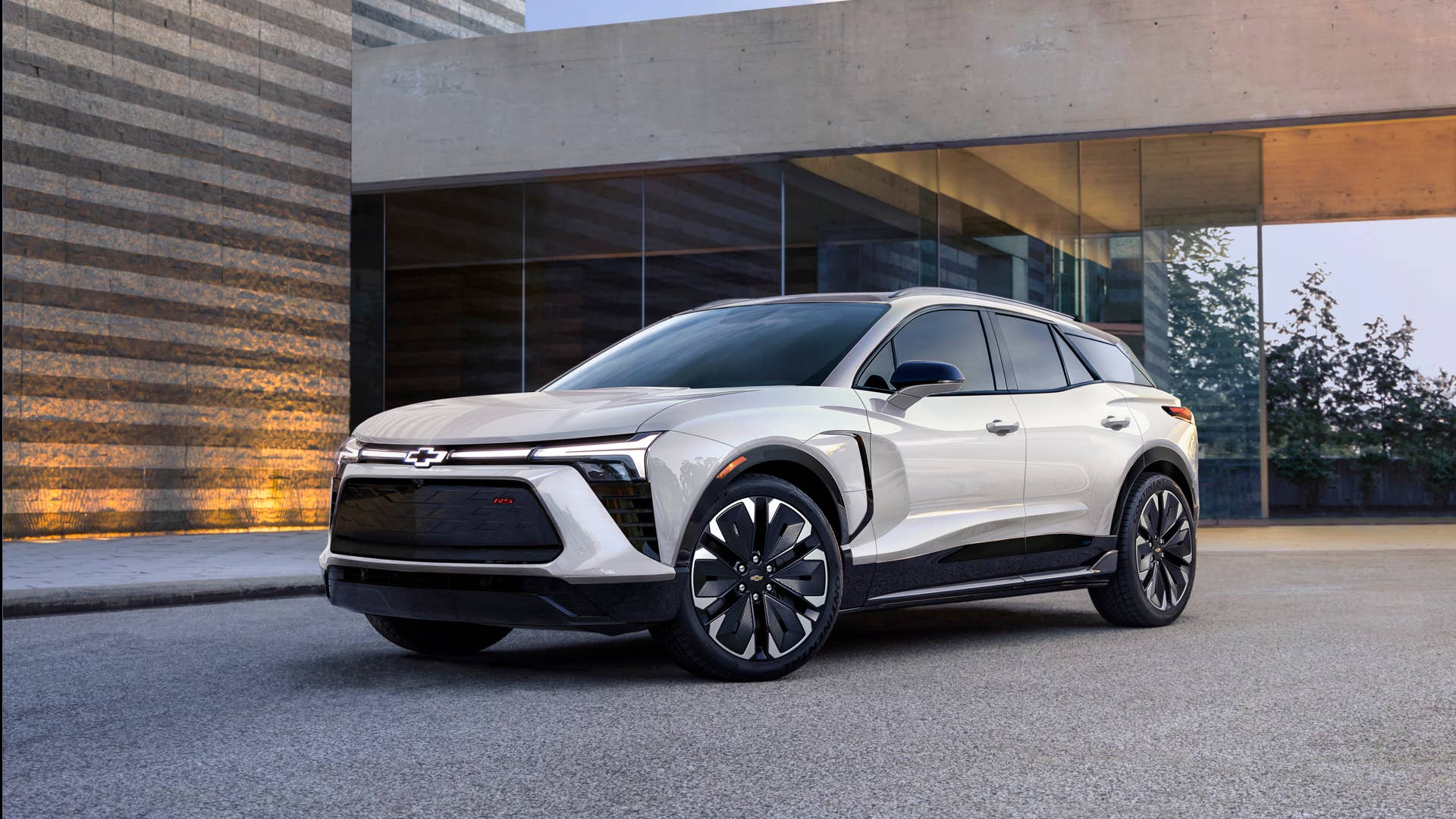
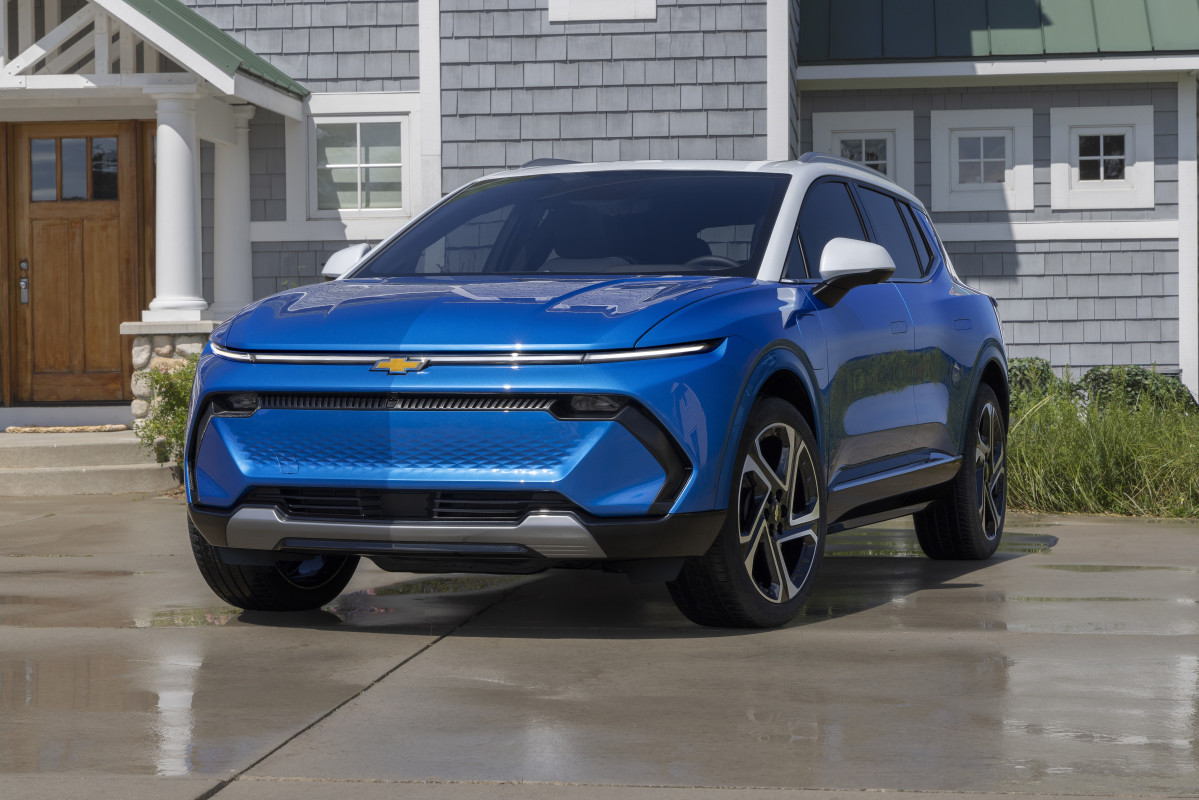
Chevrolet
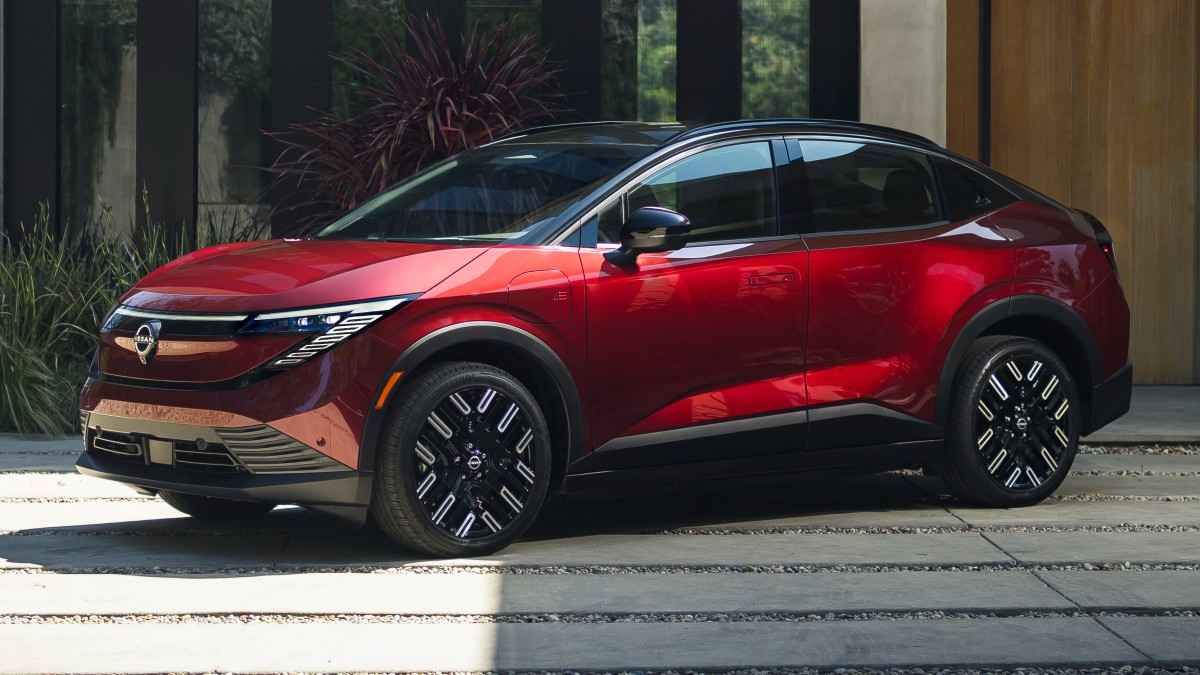
Nissan
This is the tenth year Mercury has published its affordability rankings. Here are the EVs that come out cheapest to insure for 2025, in descending order:
- Chevrolet Blazer EV – MSRP: $44,600
- Chevrolet Equinox EV – MSRP: $33,600
- Nissan Leaf – MSRP: $28,140
- Kia Niro EV – MSRP: $39,600
- Ford F-150 Lightning – MSRP: $54,780
- Hyundai Kona EV – MSRP: $32,975
- MINI Cooper SE – MSRP: $31,895
- Entire Hyundai Ioniq Range
- Fiat 500e – MSRP: $32,500
- Subaru Solterra / Toyota bZ4X – MSRP: $38,495/$37,070
This list mixes familiar names like the Nissan Leaf with newer entries like the Blazer EV. And while EVs are often criticized for being too expensive, more affordable options are on the horizon. GM, for instance, will give EV buyers an affordable choice by bringing back the Bolt in 2027 with a starting price of $27,495.
Time Is Running Out
Ford
There’s another reason to move quickly if you’re considering an EV. The federal $7,500 EV tax credit expires at the end of September 2025. That’s on top of the savings from cheaper charging, lower maintenance, and potentially lower insurance if you pick one of the models on Mercury’s list. EVs are still expensive to buy, but the right model can keep long-term ownership costs much lower. Now might be the best time to make the switch.