The President Said:
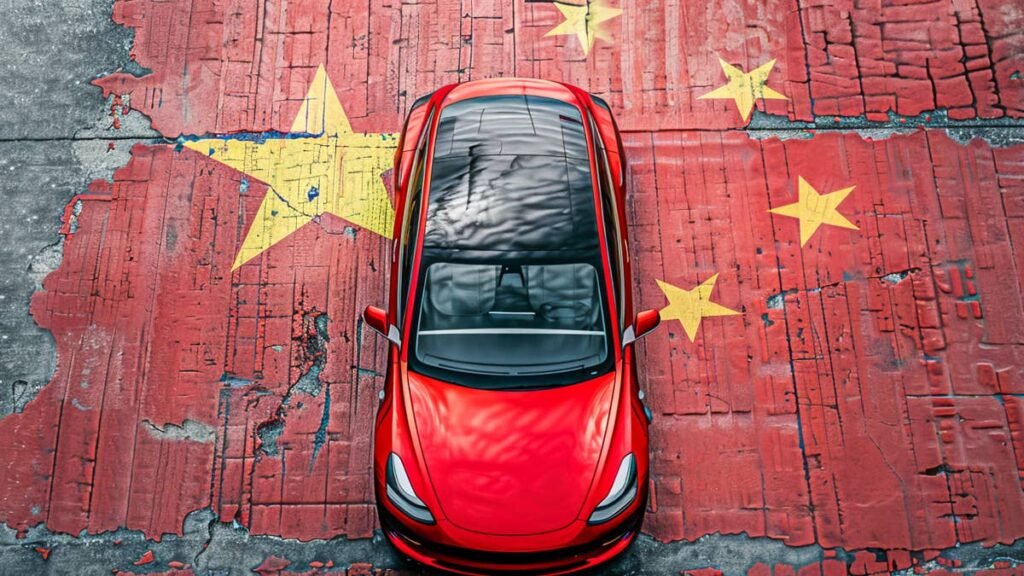
United States President Donald Trump has already gone on record saying that he is open to Chinese automakers setting up shop in the country, and analysts were initially expecting that the U.S.-China talks that happened on Thursday and Friday (September 24 and 25, 2026) would result in Chinese EVs getting the green light in the U.S. market.
However, much to the delight of current players in the U.S. auto industry, the door wasn’t opened – at least not yet. For now, Chinese cars are still out of reach for U.S. buyers, which means that current players can breathe a sigh of relief, however short-lived it might be, according to analysts.
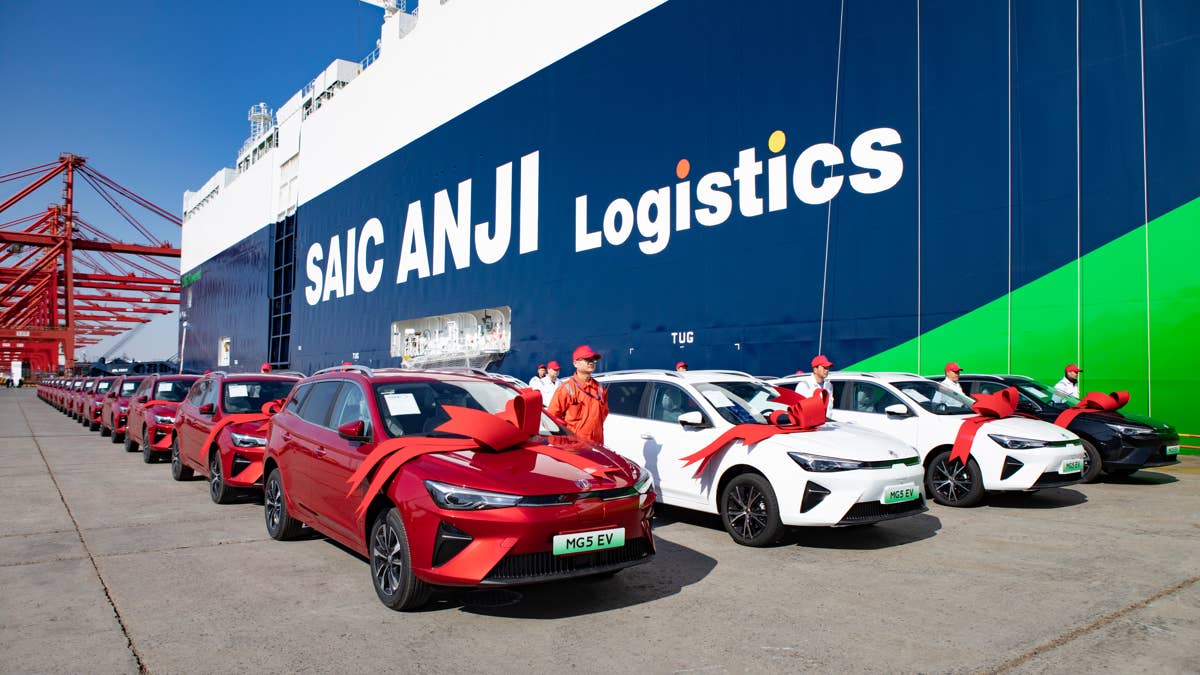
VCG/VCG via Getty Images
Some Breathing Room
Chinese cars have reached a point where they’re genuinely compelling alternatives to established brands. Brands like BYD have shaken up the entire auto industry, selling competitive products at competitive prices and record production rates worldwide. It’s enough to shake other brands up in other markets, except the U.S., for now.
Again, it’s the “for now” that will trigger some anxiety among established brands. Nikkei Asia details the story in their article, in which it quoted a Japanese auto parts company saying, “we’ve weathered the crisis for now.” Another quote in Nikkei Asia’s report: “We will lose business due to price competition, and the foundation of our American business will collapse,” he continued.
The fact that the U.S. auto industry remains free of Chinese cars is good news for the established players, especially the American brands. According to Nikkei’s report, “Trump did not mention Chinese cars during this week’s summit with Xi [Jinping].” Company executives from BYD and other Chinese brands were supposedly expected at the White House state dinner but were noticeably absent.
ANDREW CABALLERO-REYNOLDS / AFP via Getty Images
Why Chinese Cars Still Won’t Work in the U.S.
The problem with Chinese cars is that they face tariffs of more than 100% in the United States, effectively shutting them out on price. Furthermore, U.S. software restrictions on Chinese vehicles are also keeping these cars out for now. The British research firm GlobalData showed that Chinese-branded cars rose from a 15% global market share to 24% in 2026, with auto exports from China expected to exceed 10 million vehicles for the first time in 2026.
On top of that, one reason Chinese cars are still being kept out may be the established automakers that are making a stand and lobbying to keep Chinese cars out of the country. The Alliance for Automotive Innovation urges the passage of a bipartisan bill that will ban the import, manufacture, and sale of cars from hostile nations, including China, according to Nikkei’s report.
Apparently, labor groups are also against the deregulation of Chinese cars. Trump would like to create more jobs by having Chinese brands set up shop in the U.S., but labor groups, like the United Auto Workers, could swing that sentiment the other way.
Despite all this, “the U.S. should be willing to crack open its car market door at least a little bit, and those conditions would mean putting in place price floors for Chinese cars, as well as having very clear conditions regarding data security that would need to be met not just by Chinese auto companies but by everybody,” according to Scott Kennedy from the Center fo Strategic and International Studies (CSIS).
BYD
Analysts Say: “Inevitable”
Analysts still say Chinese cars are coming. Right now, they’re not allowed, and the wall is still great, but “it is only a matter of time.” Trump didn’t meet with Chinese automakers at the summit, but analysts see the writing on the wall and call Chinese cars in the U.S. “inevitable.”
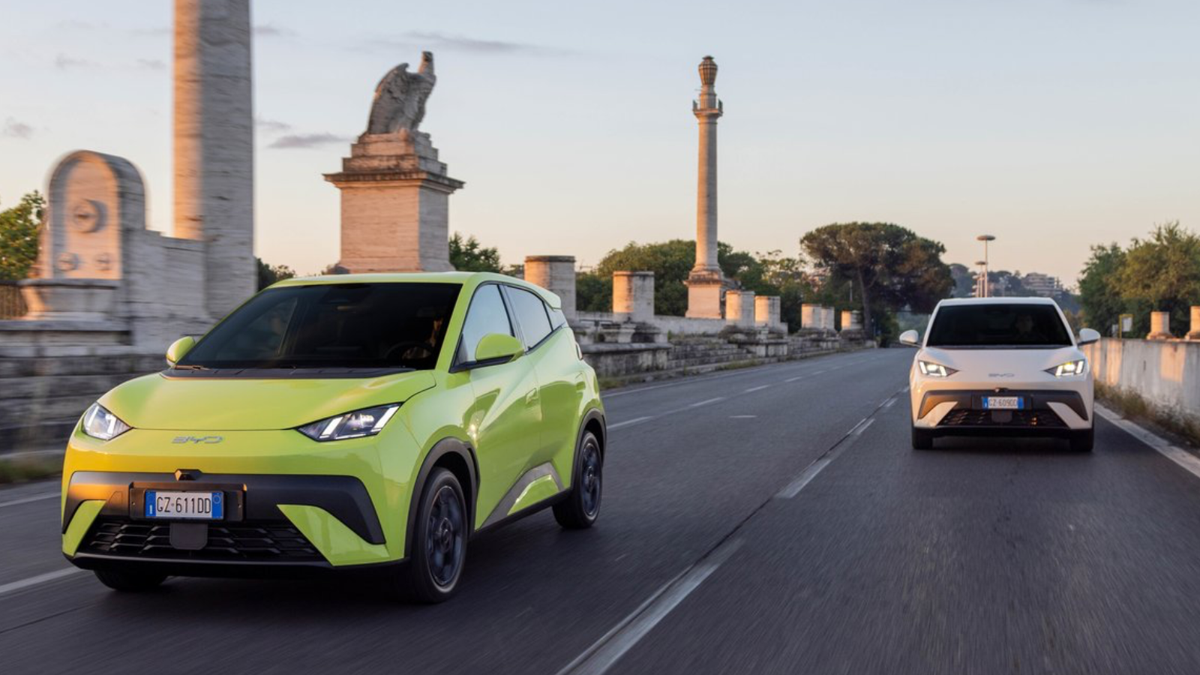
It doesn’t take much digging to tell you that Chinese cars are already overtaking U.S. rivals in terms of power, range, torque, horsepower, and features at a price point that’s hard to beat. American EVs, largely pushed by the Biden administration, haven’t quite lived up to expectations, and it even left some companies with more problems. China is full steam ahead in EV development, while the U.S. is essentially stagnant in that area. Some brands are resorting to hybrids and range-extended electric vehicles.
Earlier this year, the world saw just how much of a hedge electric vehicles served against a backdrop of sky-high fuel prices. The Iran War hasn’t been kind to global product pricing, and EV owners have been driving like normal while people with internal combustion engines are feeling the changes in real time.
Continuous inflation is another factor. If nothing can be done about it, brands will have no choice but to raise prices, effectively giving Chinese cars an even bigger price advantage. In addition, according to Michael Dunne, a former GM executive and now CEO of the consulting firm Dunne Insights, U.S. manufacturers may rely on Chinese technology in the United States. These systems will trickle in to keep the cars’ costs low.
“If you close off the market and you put huge tariffs on either components or vehicles from abroad, it historically lowers competition. It lowers quality, and it increases prices, which drives inflation and does not help manufacturers develop the latest technologies,” said Philipp Seidel of consulting firm Arthur D. Little.
BYD