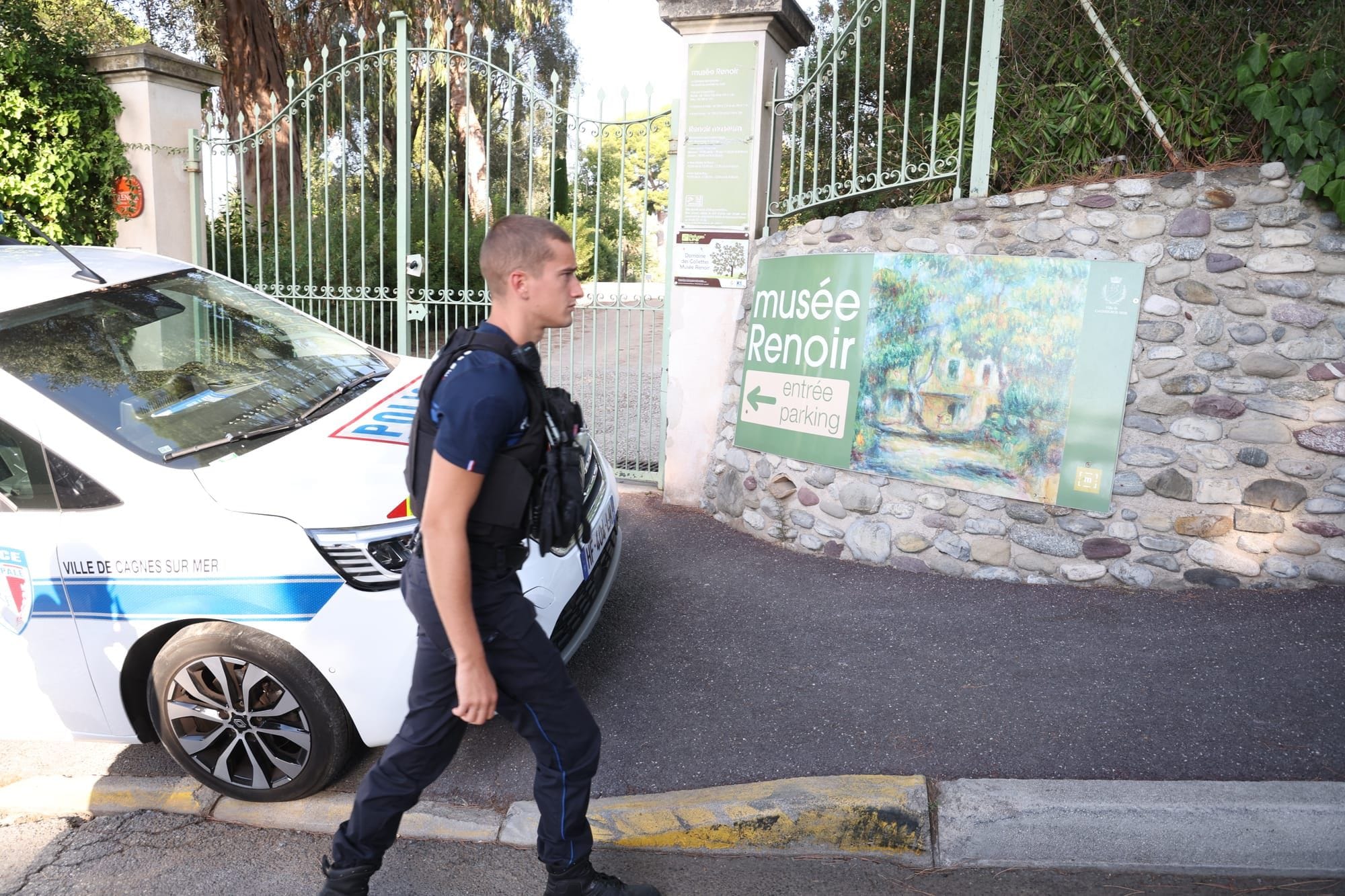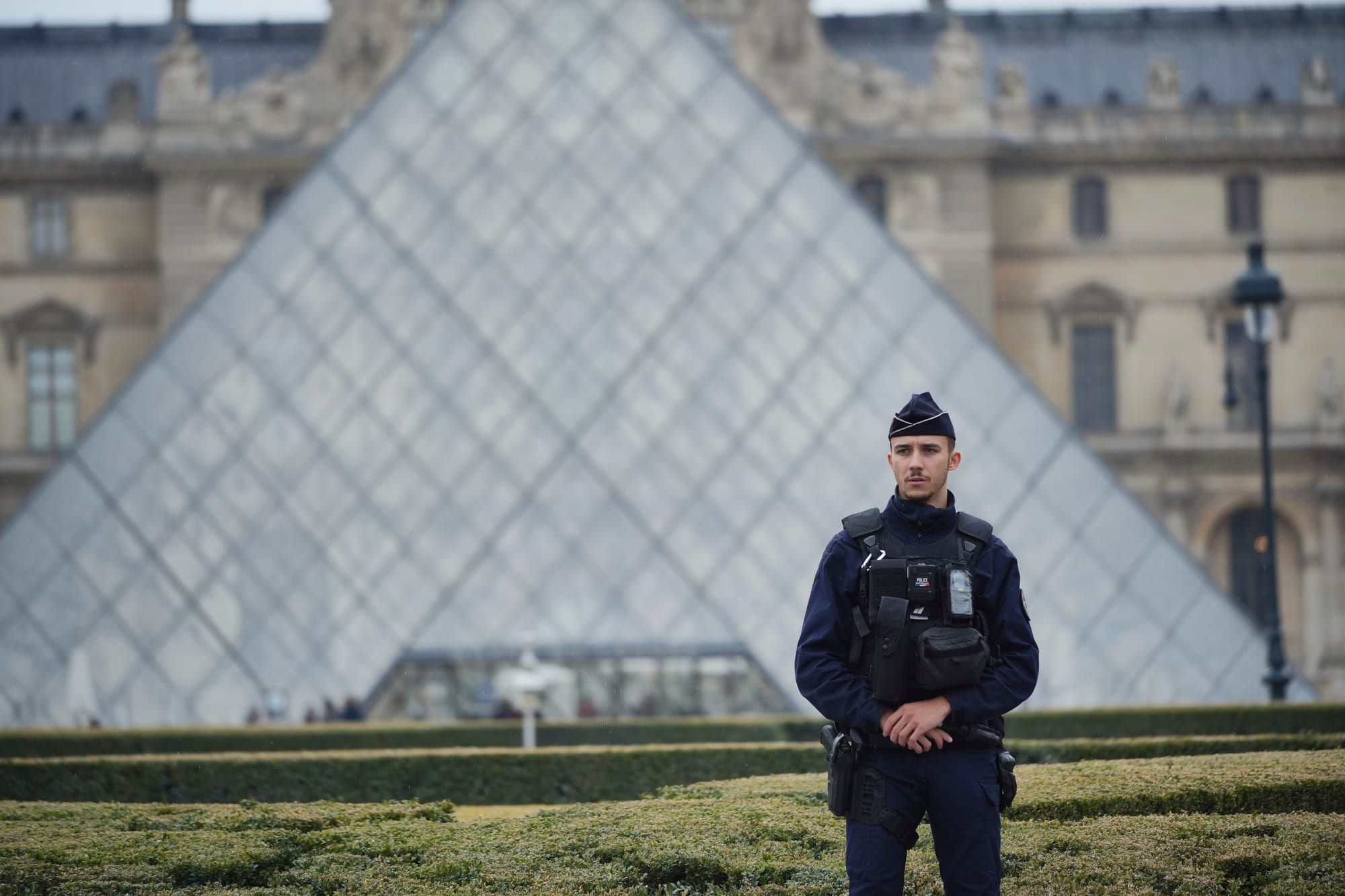
This week, two thieves broke into the Renoir Museum in southern France and seized two paintings in under five minutes. Earlier this year, three paintings by Renoir, Cézanne, and Matisse and four priceless Renaissance works were stolen from two museums in Italy. The thefts are only the most recent in a series of museum robberies across Europe over the past year, following the brazen daytime jewelry heist at the Louvre in Paris.
In a new report last month, Europol warned that museum robberies were becoming “almost a weekly occurrence,” with offenders increasingly employing violent and forceful methods. But a succession of spectacular thefts can create the impression of an escalating trend without necessarily proving one, and Europol’s report does not provide the data needed to establish a long-term increase. According to Donna Yates, UNESCO Chair in Cultural Heritage and Emerging Crime at Maastricht University in the Netherlands, there has been little systematic research comparing the frequency, targets, methods, and perpetrators of these crimes.
There has also been speculation that the Louvre heist inspired a chain of copycat robberies, or that some of the thefts were commissioned or motivated by insurance payouts. There is little evidence yet to establish either explanation.
But what the most recent thefts highlight is that extraordinary collections of cultural (and financial) value are not confined to Europe’s largest institutions. Municipal and regional museums, like many of those targeted in the last year, hold objects of immense cultural and scientific significance while operating with far fewer resources than national institutions like the Louvre.
“Most museums are increasingly underfunded and the fantasy security measures people propose to protect these objects in museums are laughable to anyone who knows museum budgets,” Yates told Hyperallergic.
These institutions could remove their most desirable objects from public display and lock them away permanently. But that would mean sacrificing the public purpose of museums to protect the collections entrusted to them. The recent thefts demonstrate the limits of security measures when confronted with fast, targeted, and sometimes violent attacks.