Buying a Ferrari for the price of a well-equipped Toyota Camry sounds like a magnificent idea. You get Italian styling, a manual transmission, and the opportunity to casually say, “I’ll take the Ferrari,” while retrieving your sunglasses.
Then the bills arrive, and you discover that depreciation apparently doesn’t apply to the mechanic.
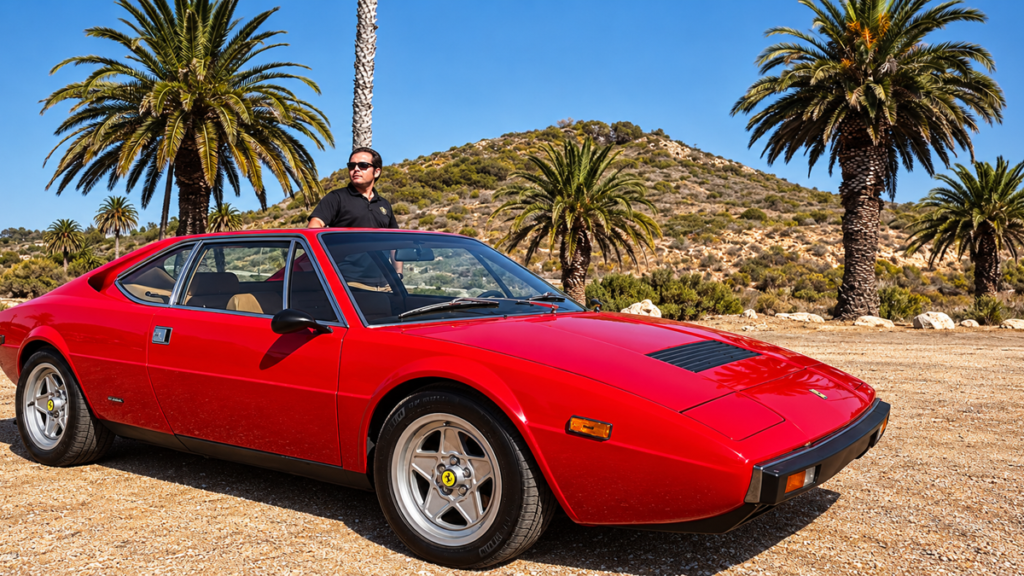
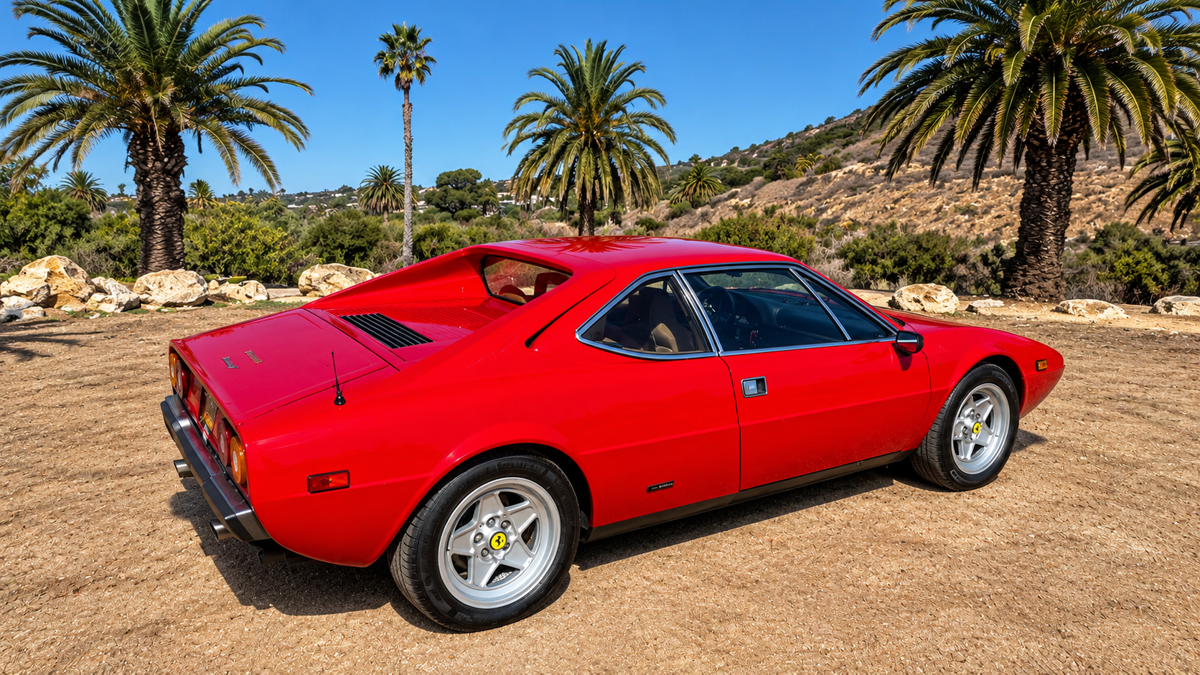
My friend Cody bought a 1975 Ferrari 308 GT4 for $38,000. After taxes and registration, he was in the low-$40,000 range. A few months and three shop visits later, he had spent just over $25,000 on maintenance and repairs. That’s about a new Toyota Corolla, sent straight to the service department.
However, this wasn’t simply an enthusiast gambling on a cheap exotic. Cody bought the very Ferrari that gave him his first ride in one as a teenager. That makes the purchase considerably more understandable, if no easier on his wallet.
Our conversation has been edited for length and clarity.
Costs reflect Cody’s experience with this particular car.
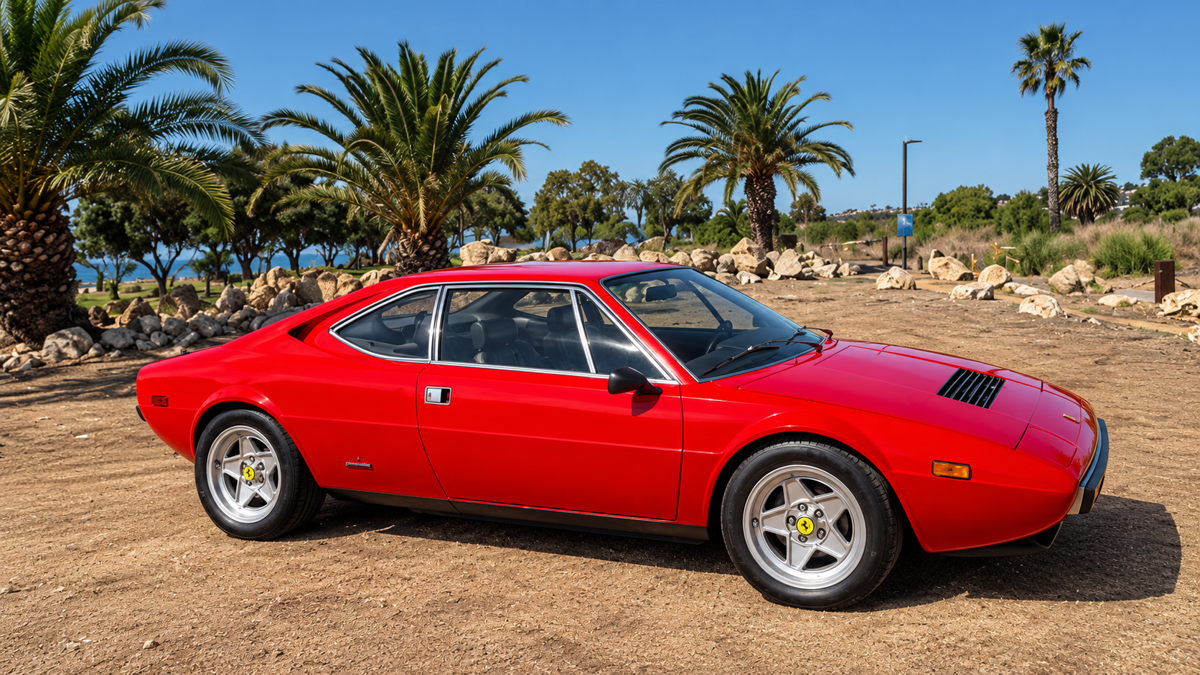
The Ferrari that started it all
Nathan: Tell me about your Ferrari.
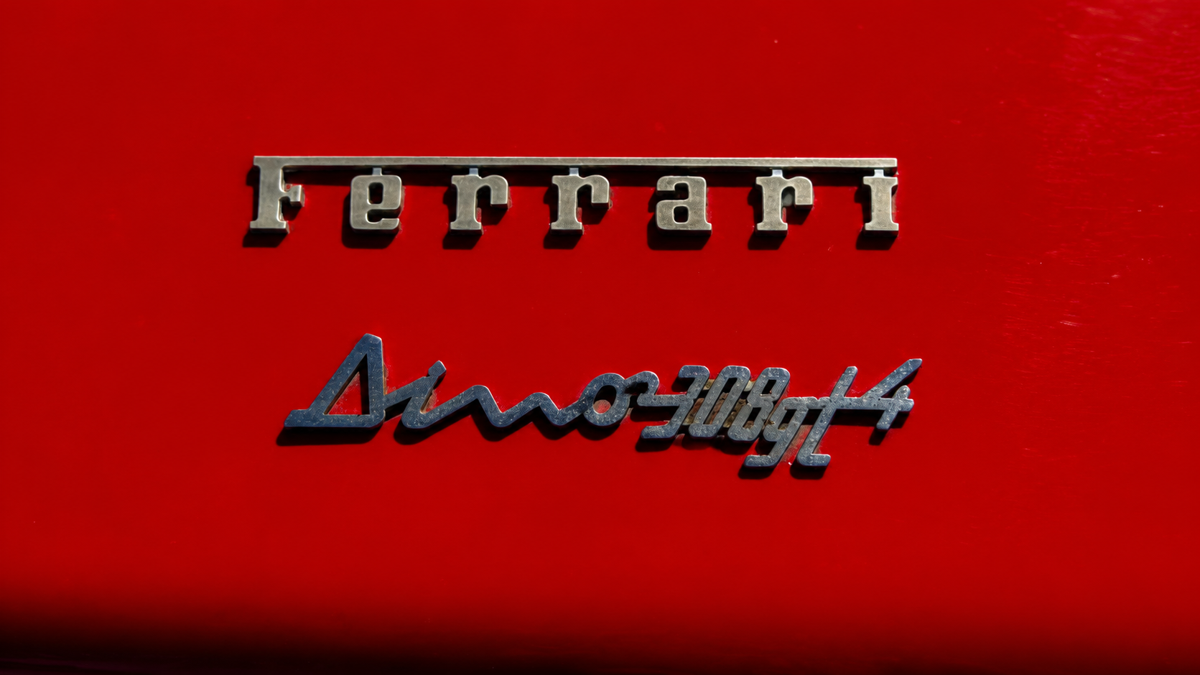
Cody: It’s a 1975 Ferrari 308 GT4, a European-market example. It helped start Ferrari’s mid-engine V8 lineage, which continued through cars like the later 308 and, eventually, the 458, 488 and F8.
But I picked this particular car because I had a deeply personal connection to it. When I was 14, I went to local Cars and Coffee events pretty much every month. Even though I’m a Lamborghini guy, I love Italian cars, and I was always drawn to the Ferrari section.
A gentleman there owned this 308 GT4. He saw a kid who genuinely loved the cars and their history, and we became friends. Eventually, he took me for my first ride in a Ferrari.
Nathan: In this exact car?
Cody: This exact car.
Nathan: And you stayed in touch?
Cody: Absolutely. When I was in high school, he would attend another local event on Sundays. My house happened to be on his way home. Every so often, I’d get a text asking, “Hey, you busy?” He’d come by and take me for a ride. It was awesome.
That’s a pretty effective way to create a future Ferrari owner. Also, potentially, a future customer for a very fortunate mechanic.
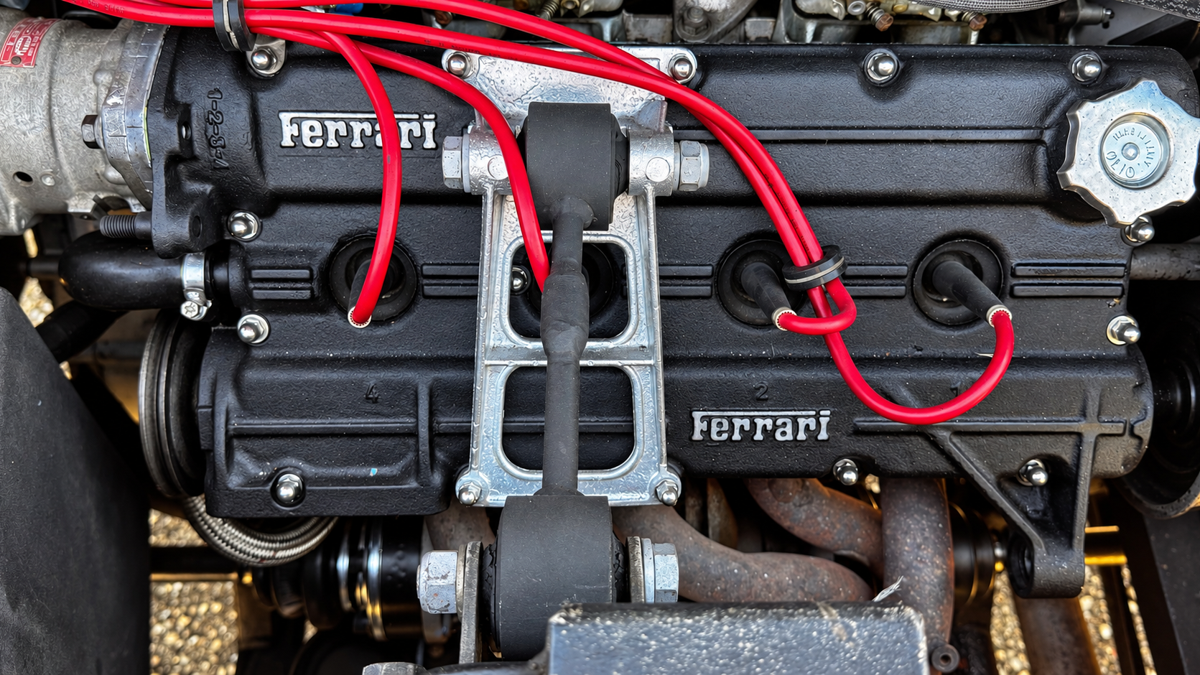
What did Camry money buy?
Nathan: Give us the basic mechanical rundown.
Cody: A 3.0-liter V8, about 255 horsepower in European specification, and a five-speed dogleg manual transmission.
Nathan: And the back seats?
Cody: Small children could technically fit, but you’re punishing anybody much over five feet tall. Really, they’re extra luggage space. The luggage compartment behind the engine tends to get pretty hot.
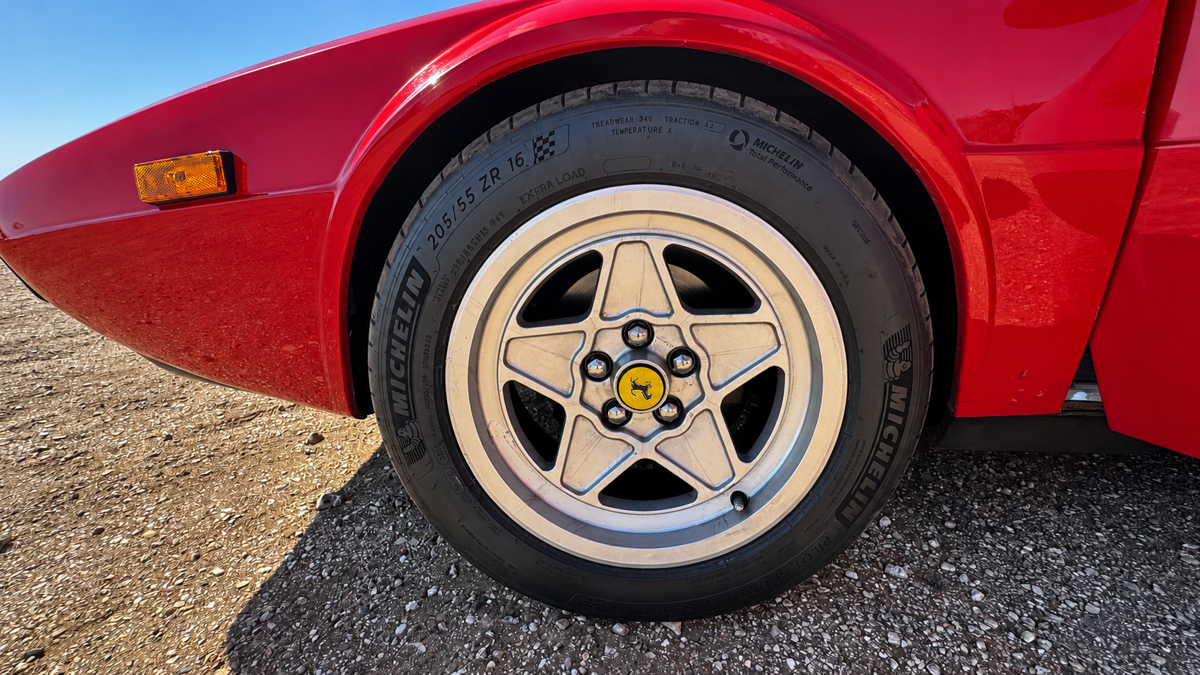
Nathan: How much did you pay?
Cody: $38,000.
Nathan: With taxes and registration, roughly the low-$40,000 range. How many miles were on it?
Cody: A little over 60,000.
Nathan: So you finally owned the Ferrari you grew up riding in. What was the first thing you did?
Cody: Sent it to a shop.
Naturally. The honeymoon included a service advisor.
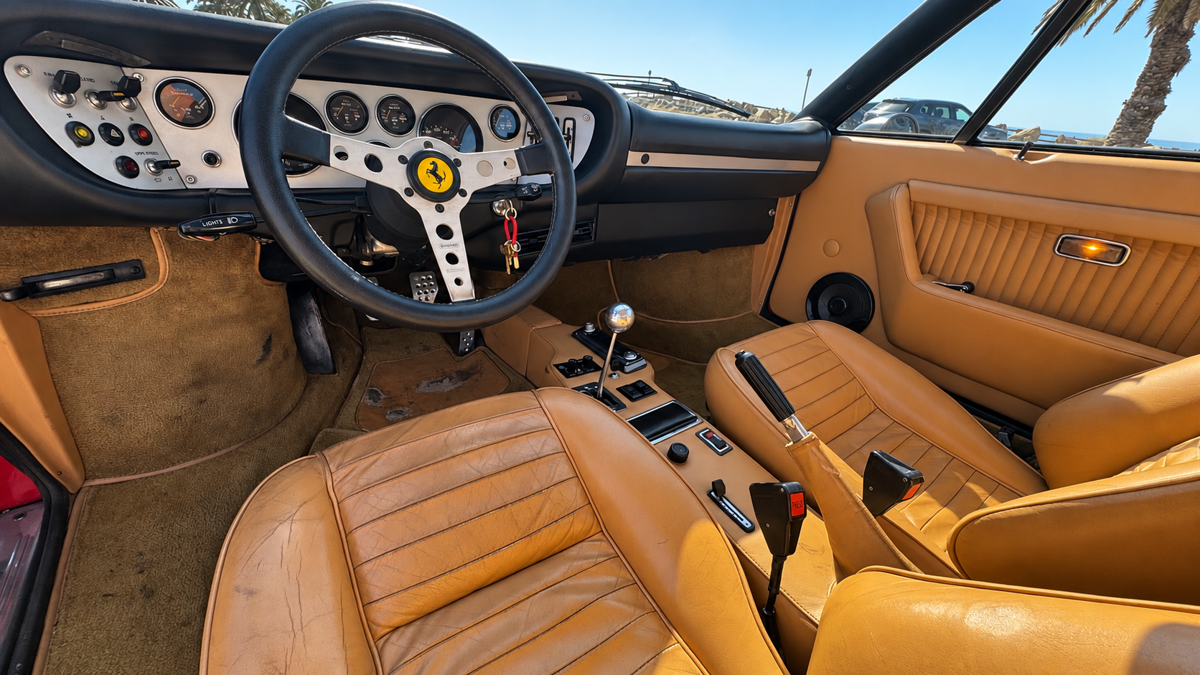
Three visits and one increasingly nervous wallet
Nathan: Walk me through the first round of work.
Cody: We knew it needed belts, and there were some leaks to fix. There was also a headlight switch on a stalk that’s known for breaking on these older Ferraris. A replacement was quoted at around $7,000. Thankfully, ours could be rebuilt.
I elected to replace the fuel lines, too. I wanted my car to remain a car, not a charcoal briquette. We also did brake lines and replaced the rear calipers because the handbrake was sticking.
Nathan: What brought it back the second time?
Cody: The starter failed. It had been failing for a while and had damaged the flywheel, so that needed replacing as well.
While everything was apart, we replaced the clutch. It didn’t absolutely need doing at that moment, but it was old. It made more sense than putting everything back together and paying to take it apart again relatively soon.
Nathan: And visit number three?
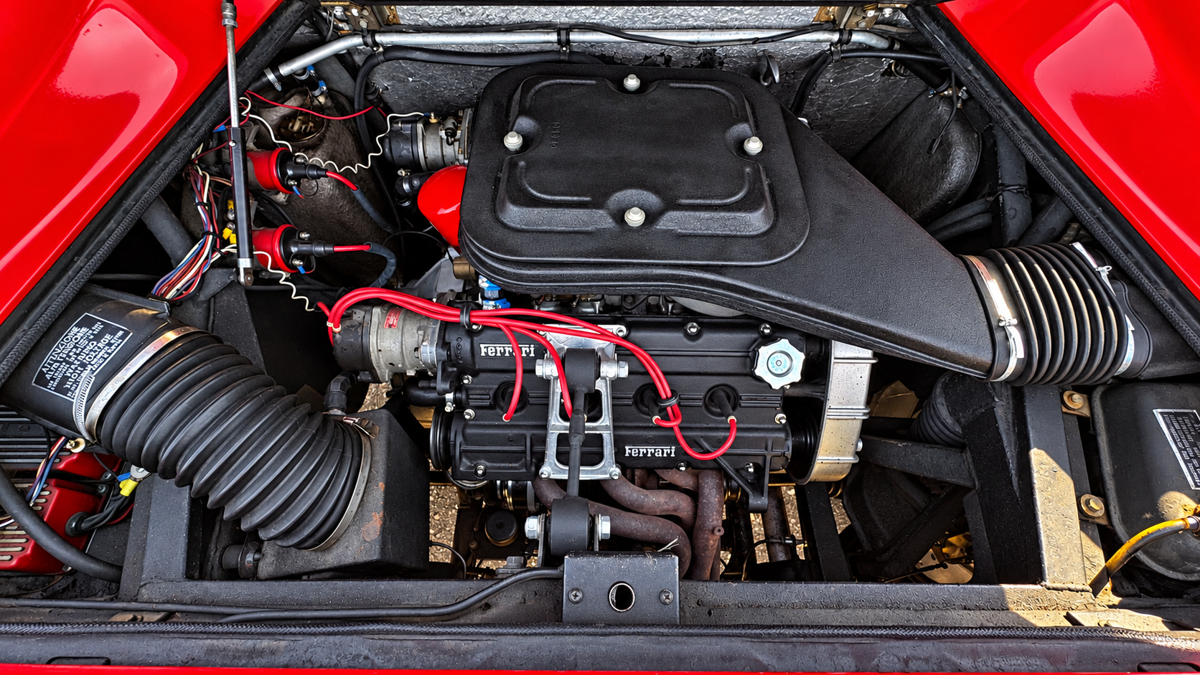
Cody: The alternator failed. According to the previous owner, it had last been rebuilt about 20 years earlier. Realistically, that’s not a bad lifespan, but it was another thing that needed doing. We also had axle boots fail.
Nathan: Some of this is simply age catching up with the car?
Cody: Exactly. We’re dealing with a 50-year-old car. These things are going to happen. And the people who have the knowledge to work on them properly aren’t cheap.
Nathan: What’s the service total?
Cody: Just over $25,000 now.
Nathan: So you’ve bought a Ferrari for Camry money and spent Corolla money keeping it running. Roughly $65,000 to $67,000 altogether?
Cody: Correct.
Do you regret it?
Nathan: That’s the obvious question.
Cody: Every time I see a bill.
Nathan: But then you drive it?
Cody: Then it makes sense. I almost think of it as a rich man’s Miata. We talk about the Miata being small, light, agile and fun without needing enormous power. This car has a lot of those characteristics.
The steering, throttle and clutch feel heavy. You really feel like you’re working the car. Once you get going, there’s a moment when you and the car are working together. It’s a really cool experience.
Nathan: What do you anticipate from future maintenance?
Cody: Pain.
There it is. Ferrari ownership, summarized in one extremely efficient word.
The lesson for bargain hunters
Nathan: You also own a Lamborghini. Are these smart purchases?
Cody: Objectively, no. They can look affordable. We recently saw an Aston Martin Vantage advertised for $45,000. That’s loaded Camry or Accord money, but it was originally a much more expensive car. Its maintenance bills still reflect that.
If you understand that and you’re prepared, you can have a good time. If you think you’re going to get away with it, it’s going to hurt.
Nathan: What comes next?
Cody: Probably continuing the masochism. Something Italian or British.
Apparently, he’d like his next repair bill delivered with a different accent.
Final thoughts
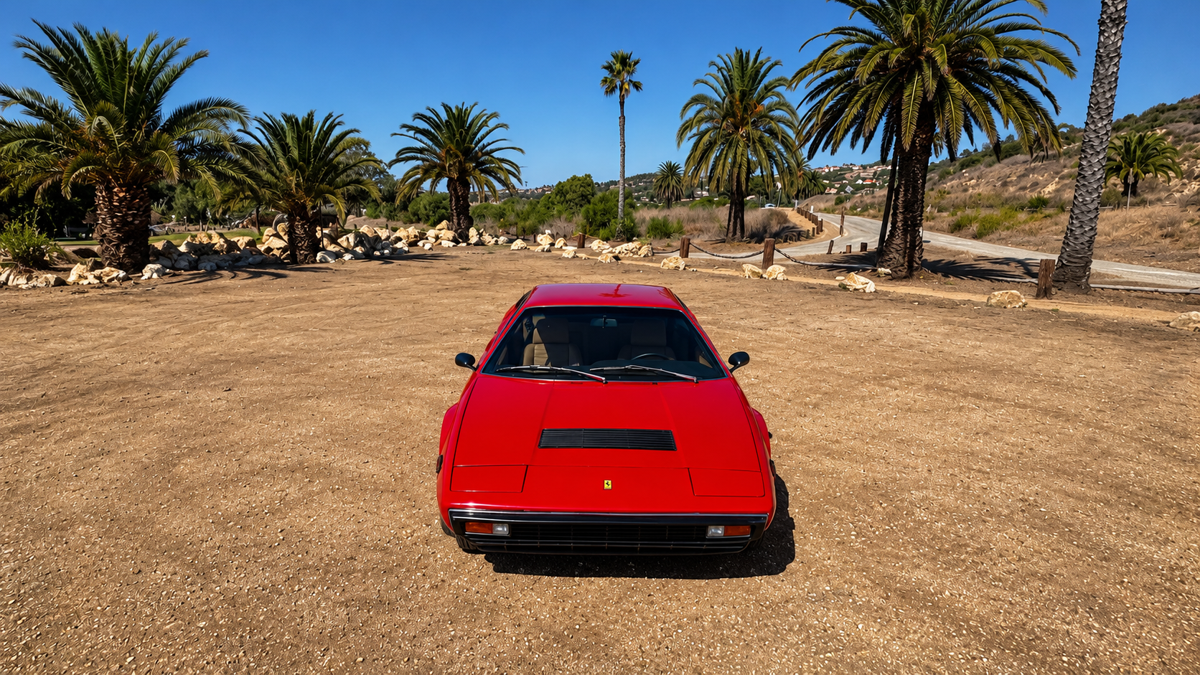
Cody’s experience illustrates the difference between being able to buy an exotic and being able to own one. The purchase price is merely the opening bid. Age, deferred work, parts availability, and specialist labor get their turns afterward.
Still, I understand this purchase. He didn’t buy an anonymous Ferrari because it was cheap. He bought a piece of his own history, complete with a V8 and a dogleg gearbox. That has value a spreadsheet will struggle to explain.
Related: Is Automotive Paint Protection Film (PPF) Worth It? I Ask an Expert
Would I recommend following his example? Only with a thorough inspection, a realistic maintenance reserve, and the understanding that your bargain might require another car’s worth of money.
Cody knew what he was getting into. It hurt anyway. But when the bills are paid, and the road opens up, he gets to drive the Ferrari that made him fall in love with Ferraris.
A Camry is unlikely to give him that experience. It would, however, leave room in the budget for an actual Corolla.
Related: 2026 Dodge Charger SIXPACK vs. EV: Which Powertrain is Best?