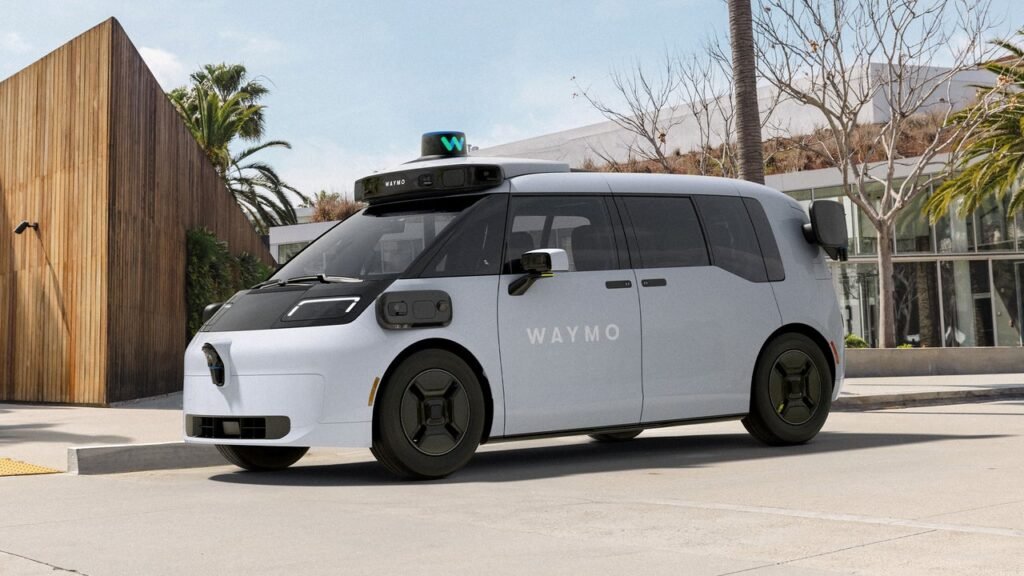
Want to ride in a Chinese-built EV? If you live in the U.S., your best bet might be hailing a Waymo robotaxi.
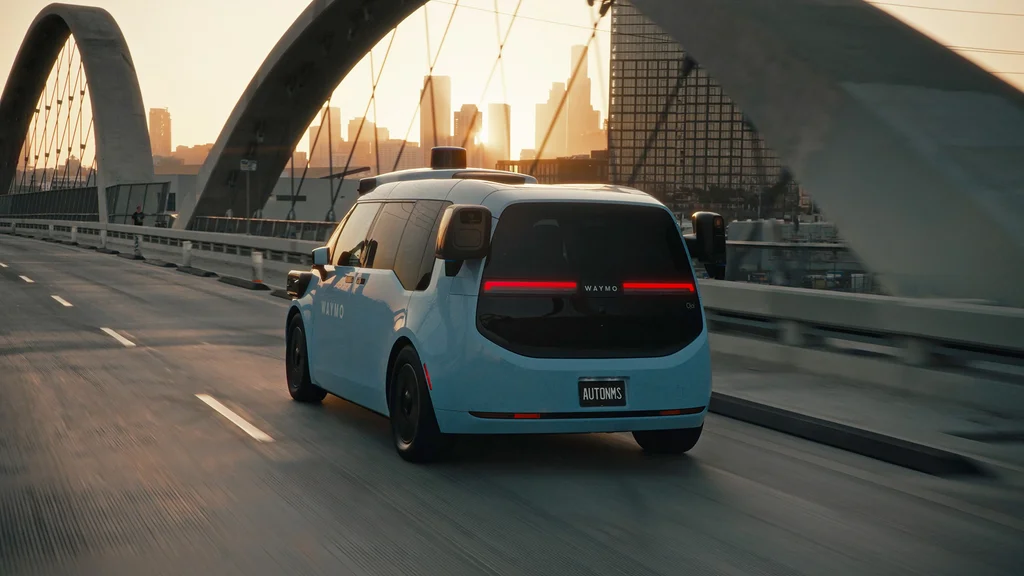
Waymo’s custom-made Ojai vehicles, which started public rides in San Francisco, L.A., and Phoenix this summer, are manufactured in Ningbo, China, and then shipped to the U.S., where Waymo adds its own autonomous driving technology.
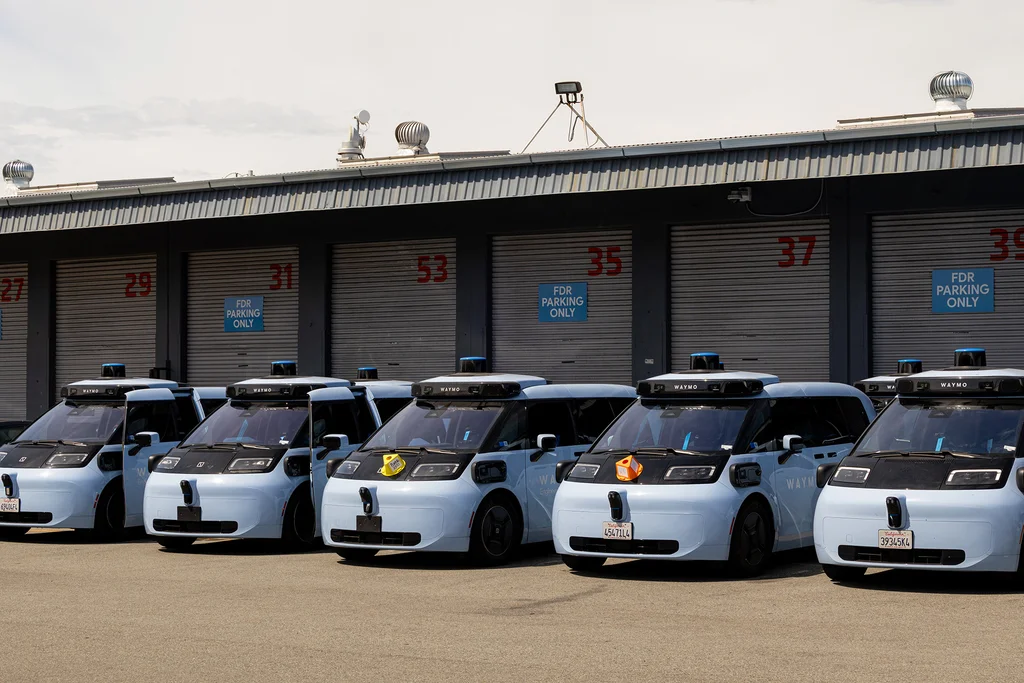
Hundreds are on the road now, and as the company rolls them out in Denver, Las Vegas, and San Diego later this year, that number will jump to the thousands. Waymo has reportedly imported more than 3,000 of the vehicles, including 2,600 last year. The vehicles stand out at a time when China-made EVs are largely shut out of the American market.
American consumers are missing out on Chinese EVs
China is the global leader in electric vehicles—and, increasingly, in any kind of vehicle. In the U.K., the five fastest-growing car brands are all Chinese, including Jaecoo, BYD, and Chery. In Australia, Chinese brands have nearly tripled their share of the market over the last four years. In Brazil, where electric vehicle sales were up 268% in July, year over year, Chinese brands make up nearly 90% of EV sales. In Nepal, where 73% of car sales were electric in 2025, most of those EVs are Chinese.
The costs are very low, thanks in part to manufacturers’ vertical integration and scale. But it’s not just that the EVs are affordable—the technology is also so impressive that Ford CEO Jim Farley said, in 2024, that he didn’t want to stop driving a Xiaomi SU7 that he had tested for several months.
You can’t buy a Xiaomi or BYD in the U.S., where tariffs of more than 100% have essentially stopped imports. (The total is now 127.5%, including an extra 25% vehicle tariff that the Trump administration added last year.) If the tariffs weren’t in place, American automakers would struggle to compete head-to-head with Chinese brands. There’s a second challenge: The Connected Vehicle Rule, finalized at the beginning of 2025, bans the import of Chinese-made vehicles that include vehicle connectivity systems because of the concern the tech could be used for spying by the Chinese government.
Waymo found a way around the barriers
Waymo’s situation is unusual. The company first started working with Zeekr, its Chinese manufacturer, in 2021, before the current tariffs or new rules were in place. “Waymo inked this deal years ago,” says Tu Le, founder of a consultancy called Sino Auto Insights. “The calculus has changed completely from a geopolitics standpoint and a trade policy standpoint. My guess is that Waymo got a pretty smoking deal and had committed to X number of units.”
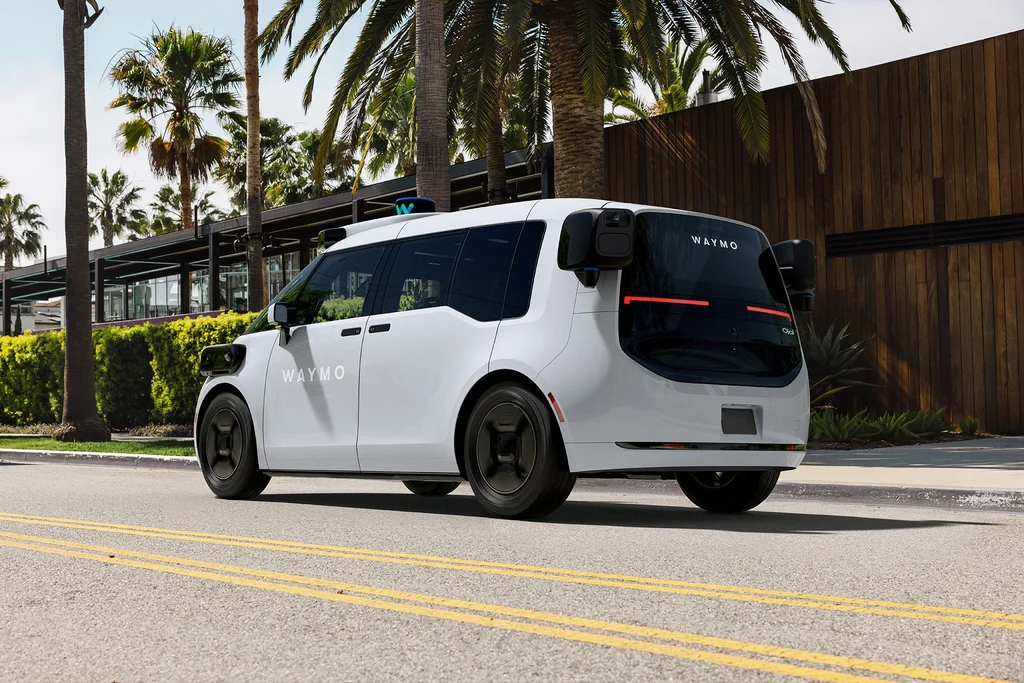
The company chose the platform because it was designed from the ground up for autonomous ride-hailing, with the safety, accessibility, and durability that Waymo needed, says company spokesperson Ethan Teicher. Previously, the company retrofitted Jaguar I-Pace cars with its technology.
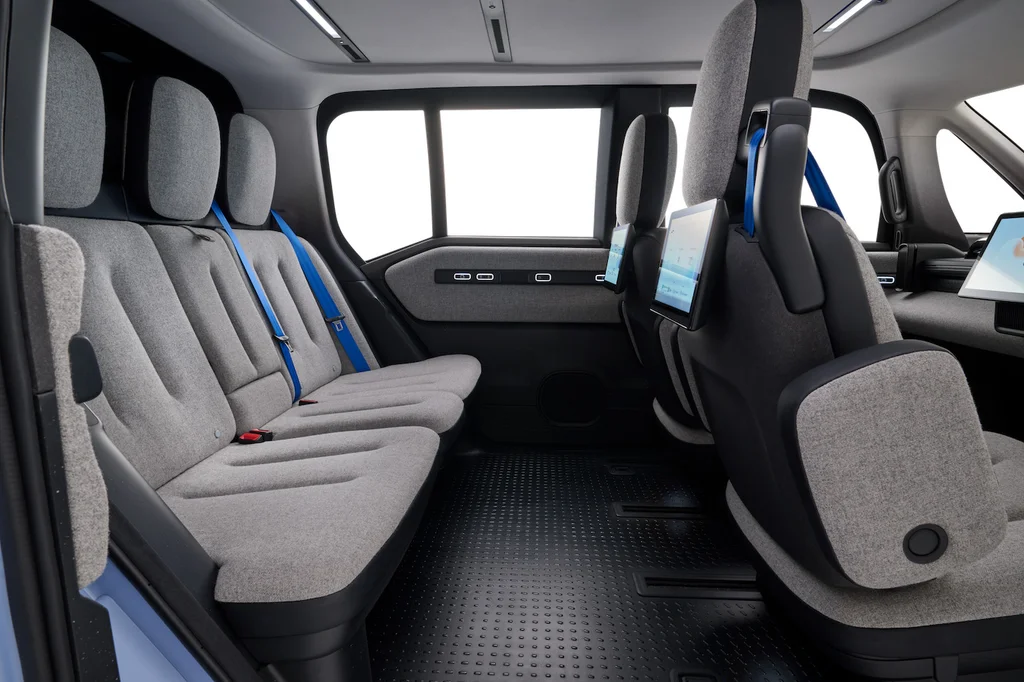
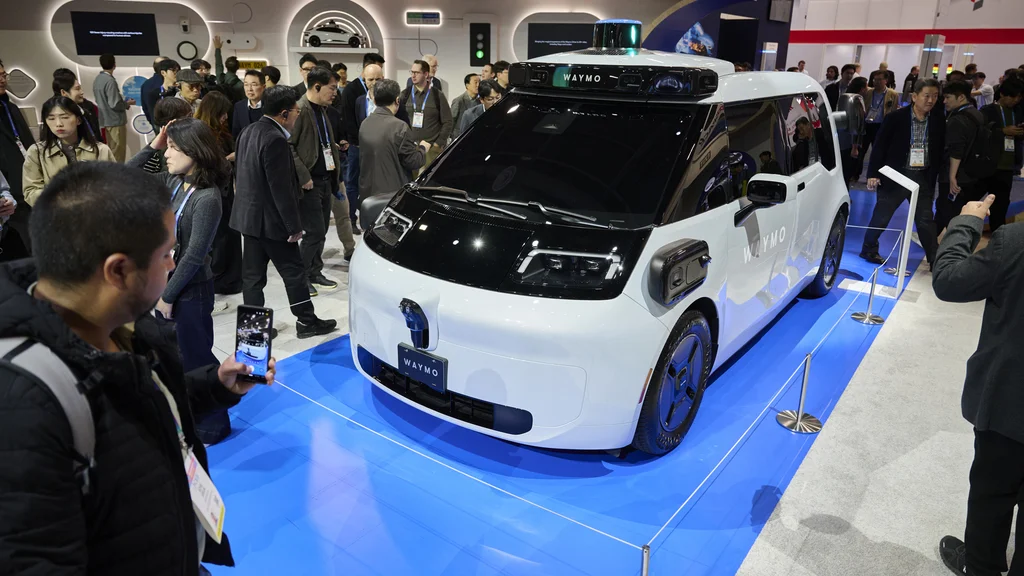
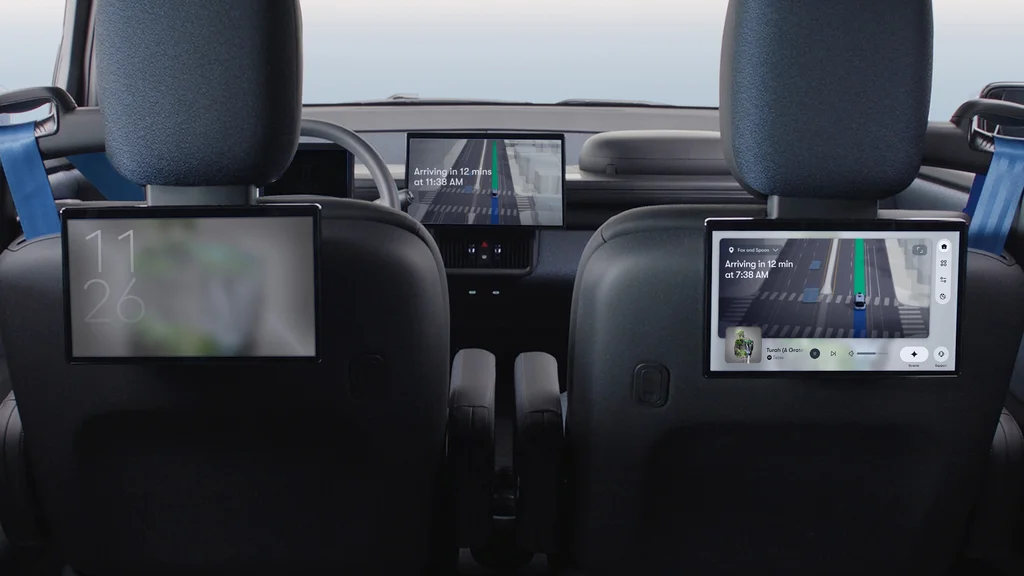
Zeekr’s rounded, friendly-looking van has wide doors that open like an elevator, a flat floor and low step to make it more accessible, and a spacious cabin with LED screens where riders can look at ride information or adjust the temperature or music. Unlike the Jaguar, the vehicle is designed to accomodate Waymo’s technology. (The company’s newest system includes 13 cameras, four lidars, and six radars—fewer sensors than in the past, which reduces cost while delivering better performance, Teicher says.)
Waymo hasn’t shared figures, but the base vehicle reportedly costs around $38,000; with tariffs, that would jump to around $86,000. Its own self-driving technology reportedly now costs less than $20,000. It is obviously not cheap, but still much less expensive than the previous Jaguars, which were said to cost around $200,000 when fully equipped.
An uncertain future
Because Waymo uses its own connected driving hardware and software, the company argues that the Connected Vehicle Rule doesn’t apply. It’s not fully clear how the government is deciding which cars are affected. Zeekr, Polestar, and Volvo are all owned by Geely, the same Chinese company. In June, Polestar was told it would have to stop selling its 2027 model year Chinese-made vehicles even when they were partly made in the U.S.; the company has told dealers that it doesn’t understand why it was banned and Volvo wasn’t.
A bill making its way through Congress now would go farther than the current rule, banning any connected vehicle made in China, not just the connected vehicle technology itself. Sino Auto Insights’ Le believes that the bill is unlikely to pass in its current form. But if it does, it’s possible that Waymo’s new vehicles could be affected. (It’s worth noting that Waymo is also working with Hyundai on a vehicle that is expected to be produced in Georgia.)
Depending on what happens with policy, it’s theoretically possible that some other companies might follow Waymo’s example—and decide that Chinese manufacturing is so affordable and so advanced that it’s viable even with tariffs. That might be true for other robotaxi companies, or for other uses like delivery vehicles.
“I could still see a tech company with a decent amount of capital taking the risk [on Chinese manufacturing],” Le says. “If I’m one of their competitors, I’m going to be like, well, Waymo’s doing it, why can’t I?”