“Tap a button, get a ride.”
We repeated it like a mantra in the early days at Uber. Every metric we obsessed over was in service of that sentence: cancellation rates, two-minute ETAs, requests-to-completed-trips. On promo days, you could tap the button and get kittens. It felt like magic, which was the point. And like all magic, it required an enormous amount of unglamorous labor arranged just out of frame: engineers, drivers, ops people, all making sure the car came.
And if we could deliver a car in a few minutes, why not dinner? I joined the founding team of Uber Eats and spent years explaining to restaurant partners what the magic required. We were maniacal about pickup times. Fries had to be in a bag within 10 minutes or the whole chain broke. We obsessed over alert systems, delivery time, and how many pickups and drop-offs a driver needed per hour to be “productive”—meaning they hit an earnings target we’d floored at roughly minimum wage.
When my team was spiraling because delivery times were running eight minutes long, I’d remind them: Guys. We’re just delivering burgers. We were, but it didn’t feel like it.
We were also building a frictionless world, though nobody in that room would have said so. We were one piece of a confluence—the iPhone, cheap data, geotagging in your pocket—that made it possible, for the first time, to tap a rectangle of glass and summon nearly anything. A car. A burger. A date.
It was a lot of work, and it was all the time.
Enter a friend, who suggested I was possibly asking too much of myself. “You need to get away,” she said. “Far away.”
The Rally
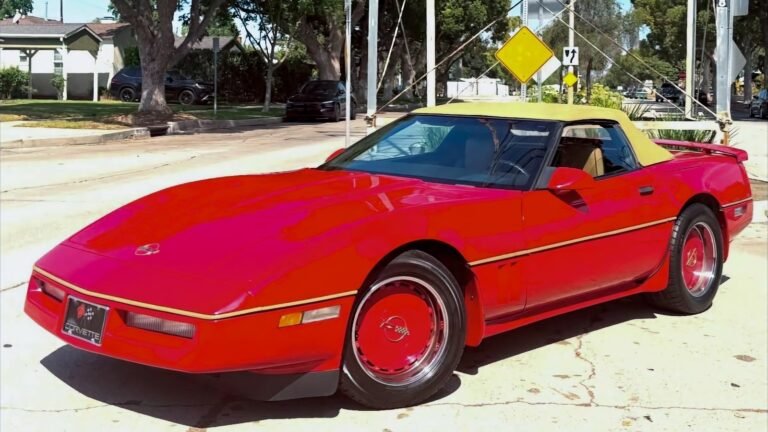
And that is when I did something decidedly friction-filled: joined a car rally. I had never been on a rally before. I didn’t know what to expect, other than, well, there would be driving (and I would not be working).
So, here is what happened: I spent a week driving across Europe without GPS (Rally rules banned GPS). Freedom! Each night, we passed a hat around, randomly assigning who we’d share a car with for the next day’s drive. Serendipity! Cars had to be older than the year Freddie Mercury died (1991), which felt poetic and conveniently excused their breaking down every 15 minutes. Chaos! I once spent eight hours on the shoulder of a road in Croatia with a retired commodities trader three times my age, waiting out a blown tire. He advised me not to quit my then-job at Goldman Sachs, which I mostly hated. Never run away from something you don’t like, he’d said. Run toward something you do.
The rally attracted people with weeks to kill, meandering a different route each year in vintage cars they loved, just for the hell of it. Fun, adventurous people, eclectic in their approach to life, fabulously wealthy, adorned with jewelry and expensive watches they never looked at. I was something of an outlier in the group (mindful of my dwindling vacation time, I was always looking at my watch).
To this day, I’m not sure there’s anything better than speeding along a highway in an Alfa Romeo, wind in your hair, screaming “Bennie and the Jets” at the top of your lungs. Or, squeezed into the Alfa Romeo’s tiny backseat, passing around prosecco you talked a beach club owner into selling you before his season had opened, because you were hungry and needed lunch and, more urgently, alcohol.
Mostly, the rally costs you afternoons. Swaths of time you will never get back, in which nothing much happens. Nominally treating time as the luxury it is. Sitting on the verge, driving on the edge, getting to know your new friends from Australia and the U.K. and even Los Angeles, working your way through the prosecco, teaching each other hit dances that are celebrated back home, while aficionados tinker with engines older than you are, coaxing them (and you) back to life.
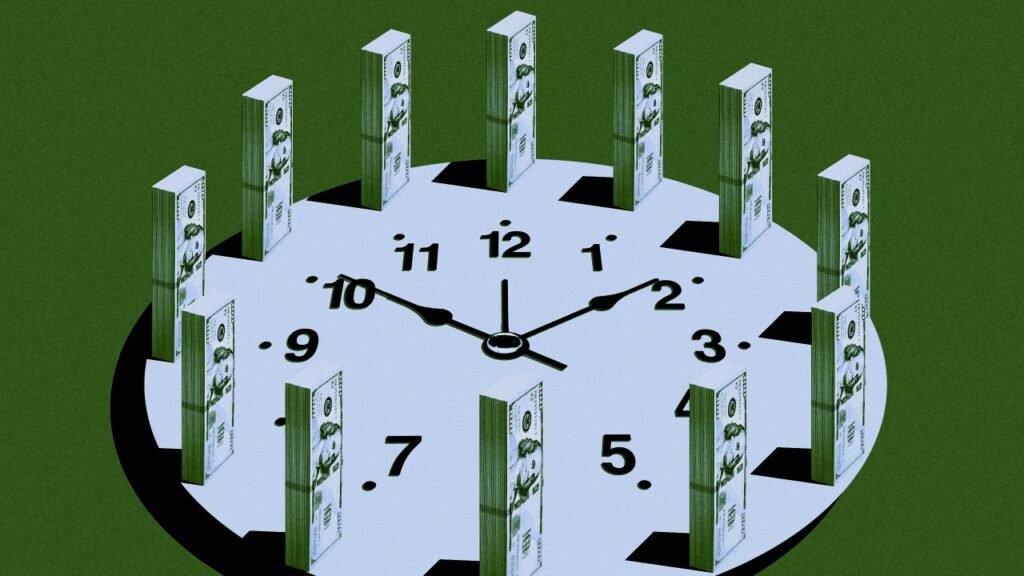
I didn’t feel the juxtaposition at the time. I’d fly home from a Croatian roadside and walk into a standup about the exact decibel level of the ping that tells a restaurant its driver has arrived. It took me years to notice that I was paying, at considerable expense, to buy back precisely what I was paid to eliminate.
Inconvenience as adventure
Friction used to be free and universal. You puzzled over a massive map with curling edges to get from point A to point B. When the car died, you waited, because there was no button. Nobody sold you that; it was simply the cost of going somewhere. Inconvenience and adventure were baked in.
Now friction is a luxury good, repackaged and priced like glamping. The no-WiFi cabin. The screen-free school for the children of the people building the screens. The classic car rally instead of the autonomous vehicle. And, you can join only if somebody invites you. We stripped friction out of everyone’s life and now sell it back to whoever can afford it.
The floor keeps dropping. We’re outsourcing the last thing left: thinking. You don’t work out how to phrase the email anymore. You ask AI. And why wouldn’t you, when there are just so many emails to send?
There’s a great deal to be said for the frictionless world. I helped build it and still use all of it. And opting out isn’t really practical. Even if you wanted to cook dinner instead of ordering it, do you have the hour? Your job requires you to be always available, and there are no glamping trips without the job.
Eventually, I did opt out. I’d spent almost 15 years being paid to delete other people’s waiting; I used the money to buy back my own. And with it? I wrote a novel using the backdrop of a classic car rally (that, and a little bit of corporate skullduggery).
There’s no button to tap when you write a book. It takes years, most of them spent alone, producing sentences you will later delete. You cannot A/B test a chapter. There’s no ETA, no dashboard that tells you it’s working, and the industry runs on timelines measured in seasons, and is staffed by people from another era (or so it seems sometimes). By every metric I was trained to optimize, it is a catastrophically inefficient way to spend your life. A machine can now generate a competent paragraph in under a second, which makes spending three years on your own seem either romantic or deranged.
I can’t point to anything concrete that came out of those overheated afternoons in a vintage car with no air conditioning or airbags, on a roadside in a country I couldn’t have found on a map. Nothing was produced. Nothing arrived in under 10 minutes. But my life has been unambiguously richer for all of it—the wasted hours, the blown tires, the retired trader who turned out to be right. And I guess I did end up writing a book about it.