Not Everyone Gets a Ride
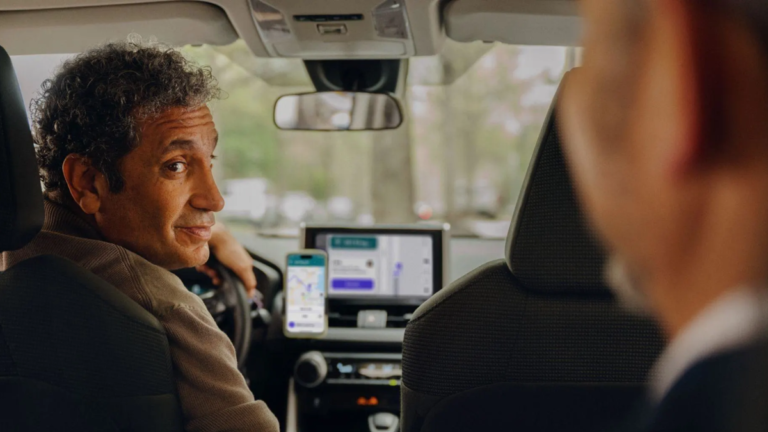
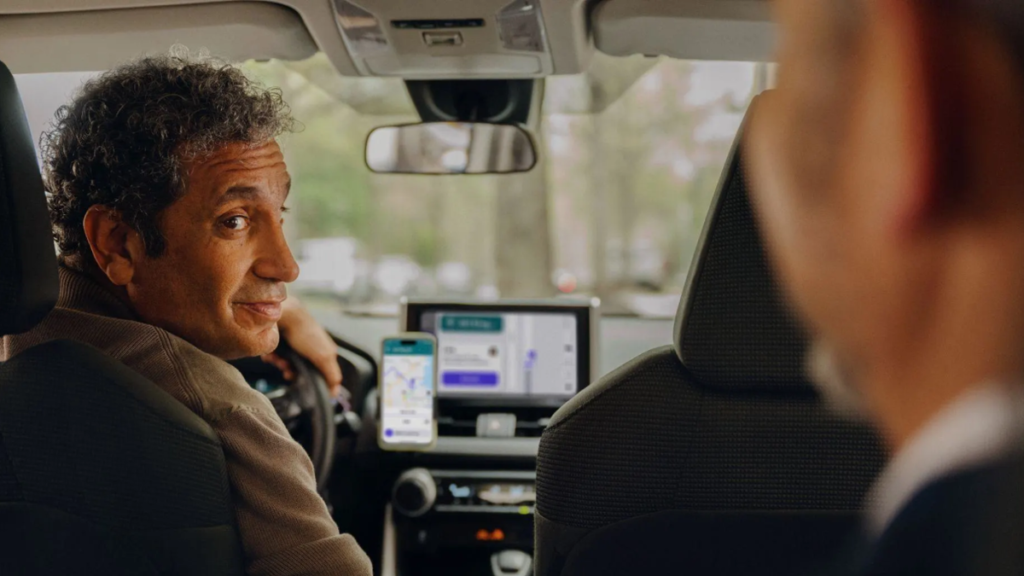
There are two types of ride-hailing services today: those that rely on human drivers and those that use fully autonomous vehicles, such as Waymo’s robotaxis. Lyft has also adopted a driverless approach, though most of its rides still rely on human drivers. The latter offers several advantages, including human interaction and passenger assistance.
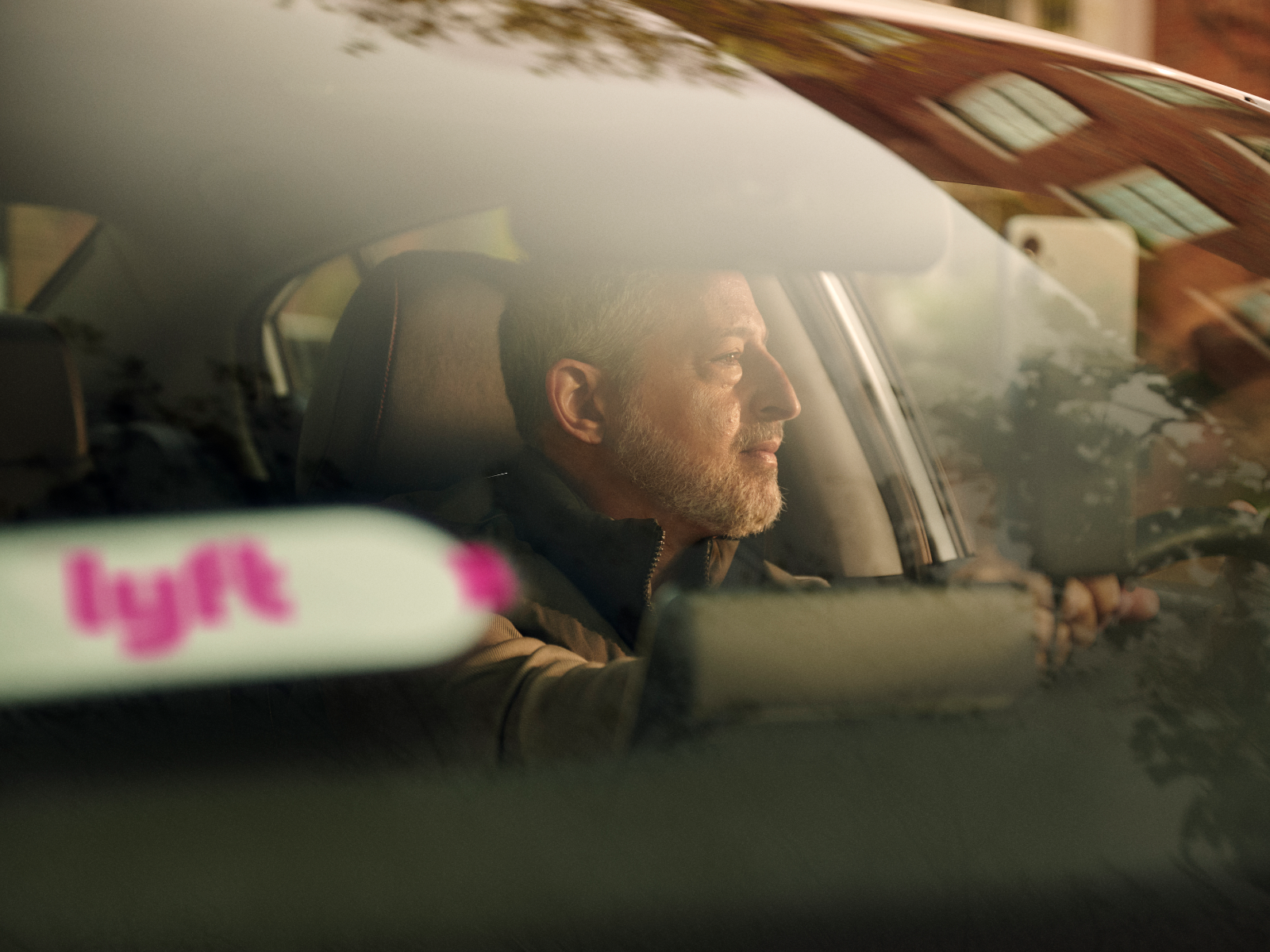
However, Lyft is now facing criticism over allegations that some of its drivers have failed to provide such assistance. Reuters reported that the U.S. Justice Department sued the ride-hailing company over alleged violations of the Americans with Disabilities Act (ADA). The suit claims that drivers turned away passengers with service dogs, foldable wheelchairs, and other mobility devices.

Lyft
A Ride to Court
Like most ride-hailing companies, Lyft allows drivers to use their own vehicles, resulting in a diverse fleet. That’s different from autonomous ride-hailing companies like Waymo, which operates Jaguar I-Paces and, more recently, the Chinese-made Ojai, based on the Zeekr RT. This approach could create accessibility challenges for Lyft passengers, particularly when smaller vehicles cannot accommodate certain mobility devices or when drivers refuse service animals over concerns about bringing dogs into their personal cars.
Whatever the case may be, the DOJ is now seeking $53 million in compensation for individuals with disabilities whom Lyft allegedly discriminated against. One of the alleged victims is retired federal judge David Tatel, who is blind and relies on a guide dog. The complaint claims that Tatel was denied a ride twice, including in 2023, when a driver allegedly screamed at him to get out of the car because of his guide dog.
Lyft denied the allegations and maintained that its long-standing policies require drivers to accommodate passengers with service dogs and mobility devices. In a statement, the company said, “drivers who violate these policies face serious consequences, including permanent deactivation.”

Lyft
The DOJ Wants Answers
While Lyft said it cooperated with the DOJ during its review, the government agency wants the ride-hailing company to address the alleged discrimination by changing its policies and ensuring that drivers and employees are properly trained to comply with federal disability laws.
Uber faced a similar lawsuit last year, with the DOJ seeking $125 million in compensation for individuals subjected to alleged discrimination, which the company denied. The case remains ongoing, while Uber said it remains focused on making its services more accessible and improving the experience for passengers with disabilities. At the same time, it is further expanding into the robotaxi space in partnership with Lucid and Nuro.
Lyft