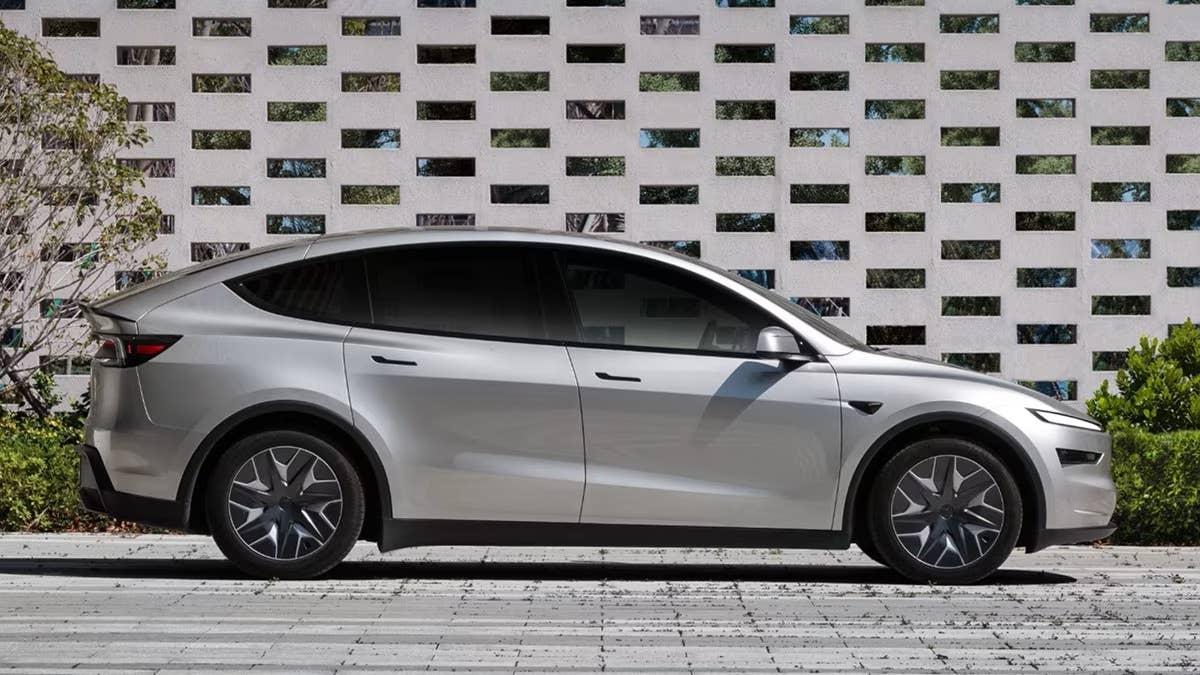
The cost of putting a fresh vehicle in the driveway has officially crossed an unprecedented threshold. According to the latest analysis from Kelley Blue Book, the average transaction price for a new vehicle in the United States reached a record $51,109 this October. This staggering figure represents a 1.3 percent increase from September and a 2.1 percent jump compared to October 2025, proving that the automotive market remains incredibly resilient despite ongoing economic pressures.
This new benchmark easily shatters previous pricing estimates that had consumers sweating just a few months ago. While inflation rates for vehicles actually remain below long-term historical averages, the sheer dollar amount highlights the bitter reality facing everyday buyers. With annual ownership costs already stretching household budgets to the breaking point, a baseline purchase price north of $51,000 completely redefines what a standard car payment looks like in 2026.
Hyundai
Premium Trucks Skew The Sales Data
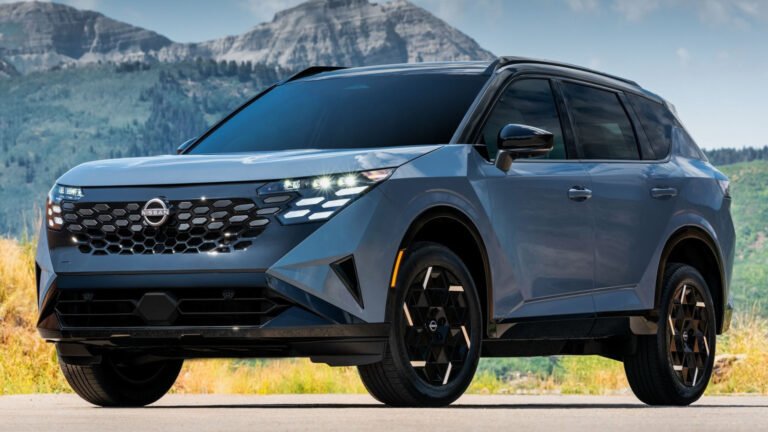
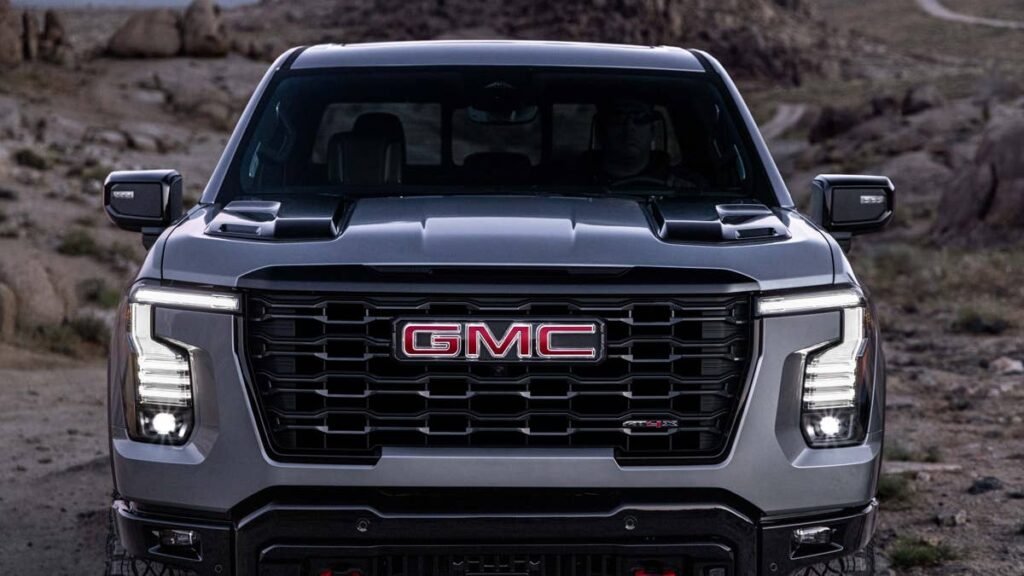
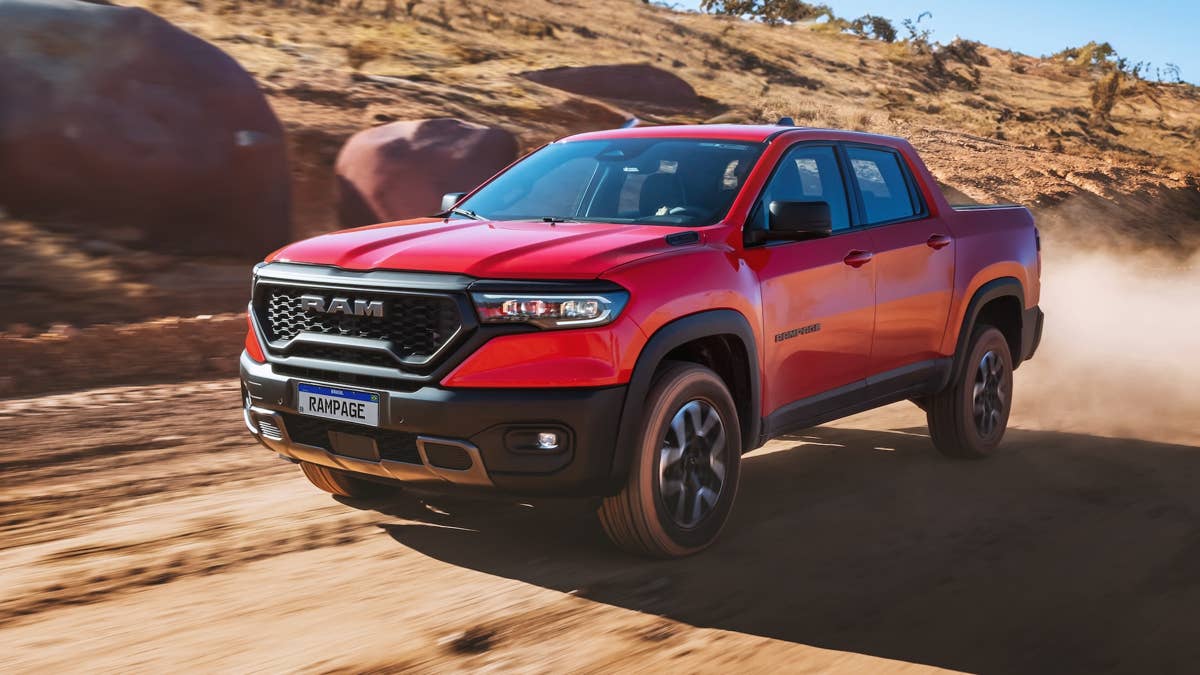
While the headline number sounds alarming, digging into the sales data reveals a much more nuanced story about consumer behavior. According to the latest Cox Automotive analysis, automakers are seeing heavy demand for highly profitable, expensive segments like midsize SUVs and full-size pickup trucks. These massive rigs currently carry an average transaction price of $67,912, which heavily skews the overall market average upward even as general incentive spending remains well below historical norms.
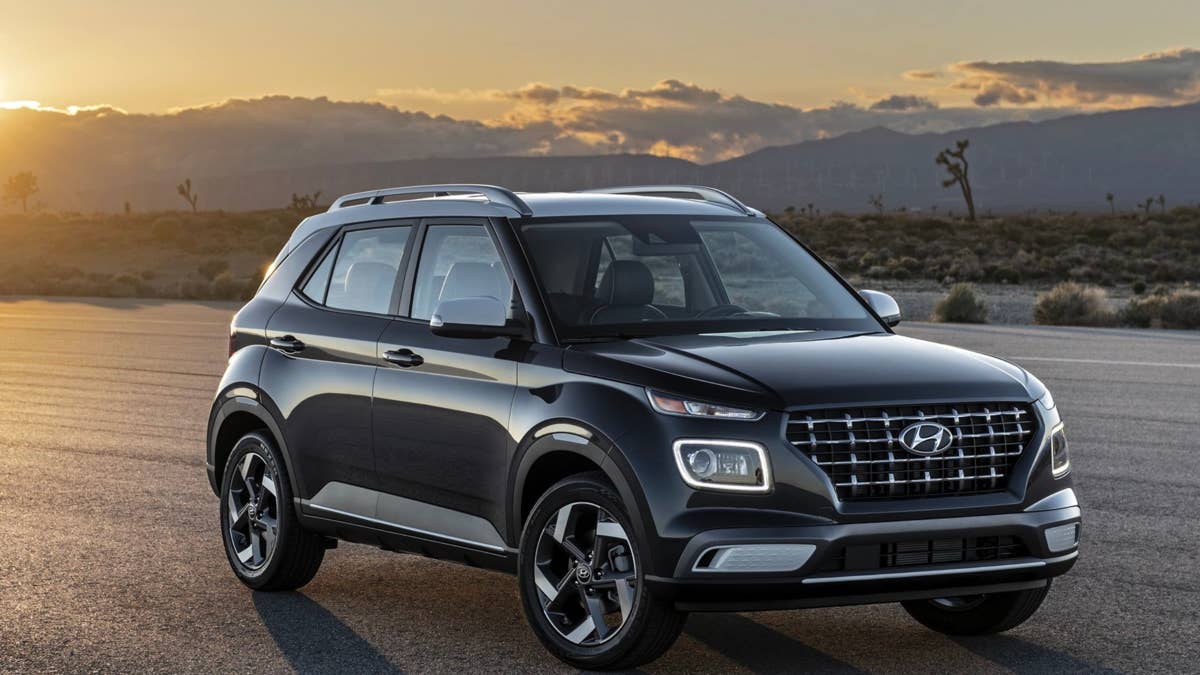
The average is telling us just as much about product mix as it is about actual affordability. Consumers are still purchasing plenty of compact cars and subcompact SUVs that transact well below the $38,000 mark. The sales volume for these more affordable segments actually jumped 9.6 percent year over year, proving that budget-conscious shoppers are successfully dodging the premium trim levels driving the broader market highs.
Ram
Finding Value Beneath The Record Highs
Automakers and local dealerships are clearly not feeling the pressure to aggressively slash prices or liquidate inventory just yet. Electric vehicle transaction prices did edge up slightly to $56,220 last month, though EV incentives are holding steady at a robust 11.3 percent of the purchase price. However, with a changing political landscape potentially altering future tax frameworks, those specific factory discounts might represent a fleeting window for buyers before regulations shift again.
While seeing the broader market average cross $51,000 is undeniably shocking, a closer look at the underlying data offers plenty of hope. You do not have to spend fifty grand to get a reliable, well-equipped commuter car right now. The budget segments are actually growing in volume, meaning smart shoppers who ignore the heavy-duty trucks and flagship SUVs can still find excellent deals hiding just beneath the terrifying headline numbers.