Crunch Time for Germany
Germany may be the birthplace of the automobile, but its industry is now at a major crossroads. Not only that, profits have tumbled, productivity is down, and Chinese cars have become a barbed thorn in its side. While some markets offer bright spots, the German auto industry is facing headwinds all at once.
Volkswagen has been making headlines in ways it wishes it hadn’t, but it’s not the only automaker in choppy waters. Mercedes-Benz could close two of its facilities in its home market if it doesn’t implement cost-saving measures.
Mercedes-Benz
The Shock Announcement
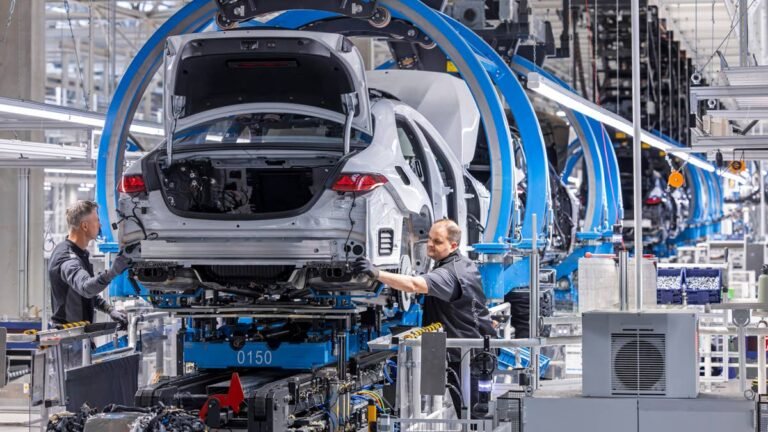
In a report by Reuters, Mercedes-Benz production chief Michael Schiebe gathered all the employees in Sindelfingen for a shock announcement. He said the company will close plants if it doesn’t reduce costs. He was quoted as saying, “Our clear goal is to maintain all of our German locations. If we are unable to do this, we will have to close one German assembly plant and one German powertrain plant.”
Of course, the general workers’ council was far from happy with the announcement. “Threatening plant closures is no way to shape the future. Anyone who resorts to such threats must expect our determined resistance,” said a representative, adding, “If the management board believes it can pressure employees with the ultimatum of ‘concessions or plant closures,’ our answer is a clear ‘not on our watch’.”
Bremen
Not Final, but Looming
Of course, the best-case scenario is for Mercedes-Benz to lift its earnings enough to keep the plants around. Still, the messaging, and perhaps the tone, rubbed the council the wrong way. Again, the decision to close two factories isn’t final, but the threat of it shutting down now lives rent-free for those who work on the lines.
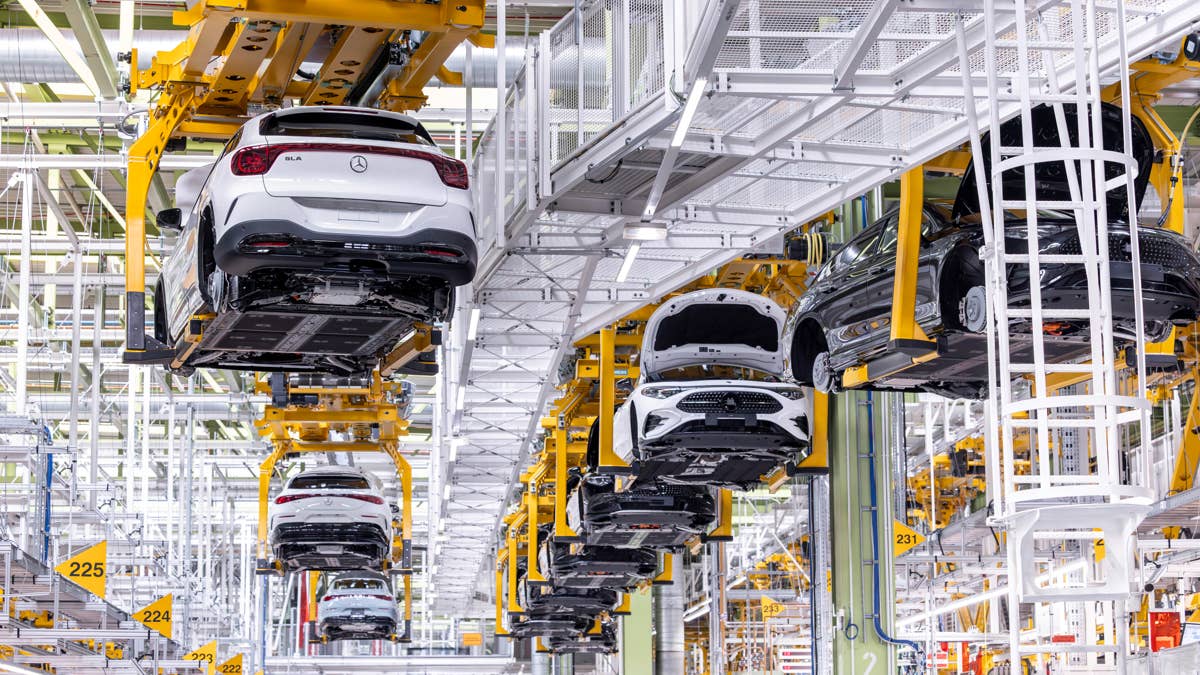
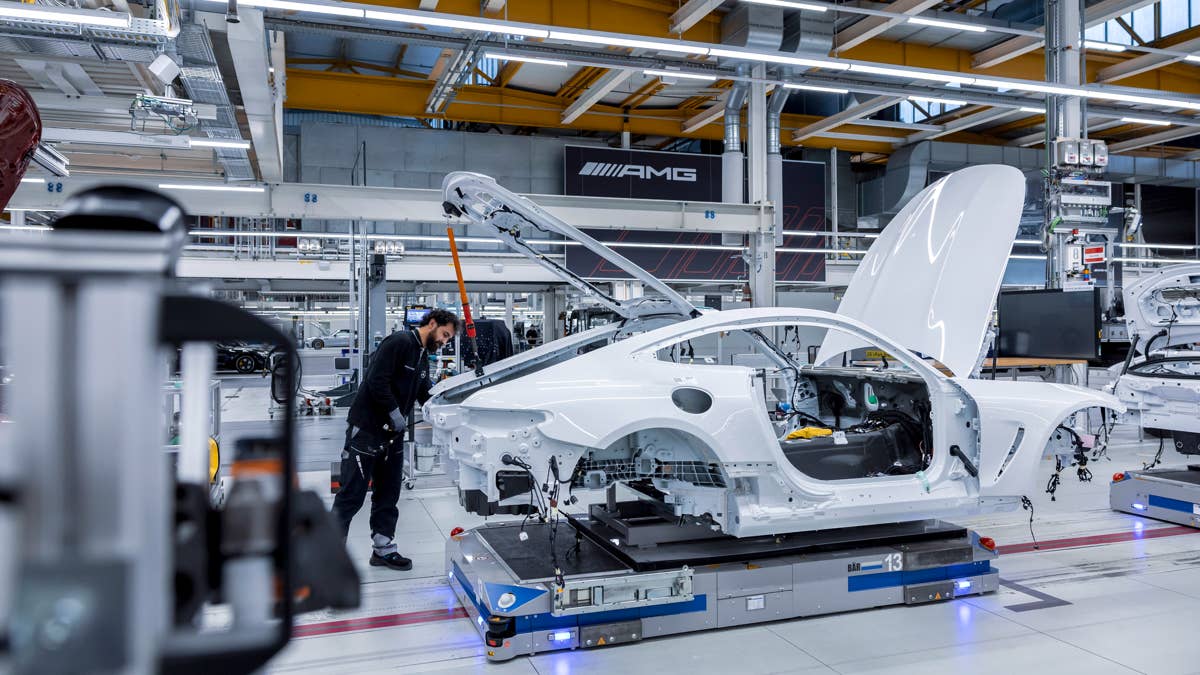
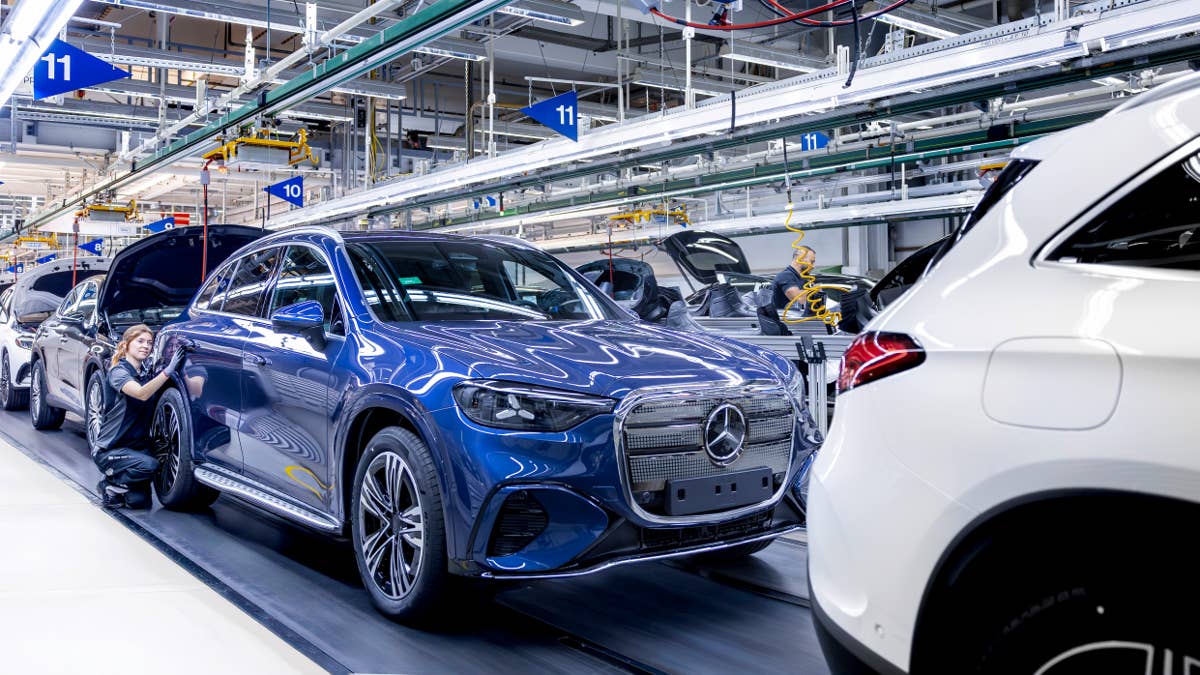
There was also no mention of which plants could face closure, and many of the ten aren’t totally immune from being shut down. Mercedes-Benz has three vehicle assembly lines and seven powertrain facilities in Germany: Sindelfingen for mid-size to higher-end models, Bremen for compact, and Rastatt for entry-level.
This isn’t just about selling more cars now. Mercedes-Benz and its unions need to agree upon labor and operational cost-saving measures to keep all ten plants running. It’s an uphill battle, as labor costs in Germany are high, and the brand has been taking hits due to tariffs. It’s the perfect storm that Mercedes and many German automakers didn’t need, especially now.
Mercedes-Benz