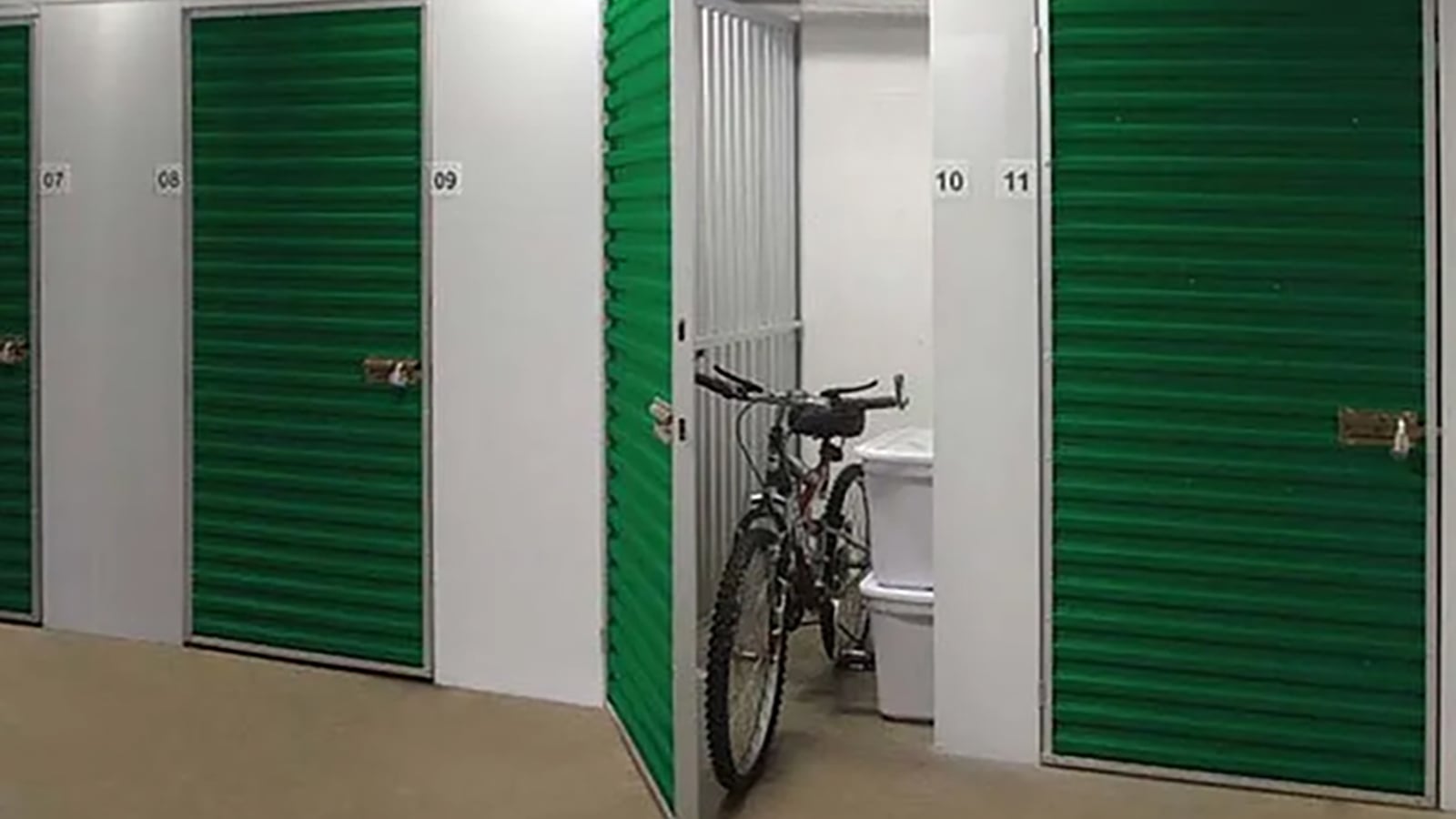
All photos courtesy of Bradyl Storage Solutions

Five years ago, multifamily owners and operators focused on experiential features to drive occupancy and ensure retention. Large clubrooms and gathering spaces, cold pools, yoga rooms, gaming areas and more were what appealed to residents.
Not so much these days. Renters want amenities that help their daily lives, such as package management, smart technology and dedicated ride-sharing space.
Also in demand? On-site storage.
“Smart access, pet services, coworking areas and on-site storage are necessities, rather than luxuries,” Bradyl Storage Solutions Co-Founder Lindsay Steiner told Connect CRE.
Furthermore, storage should consist of more than mesh cages in poorly lit, low-ventilation areas.
“Private, secure on-site storage solves a real resident need by improving the overall living experience,” Steiner said. “It can also generate recurring revenue.”
Renters and Their “Stuff”

Multifamily tenants are renting longer. Many are hybrid employees who work from home at least part-time. Apartment dwellers are also accumulating more things.
At the same time, multifamily units are getting smaller.
NAIOP reported that units built within the past ten years are approximately 30 square feet smaller than those delivered between 2005 and 2014, and 75 square feet smaller than those that came online during the early 2000s.
All of the above is driving the demand for on-site storage. “At properties where we install storage, units rent quickly, and waitlists are common,” Steiner said.
Space Misconceptions
The challenge is exploding common on-site storage myths, such as the following:
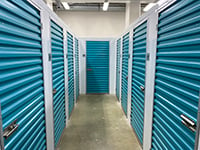
Mesh storage is okay. Mesh cages are common in apartment buildings. They also lack security, leaving items visible and secured only by a padlock. They also look out of place in otherwise well-maintained buildings. “Residents notice, and it affects how they perceive the building,” Steiner said. “Better options, such as fully enclosed units, are available at a comparable price point and prioritize security, privacy and aesthetics.
Plenty of off-site storage is nearby. Off-site buildings dedicated to storing stuff for a fee lack accessibility. Steiner noted that renters in dense urban areas are inconvenienced when they have to travel to an off-site facility, especially in bad weather.
Managing storage is an operational burden. Steiner said that well-installed storage units are self-sufficient. “It’s an amenity that generates revenue without operational headaches,” she said.
In fact, owners and operators who can shed the above misconceptions can benefit from well-thought-out on-site storage. Properties with this amenity can earn up to $5 per square foot in rental income with relatively little operational overhead, according to Bradyl.
Adding on-site storage to the amenity mix can also help reduce turnover and increase retention. Furthermore, “because quality storage is something renters are more willing to pay a premium for, it also creates room for rent growth,” Steiner said. “It’s a relatively easy-to-install amenity that carries a significant impact.”
Avoiding the Afterthought
Though on-site storage might come wit few operational headaches, it does require advanced planning.
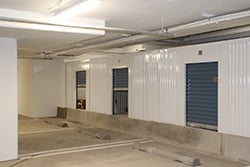
Multifamily developers should plan on-site storage additions during the design stage. Adding layouts directly into architectural plans “allows teams to optimize placement, ensure proper lighting and ventilation and address fire safety requirements, like sprinkler clearances, from the start,” Steiner said.
For owner-operators of existing properties, parking garages, underused hallways, and utility-adjacent spaces can provide opportunities for added space. The process begins with a property walk-through to identify likely space, followed by a layout plan.
“Storage can be customized to fit irregular layouts, work around existing infrastructure and be installed without MEP modifications, which keeps disruption during installation relatively low,” Steiner said.
Eyeing What’s Next
The demand for secure, well-lit and attractive on-site storage isn’t a one-off fad. Steiner said that long-term structural changes in consumer behavior and housing requirements are driving it.
“The most successful multifamily properties will continue prioritizing private, secure, and attractive storage solutions that meet the changing needs of modern residents while also enhancing the overall value and appeal of the property itself,” she added.
An earlier version of this article is available on ApartmentBuildings.com.
The post No More Mesh Cages: High-Security On-Site Storage as a Multifamily Amenity appeared first on Connect CRE.