Matteo Della Torre/NurPhoto via Getty Images
- OpenAI’s new GPT-Live model promises more natural human-to-AI conversations.
- It will add “mmhm” or “sure” while the user talks — and nixes its signature pregnant pauses.
- The update is part of a trend. AI labs are trying to make conversations feel less like passing batons.
OpenAI wants ChatGPT to stop waiting for its turn.
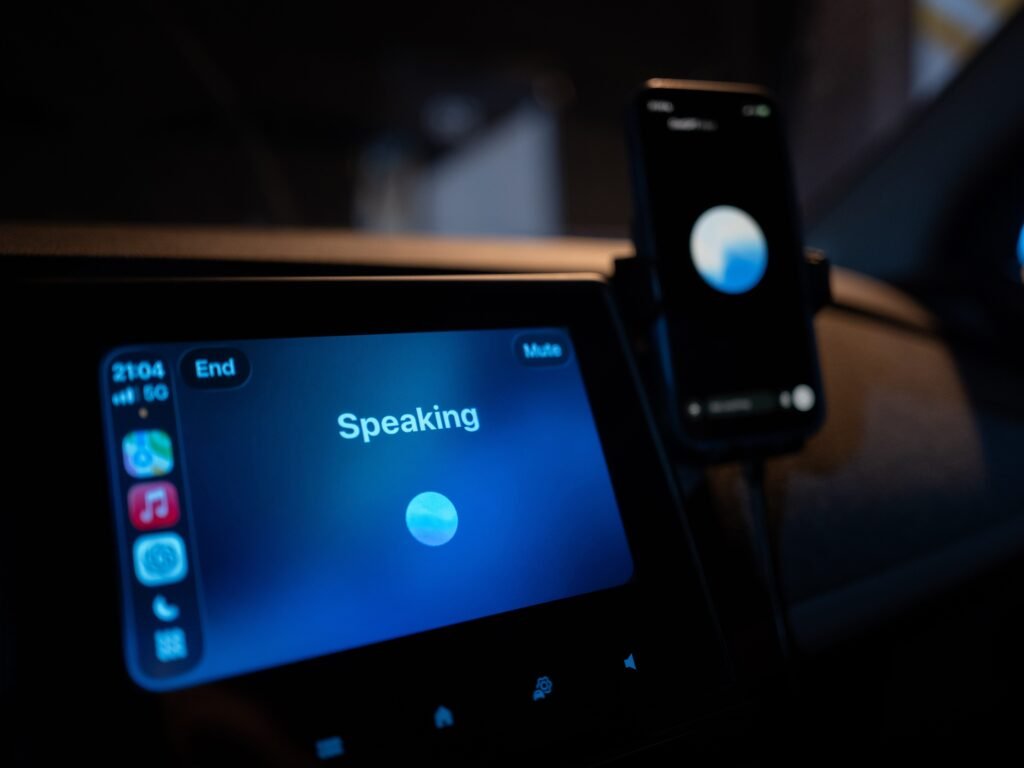
During a Wednesday livestream, the company unveiled GPT-Live, a new voice model powering ChatGPT Voice. OpenAI says the update is built to make talking with AI feel more like talking to a human.
Instead of waiting for a clean pause at the end of every sentence before responding, for example, the assistant can listen and speak simultaneously, OpenAI says. It will also acknowledge the user with an intermittent “mmhm,” “yeah,” and “got it” while the human is still talking.
In one demo, a user asked ChatGPT to fact-check the date of a coming meeting while also checking the weather and traffic along their route. ChatGPT responded with short acknowledgments like “hmm” and “sure,” then continued working through the request without losing the thread as the user added more information requests.
OpenAI also showed off ChatGPT’s ability to translate language in real time. Previous turn-based assistants had to wait for the speaker to finish before translating. Now, a full-duplex assistant — one that can listen and talk at the same time — can keep pace more naturally as a conversation unfolds, the company said.
Greg Brockman, OpenAI’s president, described the update during the livestream as a “much more natural way of interacting with your computer.”
OpenAI is not the only company trying to make AI voice assistants feel less like a baton-passing chatbot and more like an active listener. In May, Thinking Machines, the AI lab led by former OpenAI chief technology officer Mira Murati, teased similar technology. The company said its interaction models are designed to handle input and output continuously across audio, video, and text, instead of relying on the stop-and-start rhythm of traditional chatbots.
Thinking Machines said the updated models can “handle interaction natively” and smooth out human-to-AI interactions “rather than forcing humans to contort themselves to AI interfaces.”
The update also arrives as AI language models have become an internet punchline. Creators regularly mock their oddly chipper tone, their overuse of phrases like “awesome,” and the awkward little pause before an answer arrives.