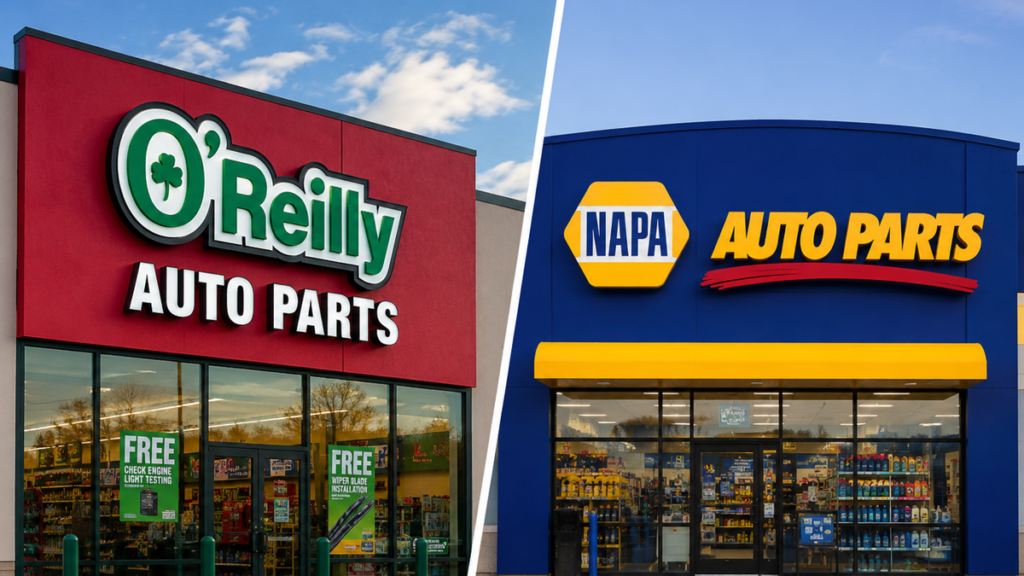
The American automotive aftermarket is on the verge of a massive consolidation. O’Reilly Automotive has tabled a $10 billion cash bid to acquire the automotive parts division of Genuine Parts Company (GPC)—better known to consumers and mechanics as NAPA Auto Parts. If finalized, this deal won’t just change the signage on your local parts store; it will restructure how parts are distributed, priced, and sold across the United States.
Getty Images
Currently, the aftermarket parts landscape is dominated by four major players. Merging two of them eliminates a massive layer of competition. Here is what the numbers and the localized impacts actually look like for American consumers and independent garages.
Franchise vs. Corporate
The core friction in this potential buyout lies in the contrasting business models. O’Reilly operates as a tightly controlled, publicly traded corporate machine with highly standardized retail experiences. NAPA, conversely, utilizes a hybrid model. Of its roughly 6,000 U.S. locations, nearly 4,500 are owned and operated by independent small business owners. These local franchises cater heavily to the commercial “do-it-for-me” mechanic market, which accounts for 80 percent of NAPA’s sales.
If O’Reilly absorbs NAPA, the survival of the independent speed shop is entirely up in the air. The transition from a local-owner network into O’Reilly’s corporate structure could mean the end of the experienced, old-school parts counter workers that enthusiasts and local garages rely on for specialized troubleshooting.
Antitrust and the FTC
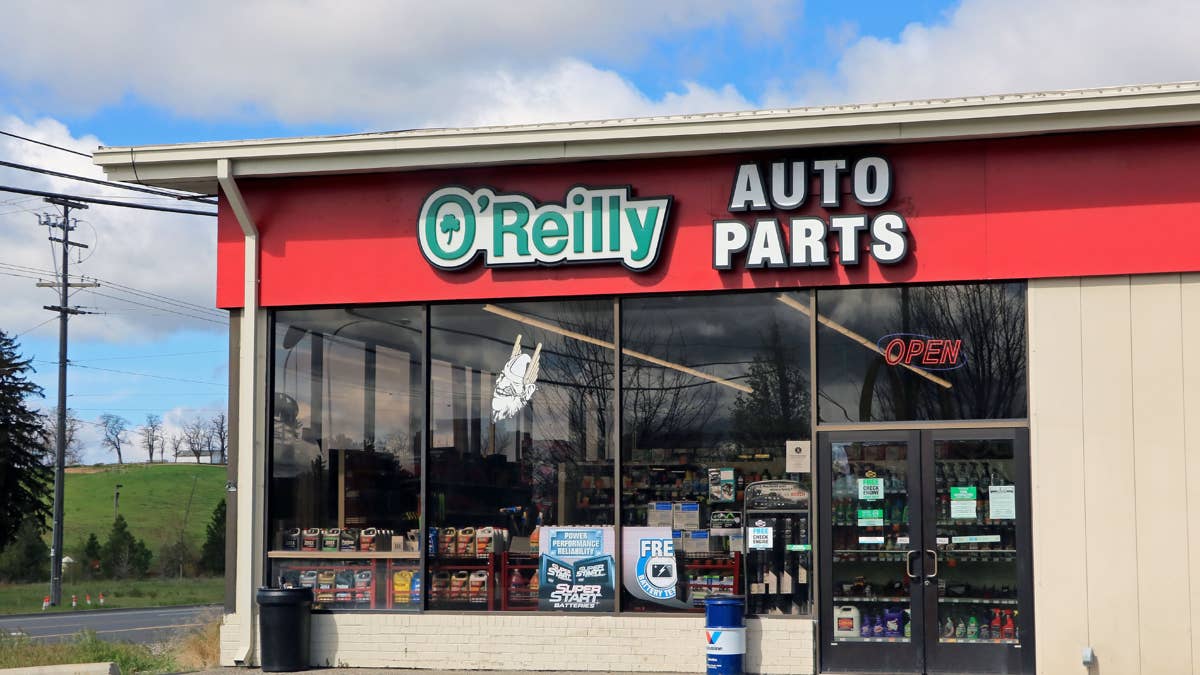
This acquisition faces an immediate regulatory nightmare. Data indicates there are approximately 1,800 O’Reilly stores located within one mile of a NAPA store. Crucially, in about 600 of these overlapping markets, there is no AutoZone or Advance Auto Parts nearby. An O’Reilly buyout creates an immediate, localized monopoly in those 600 American neighborhoods. The Federal Trade Commission will likely force aggressive divestitures or closures in these areas before green-lighting any merger, disrupting the supply chain for mechanics who depend on immediate parts delivery to get cars off their lifts.
Pricing Power and Consumer Implication
When the supply chain tightens, the consumer ultimately pays the premium. Combining O’Reilly’s retail footprint with NAPA’s 51 distribution channels will consolidate unprecedented pricing and availability power. Fewer independent distribution paths mean less competitive pricing on everything from basic alternators to specialized tools.
GPC originally planned to spin NAPA off into its own standalone public entity in 2027. O’Reilly’s aggressive $10 billion preemptive strike proves exactly how valuable market dominance is right now. Whether regulators allow them to secure that dominance—and whether local independent owners survive the fallout—will directly dictate the cost of your next car repair.