“Brazil is a country that has never really looked at itself,” artist Rosana Paulino — one of the nation’s representatives at this year’s Venice Biennale — tells curator and researcher Daniela Mayer in an interview today. So Paulino sets herself to the task, coopting the European form of the illustrated naturalist album — “images made by foreigners for foreigners” — to represent the experience of Black Brazilian women.
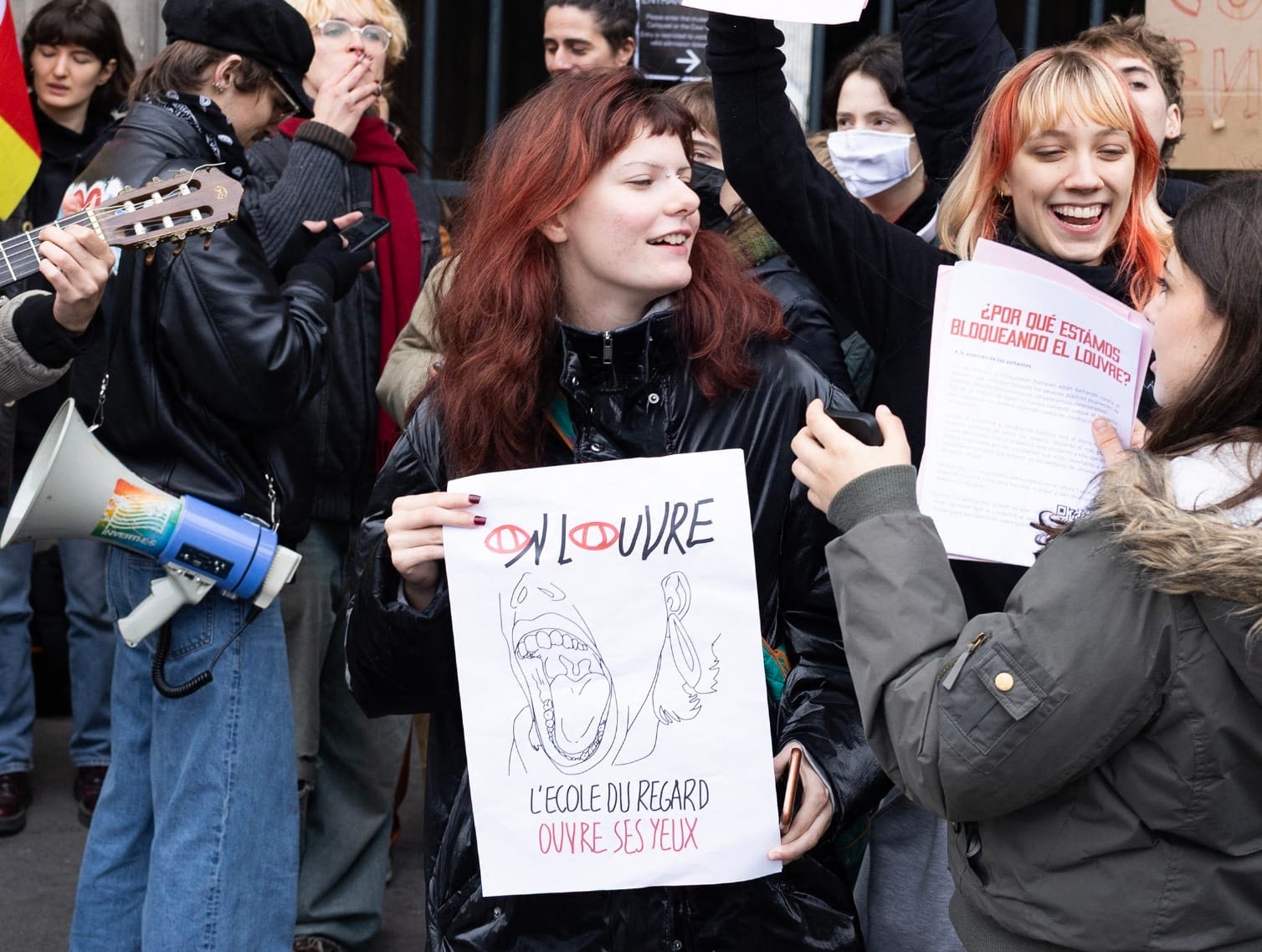
All the world over, art is a flashpoint for political struggle. In Paris, art students block the entrance of the Louvre to protest France’s overcrowded and underresourced schools, Staff Repoter Anna Lee writes. In Colombia, artists are out on the streets, fighting back against the right-wing president’s removal of artworks by women and LGBTQ+ artists from the national museum, Senior Editor Valentina Di Liscia reports. And a new film reviewed by Greta Rainbow laments Iranian authorities’ search and seizure of an archive lovingly assembled by painter and conceptual artist Nasser Bakhshi in Tabriz.
Confiscating, censoring, destroying — it’s the very antithesis of art, which safeguards memory, gives voice to the marginalized, builds something new. As Paulino puts it, “Fascism is against art, isn’t it?
—Lisa Yin Zhang, associate editor
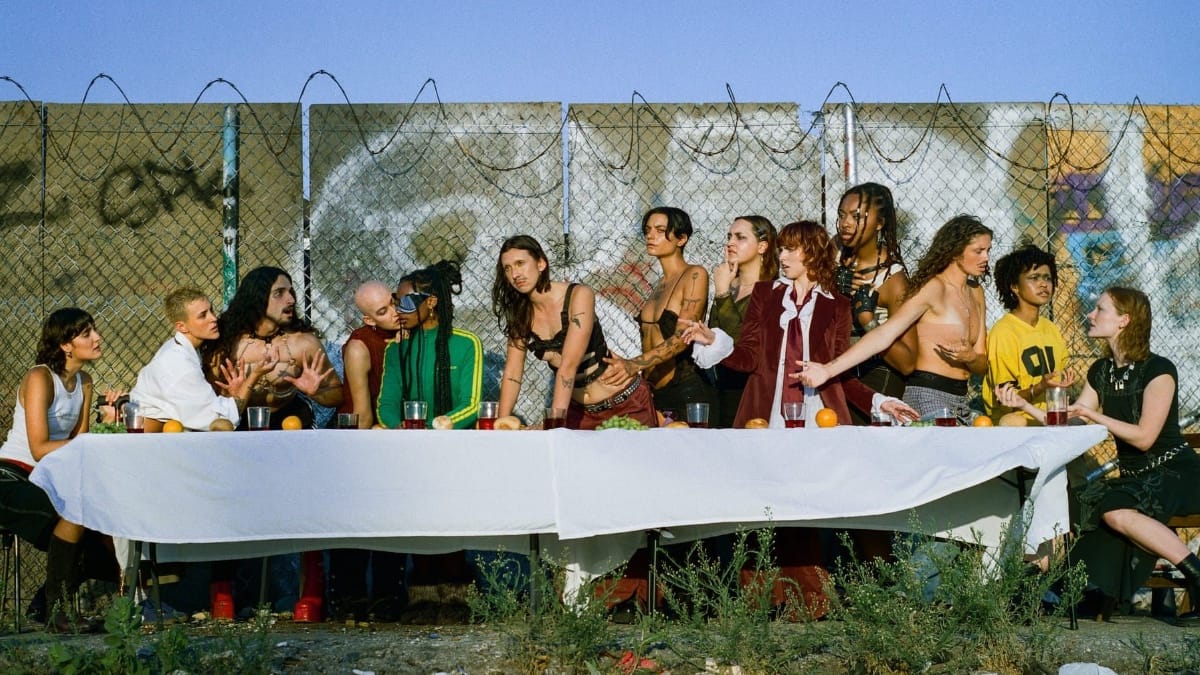
Smiles Meyer Queers “The Last Supper”
For Smiles Meyer, art is an act of divine transformation — both creatively and bodily. In 2024, the Los Angeles-based trans photographer and musician staged “The First Gathering,” in which they recreated Leonardo da Vinci’s “The Last Supper” (1495–98) with trans models. Meyer is part of a growing tradition of queer and trans artists visualizing queer identities with longstanding religious imagery, with artists like Elizabeth Ohlson Wallin recreating scenes including the Last Supper. The series builds on their previous projects like the Mary + I cover and nightclub exorcism shots taken for performance artist Maris, allowing them to unpack religious trauma through art that explores and celebrates their gender identity. | Emma Cieslik
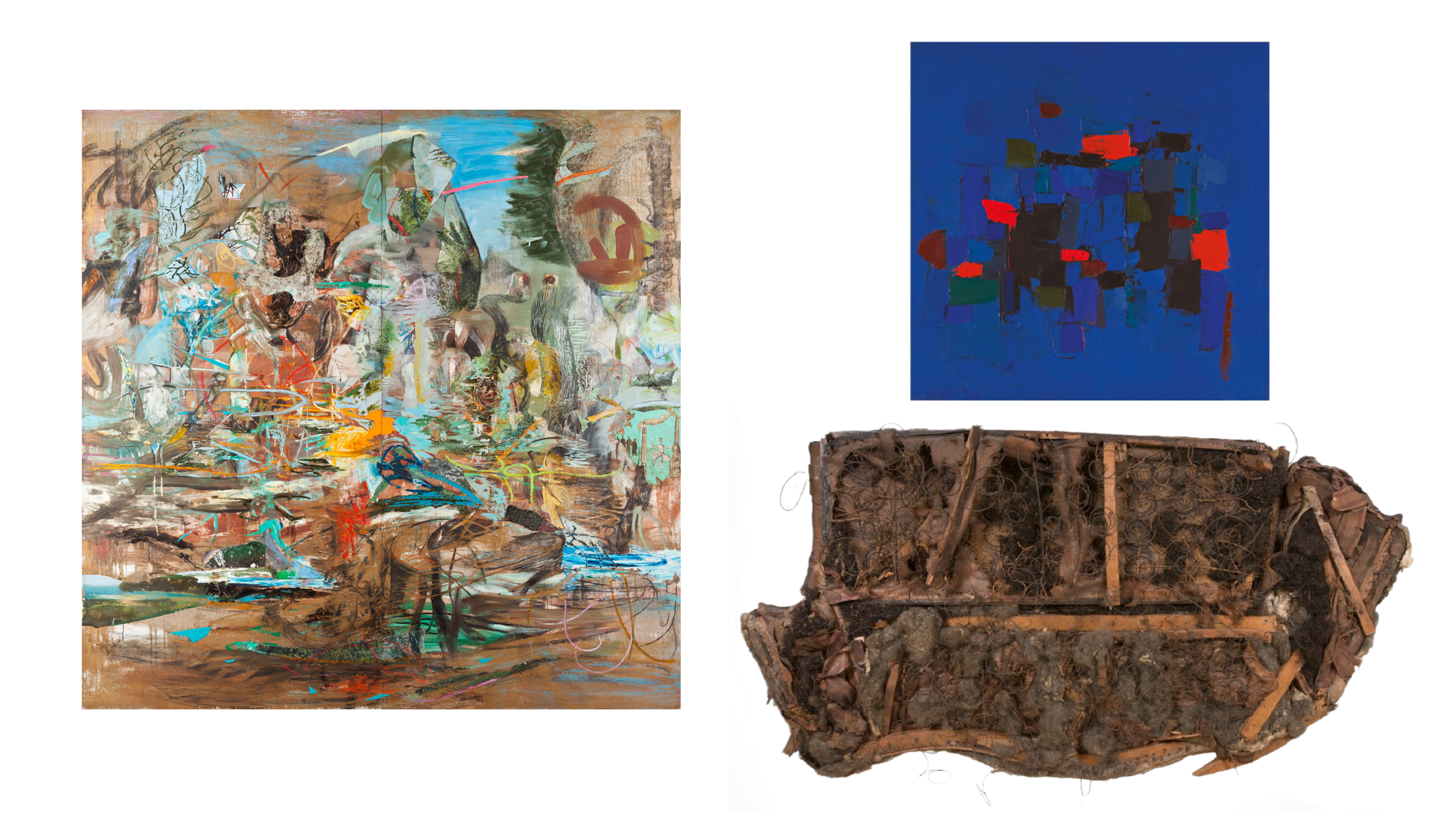
Diasporican Abstraction: A Cross-Border Cartography of Puerto Rican Abstraction
More than sixty artists explore migration, memory, and identity in this survey of Puerto Rican abstraction across and beyond the archipelago.
News
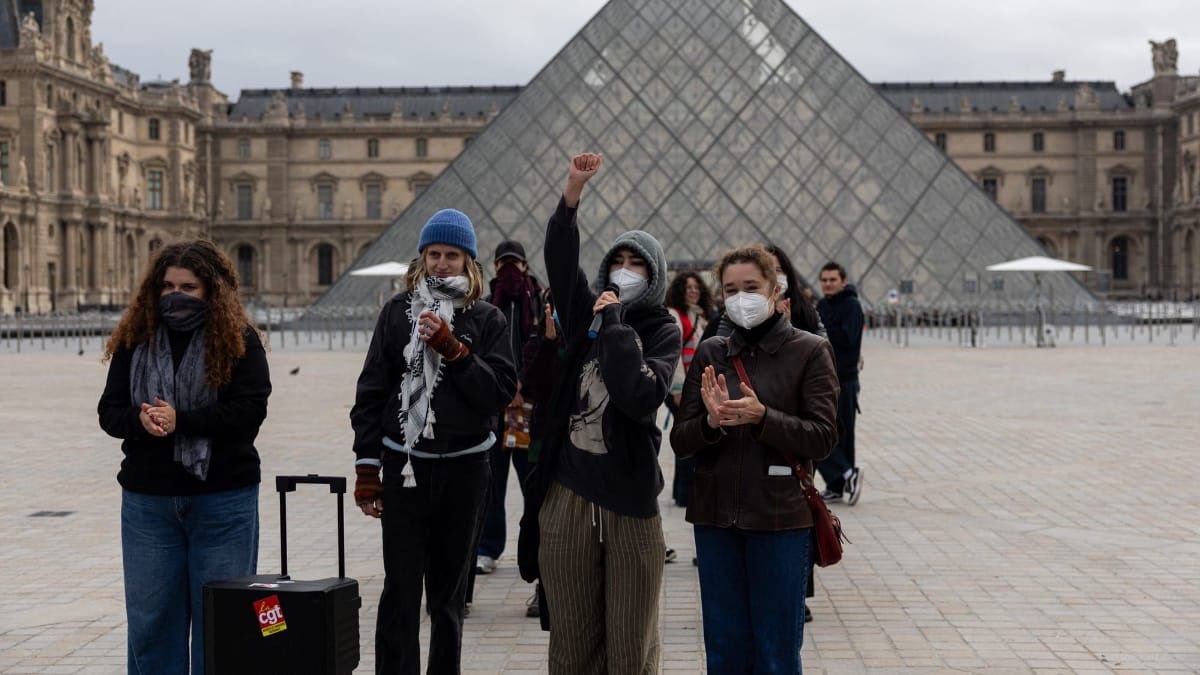
- Dozens of students from the École du Louvre in Paris began blocking the main entrance of the Louvre Museum yesterday as nationwide protests over the conditions of France’s education system reach the one-month mark.
- Hundreds protest at Colombia’s national museum in Bogotá after its far-right president removes works referencing LGBTQ+ and women’s rights and political violence.
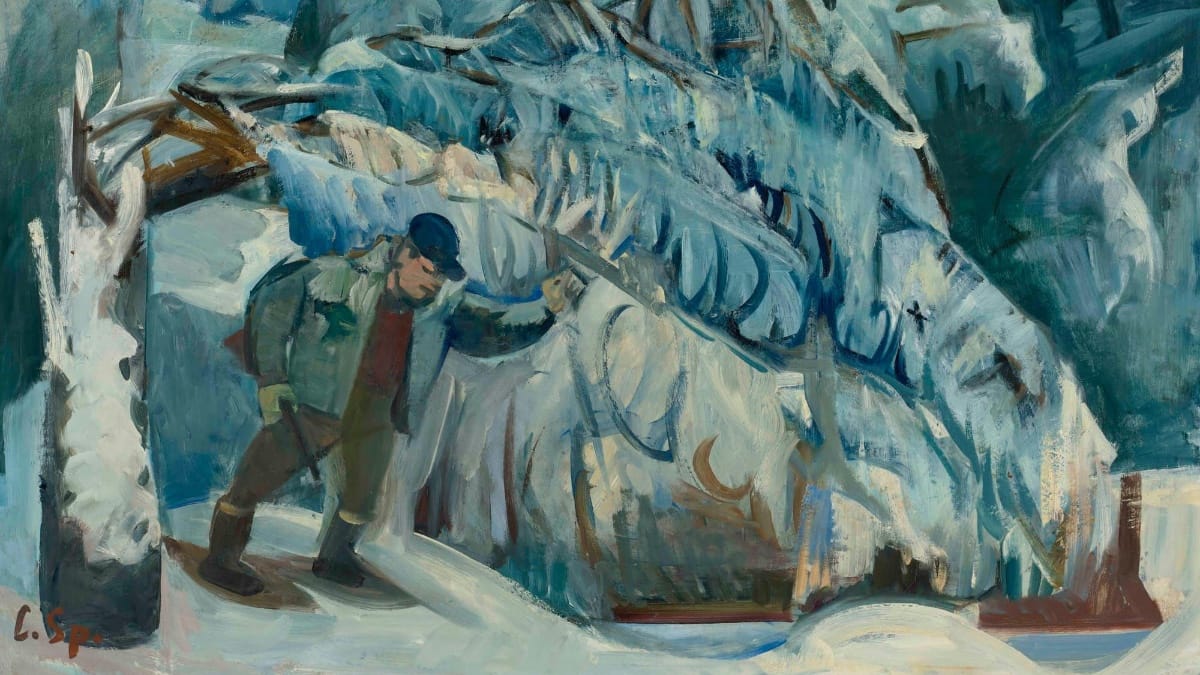
Discover Carl Sprinchorn at Two Maine Museums This Fall
The Ogunquit Museum of American Art and Bates College Museum of Art chronicle the life and work of under-recognized modern artist Carl Sprinchorn.
From Our Critics
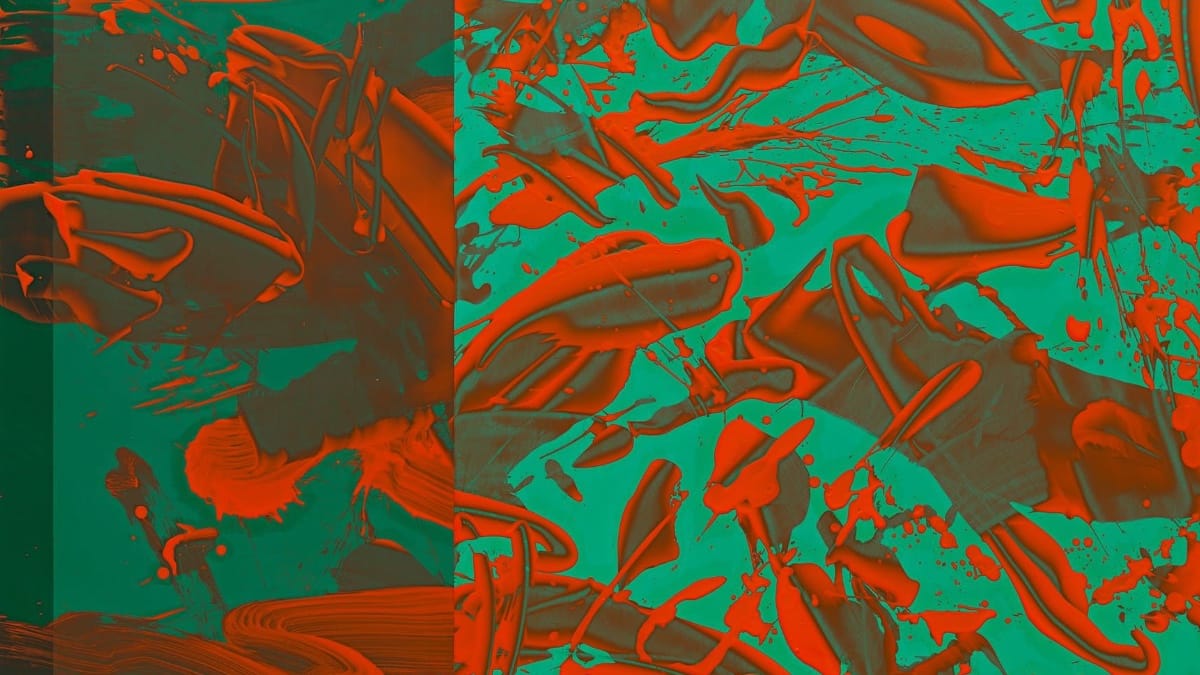
David Reed Went Where Lichtenstein Wouldn’t
He brought his optical preoccupations into the 21st century, without losing his love of artists from earlier eras. | John Yau
This Iranian Documentary Wasn’t Meant to Begin This Way
In Mani Haghighi’s new film, an artist’s extensive archive draws the ire of the authorities. | Greta Rainbow
Features
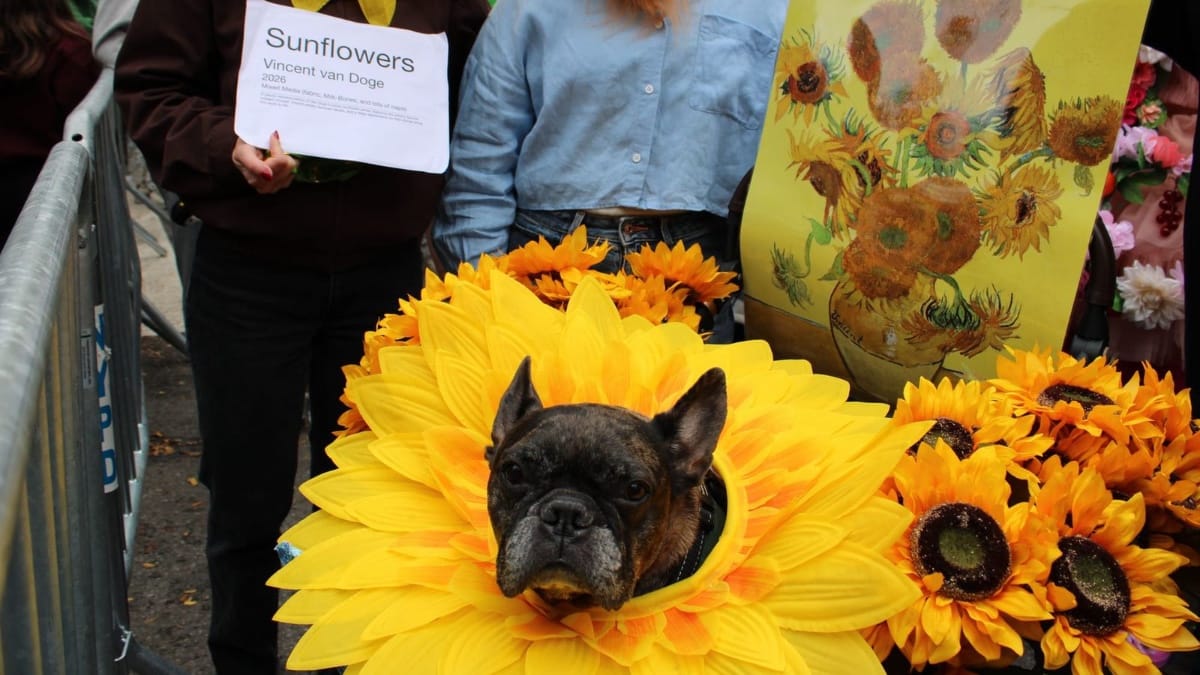
Let’s Give a Round of A-Paws to These Tompkins Dog Parade Participants
Santa Paws, Vincent van Doge, and the papal Pup Leo were among this year’s fierce competition. | Anna Lee
Gowanus Open Studios Turns 30
This year’s iteration of the artistic assembly was a love letter to the neighborhood and its craftsmanship amid an era of remediation, development, and gentrification. | Rhea Nayyar
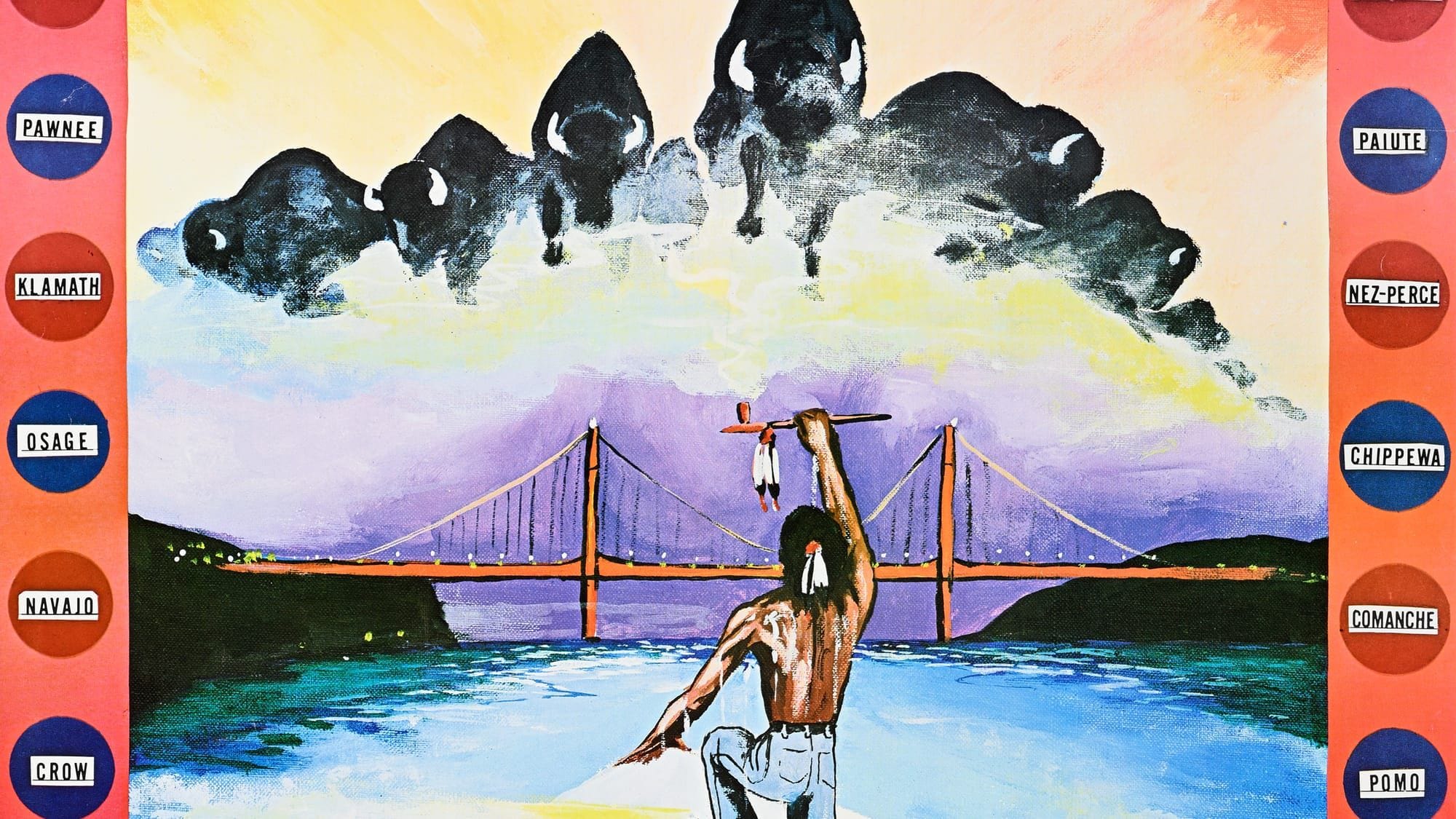
New Poster Exhibition Showcases the Importance and Impact of Indigenous Designers
“Designed to Be Red: Native American & Indigenous Poster Works” is now on view at Poster House in New York City through February 21, 2027.
Interviews
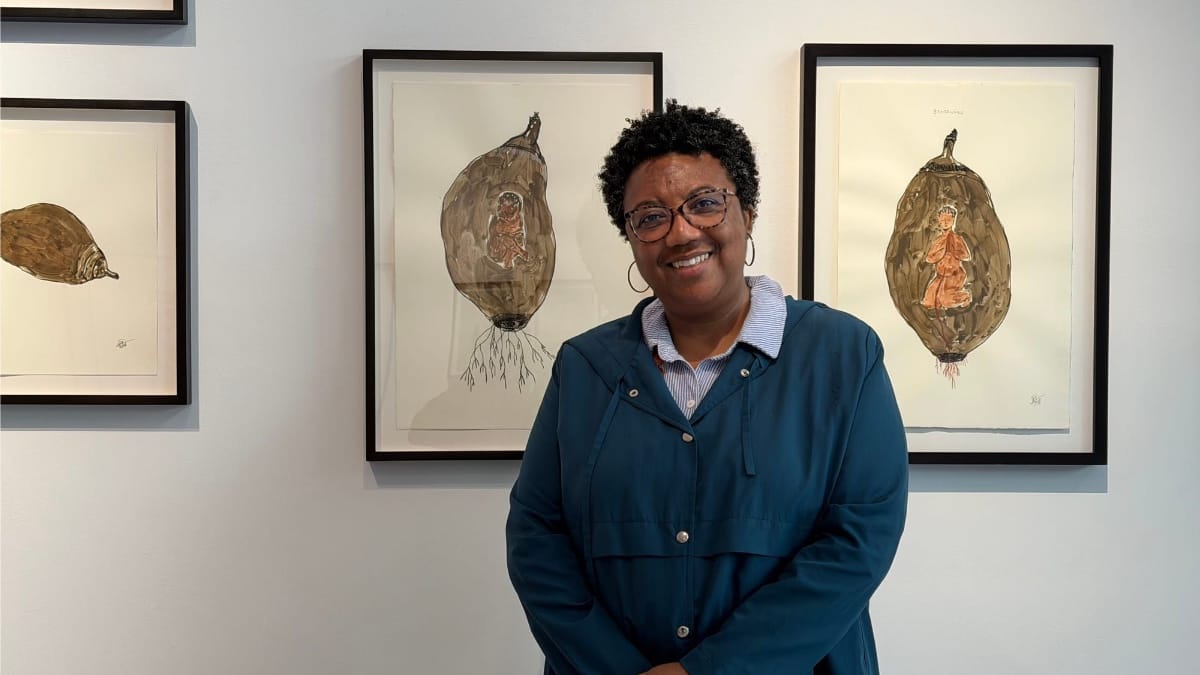
Rosana Paulino Reads the Archive Against Those Who Made It
“This history is dirty,” says the Brazilian artist, who sees the colonial past as an active force in her country’s present. | Daniela Mayer
Beer With a Painter: Melissa Brown
“I want to visualize the fact that, despite our perception, reality is changeable,” the Brooklyn-based artist said of her paintings. | Jennifer Samet
Hyper Links
- Mayor Mamdani is hypnotized by a painting by Taylor Simmons at the Studio Museum in Harlem. [Instagram]
- 60 Minutes finds itself in its darkest hour under Bari Weiss. [New Yorker]
- Why can’t we have nice things? Is even chocolate getting worse? [Grub Street]
- Journalist Kim Córdova on three ballot measures that can affect the arts in Massachusetts. [Boston Art Review]
From the Archive
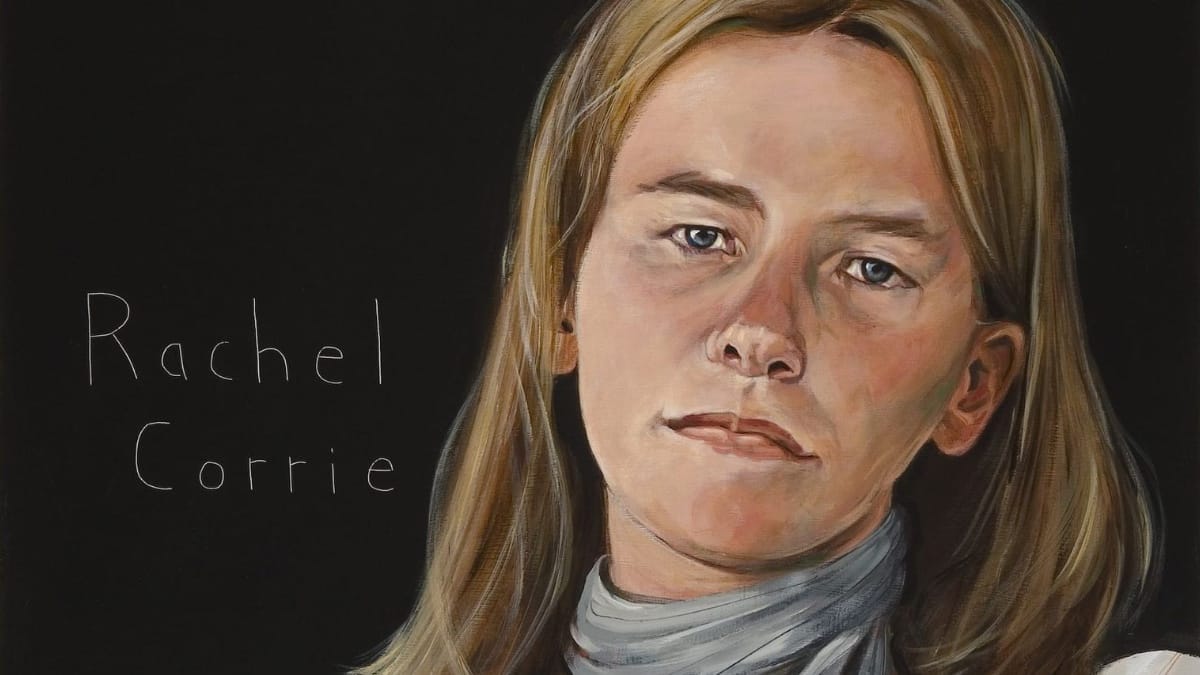
Robert Shetterly’s Portraits Honor Peace Activists
“It’s about people with the courage and perseverance to insist that politicians and media tell the truth,” the artist told Hyperallergic. | Maya Pontone