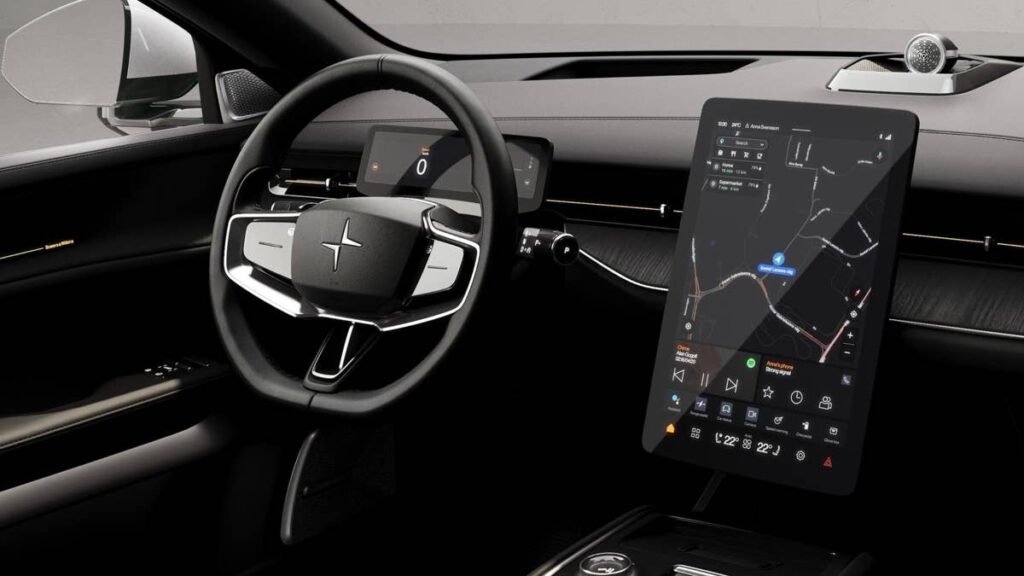
It’s happening slowly, but many automakers are making an effort to reintroduce tactile, physical controls in their cars after years of screens increasingly taking over the entire dashboard. While screens aren’t going anywhere, key functions are once again being made accessible via buttons. The latest automaker to announce it will be introducing more physical controls is Polestar, a relatively young brand that has always had a touchscreen-dominated user interface, much like Tesla. The automaker’s CEO says feedback from customers has led to the decision to incorporate more traditional controls.
Related: 5 Essential Car Features That Should Never Be On Touchscreens
Polestar Drivers Want More Buttons
Polestar
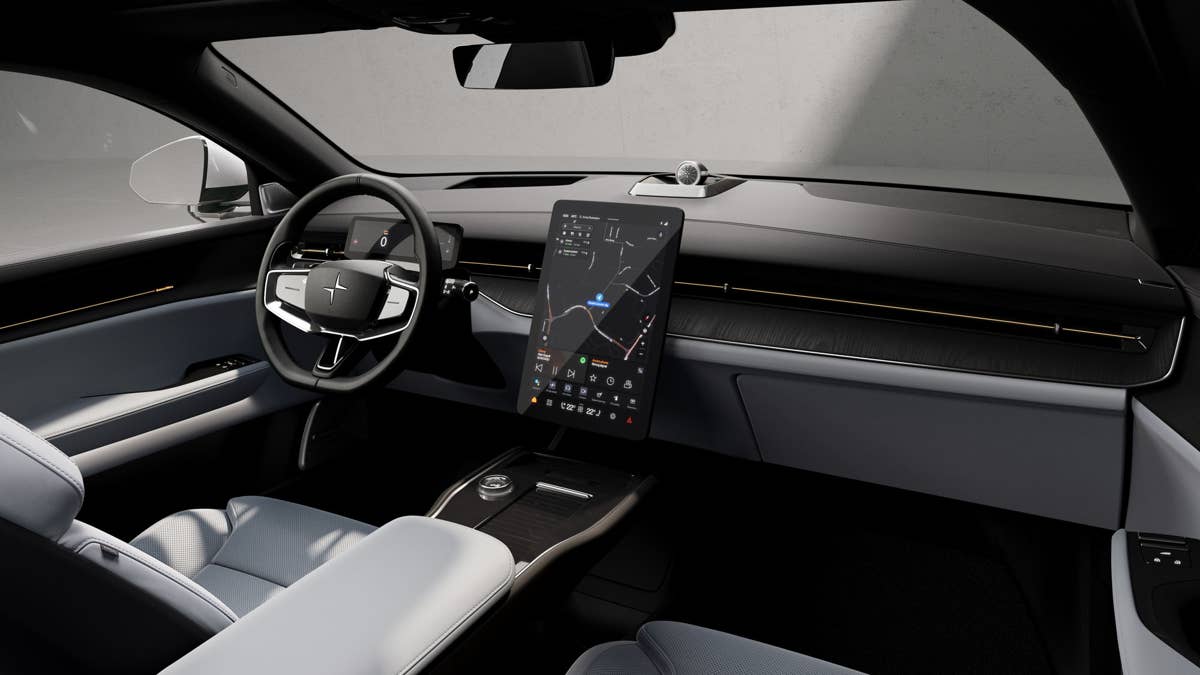
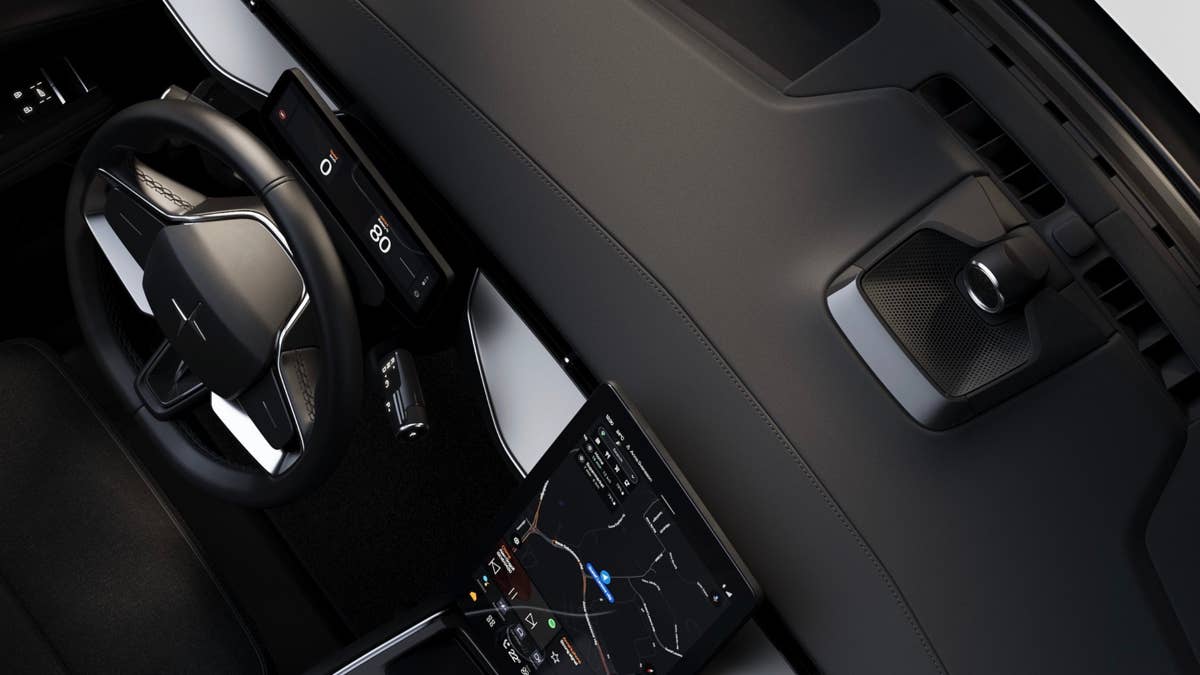
Ever since the Polestar 1 and 2 arrived, vehicles from the Swedish brand have had a scarcity of physical controls. In their place is a vertically-oriented touchscreen, the same layout used in parent company Volvo’s cars.
“We have very close contact [with] customers,” said Polestar CEO Michael Lohscheller when speaking to Autocar. “We have an agency [retail] model, so we go directly to customers, and we have a very big community who tell us their views, so we are very, very close to them.”
Lohscheller was asked if Polestar would follow brands like Volkswagen and Ferrari in bringing back physical controls to replace some touchscreen- and haptic-based functions in future models. “Absolutely. Customers are very outspoken about that. They say ‘we want more buttons’. It’s that simple. And yes, we will do buttons.”
Polestar
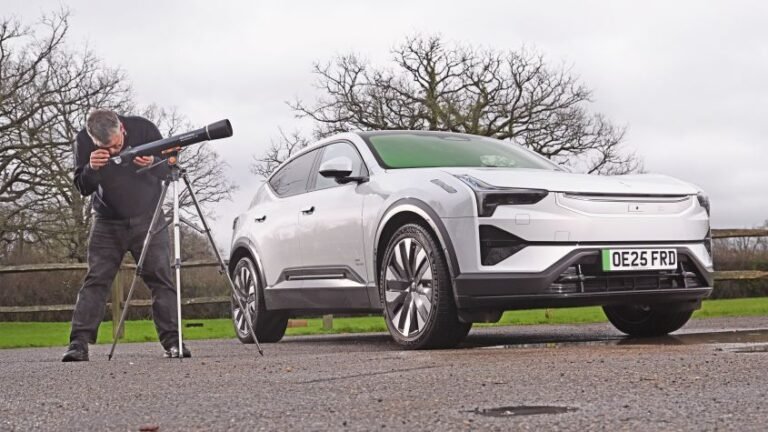
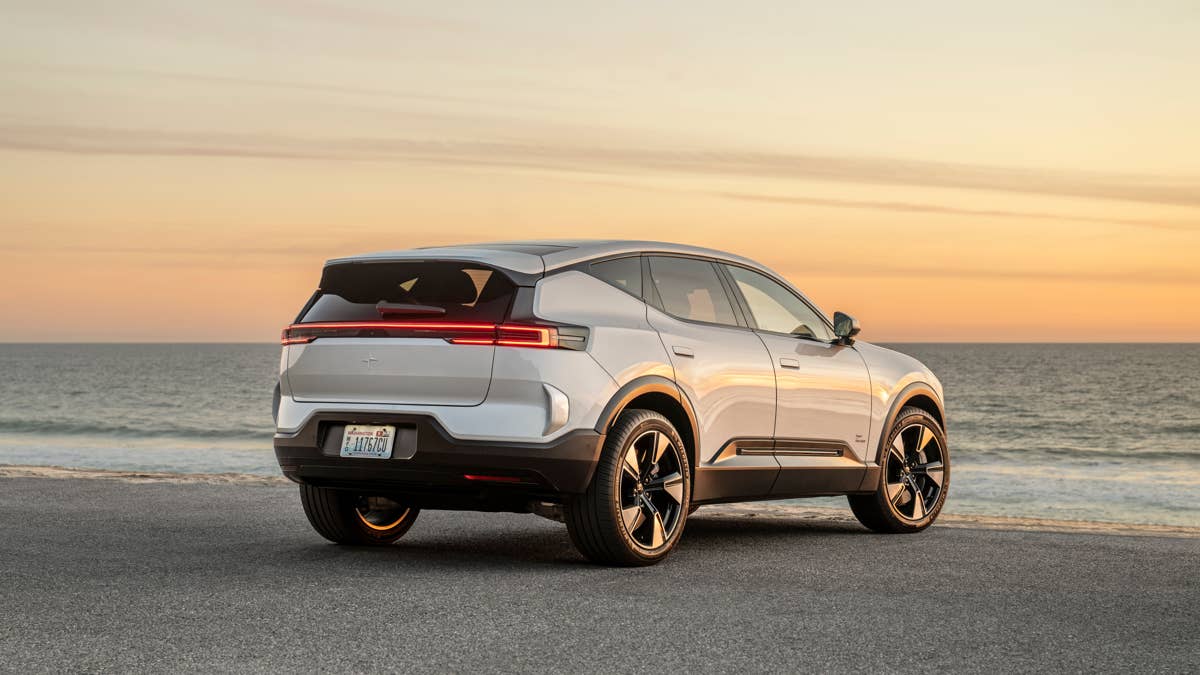
Next year, we’ll get a first look at this change in the Polestar 3 SUV, which is set to adopt more traditional steering wheel buttons. These will replace some or all of the touch-sensitive pads used currently. Mercedes-Benz and VW are other brands that have also brought back physical buttons on the steering wheels of their latest models.
“We’re very open-minded,” said the CEO. ‘We’re not religious here in terms of saying ‘this is how it has to be’. Customer feedback is overwhelmingly clear: they want buttons back. So we will bring buttons back.”
Related: Top 6 Vehicles with the Best Physical Controls
Other Polestar Improvements Coming, Too
Polestar
Other than improving usability with more physical controls, Polestar will be working on eliminating other customer frustrations, too. The brand’s Advanced Driver Assistance Systems (ADAS) are continuously being optimized, and it’s once again turning to real-world feedback to do that. Polestar’s aim is to perfect current systems before introducing even more advanced self-driving capabilities. The CEO believes all ADAS features “should work flawlessly.”
Customer feedback has also been important in addressing glitches in its cars, as was the case with the digital key’s proximity function in early examples of the Polestar 3. “In terms of Polestar 3, we really took those things very much on board, very seriously, and integrated it in the model-year 2026 car,” he said. “This will be a major, major improvement. We have many over-the-air updates to fix things as quickly as possible, because quality is the highest priority.”
What It Means
Polestar
Like Tesla, Polestar built its visual identity around minimalist design from the start. All its models have had clean, uncluttered interior designs that look fantastic at first glance, but haven’t always been the easiest to interact with. The fact that a brand like Polestar is now introducing more physical controls is a clear sign that there’s a fundamental change underway within the industry. Tactility and usability have largely been lost to an obsession with tech, but automakers are realizing these approaches can co-exist.
Given the link between Polestar and Volvo, we hope to see similar changes in Volvo models, too. The small EX30 is just one example of a Volvo that prioritized screens over ease of use. These Swedish brands don’t need to abandon their distinct designs, but a greater focus on the user experience is long overdue.