In Columbia University’s MFA show, artist Alejandro Valencia loudly names the elephant in the room: The Manhattan school’s institutional failure to come to terms with Israel’s genocide of Palestinians.
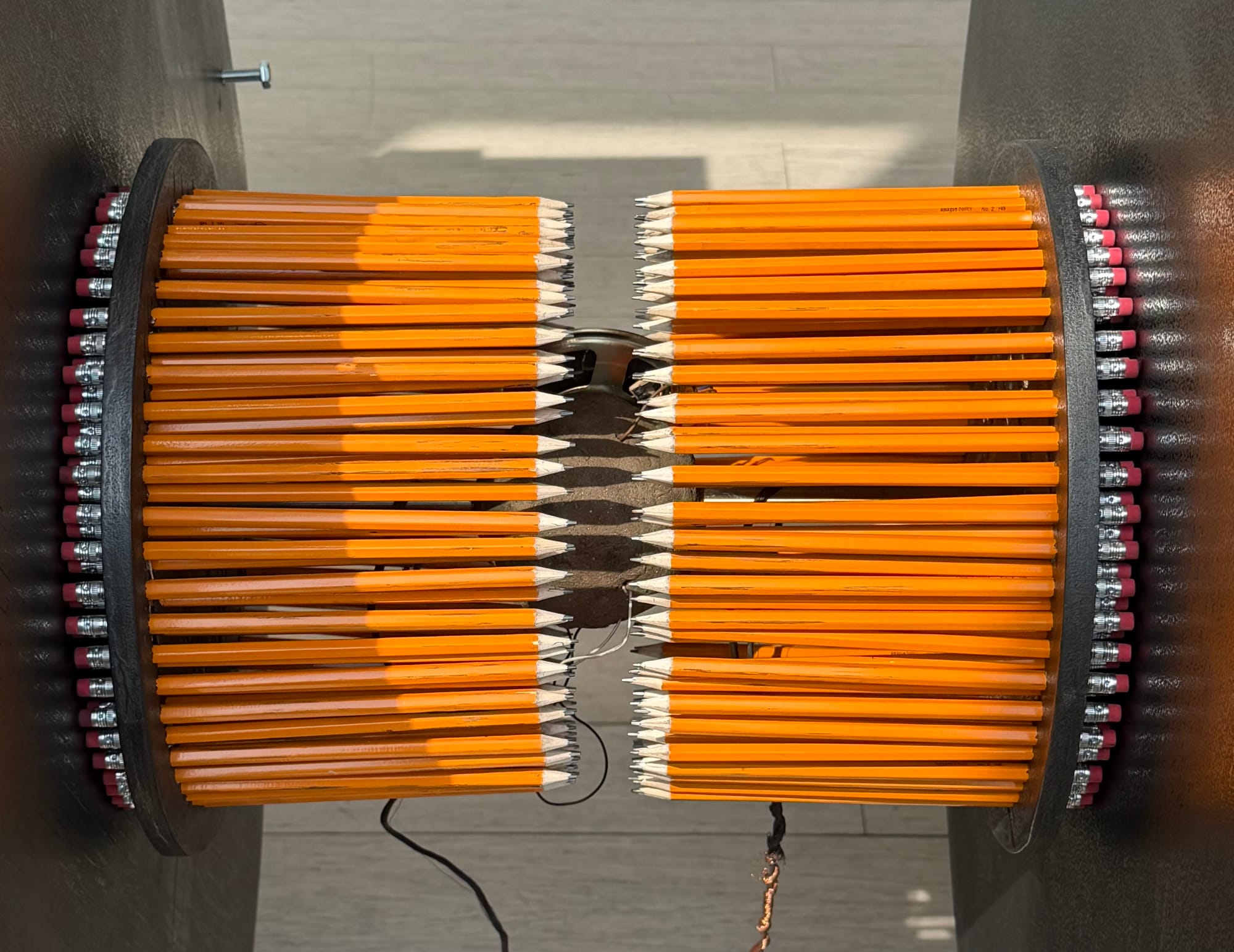
“DYNAMO (RATM01)” (2026) is included in the Visual Arts + Sound Art Class of 2026’s thesis exhibition, on view at the Miriam and Ira D. Wallach Art Gallery through this Sunday, May 24. The work resembles an engine room, alluding to the institution’s hidden machinery. Its three modules feature sundials, evoking the university campus’ iconic central landmark, but compressing and constricting what they precariously hold.
Columbia’s 2026 graduating MFA cohort had to weather a storm on the way to their degree. The class matriculated in the fall of 2024, following the April 30, 2024, forced clearings of the university’s student encampments protesting the genocide in Gaza. The aftermath was intense — more crackdowns, protests, arrests, and human rights violations from ICE that kept the campus environment hostile.
The cohort got off to a divisive start. According to Ridwana Rahman, another MFA student, she had printed out several posters that read “Free Palestine, Long Live the Intifada” during the 2025 spring semester. She and several of her classmates then chose to hang them on their studio doors. A few days later, an undergraduate student ripped them down. Another MFA student then replaced their poster, only to have it ripped down again.
The first section of Valencia’s piece on view features a keffiyeh that belonged to Rahman, who wore the headscarf during protests against the Gaza genocide on campus and who shared keffiyehs with students to wear in class photos, as well as at last year’s opening for the 2025 cohort show. She was part of the 2025 cohort, one year ahead of Valencia.
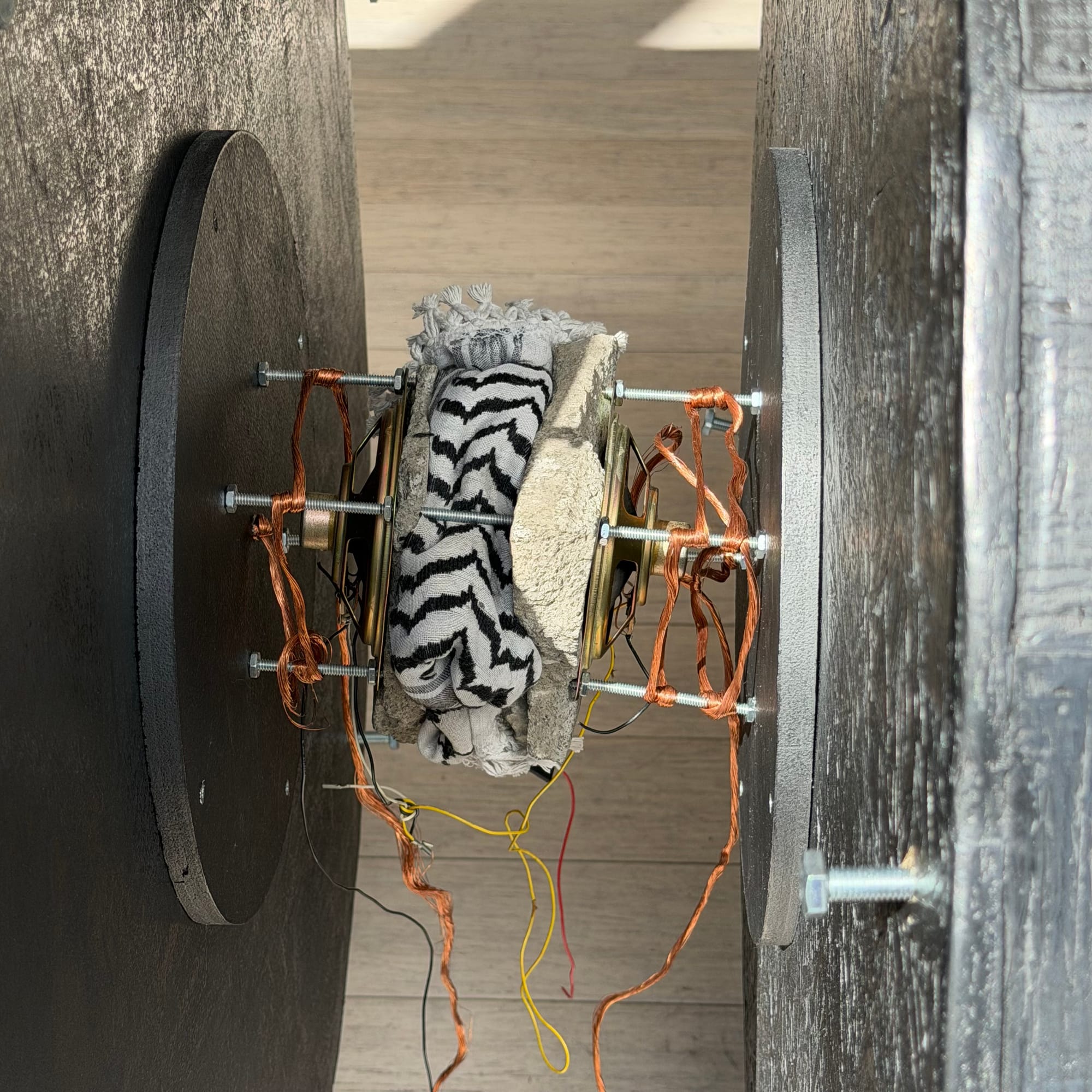
The first section of Valencia’s piece features a keffiyeh worn by a student to protests against the Gaza genocide on campus.
In the installation, Rahman’s keffiyeh is smashed by two sundials on opposing sides, converting the school’s Class of 1885 memorial and beloved campus meeting spot into a symbol of oppressive constriction. Rahman is currently under criminal investigation for allegedly participating in a protest inside the Butler Library on May 7, 2025. After her arrest, which Hyperallergic independently verified through public records, she was one of the more than 70 students disciplined by Columbia. Rahman was immediately banned from campus, evicted from her studio with little notice, and denied her MFA degree, despite having fulfilled the program’s requirements.
In response to Hyperallergic’s request for comment, a Columbia University spokesperson said, “In compliance with the Family Educational Rights and Privacy Act (FERPA), neither the School nor the University can disclose information related to student records outside of approved directory information.”
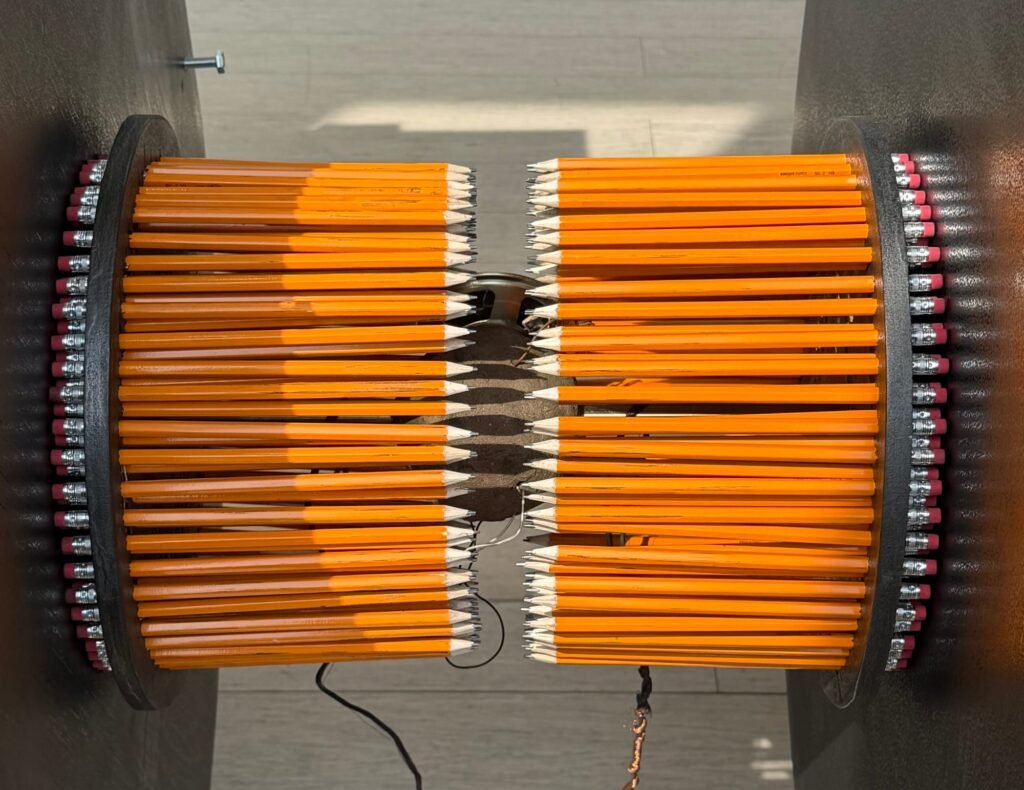
The installation’s second section, pencils oppose and threaten each other with their sharp tips. These two graphite phalanxes evoke the fierce divisions within the student body about how far to go in speaking out against the genocide.
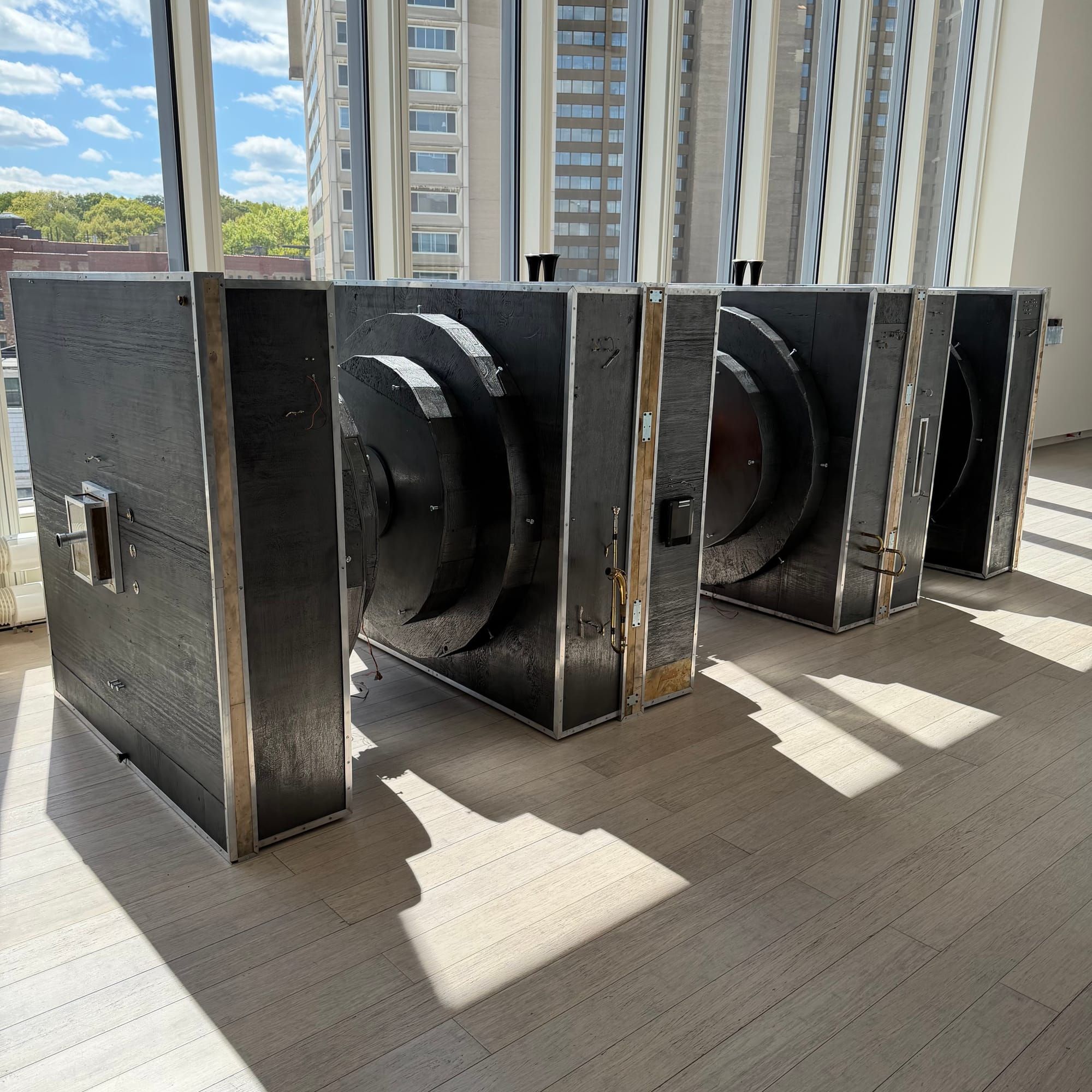
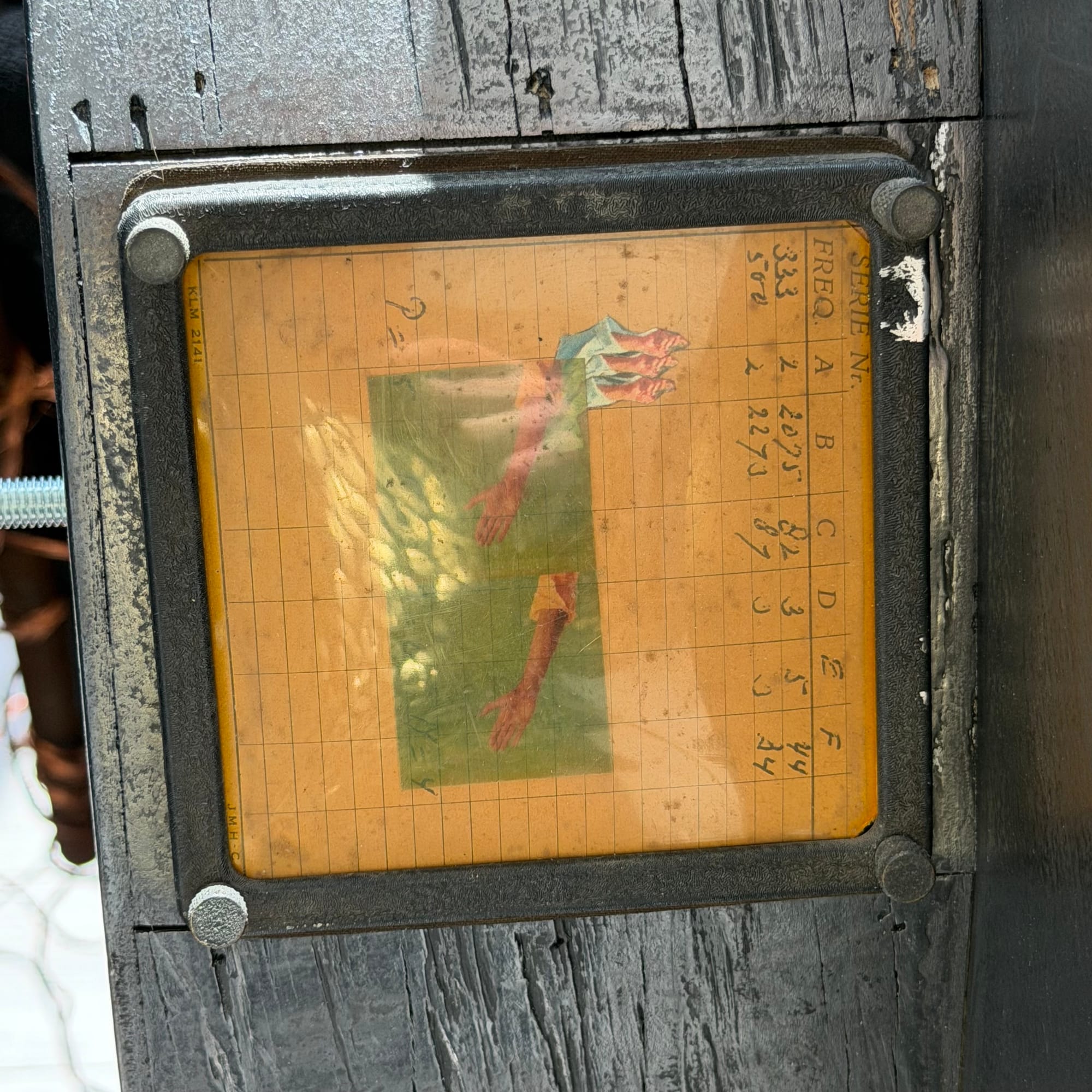
Details of Alejandro Valencia’s “DYNAMO (RATM01)” (2026)
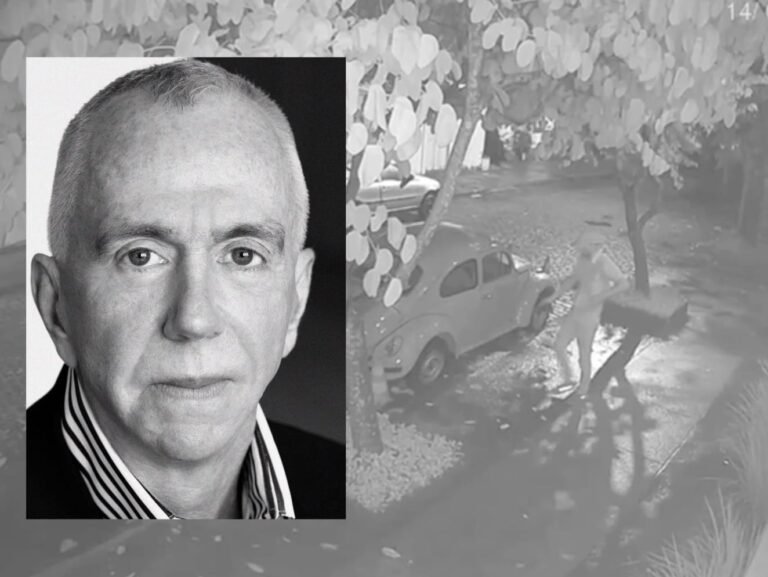
The third module features a broken microphone and an industrial punchcard overlaid with the late Edward Said’s hand. Said was a Palestinian scholar, Columbia professor, and one of the luminary founders of post-colonial studies. His mic has now been cut; Said’s voice no longer resonates in a university policy that muffles voices that defend the fundamental right of the Palestinian people to simply exist.
A speaker within Valencia’s installation collages the sounds of bombs dropping, the rumble of subway trains from gentrified Harlem, and protest audio, rendering it all in a distorted hum. This soundtrack evokes how Columbia’s Kafkaesque bureaucracy flattens and distorts events.
“I was meditating on the larger forces constantly at work — the forces that resist, and the forces that oppress — and how that dialogue transforms our notions of history,” Valencia told Hyperallergic in an interview at the gallery.
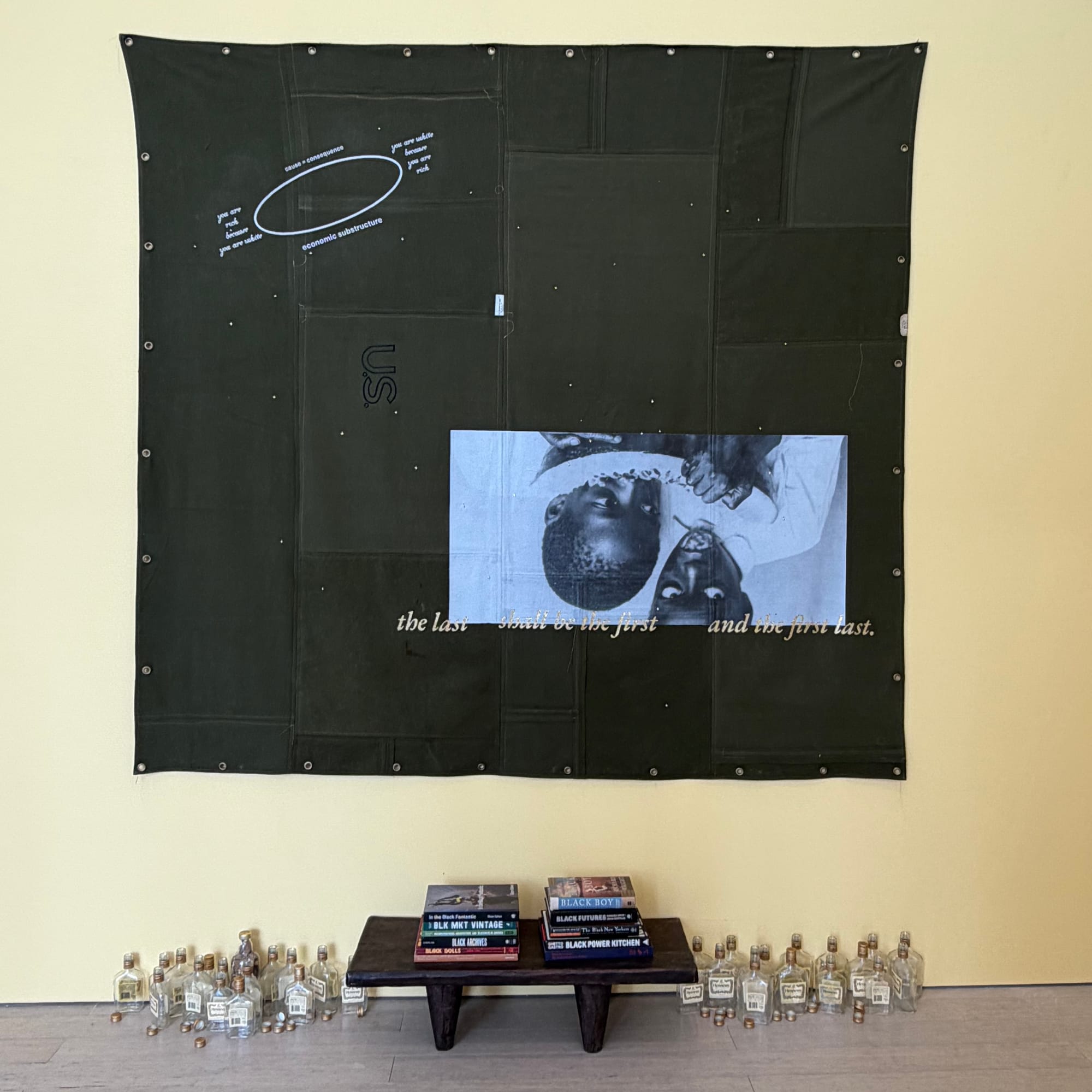
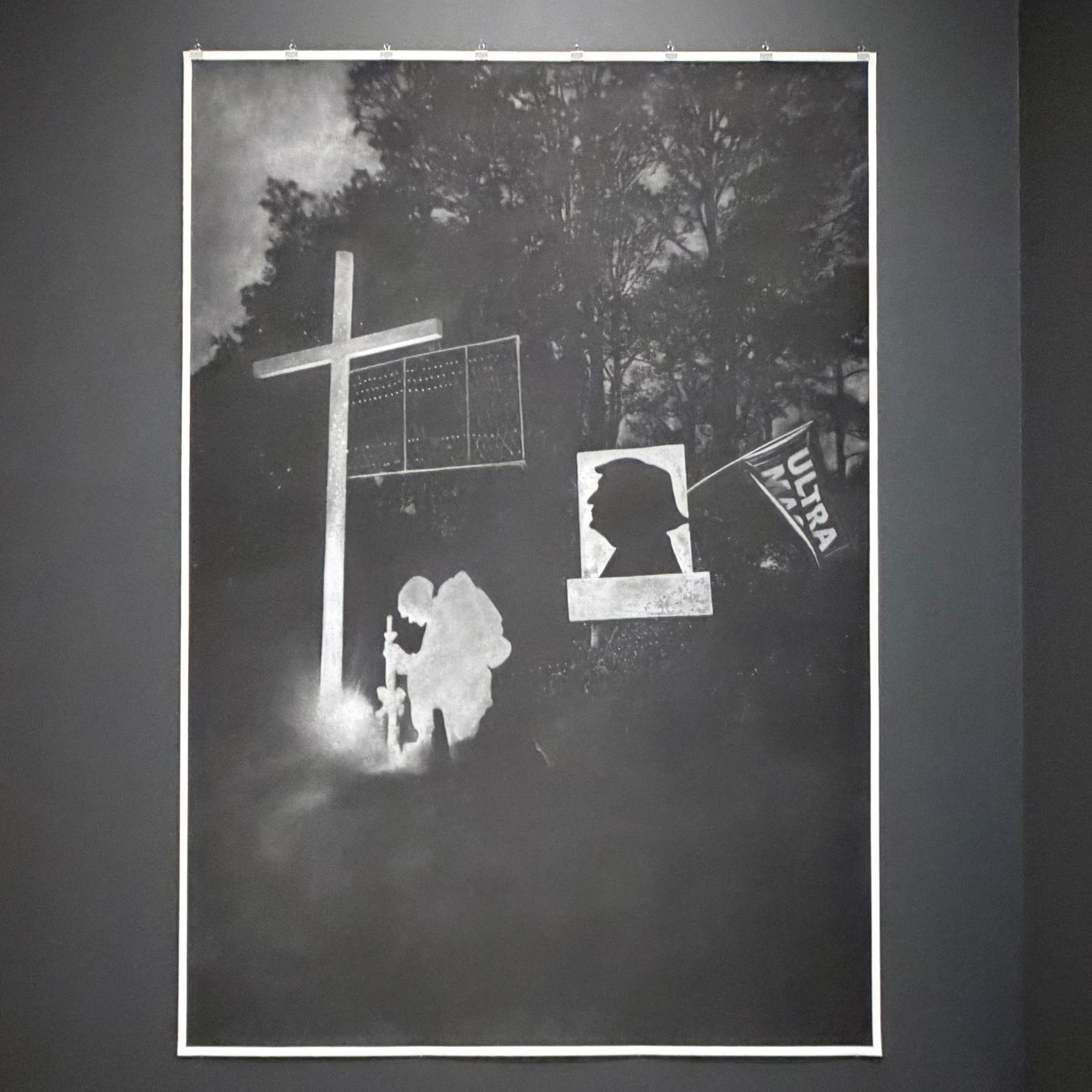
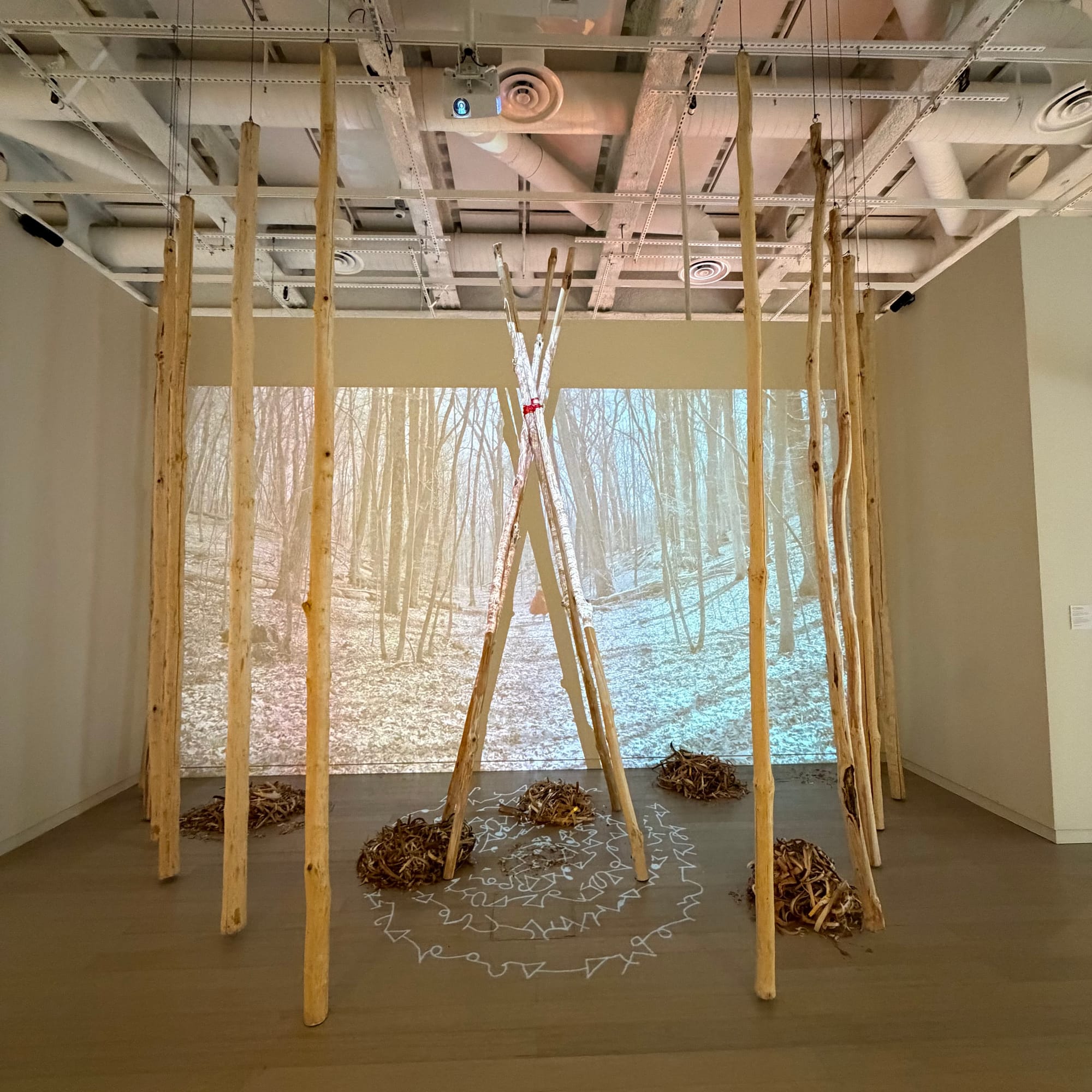
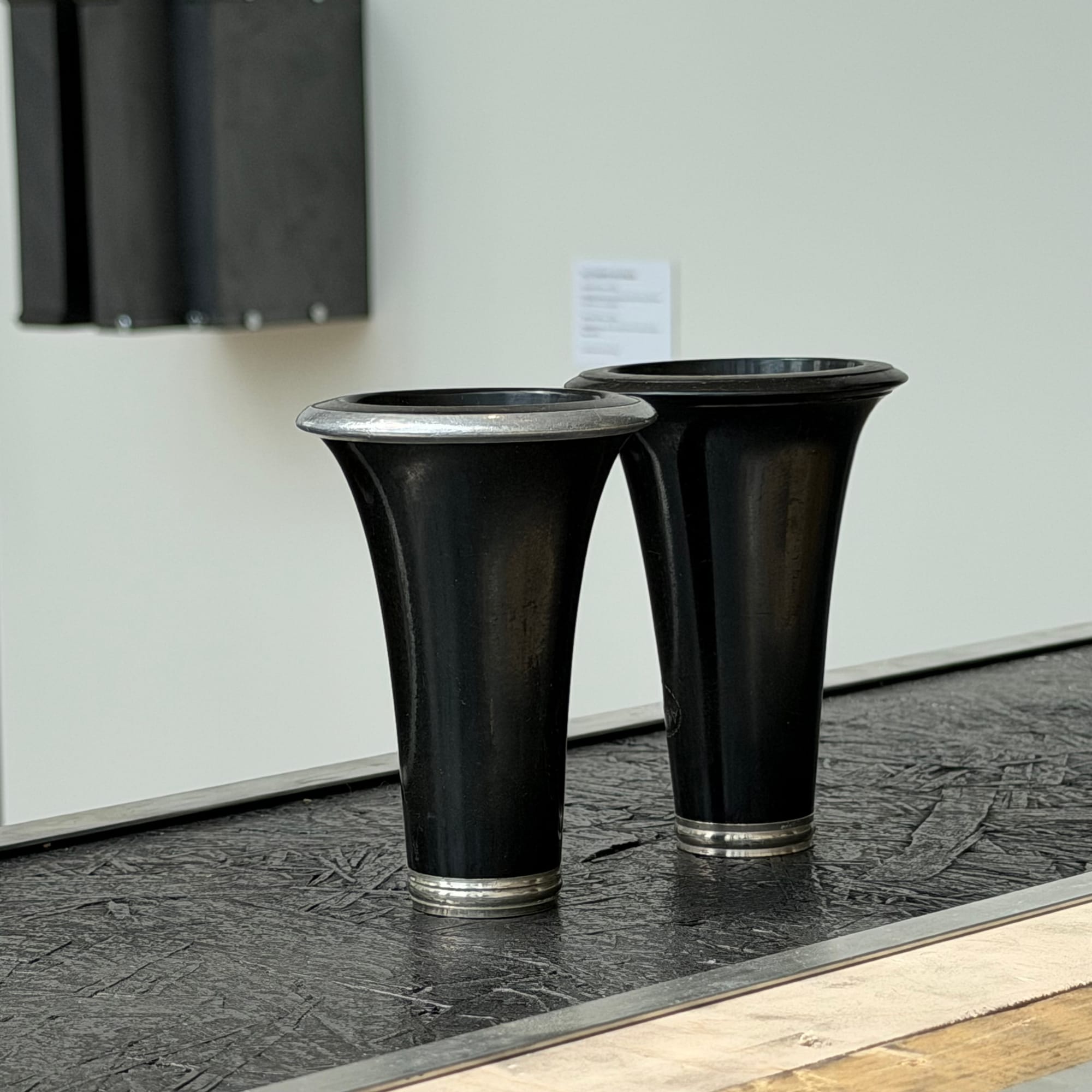
Left to right: Works by Christine Miller, Arel Lisette, and darylina powderface
Other artists in the show also address Gaza, albeit less explicitly. Many engaged with wider questions of race, gender, sexuality, and wealth on a personal level, spotlighting their search for some defiant joy in this bleak cultural moment. Everyone is entitled to tell their story. Some of the works’ self-referentiality felt overly passive, like standing by and watching while your house is on fire. These muted responses, perhaps, demonstrate how fascism quietly chills dissent.
Recent reporting in the Columbia Spectator reveals a wider campus culture in which speech regarding the genocide in Gaza is routinely silenced. Was it so inevitable that Columbia would cave to pressure from the Trump regime, suggesting that international students self-censor? ICE agents entered the university housing of Mahmoud Kahlil and Ellie Aghaveyva without a warrant and detained them, all while the university worked towards a reinstatement of $400 million in Federal Funds. With a $15.9 billion endowment, Columbia could have afforded to fight Trump as Harvard University did, but it chose not to. Apparently, when push comes to shove, it’s still the King’s College.
Columbia’s MFA students weren’t told that certain subjects were off limits. What they faced was worse. International students risked their freedom if their art addressed the genocide too directly. Were American citizens any safer? Many students resorted to self-censorship — whether consciously or unconsciously — to remain safe under the Trump regime’s menacing watch, which makes Valencia’s work all the more courageous.