With thousands of people sick from a mysterious foodborne illness, your go-to fast food order might look a little different for now.
The intestinal infection known as cyclosporiasis spreads when people consume food that has been contaminated with fecal matter, like leafy greens and fresh produce. Right now, it’s ripping through a number of U.S. states as health officials race to find the cause.
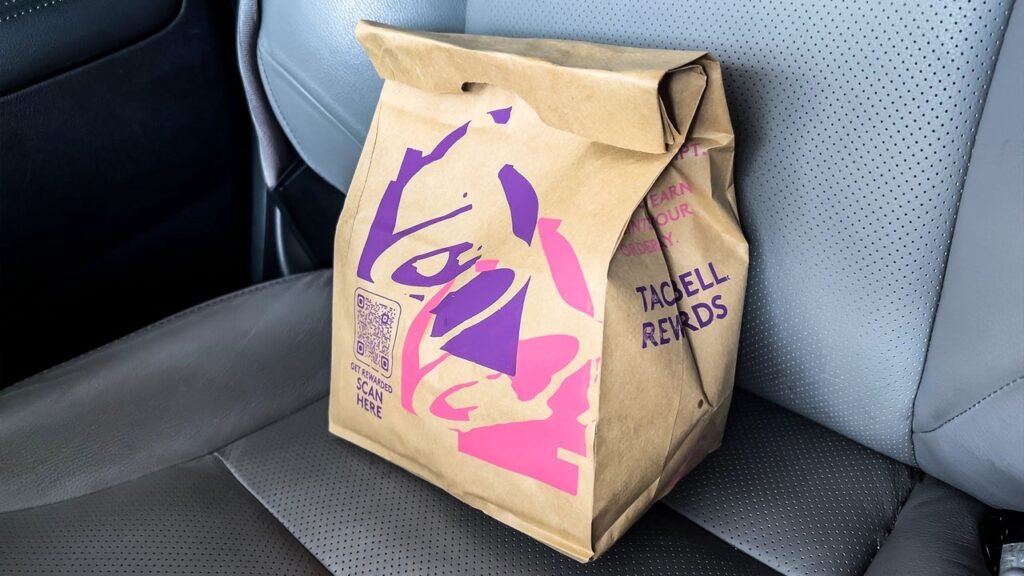
Federal and state health agencies are now investigating the role that Taco Bell may have played in the outbreak, The Washington Post reported on Tuesday. The popular fast food chain recently pulled menu items in some Detroit-area locations, including lettuce, cilantro, pico de gallo, and guacamole, according to Michigan’s WWJ news radio station. Signs at some Taco Bell locations apologized for the inconvenience, noting that menu items that normally contain ingredients like lettuce would not include them for the time being.
“The health and safety of our guests is our top priority,” Taco Bell Corp. said in a statement emailed to Fast Company. “Public health officials have not confirmed a link to Taco Bell or any specific ingredient, supplier, restaurant or retailer. While authorities continue their broader review, Taco Bell has voluntarily and temporarily removed limited ingredients at select restaurants as a precautionary measure. We will continue to closely monitor the situation and follow the guidance of public health authorities.”
Cyclosporiasis isn’t pleasant to say the least, and can cause “frequent and sometimes explosive” bowel movements, according to the CDC. Beyond diarrhea, symptoms can include fatigue, cramping, bloating, and loss of appetite and if left untreated the illness can linger for weeks or even months.
So far, the CDC has identified 1,645 confirmed domestic cyclosporiasis cases and more than 5,100 cases that haven’t yet been confirmed as originating in the U.S. Out of the 1,645 cases, 141 people have been hospitalized and no deaths have been reported. Last year, the U.S. had only recorded 249 cyclosporiasis cases total by July.
Cases are multiplying
The CDC describes the current batch of cyclosporiasis cases as a “large multistate outbreak” with cases concentrated in Michigan, Ohio, West Virginia, and Kentucky. The agency says it has yet to identify a specific food that’s caused the rash of cases, but the illnesses in those states appear linked and were all reported on or after June 22. Symptoms of cyclosporiasis often begin around a week after exposure, but can start as quickly as two days afterward or take up to two weeks to emerge.
In Michigan, health authorities reported 2,640 cases of cyclosporiasis in the state on Monday. The Michigan Department of Health and Human Services noted that the investigation there is ongoing but its current findings “point to lettuce or salad greens as a potential source” of the illness. The agency noted that “complex food distribution networks” can make pinpointing the origin of an outbreak like this a slow process.
“Although we do not have a definite product identified as the source of the outbreak, we want to let Michiganders know what we have learned so far so they can take steps to protect their families,” said Dr. Natasha Bagdasarian, Michigan’s chief medical executive. “Early information has shown lettuce as a common product that regularly comes up during the investigation.”
Reduce your risk of infection
While the investigation into the cause is ongoing at the federal and state level, health experts agree on some food safety precautions that can reduce the risk of infection. Because past cyclospora outbreaks have been linked to pre-packaged salads, avoiding bagged lettuces and pre-prepared salads is a good idea for now. Fresh cilantro, basil, raspberries, snow peas, and green onions have also been associated with previous cyclospora outbreaks.
If you can’t live without leafy greens, purchase whole heads lettuce, toss the outer few layers and wash the inside leaves thoroughly under running water. These measures offer a layer of protection against cyclosporiasis but they still aren’t a guarantee that you or family members won’t get sick. It’s no coincidence that bacteria and parasites like to hitch a ride on salad greens, which are rarely cooked and usually served fresh. If you’ve got greens that can be cooked, washing is still a good idea, but taking them to a temperature above 158F should zap cyclospora outright. As always, washing your hands before preparing food is a good idea.
Washing all fresh produce can reduce risk, as can peeling any veggies that have removable skin since anything that can make you sick would be lurking on the surface. And remember, just because a bag of salad mix says it’s pre-washed, that doesn’t make it safe. “While washing alone may not fully eliminate cyclospora, it enhances protection when combined with cooking or peeling,” according to Michigan’s health authority.