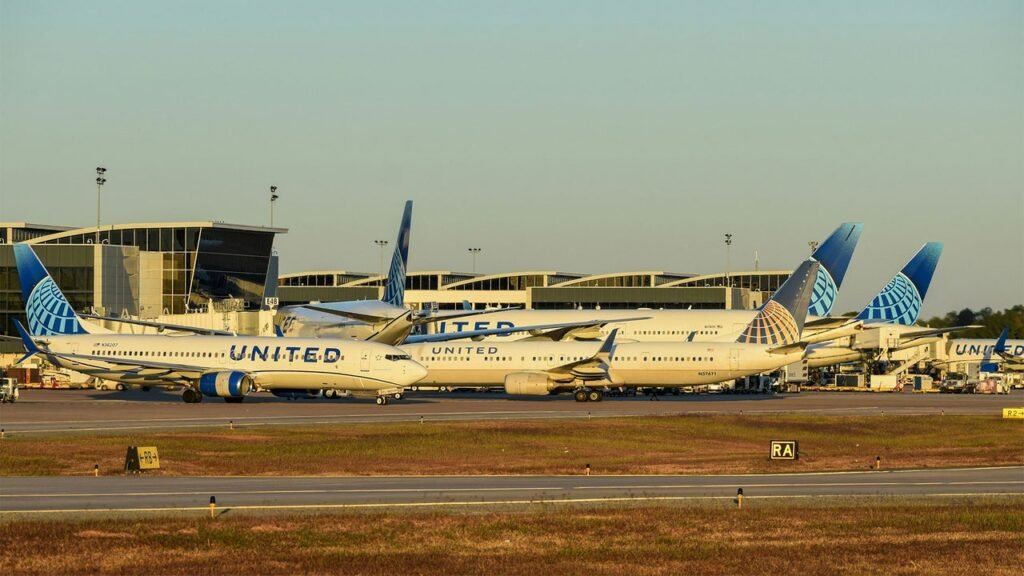
A federal judge in California this week tossed out a request by United Airlines to dismiss a class action lawsuit filed against the airline last year regarding its pricing of “windowless” window seats.
It might seem silly, sure, but this lawsuit has put up for debate what customers can reasonably expect when paying extra to book a window seat. The Chicago-based airline had tried to argue that a window seat offered no promise of a window that offered an exterior view in a motion it filed late last year. “The use of the word ‘window’ in reference to a particular seat cannot reasonably be interpreted as a promise that the seat will have an exterior window view,” that motion stated, in part.
In his dismissal of the airline’s defense claim, James Donato, a U.S. district judge in San Francisco, noted that United’s ticketing terms, boarding passes, and reservations screens expressly state that the airline would provide window seats to passengers who paid for them, according to reporting by Reuters. “No more is needed at this stage for the breach claims to go forward,” the judge said, according to the outlet.
WHAT THE CASE ALLEGES
The case against United was originally filed in August 2025 by passengers who paid extra fees to book window seats, only to board and find seats located next to windowless walls. A Los Angeles-based plaintiff named in the suit books window seats because she experiences claustrophobia on flights, while the other named plaintiff from San Francisco prefers a window seat so he can watch the view during flights.
A similar class-action lawsuit was filed last year in a Brooklyn court against Delta Air Lines by Greenbaum Olbrantz, the same law firm representing the United plaintiffs. In that case, plaintiffs likewise alleged that Delta charged a premium for window seats, without disclosing that the seats were actually next to a windowless wall.
“These cases seek to hold Delta and United to their contractual promises, and to obtain compensation for affected passengers,” the firm indicates on its website, where affected passengers can fill out a form to be included in both cases. The amount at stake in the United case exceeds $5 million, exclusive of interests and costs, according to the 2025 filing.
UNITED’S NEW BOOKING POLICY
These seats exist because of an engineering quirk: On certain Boeing and Airbus aircraft, at least one window seat doesn’t have one because of the placement of air conditioning ducts, electrical conduits, or other interior components.
While United and Delta failed to disclose the lack of a window view on certain aircraft, as the suits allege, competitors American Airlines and Alaska Airlines specifically alerted customers of windowless seats during the booking process.
A United spokesperson told Fast Company that the carrier had nothing to share regarding the lawsuit itself, but indicated that it updated its seat selection process last year. “As part of our regular review of united.com and the United app to enhance the customer experience, in 2025 we added more detail to our seat selection process, so customers can have more information about what to expect when they choose a seat.”
INVESTORS BRUSH OFF FLYER CONCERNS
Customers have become more vigilant about monitoring the extra fees airlines are prone to charging on baggage and just about everything else these days—and that’s led to some other class-action lawsuits.
In 2023, Frontier Airlines was hit with a $100 million class-action lawsuit over alleged “bait-and-switch” baggage fees, while a recent viral blunder by JetBlue Airlines that suggested it engages in surveillance pricing could see it face a class-action lawsuit.
Even as customers have become frustrated with the nickel-and-diming by airlines, investors have been relatively unfazed about the class-action lawsuits and the challenges airlines have faced this year amid surging jet fuel prices.
Shares of United (NYSE: UAL) have surged more than 54% in the past year, while Delta (NYSE: DAL) shares are up nearly 72% in that same time.