Namas Bhojani/Bloomberg via Getty Images
- Government and corporate immigration policy changes have raised concerns among tech visa holders.
- Some worry that fewer employers will sponsor foreign workers, making future job searches harder.
- Workers described how immigration uncertainty is affecting their careers and long-term plans.
When Ashok Kumar lost his job in 2019, the H-1B visa holder had 60 days to find a new employer willing to sponsor him. He pulled it off, but he’s worried his next job search could be even harder.
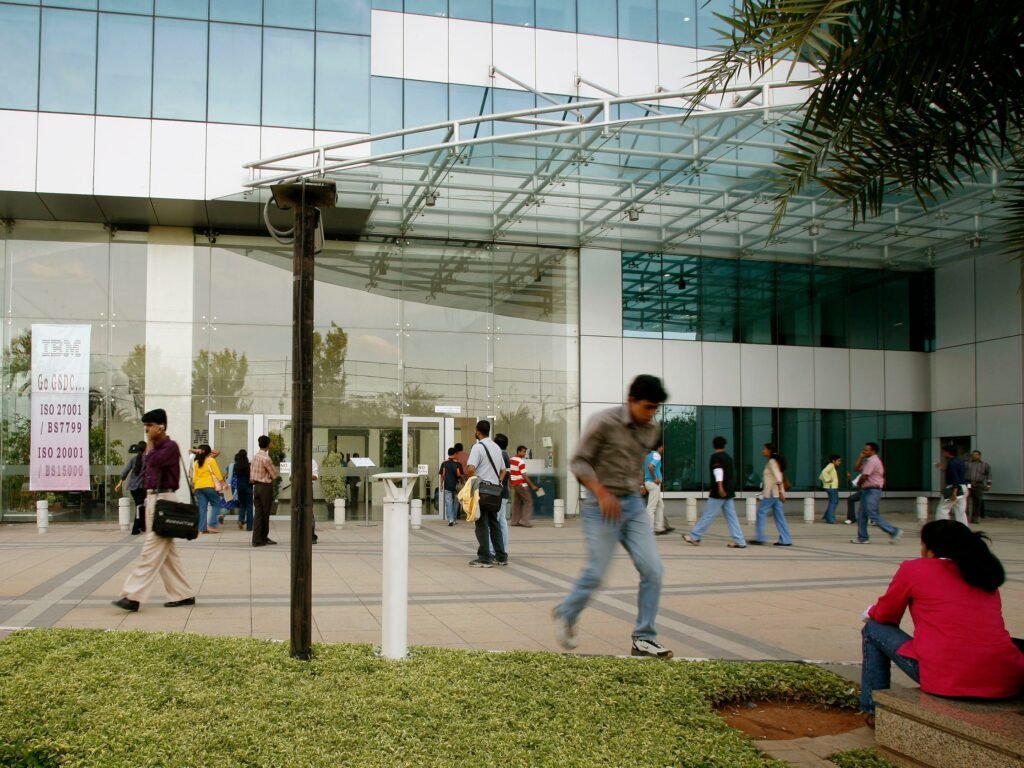
This week, Business Insider reported that IBM is ending visa and green card sponsorship for most roles in its consulting division. The company cited evolving skill availability and client needs as reasons for the move.
Kumar, a tech lead at a large corporation, said he’s concerned that more companies could follow IBM’s lead.
He’s among several tech visa holders who told Business Insider that immigration policy uncertainty and concerns about job security are influencing their career decisions and long-term plans. Some worry about their ability to stay in the US or find new jobs, while others remain focused on the opportunities available to them.
IBM’s decision comes amid other developments affecting foreign tech workers. In October, the Trump administration suspended Microsoft, Adobe, and six major IT services companies from the Permanent Labor Certification program, a key step in the employment-based green card process. The move prevents the companies from submitting new applications or moving forward with pending ones.
The administration said the move was aimed at stopping companies from misusing the program to favor foreign workers over American workers. The administration has also sought to impose a $100,000 fee on new H-1B visas, though federal courts have blocked the measure.
Kumar’s employer wasn’t among the companies suspended from the PERM program, but the news added to his concerns about the future of immigration sponsorship. He said friends he discussed it with shared similar concerns.
“Everyone was worried about their future,” he said
‘You can do everything right’
One Microsoft employee is preparing for her final attempt at the H-1B visa lottery, but she’s already worried about what comes next.
The worker said she initially ignored Instagram reels that friends sent her about the October PERM suspension. When she finally watched one, she was shocked to learn that Microsoft was among the companies affected.
Even if she’s selected in the lottery, she worries that the PERM suspension could create another obstacle to securing a green card and staying in the US long-term.
“You can do everything right, build a career at a company like Microsoft, and still not feel secure about your future here,” she said. Microsoft has disputed the administration’s allegations that it misused the visa system.
For some foreign tech workers, the uncertainty extends beyond their careers. One tech worker on an F-1 STEM OPT visa said he’s delayed buying a car because he doesn’t know how long he’ll be able to remain in the US. He also raised the possibility of moving to another country, such as Canada or the UK.
“My friends are indeed panicking and getting restless,” he said.
Different reactions to immigration uncertainty
Not every foreign tech worker is equally concerned about their immigration future. Some pointed to the fact that the PERM suspension currently affects only a handful of companies. One Big Tech visa holder said he’s not too concerned because he doesn’t have long-term immigration plans in the US.
Others have tried to tune out immigration news altogether.
“It’s exhausting to follow everything so I’m staying away from all of it,” one tech visa holder said.
For Aman Goyal, a product manager on an H-1B visa, the uncertainty hasn’t outweighed the opportunities he sees in the US.
Goyal, who came to the US in 2023, considered looking for work abroad after being laid off last year but ultimately landed a new role based in the Seattle area. He said visa challenges remain a concern as he considers his long-term future in the country, but he wants to make the most of his time in the US.
“I’m definitely interested in continuing to be here, meeting and building my network as much as possible, as well as learning about the next phases of AI as much as possible,” he said.
Do you have a story to share? Reach out to the reporter via email at jzinkula@businessinsider.com, or via Signal at jzinkula.29.