Not the Warmest of Receptions
It wasn’t that long ago when Volkswagen‘s current CEO, Thomas Schäfer, called the ID.3 and ID.4 “not true Volkswagens.” While it’s something shocking to hear from a CEO, he was blunt and honest about those two models. Neither had the familiar feel of the company’s products, and this was compounded by user experience issues and lukewarm reviews.
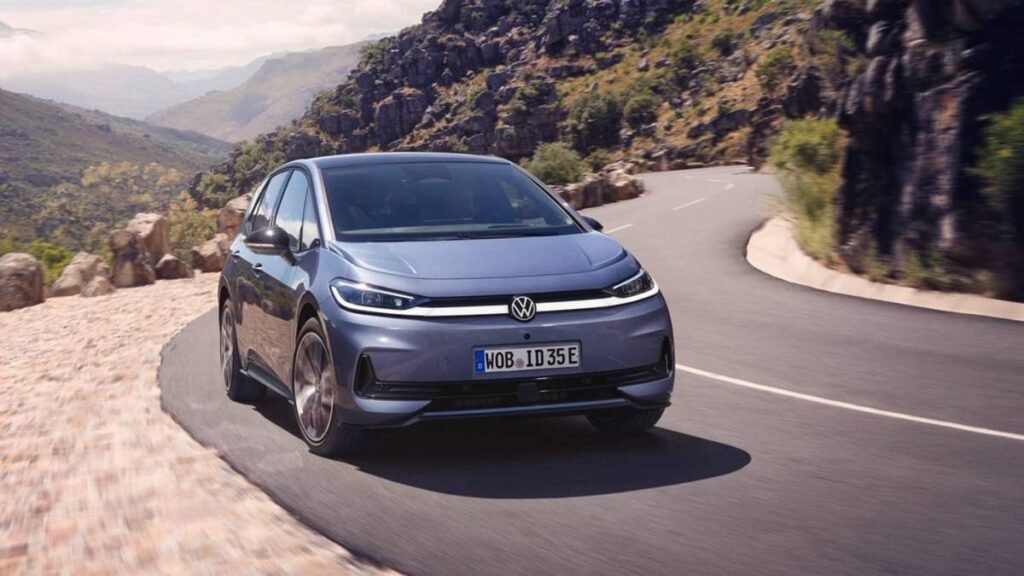
The ID.4 is ending U.S production soon, and that name will likely be dropped as well. However, VW gave the ID.3 a chance to survive instead of axing it outright. About a month ago, the company revealed a few sketches of its heavily updated version. From our understanding, so much had changed that it needed a new name, in this case, ID.3 Neo.
Volkswagen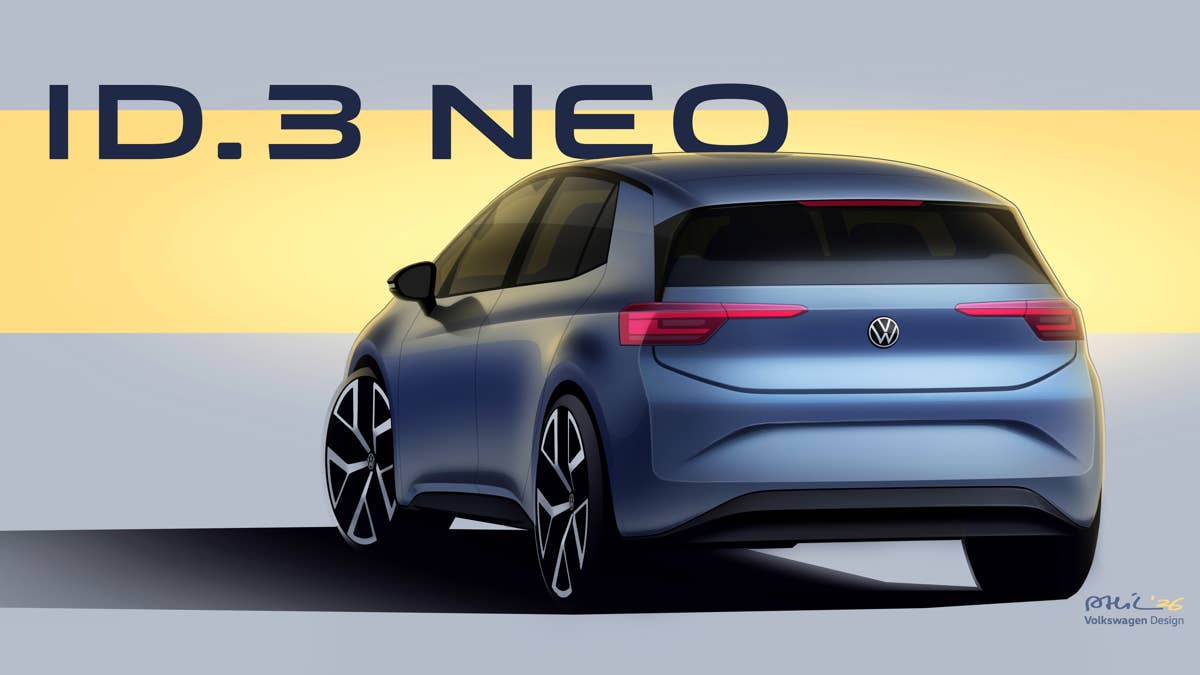
More Than a Reboot
To make things clear, this is not a second-generation ID.3. It’s more of a heavy facelift and update than an all-new model. While the looks are still somewhat unchanged, there’s an overhauled interior, more tech, and more importantly, more range from its batteries.
Think of this then as a course correction for the compact EV. After it was heavily criticized by the press and lagged behind the competition, the company hopes that this will be the car’s redemption arc.
Volkswagen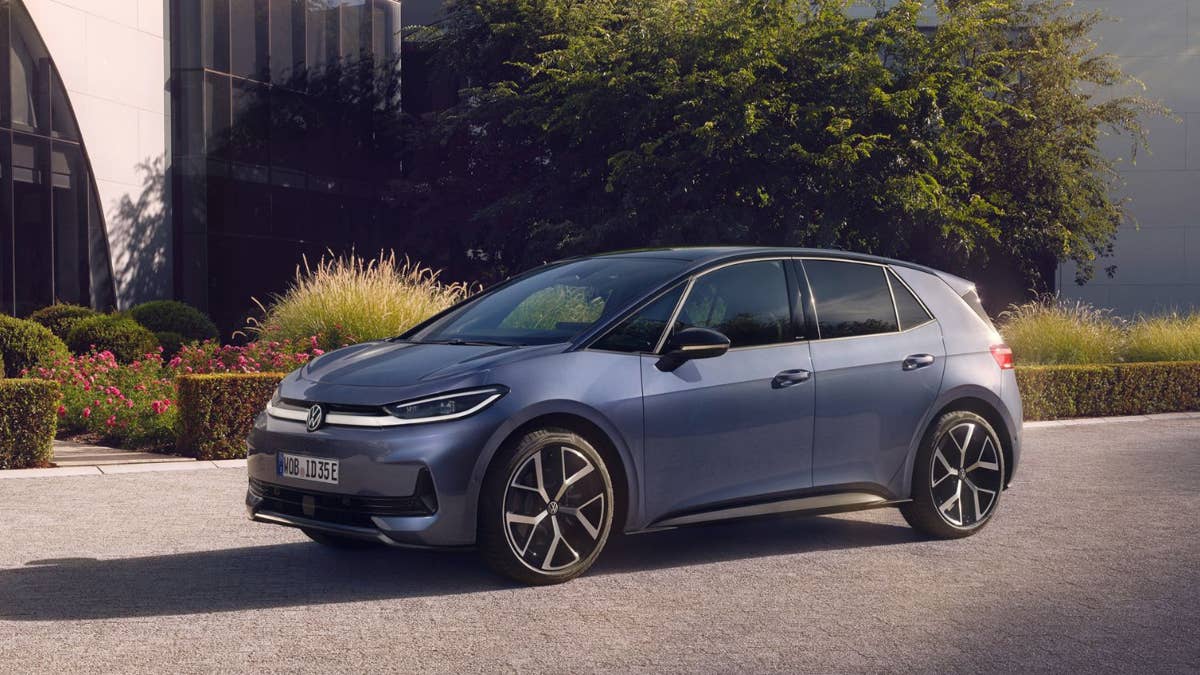
What’s Changed?
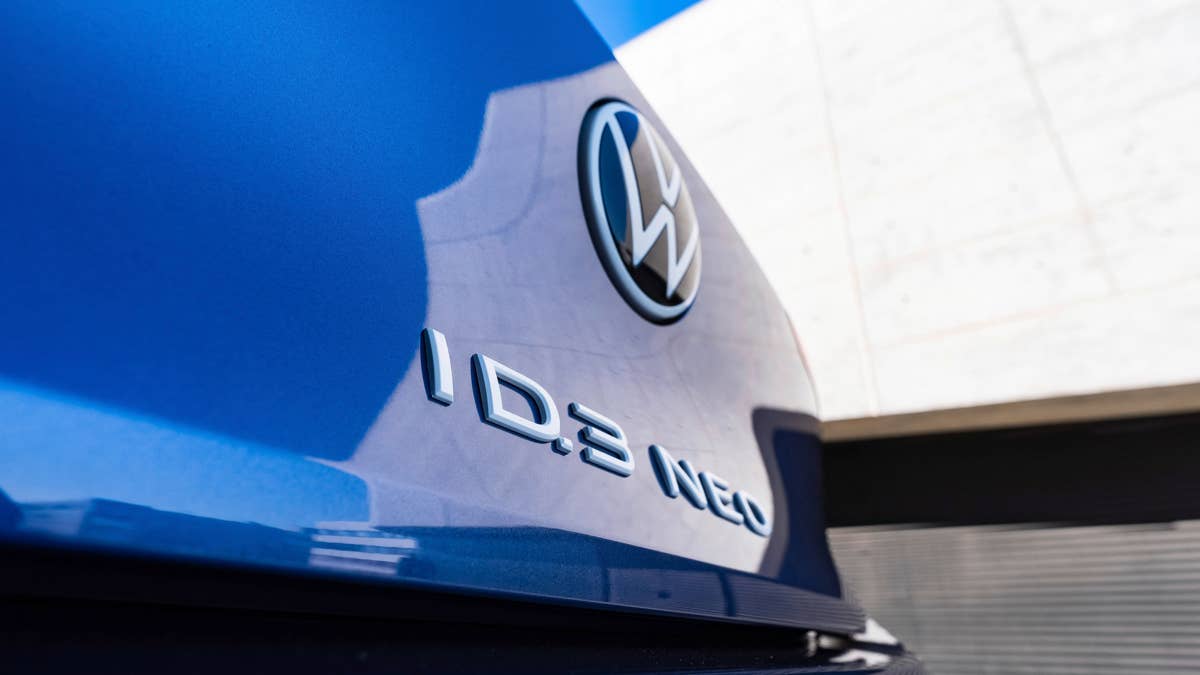
From the outside, there are new bumpers, a redesigned faux grille, and new wheels. Of course, it now says ID.3 Neo on the tailgate, signifying that this is a new chapter for the car. It’s easy to dismiss it as a mild facelift and a name change, but the real changes are on the inside and under the skin.
The company now describes the cabin as ‘100% Volkswagen,’ and we can see why. After VW waged war on buttons and lost, it’s refreshing to see a whole load of buttons in there. Gone are the capacitive touch panels everywhere; in their place are honest-to-goodness physical controls. The steering wheel now looks, well, normal and easy to use, and joy of joys, the climate control panel is a row of switches. Volkswagen is, indeed, healing.
Volkswagen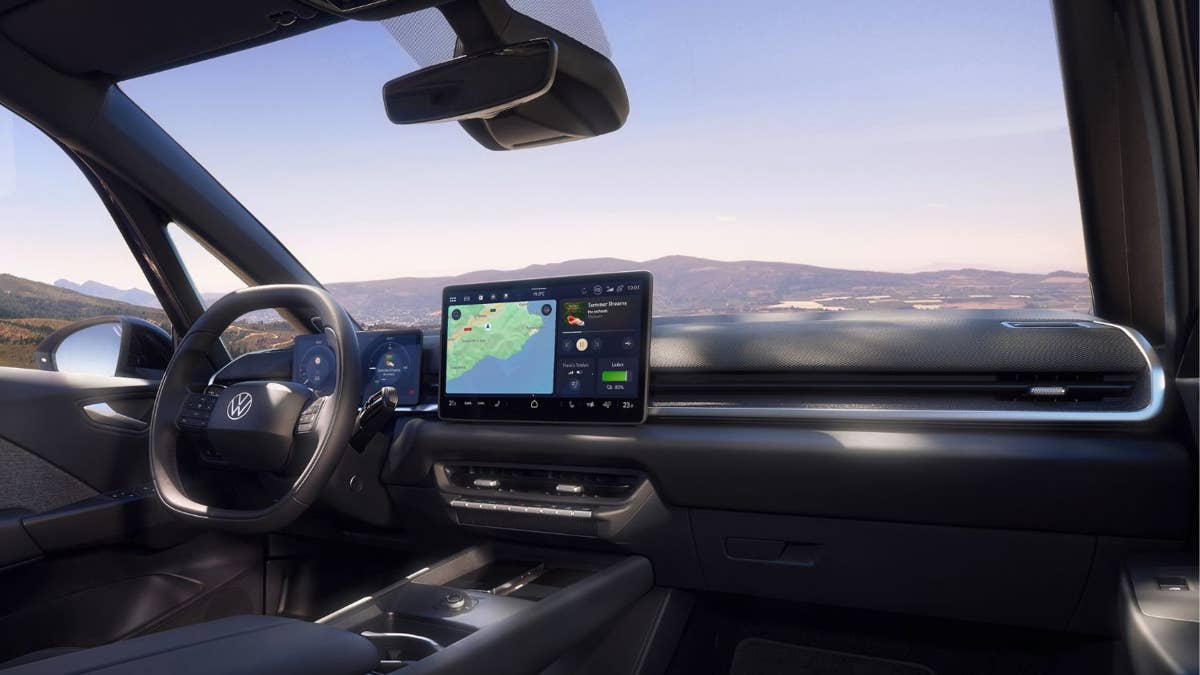
Improved Powertrains
Major enhancements were made to the electric drive systems of the ID.3, resulting in improved energy consumption and performance. From launch, there are three powertrain options and three available battery sizes.
The smallest battery is 50 kWh and is the standard size for all trims. Optional is the 58 kWh pack, which provides more range; the biggest battery one can get in the ID.3 Neo is a 79 kWh unit. VW claims a range of up to 392 miles under the WLTP cycle. The charging system now comes with higher capacities as well: the 50 and 58 kWh models support DC charging up to 105 kW, while the 79 kWh version can accept up to 182 kW.
Power output is also up significantly for the ID.3 Neo. The previous ID.3 had figures of 143 hp, 148 hp, and 201 hp. Now, the base motor produces 168 hp, while the middle version makes 188 hp. As for the top motor, it now puts out 228 hp.
Volkswagen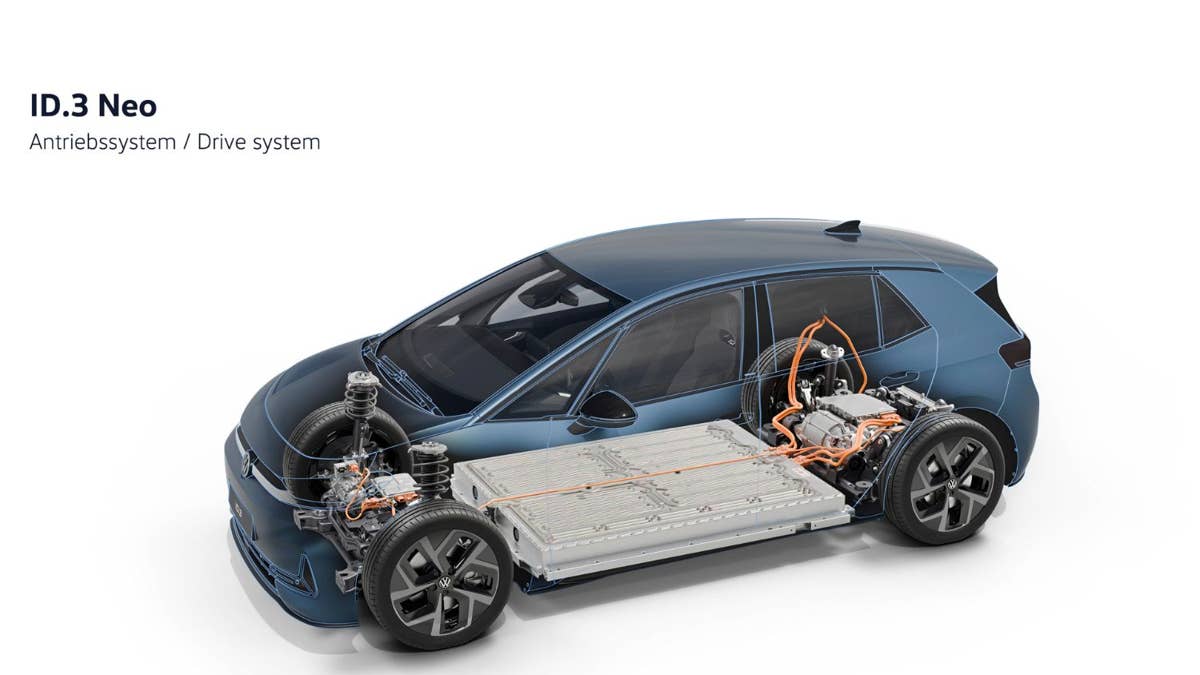
Other Highlights
The infotainment system had been given a massive update with new graphics, an easier-to-use interface, and greater functionality. VW calls it Innovision, and expects it to reach more models down the line. The digital driver’s display also offers far greater personalization, including a configuration that replicates the MK.1 Golf’s (Rabbit in the U.S.) instrument cluster.
Of course, there are stacks of advanced driver-assist systems on board, but there’s also the enhanced Connected Travel Assist, which gives it greater semi-autonomous driving capabilities. VW also said it improved its one-pedal driving mode for a smoother and more linear experience. A significant option for the ID.3 Neo is Vehicle-to-Load capability, which allows the car to power certain household items outdoors or during emergencies.
With more power, greater range, improved energy efficiency, and much-needed interior improvements, it now looks like the ID.3 Neo is the car VW wanted it to be in the first place. Should the company keep this up, it might be able to win back the customers it lost a few years ago, and hopefully, help the company turn things around.
Volkswagen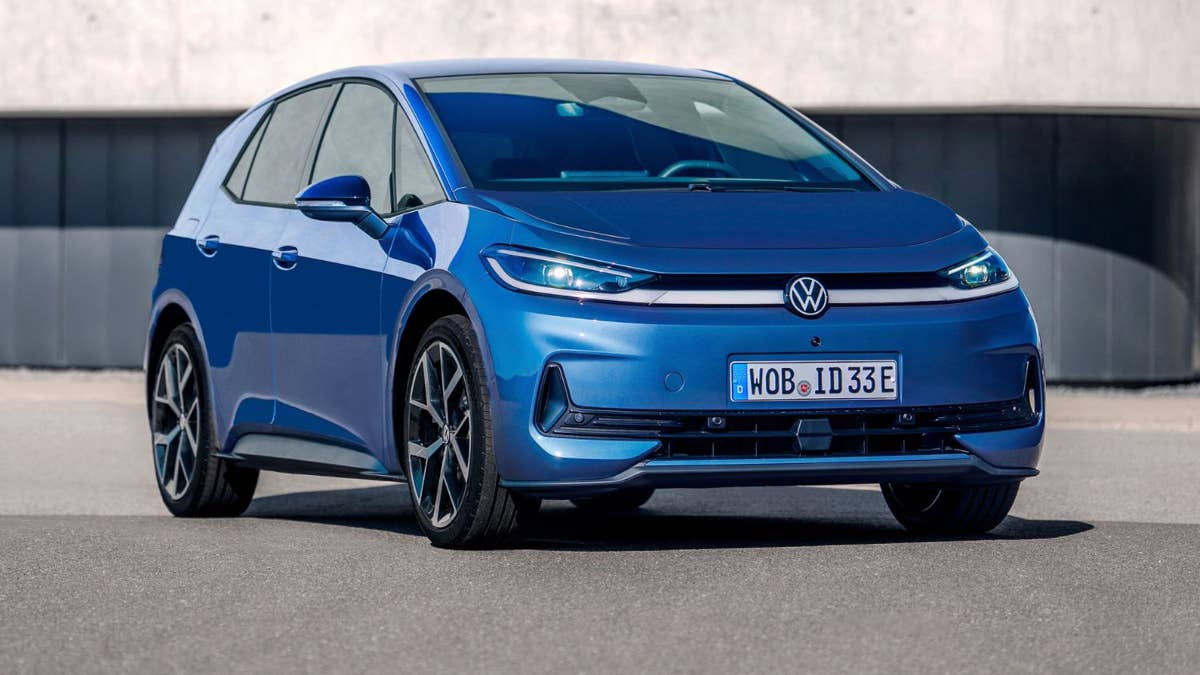
Volkswagen