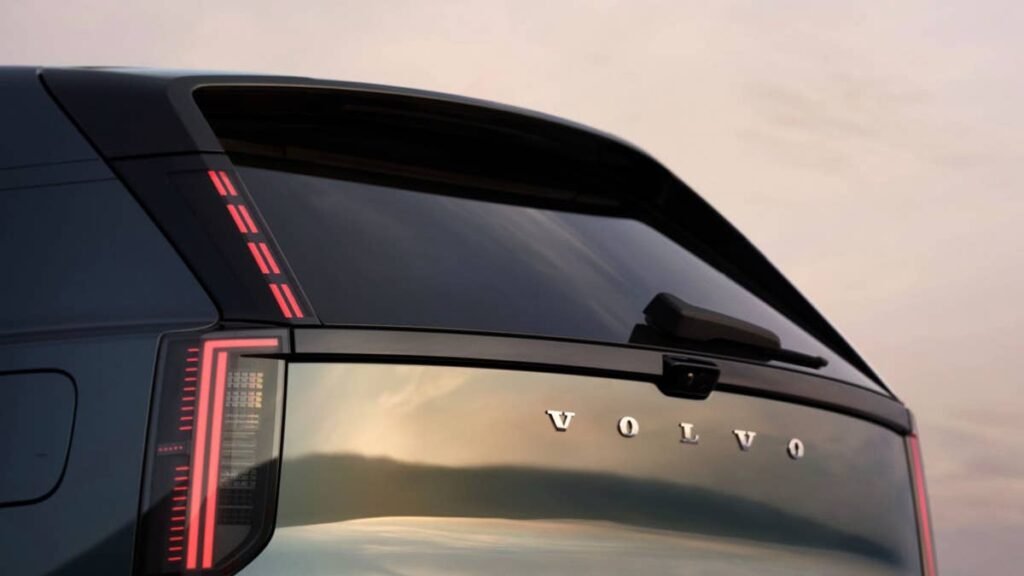
Geely Holding has dropped a massive bombshell on the automotive industry, announcing that pilot deployment of its solid-state battery technology will begin in 2027. This breakthrough rollout will hit the Chinese conglomerate’s extensive network of brands, with household names like Volvo positioned to be among the first to receive the game-changing upgrade.
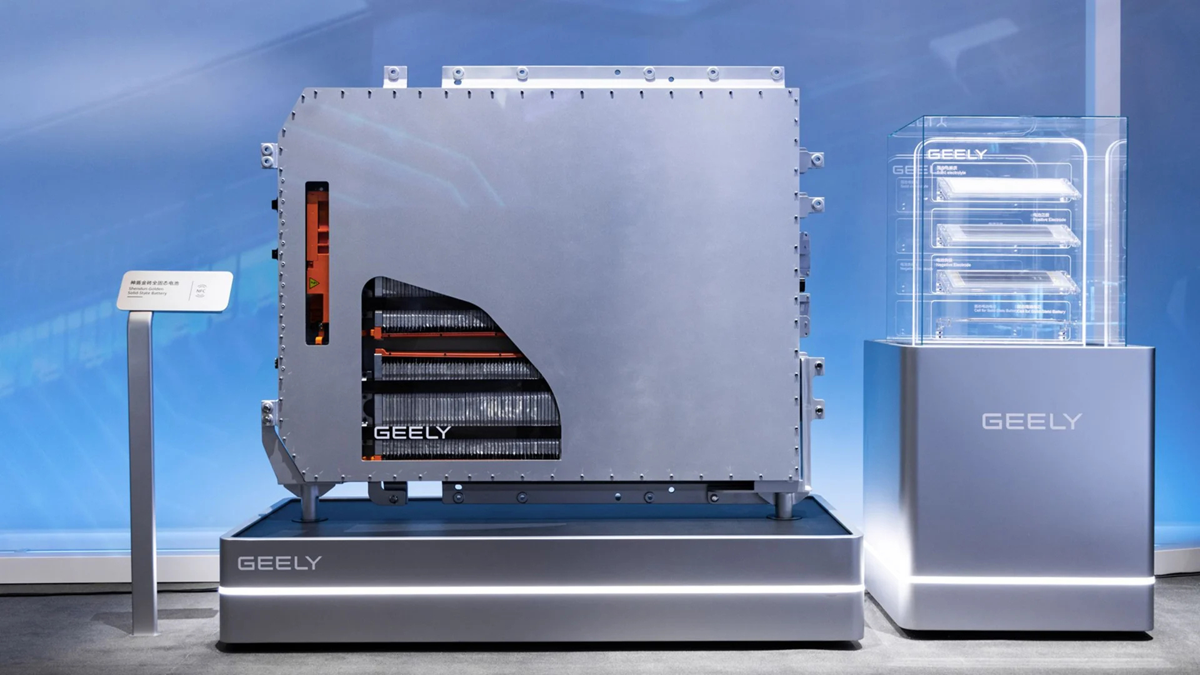
Boasting a staggering pack-level energy density of 500 Wh/kg, Geely claims these next-generation battery packs will allow pure electric vehicles to conquer over 621 miles on a single charge. That kind of endurance effectively matches, and in some cases beats the long-distance capabilities of modern diesel engines.
With real-world validation testing already underway, this technological leap promises to eradicate range anxiety once and for all. While Geely pushes the absolute boundaries of EV range, the manufacturer isn’t completely abandoning combustion just yet; it continues parallel development of ultra-efficient hybrid models to dominate all market segments. By securing a 621-mile electric footprint for premium marques like Volvo, Geely’s multi-track strategy ensures it will maintain a ferocious competitive edge as the global industry transitions.
Geely
Quiet Breakthrough
The technical jump from current liquid lithium-ion technology to solid-state chemistry represents a significant leap in energy density. Geely’s current production “Golden Brick” liquid batteries peak at a cell-level density of roughly 250 Wh/kg. Achieving a pack-level density of 500 Wh/kg implies that individual cell energy densities will be even higher, effectively doubling energy capacity relative to existing production packs without adding physical volume.
Material development for these solid-state packs involves chemical industry giant Dow Chemical. According to Bo Tong, key account technical leader at Dow Chemical, the supplier has developed specialized adhesives specifically formulated for solid-state cells. This adhesive material maintains structural stability across an operational temperature range of -40°F to 248°F, addressing one of the core physical challenges of solid-state pack construction.
Securing reliable thermal adhesives and chemical components allows Geely to address structural durability early in development. As Western automakers and venture-backed battery startups attempt to bridge the lab-to-factory gap, Geely’s concrete supplier partnerships offer an established supply chain foundation for scaling pilot production.
Geely
Leapfrogging Current Tech
Geely’s 2027 target arrives as the broader EV sector debates realistic timelines for commercial solid-state adoption. Battery giant CATL currently places its own solid-state efforts at level four on the nine-point Technology Readiness Level scale, targeting commercial certification later in the decade. Concurrently, major competitors are making strides in cell longevity to make pilot production viable by 2027.
Legacy automakers like Honda and Toyota have suffered recurring production delays when scaling solid-state chemistry due to cell degradation and high manufacturing costs. However, Geely’s disciplined timeline, backed by real-world testing and commercial partnerships, signals that Chinese manufacturers are moving past theoretical laboratory metrics toward genuine commercial scale. If Geely meets its 2027 deployment window, it will force global rivals to dramatically accelerate their own electrification schedules.
Geely