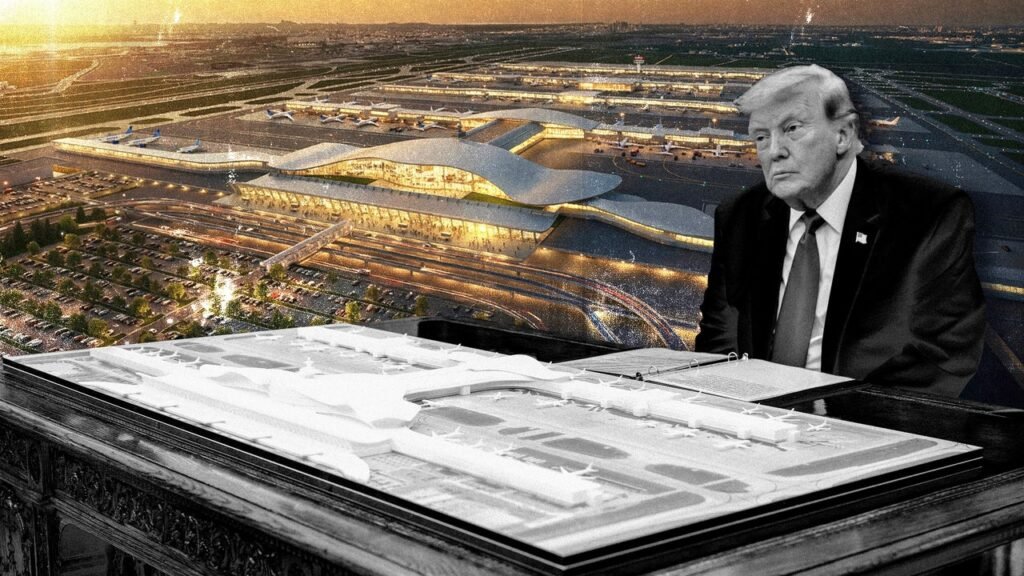
On July 29, President Donald Trump and U.S. Department of Transportation Secretary Sean Duffy revealed major plans to redesign and modernize Dulles International Airport, outside Washington D.C. Glowing press releases from United Airlines, USDOT, and the Metropolitan Washington Airports Authority (MWAA), tout the project as a “landmark transformation” that will make it into a “world-class gateway.”
But one crucial detail is missing from the announcement: who actually designed the project.
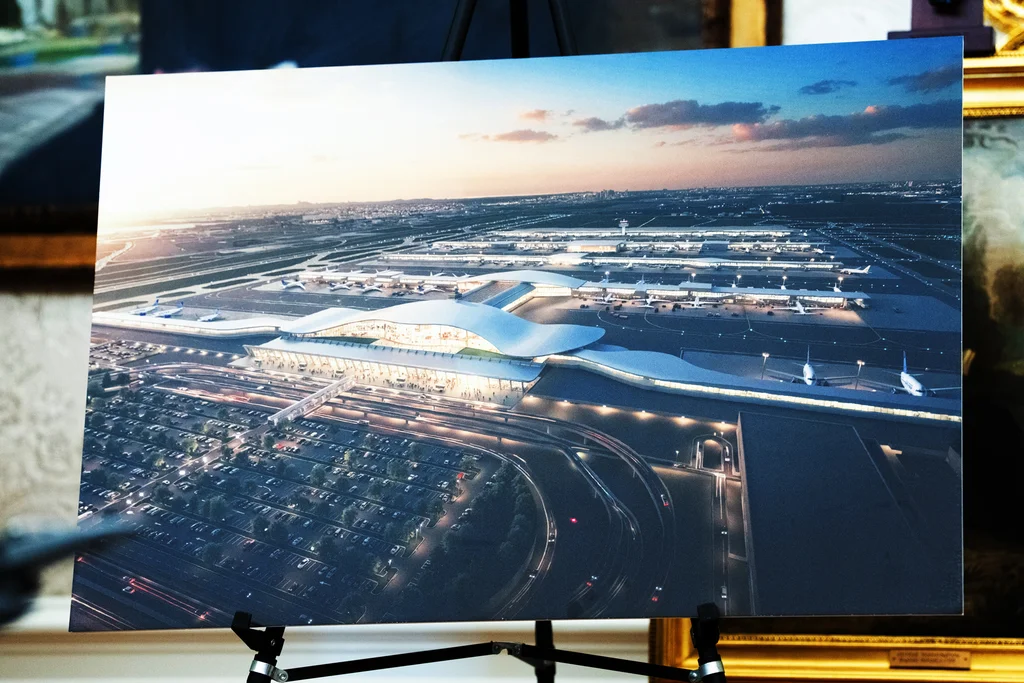
Plenty of architecture firms tried to get the job, including some of the biggest firms in the world. In December 2025, USDOT issued a call for proposals to “revitalize” Dulles Airport. By late January, the department released submitted design concepts from more than 30 global architecture firms, including HNTB, AECOM, Zaha Hadid Architects (recently rebranded ZHA), Adjaye Associates, and Grimshaw. One proposal, from ZHA and Bermello Ajamil & Partners even put Trump’s name on the main terminal building.
Six months later, a design for the Dulles modernization has been selected. But during the project’s announcement, none of the 30 firms were named as the project’s designer. Instead, Trump himself appeared to take at least some of the design credit.
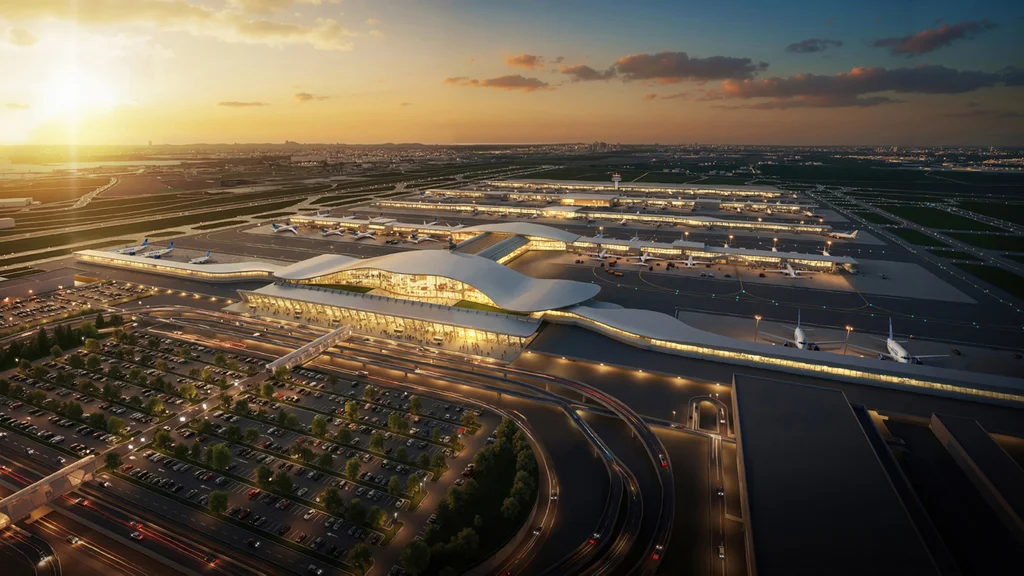
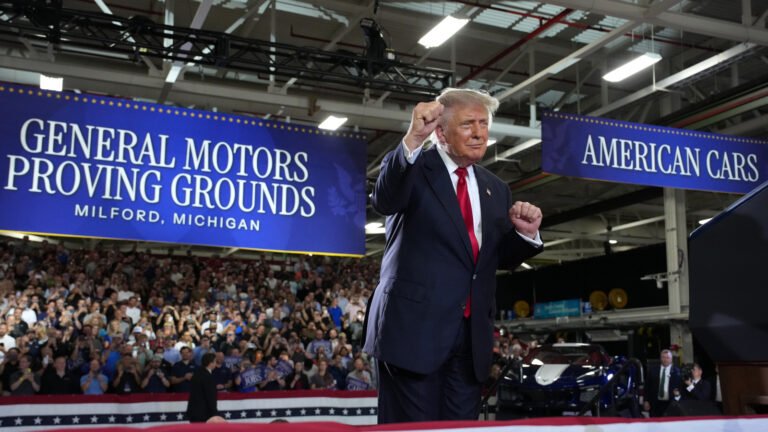
“We’ve had over 30 architects and 30 different designs. And we did a little cherry picking and we spoke to a lot of people about it, and we’ve come up with a plan that’s efficient and really beautiful,” Trump said during the announcement in the Oval Office.
Duffy, standing beside Trump during the announcement along with United Airlines CEO Scott Kirby and MWAA CEO Jack Potter, framed the revitalization as Trump’s mashup of the submitted designs.
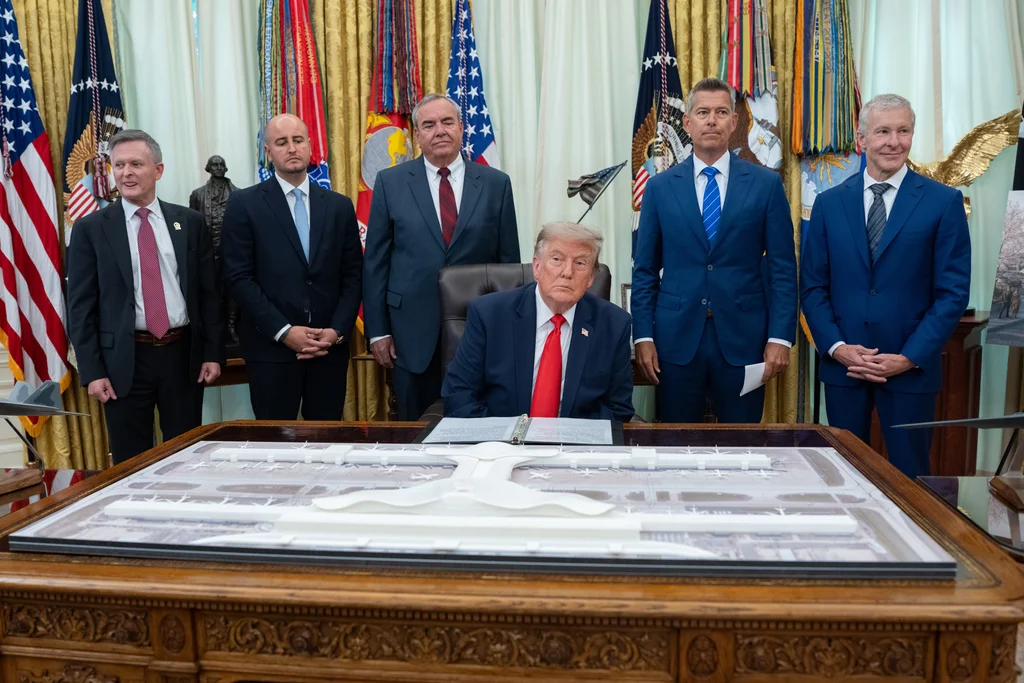
“We are blessed that not only does he give his time to really important matters, but he gave his building skill to take the best of all the designs and come up with this concept,” Duffy said. “I think this is one of the best designs, Mr. President, probably because you actually did it.”
“I was involved with Sean [Duffy] and with a lot of other people actually, but Scott [Kirby] was very much involved,” Trump added.
Few other details on the Dulles modernization’s design authorship were offered. The White House did not respond to a request for comment. United Airlines declined to offer any additional information. Emily McGee of MWAA media relations noted only that “more details will be developed and shared as the project moves forward.”
The project could just be the latest major Washington D.C.-area building project Trump has gotten directly involved in. From the demolition of the East Wing of the White House and the construction of a new ballroom to the design of a proposed monumental arch to announced renovations of the Kennedy Center, Trump has taken an aggressive interest in reshaping the capital’s built environment.
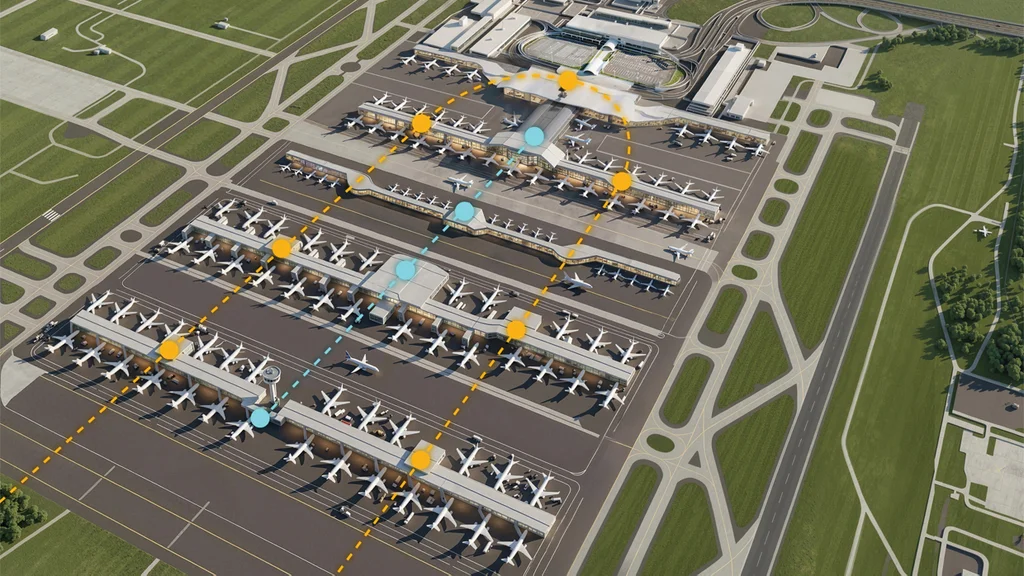
The Dulles modernization project drew a particularly passionate interest from Trump, who referred to the airport as “really horribly thought of,” “impossible,” and “the worst airport.” He highlighted one of the less popular elements of Dulles, the large “mobile lounge” people movers that are required to move passengers across the airfield between concourses, which sit in parallel bands. The new plan would replace the mobile lounges with an underground rail system and a central walking tunnel between concourses.
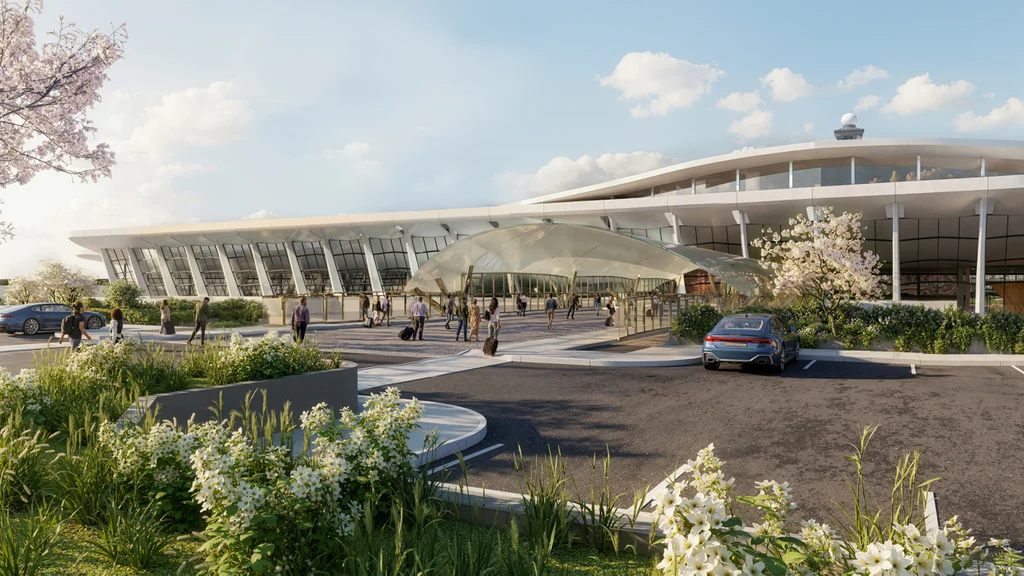
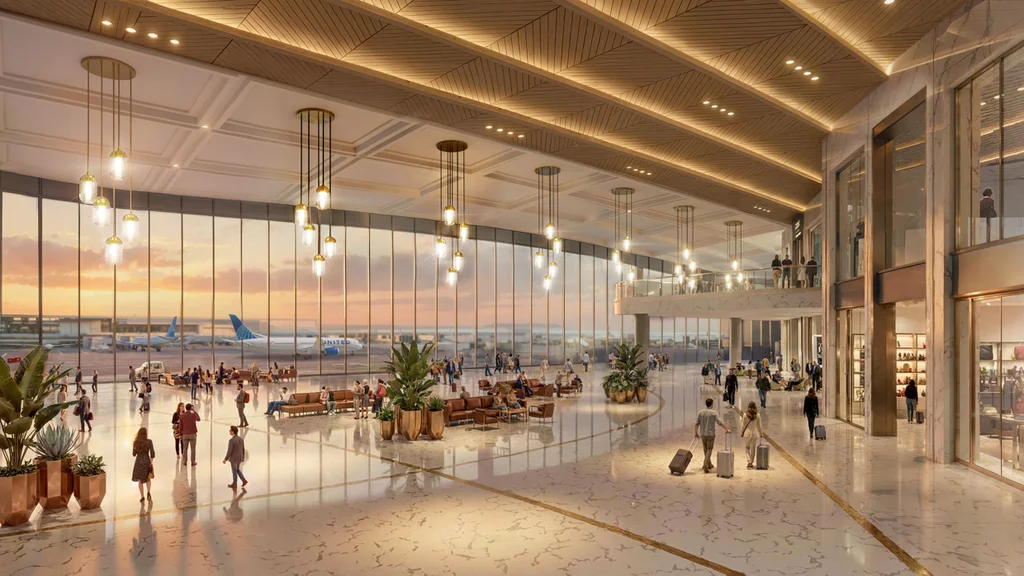
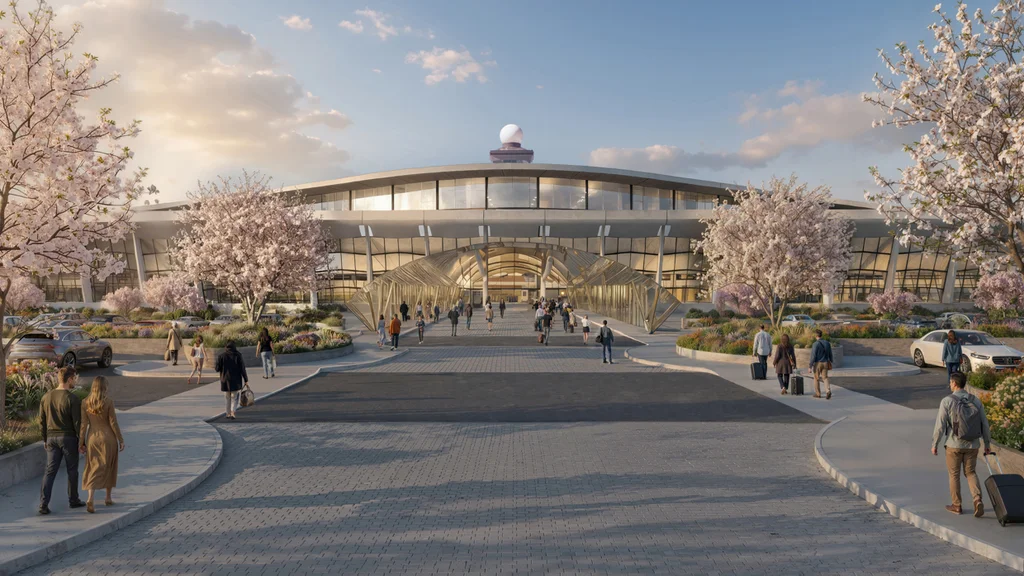
Despite Trump’s complaints about the airport, Dulles is regarded as one of the best designed airports in the world, featuring architect Eero Saarinen’s soaring main terminal building from 1962, which is considered a masterpiece of modernist design. Trump’s administration claims the proposed $22.5 billion redesign would preserve the iconic terminal, but renderings show additional structures built onto and around it. Modernization plans also call for the construction of a 32,000-space parking garage directly across the street from the terminal. “It needs some work, it needs some fix up, but it’ll be architecturally amazing,” Trump said.
Trump claims the project is “largely financed” by MWAA and could be completed within two years. Construction could begin as early as spring 2027.