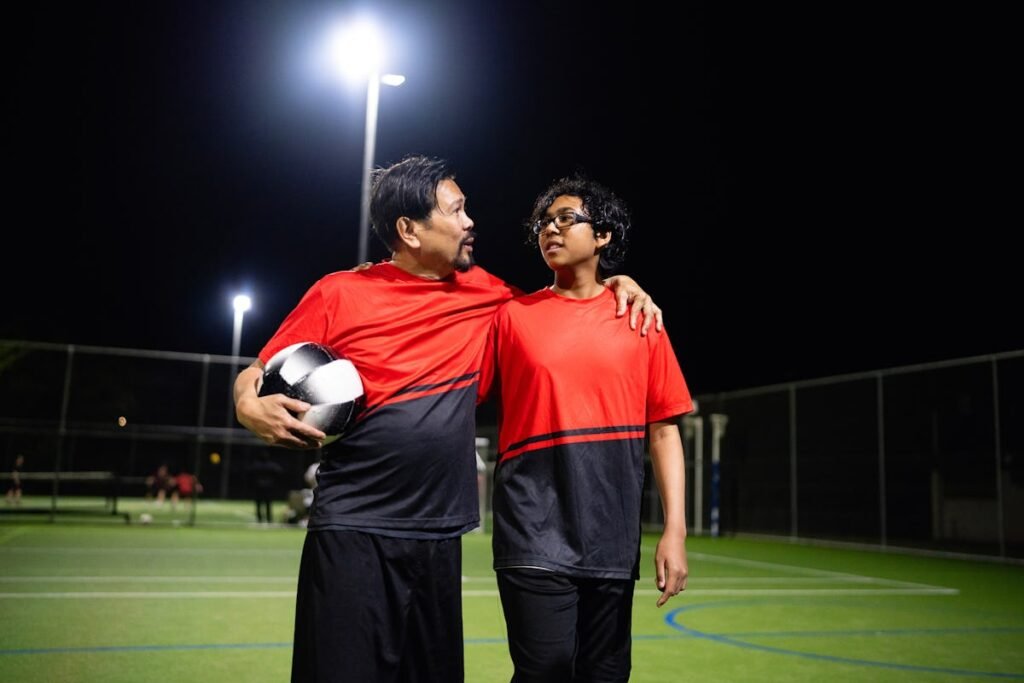
Late summer is always the hardest on parents. The pool days are numbered. The long evenings are shortening. The school year is coming, and it doesn’t care how ready you are.
The back-to-school transition is never the clean handoff the calendar makes it look like. Every August, we tell ourselves this year will be different. You’ll get ahead of it. Lunch prep sorted by Sunday. Bedtime routine locked in a week early. Screen-time rules clearly communicated and actually enforced. You’ll draw up this plan with the kind of granular, paranoid attention to detail that Guardiola brings to a cup final. But then, it’s all a disaster by Tuesday.
If you’re looking for an actual strategy that holds up, go to the park on a Saturday morning, find the sideline, and start listening to whoever is coaching.
These are people managing every extreme of human emotion — low blood sugar, wounded pride, full-on existential crises — all while trying to stop a five-way argument over who gets the neon green goalie pinnies. If they don’t know something useful, nobody does. So we hit up a dozen youth soccer coaches for their best back-to-school advice.
1. Do The Thing You Hate

I tell my girls this on the first day of every season, and I mean it every time. Some days we’re doing your favorite thing. Some days we’re doing the thing you hate. The thing you hate is usually the thing that needs work. That’s not a coincidence. I don’t let them skip the hard drills because they don’t feel like it. I don’t let them drift to the stuff they’re already good at and call it practice. That’s not practice. That’s just playing around.
The subject your kid is dreading going back to — that’s the one. That’s the drill they need to run. Don’t negotiate them out of it. Make the deal: Do the work first, then we talk. It’s the same conversation I have at practice every Tuesday and Thursday, and it works there, too.
— Petros, 37, Chicago
2. Be The Classmate You Want To Have
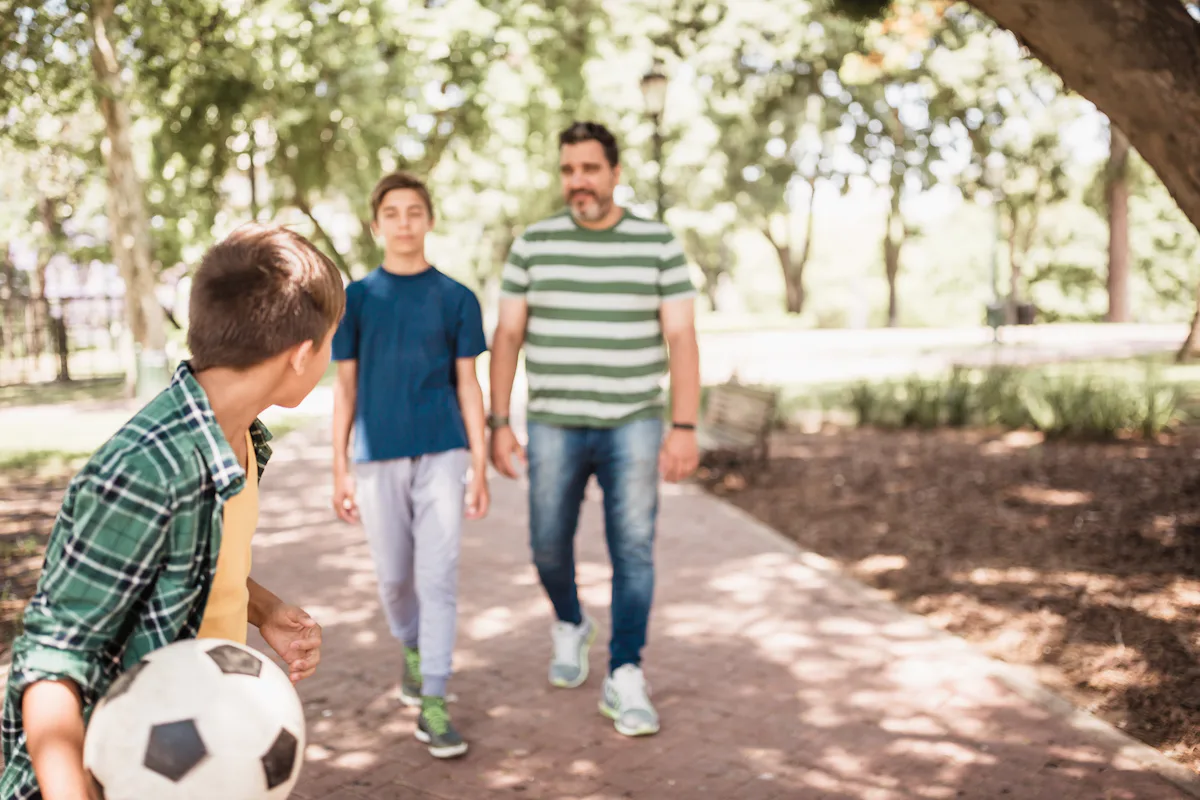
I don’t do big speeches. I never have. I’ve seen coaches do the whole thing — the whiteboard, the clipboard, the fire-and-brimstone season opener — and the kids are bored by the second sentence. So I just ask one question: What kind of teammate do you want? And they tell me. Funny. Helpful. Somebody who doesn’t make you feel bad when you mess up. Somebody who actually passes the ball. I write it all down. Then I say, good — now be all of that.
It’s not complicated. It’s just that nobody asks them the question directly and then holds them to the answer. Try it before school starts. Ask your kid what kind of friend they want to have this year. Then have the second half of that conversation.
— Marcus, 29, Dallas
3. Try Hard, No Matter What
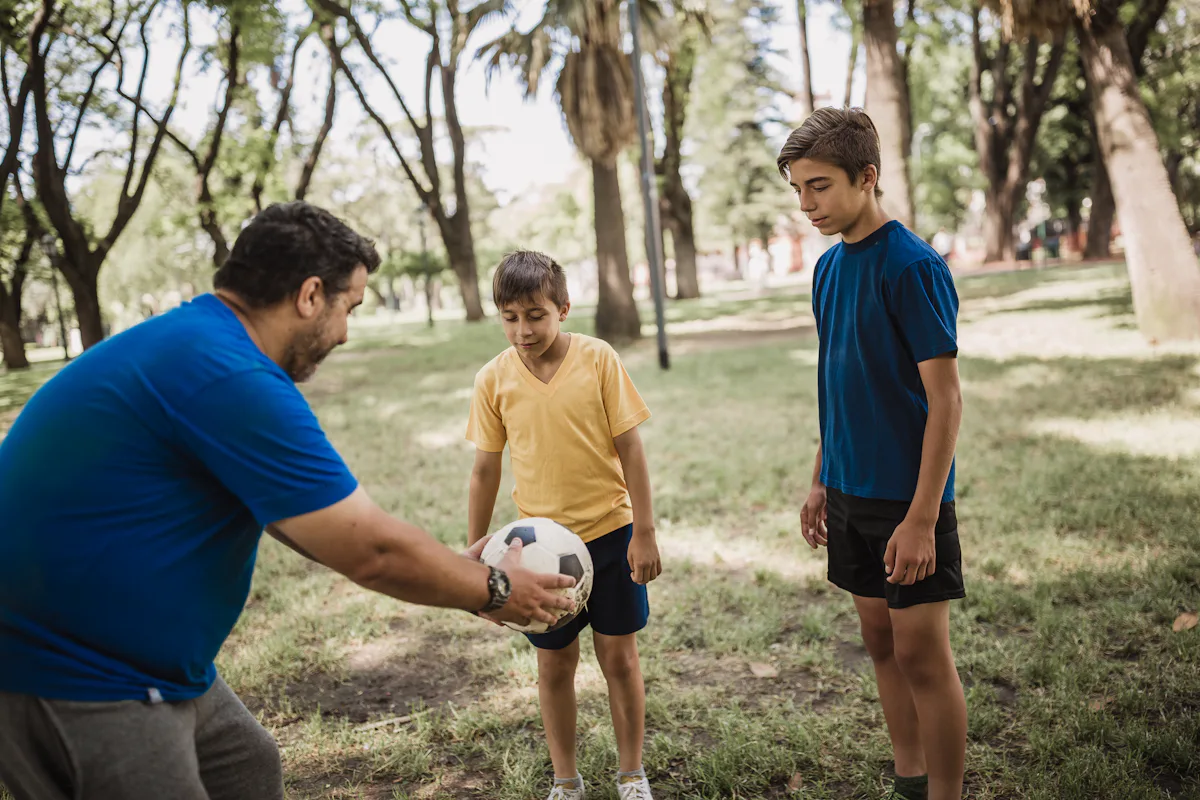
I’ve been doing this since before most of these parents were driving their kids to practice, and the one thing that has never changed is this: Effort is the one thing every single kid controls completely. Talent, you’re born with, or you’re not. Height, same thing. But running back on defense when you’re tired? Picking yourself up after a bad touch and going again? That’s a choice. I’ve had kids with every physical tool in the world coast through and wonder why they weren’t improving. I’ve had kids who couldn’t trap a ball if their life depended on it go on to be captains because they simply refused to stop working.
Teachers see it the same way I do. The kid who stays after, asks questions, turns things in on time — that kid builds a reputation. And that reputation opens doors that talent alone doesn’t.
— Pete, 48, Des Moines
4. Master The Basics
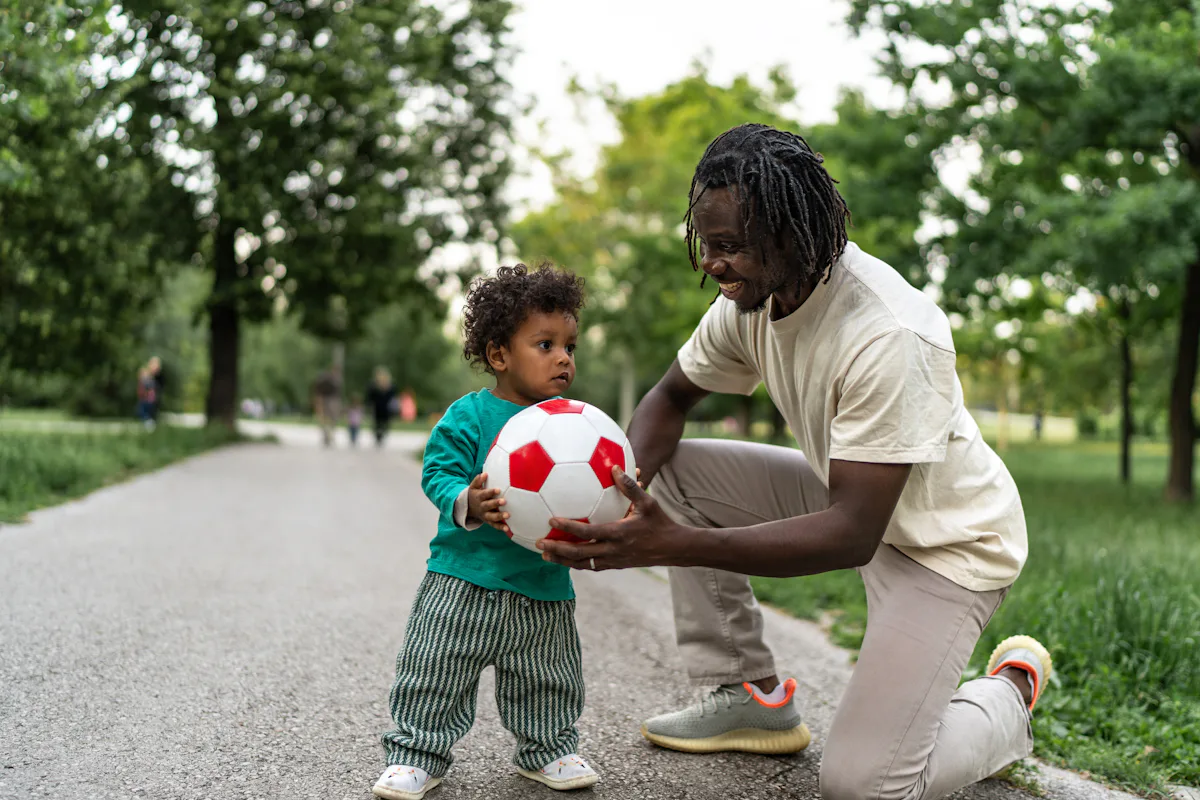
Every season, I get at least one kid who shows up on day one with opinions. Wants to play a different position, run a different shape, do things the way her last team did it. And look — I love that. I want players who think about the game. But there’s an order of operations. You don’t get to redesign a system you don’t understand yet. So the rule is: First month, you learn why we do what we do. Why we press from the front. Why we switch the point of attack the way we do.
Once you understand the why, then you’ve earned the right to push back.
A new school year means new teachers with their own ways of doing things. The kid who spends the first few weeks actually paying attention — figuring out how this classroom works before deciding what they think of it — that kid is so far ahead of the one who comes in with their arms already crossed.
— Jermaine, 35, Chicago
5. Have A Short Memory For Mistakes
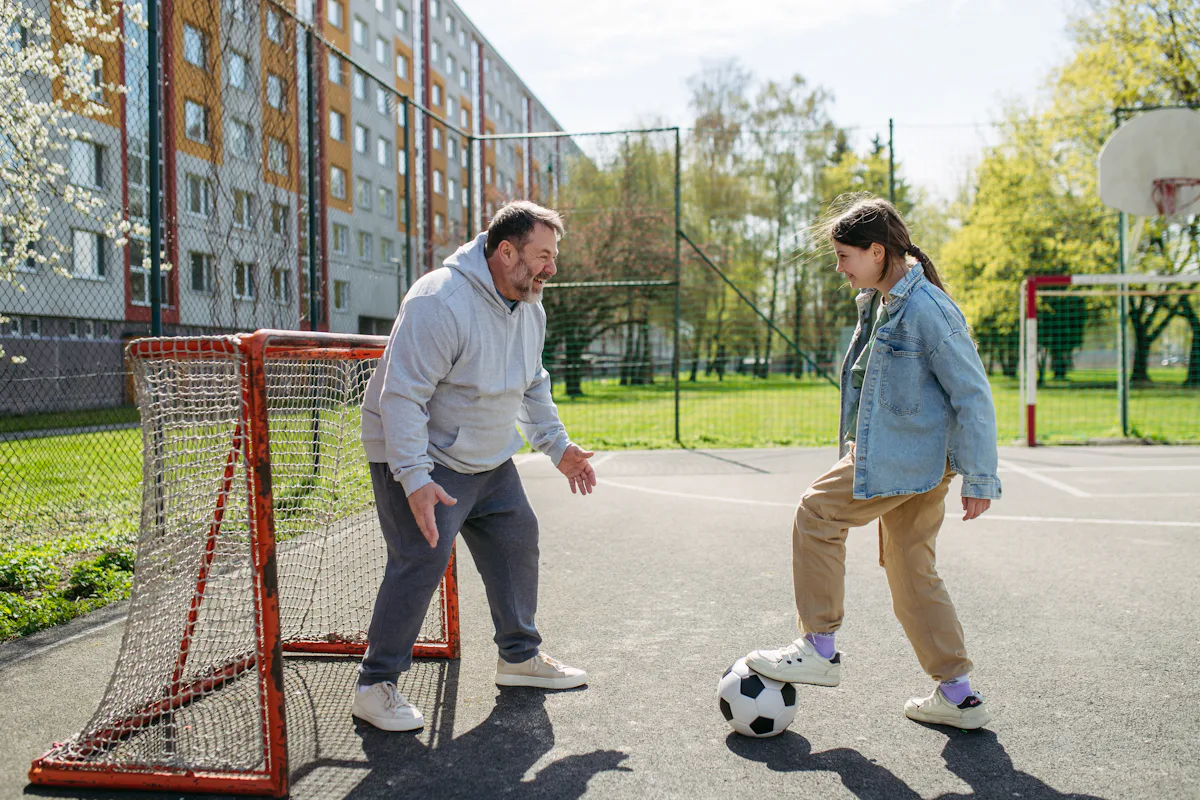
I have a rule on this team, and it has been the same rule since my first season: You get three seconds after a mistake. Three seconds to be upset, to be frustrated, to feel whatever you feel. Then your head comes back up, and you get back in position. Because here’s the thing: The play is still happening. The game didn’t stop because you had a bad touch. And if you’re standing there feeling sorry for yourself, you’re now two mistakes deep instead of one.
I tell parents this, too, because it applies to everything. Your kid is going to fail a test this year. They’re going to say something wrong in class and feel embarrassed about it. They’re going to have a bad day. In life situations off the field, you get more than three seconds, but the same lesson applies. Acknowledge the mistake and then head up, back in position. The recovery is the name of the game.
— Devin, 28, Seattle
6. Overcommunicate
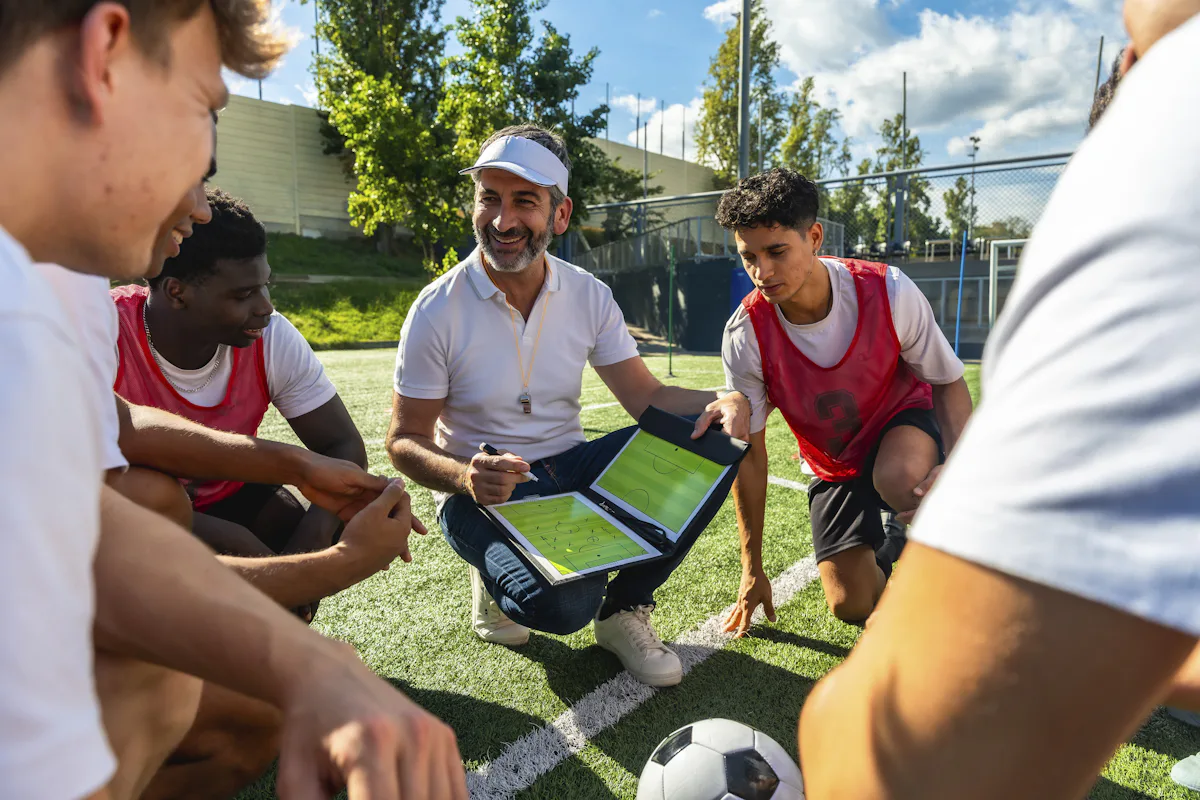
I am obsessive about communication on the field. Obsessive. Not yelling, not blaming — information. Constant, useful, real-time information between players. Where you are, what you see, what they should do next. Most kids go completely silent under pressure, and that is exactly backwards from what you need. When it’s hardest to talk is when talking matters most.
I tell my players: A quiet team is a confused team. And a confused team gives the ball away. It’s the same thing off the field. The kid who speaks up in class, who says hi to the kid sitting alone at lunch, who tells a friend when something’s wrong — that kid ends up in the middle of things. The good things. Make some noise this year. Say something.
— Ray, 56, Oklahoma City
7. Prioritize Rest
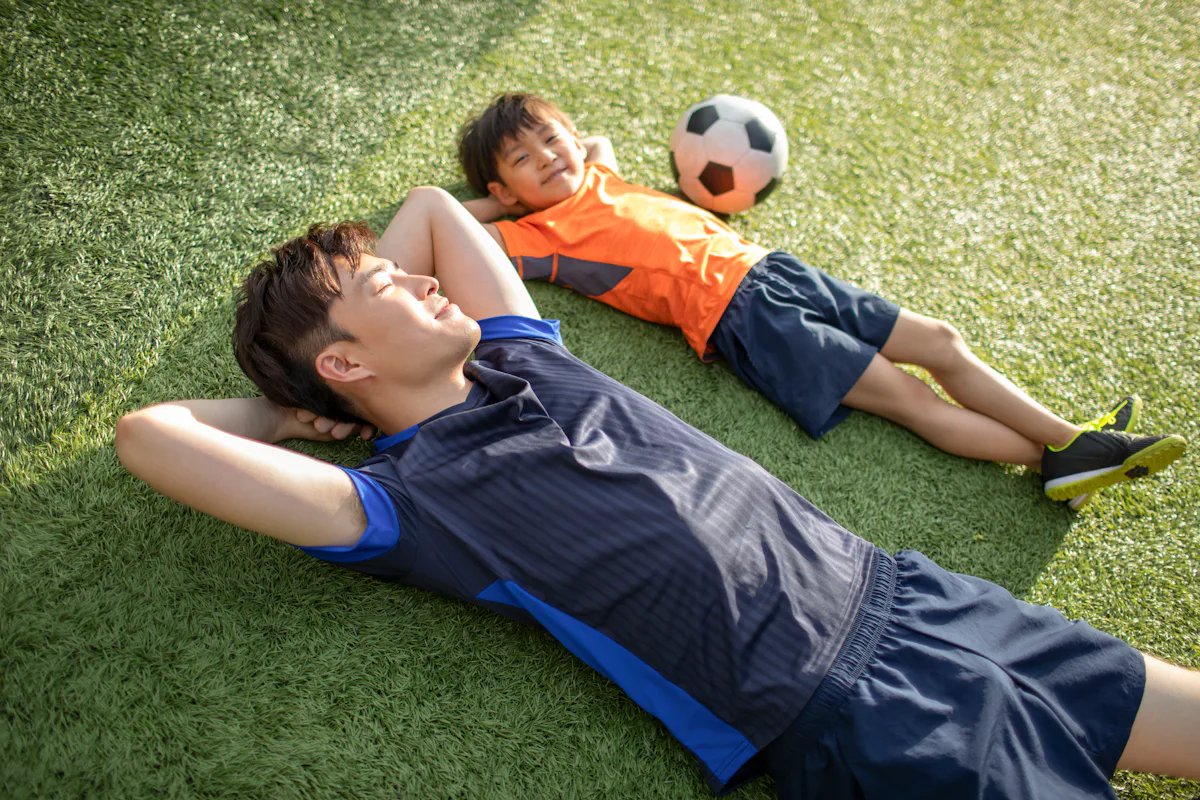
I played college soccer, and I will tell you that the thing nobody taught me until it was almost too late was how to rest. We were all conditioned to think that more was always better — more sprints, more film, more time in the gym. And there’s a point where more just breaks you. The best thing I ever did for my game was learn to take recovery seriously. Sleep. Real sleep. Not optional, not a treat — part of the program.
I build rest into my players’ weeks now, and I don’t let them feel guilty about it. The brain works the same way the body does. It consolidates everything it learned while you sleep. So if your kid is heading back to school and you’re letting them stay up until midnight on their phone — that’s not a small thing. That’s undermining everything they did that day. Rest is not laziness. I promise you it’s not.
— Jesús, 33, Phoenix
8. Show Up Early

I’ve been watching kids show up to this field for a long time, and I can tell you — the ones who get there early are different. Not because they’re more talented. Because they’ve had time to settle in. They’ve already touched a ball, already talked to a teammate, already figured out where they are and what they’re doing before anything’s officially started. They’re comfortable. The ones sprinting in right at the whistle are always the ones who take the whole first half to find their rhythm.
So on the first day of school, get there early. Your kid will have the chance to find the right classroom, ask any questions, and breathe a little bit. It’s a small thing that changes the whole morning.
— Sal, 56, Atlanta
9. Don’t Quit

I coach little kids. Eight-year-olds. So I see a lot of feelings on this field, and I’ve been real clear about my policy since day one: All the feelings are allowed. You can cry. You can tell me you need a minute. You can be upset. None of that is a problem. What you cannot do is walk off this field and decide you’re done. That’s the one thing I won’t accept. And I don’t say it mean — I just say it clearly, and I say it early, so it’s already been said when the moment comes.
Back to school is hard for a lot of kids, and I think parents sometimes feel like they’re supposed to pretend it isn’t. The anxiety is real. The overwhelm is real. Your kid can feel all of it and still go. That’s actually the lesson — that you’re allowed to struggle and still show up. Those two things can both be true at the same time.
— Dana, 41, Cleveland
10. Know When To Step Up And When To Step Back
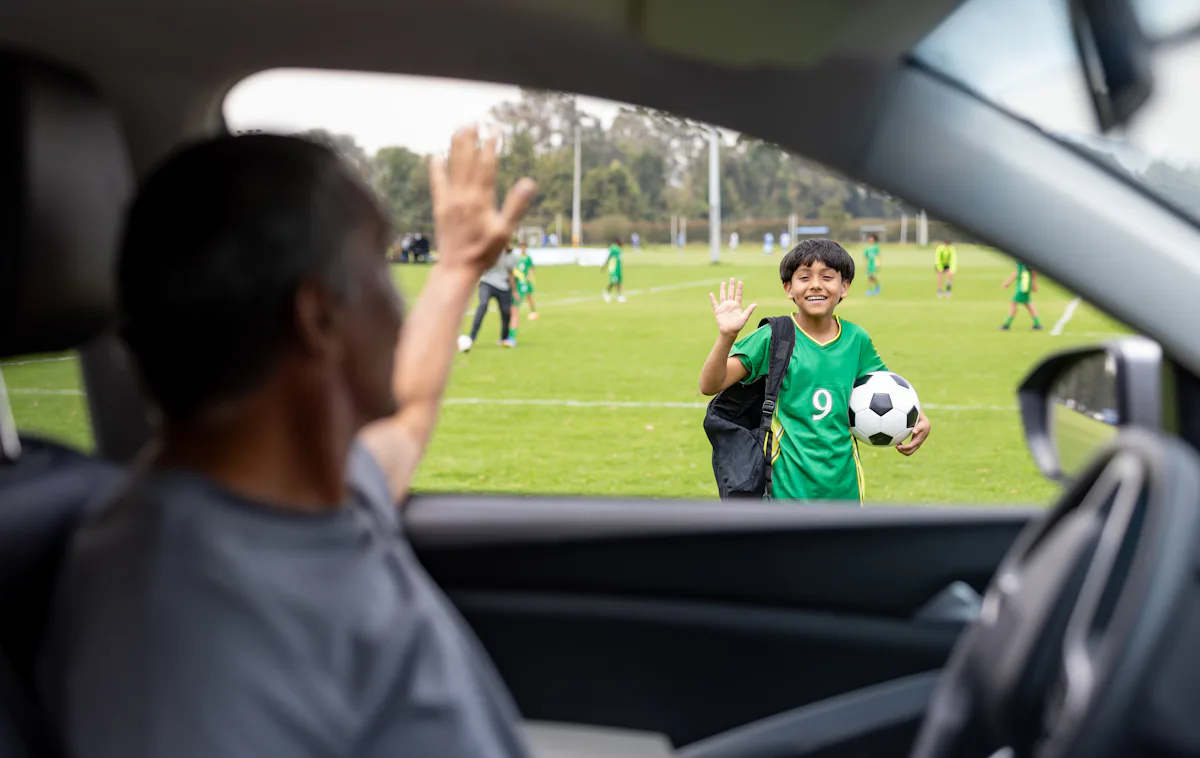
I think about the game the way I think about conversation. There are moments when you have to speak — when you see the opening, and you have to take it, because if you wait, it’ll be gone. And there are moments when the best thing you can do is find the person in a better position and give it to them. The hardest thing to coach is the judgment between those two moments. A player who always shoots is a ball hog. A player who always passes is invisible. The great ones — the really great ones — know the difference in real time.
That’s an ego conversation as much as it’s a soccer conversation. Knowing when to speak up in class and when to let someone else take the floor. When to lead a group project and when to step back and support. It’s one of the harder things to teach, and one of the more important ones. Start having that conversation now, before the year starts.
— Anton, 39, San Francisco
11. Seek Out Opportunities To Improve
I want my players to come to me. That’s the whole thing. I make myself as available as I possibly can because I know from experience that the kids who ask questions are the ones who get better. Not always the most talented kids — just the ones who seek feedback and then actually do something with it. Every season, the gap I notice most isn’t about skill. It’s about which kids advocate for themselves and which ones wait to be noticed.
Teachers work the same way I do. They want to help — they really do — but they’re managing a roomful of kids, and they can’t chase all of them down. The ones who stay after, send the email, ask what they missed and what they can do better — those are the ones who get more of the good stuff. It’s not about being the favorite. It’s about knowing how to ask for help. That skill will serve your kid for the rest of their life.
— Greg, 53, Houston
12. Be A Good Community Member

I coach at the level where it starts to get serious. Parents are thinking about high school rosters, kids are thinking about highlight reels, everybody’s tracking individual stats. And I am here to tell you — from where I stand on this sideline — that the players who make the biggest difference are almost never the ones you’d expect.
I’ve had physically gifted kids who played every game like it was an audition and made everyone around them worse for it. And I’ve had kids who, by every measurable standard, were average, who won us games because they made their teammates better. They covered for people, they communicated, and they did the stuff that doesn’t show up in the box score.
We spend so much time on our kids as individuals — their grades, their performance, their future — that we sometimes forget to teach them how to be good at being part of something. That’s a skill too. Maybe the most important one. The school year is long and almost entirely a team sport. Remind them.
— Gary, 51, Denver